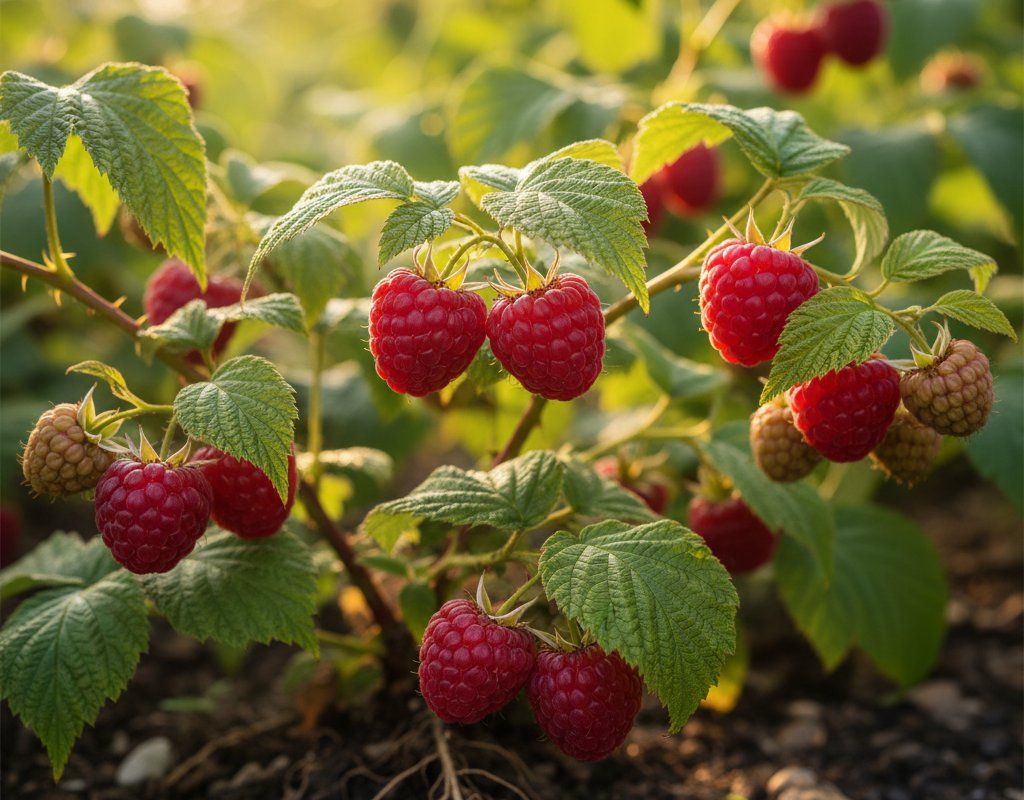
Raspberry in Zone 9B — Desert Southwest
Rubus idaeus · Your Complete 2026 Planting Guide
Time to Plant!
Get Raspberry in the ground now.
Plant Now
Transplant seedlings or plant purchased starts.
How to Plant Raspberry in Zone 9B — Desert Southwest
Here are all your options for getting raspberry in the ground, from the easiest method to more advanced approaches.
Buy Starts
RecommendedEarly February through early March
around February 5
Plant purchased starts after last frost (February 5).
Buy bare-root canes or potted plants. Plant in early spring or fall.
Start Seeds Indoors
ChallengingThis plant is typically not started indoors.
Direct Sow Seeds
ChallengingDirect sowing is not typical for Raspberry.
Transplant Outdoors
Timing InfoEarly February through early March
around February 5
Can tolerate light frost, but wait for soil to be workable.
You have a nice window — no need to rush.
Overview
Growing your own raspberries in the Desert Southwest might seem like a dream, but it's absolutely achievable and rewarding! Nothing beats the taste of fresh, sun-ripened berries straight from your garden, perfect for jams, desserts, or just a quick snack. Plus, the satisfaction of coaxing such deliciousness from our challenging climate is a win.
Our extreme heat and alkaline soil can make gardening tricky, but raspberries can thrive here with careful planning and attention to their needs. With our long 313-day growing season and two distinct planting windows, you'll have plenty of opportunity to get them established.
Transplanting Outdoors
Transplant your raspberry bushes outdoors from early February through early March. This gives them time to settle in before the extreme heat hits. Before planting, harden off your transplants by gradually exposing them to outdoor conditions for about a week.
Space your raspberry plants 2-3 feet apart to allow for adequate air circulation and growth. When planting, keep an eye on the weather. A late cold snap can happen, so be ready to cover your young plants if temperatures dip unexpectedly.
Watering Raspberry in Zone 9B (Desert Southwest)
Raspberries need consistent moisture, especially during our hot, dry summers. Aim for about 1-2 inches of water per week, but adjust based on the monsoon moisture. Use the "finger test" – stick your finger about 2 inches into the soil near the base of the plant. If it feels dry, it's time to water.
During the hottest months, you'll likely need to water deeply several times a week. Drip irrigation is ideal because it delivers water directly to the roots, minimizing water loss from evaporation. Water at the base of the plant rather than overhead to avoid fungal diseases in our warm, arid climate.
Signs of underwatering include wilting leaves and dry, brittle canes. Overwatering can lead to root rot, indicated by yellowing leaves and a musty smell in the soil. A good layer of organic mulch, like shredded bark or compost, will help retain moisture in the soil and regulate soil temperature.
Supporting Your Raspberry
Raspberry canes need support to keep them upright and productive. A simple two-wire trellis system works wonders. Install sturdy posts at either end of your row and run two wires, one at about 2 feet and another at about 4 feet above the ground.
Install the trellis system at planting time to avoid disturbing the roots later. As the canes grow, gently train them to the wires, tying them loosely with twine or plant tape. This prevents the canes from flopping over, keeps the fruit off the ground, and makes harvesting much easier.
Pruning & Maintaining Raspberry
Pruning is essential for maintaining healthy and productive raspberry plants. The approach depends on whether you have summer-bearing or everbearing varieties. For summer-bearing raspberries, remove the canes that fruited immediately after harvest.
For everbearing raspberries, you have a choice: either cut all the canes down to the ground in late winter for one large fall crop, or selectively prune to get two smaller harvests – one in summer and one in fall. Regardless of type, remove any weak, damaged, or diseased canes as you see them. As the first frost approaches around mid- December, remove any unripe fruit to encourage the plant to focus energy on root development.
🧪Fertilizing Raspberry
Feeding Schedule
Organic Fertilizer Options
Harvest Time
Your first raspberry harvest in the Desert Southwest should arrive from early April through late May, about 60 days after transplanting. The berries are ripe when they are deeply colored, plump, and pull easily from the core with just a gentle tug. Don't force them!
Check your plants every 2-3 days during peak season, as raspberries ripen quickly in our warm climate. Pick only the ripe berries to encourage continued production. As the first frost approaches in mid- December, harvest any remaining ripe berries and consider making a delicious batch of jam!
Common Problems in Zone 9B (Desert Southwest)
Here are some common problems you might encounter with raspberries in our region:
- Spotted Wing Drosophila
- What it looks like: Tiny flies lay eggs in ripening fruit, causing soft spots and larvae inside the berries.
- What causes it: These flies thrive in warm, humid conditions, and although we're arid, monsoon moisture can create temporary favorable conditions.
- How to fix/prevent it: Use netting to exclude the flies from your plants. Regularly harvest ripe fruit and remove any fallen or damaged berries.
- Cane Borer
- What it looks like: Wilting or dying canes with small holes bored into them.
- What causes it: Cane borers are beetles that lay eggs in the canes, and the larvae tunnel through the stems.
- How to fix/prevent it: Prune and destroy any infested canes below the borer damage as soon as you see it. Keep your plants healthy and vigorous to resist infestation.
- Gray Mold (Botrytis)
- What it looks like: Grayish-brown mold on the berries and canes, especially during periods of high humidity.
- What causes it: This fungal disease thrives in moist conditions and can be exacerbated by monsoon rains.
- How to fix/prevent it: Ensure good air circulation by spacing plants properly and pruning to open up the canopy. Avoid overhead watering. Remove and destroy any infected plant parts.
- Raspberry Crown Borer
- What it looks like: Weak, stunted canes and swollen areas near the base of the plant.
- What causes it: These clear-winged moths lay eggs near the crown of the plant, and the larvae bore into the roots and crown.
- How to fix/prevent it: Monitor plants for signs of infestation and remove any infested canes. Nematodes can be applied to the soil to target the larvae.
Desert Southwest Specific Challenges: Our extreme heat can stress raspberry plants, making them more susceptible to pests and diseases. Arid humidity means fungal diseases aren't as rampant as in other regions, but monsoon rainfall can create brief periods of high humidity that favor gray mold. Alkaline soil can also be a challenge, so amend your soil with plenty of organic matter to improve drainage and lower the pH slightly.
Best Companions for Raspberry
Plant these nearby for healthier Raspberry and better harvests.


Keep Away From




Companion Planting Details
Good companions for raspberries in the Desert Southwest include:
- Garlic: Deters pests with its strong scent. Plant it around the base of your raspberry bushes.
- Tansy: Another pest repellent. Be mindful, it can spread, so keep it contained.
- Marigolds: Attract beneficial insects that prey on pests.
Avoid planting raspberries near:
- Potatoes, Tomatoes, Peppers: These are susceptible to verticillium wilt, a soilborne disease that can also affect raspberries.
- Blackberries: Can attract the same pests and diseases, increasing the risk of problems.
🌸Best Flowers to Plant with Raspberry
These flowers protect your Raspberry from pests and attract pollinators for better harvests.
For Pest Control
Get a Reminder When It's Time to Plant
We'll email you when key planting windows open for your zone.