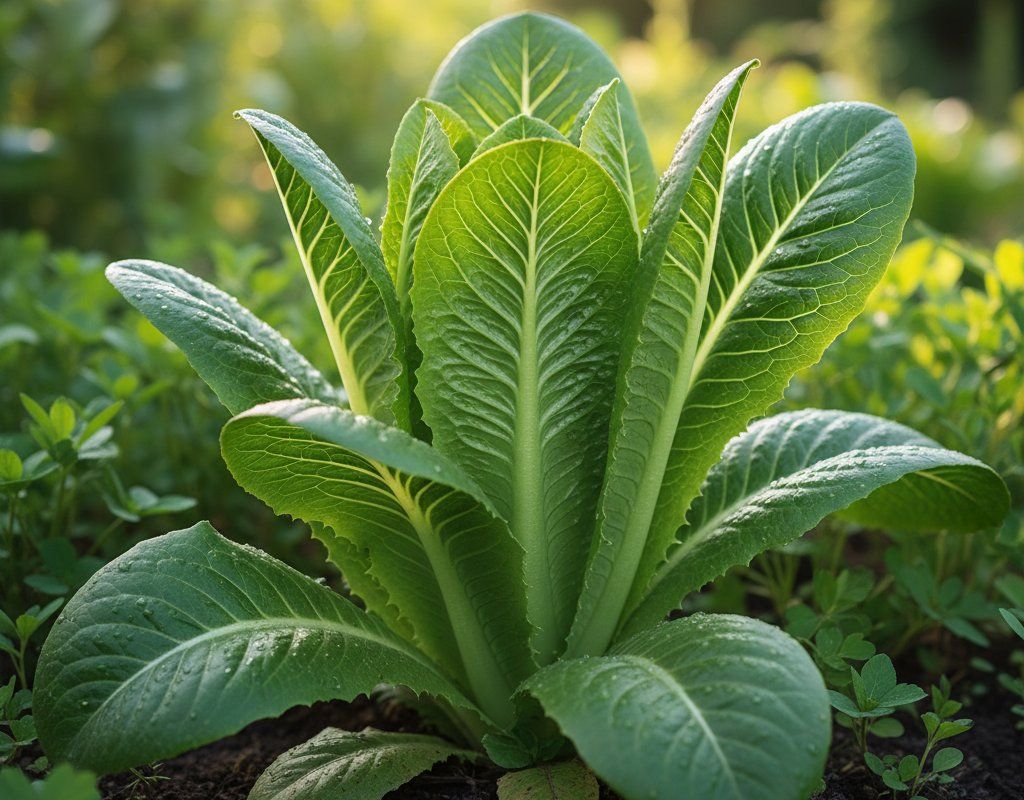
Romaine Lettuce in Zone 5A — Great Plains
Lactuca sativa var. longifolia · Your Complete 2026 Planting Guide
Planning Ahead — Great!
You’re ahead of the season. Here’s when to start.
Mark Your Calendar
How to Plant Romaine Lettuce in Zone 5A — Great Plains
Here are all your options for getting romaine lettuce in the ground, from the easiest method to more advanced approaches.
Direct Sow Seeds
RecommendedLate March through late July
around March 28
Consider succession planting every 2-3 weeks for continuous harvest.
Start Seeds Indoors
RecommendedEarly to late March
around March 14
Then transplant: Mid April through early May
Start seeds 4-6 weeks before transplanting outdoors.
Buy Starts
Works WellMid April through early May
around April 11
Plant purchased starts after last frost (April 25).
Transplant Outdoors
Timing InfoMid April through early May
around April 11
Can tolerate light frost, but wait for soil to be workable.
You have a nice window — no need to rush.
Fall Planting
Late July through late August
August 8 ideal · Direct sow for fall harvest
Plant a second crop in mid-summer for fall harvest. Romaine Lettuce actually prefers the cooling temperatures of fall.
Overview
Romaine lettuce is a garden staple for good reason. Its crisp texture and mild flavor make it incredibly versatile in salads, wraps, and even grilled. Here in the Great Plains, the intense sunshine and fertile prairie soil can give you a fantastic harvest, especially if you time it right.
Our region is known for extreme weather, from temperature swings to hail risk, and Romaine is definitely sensitive to heat. But with a little planning, you can easily enjoy fresh Romaine from your garden for a good chunk of our 168-day growing season.
Starting Seeds Indoors
Starting Romaine indoors is an option, especially if you're eager to get a jump start on the season or want to maximize your harvest window. Begin in early to late March, about four weeks before you plan to transplant. Use seed trays and a good seed-starting mix, providing warmth and plenty of light – a grow light is really helpful here.
Bottom watering is key; it prevents damping-off and encourages strong root growth. Given our variable spring weather here on the Plains, starting indoors gives you some extra control.
Transplanting Outdoors
Transplant your Romaine seedlings outdoors in mid April through early May, after hardening them off for about a week. This gradual exposure to the elements toughens them up before they face the full force of our Plains weather. Plant them 8-10 inches apart in well-drained soil.
Keep an eye on the forecast – a late frost can still happen, so be ready to cover your seedlings if needed. Wind protection is also essential at this stage, as young plants can easily be damaged by strong gusts.
Direct Sowing
Direct sowing Romaine is definitely doable, and it saves you the hassle of transplanting. Sow seeds late March through late July, once the soil has warmed up a bit. Prepare the soil well, ensuring it's loose and fertile.
Keep the soil consistently moist until the seedlings emerge. Thin seedlings to 8-10 inches apart. Direct sowing is convenient, but remember that young seedlings are more vulnerable to pests and weather fluctuations, so keep a close watch.
Watering Romaine Lettuce in Zone 5A (Great Plains)
Consistent moisture is key to growing crisp, tender Romaine lettuce in the Great Plains. Aim for about 1 inch of water per week, but adjust based on rainfall and soil conditions. Use the "finger test" – if the top 2 inches of soil feel dry, it's time to water.
During our hot summer months, Romaine is prone to bolting, so consistent watering is even more critical. Water deeply at the base of the plants to avoid wetting the leaves, which can encourage disease in our low-to-moderate humidity. In the spring, when the temperature swings can be drastic, keep an eye on the soil moisture levels, especially if the wind is high.
Signs of underwatering include wilting and yellowing leaves. Overwatering can lead to root rot, so watch out for stunted growth and soggy soil. A layer of mulch around your plants will help retain moisture and keep the soil cool.
🧪Fertilizing Romaine Lettuce
Feeding Schedule
Organic Fertilizer Options
Harvest Time
You can expect your first Romaine harvest from early June through mid October, depending on when you planted. Start harvesting outer leaves when they are 6-8 inches long, or cut the whole head when it feels firm and full-sized. The key is to harvest before the center stem starts to elongate, which indicates bolting.
To encourage continued production, harvest outer leaves regularly, leaving the inner leaves to mature. This "cut-and-come-again" method will give you a longer harvest period. As the first frost approaches in early October, harvest any remaining heads to enjoy before the cold weather sets in.
Common Problems in Zone 5A (Great Plains)
Romaine lettuce can face a few challenges in our Great Plains climate, but knowing what to look for can save your crop.
Bolting in Heat
- What it looks like: A tall flower stalk emerging from the center of the lettuce head. Leaves become bitter and tough.
- What causes it: Extended periods of warm temperatures, especially when days consistently exceed 80°F. This signals to the plant to reproduce.
- How to fix/prevent it: Time your plantings for cooler spring and fall weather. Choose bolt-resistant varieties. Provide shade during the hottest part of the day with shade cloth. Mulch to keep the soil cool. Harvest promptly if bolting starts.
Aphids
- What it looks like: Clusters of tiny green, black, or white insects on stems and leaf undersides. Sticky honeydew residue. Curled or distorted new growth.
- What causes it: Rapid reproduction of sap-sucking insects, especially in warm weather. Ant colonies may protect them.
- How to fix/prevent it: Blast aphids off with a strong stream of water. Encourage beneficial insects like ladybugs and lacewings. Use insecticidal soap or neem oil for heavy infestations. Avoid over-fertilizing with nitrogen.
Slugs
- What it looks like: Irregular holes in leaves, especially near the ground. Silvery slime trails on leaves and soil.
- What causes it: Slugs are active at night in moist conditions, hiding during the day under mulch and debris.
- How to fix/prevent it: Set out beer traps (shallow dishes of beer). Use iron phosphate bait. Remove hiding spots like boards and excessive mulch. Water in the morning so the soil surface dries out by evening. Sprinkle diatomaceous earth around plants.
Tip Burn
- What it looks like: Brown, dried edges on inner lettuce leaves, sometimes affecting outer leaves.
- What causes it: Calcium uptake problems due to inconsistent watering, especially during hot weather.
- How to fix/prevent it: Water consistently to maintain even soil moisture. Avoid fertilizers high in ammonium nitrogen. Ensure good soil calcium levels. Choose resistant varieties. Provide shade during warm spells.
Great Plains Specific Challenges: The combination of hot summers, low-to-moderate humidity, and variable rainfall can stress Romaine lettuce. Consistent watering is crucial to prevent bolting and tip burn. Wind protection is also important, as strong winds can dry out the soil quickly and damage leaves.
Best Companions for Romaine Lettuce
Plant these nearby for healthier Romaine Lettuce and better harvests.
View Full Companion Planting Chart →



Companion Planting Details
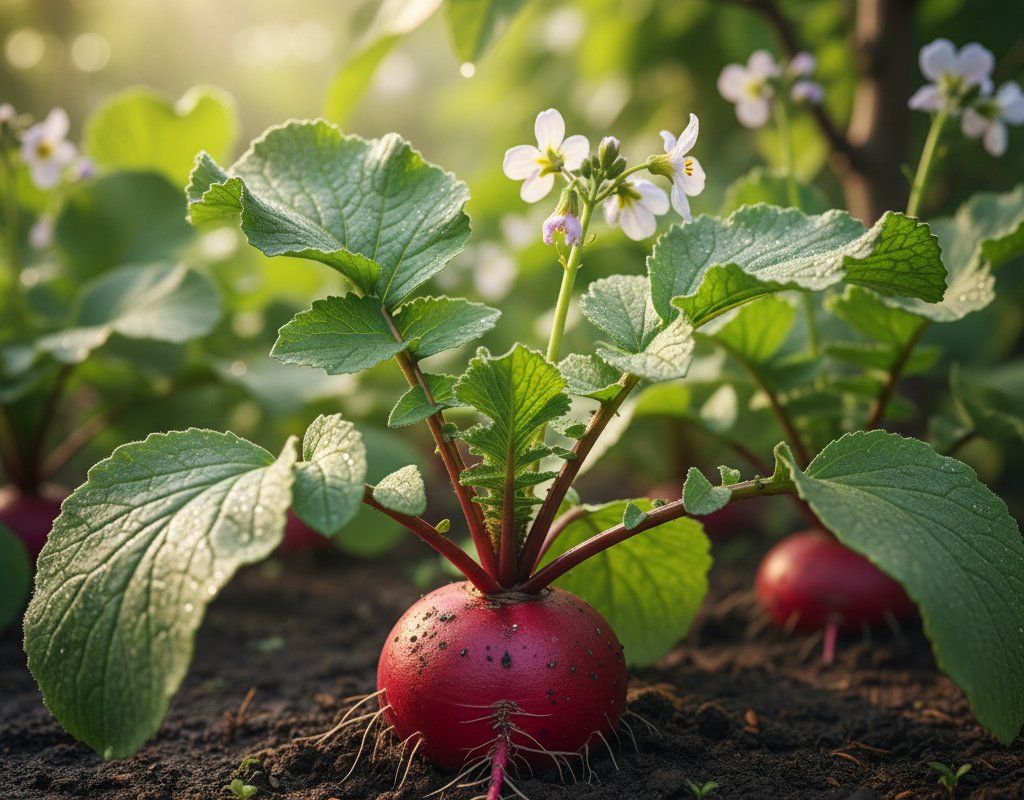
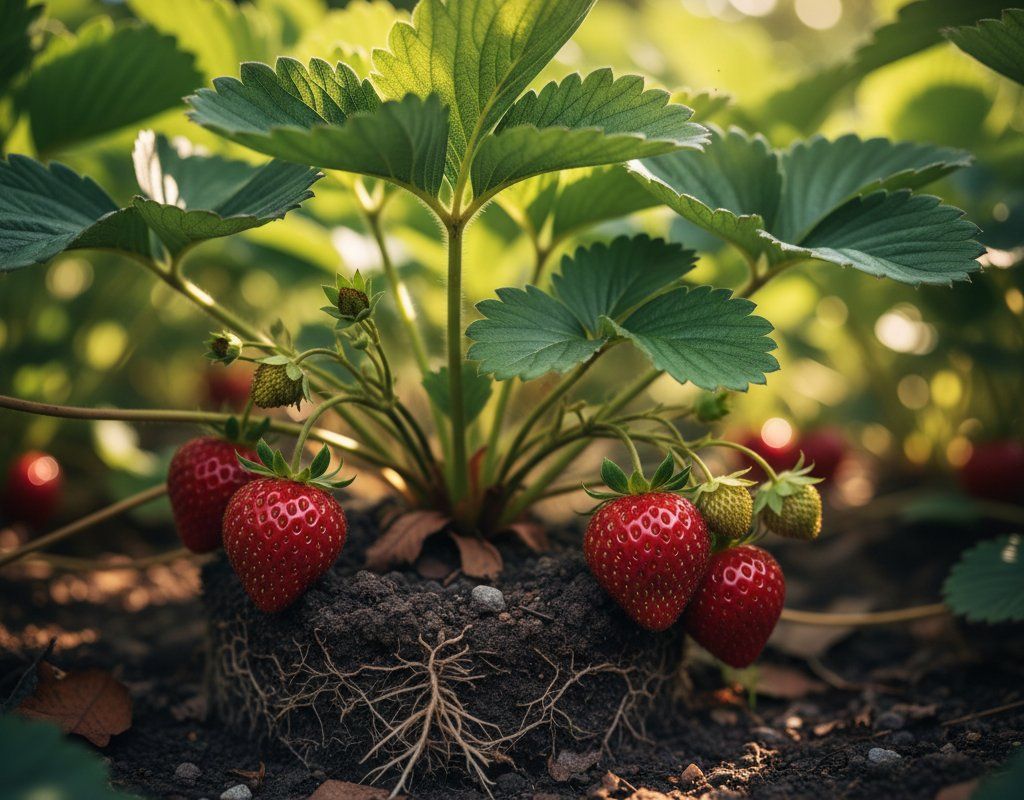
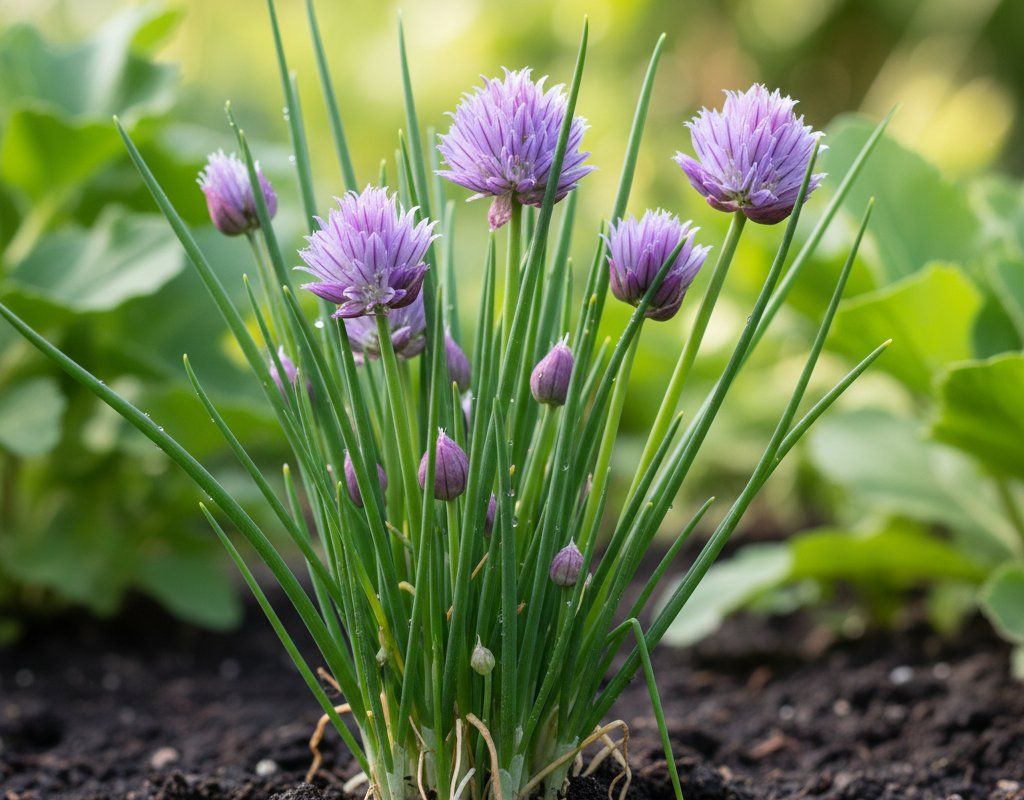
Companion planting can help your Romaine thrive in the Great Plains. Carrots are good companions because their scent deters lettuce root aphids. Radishes are quick to mature and can help break up the soil, benefiting lettuce roots. Strawberries make good ground cover, helping to retain moisture and suppress weeds. Chives and onions deter pests with their strong scent.
Avoid planting Romaine near celery and parsley. Celery competes for nutrients and water, while parsley can attract aphids. These combinations can hinder the growth and health of your Romaine in your Plains garden.
🌸Best Flowers to Plant with Romaine Lettuce
These flowers protect your Romaine Lettuce from pests and attract pollinators for better harvests.
For Pest Control

For Pollinators

Get a Reminder When It's Time to Plant
We'll email you when key planting windows open for your zone.