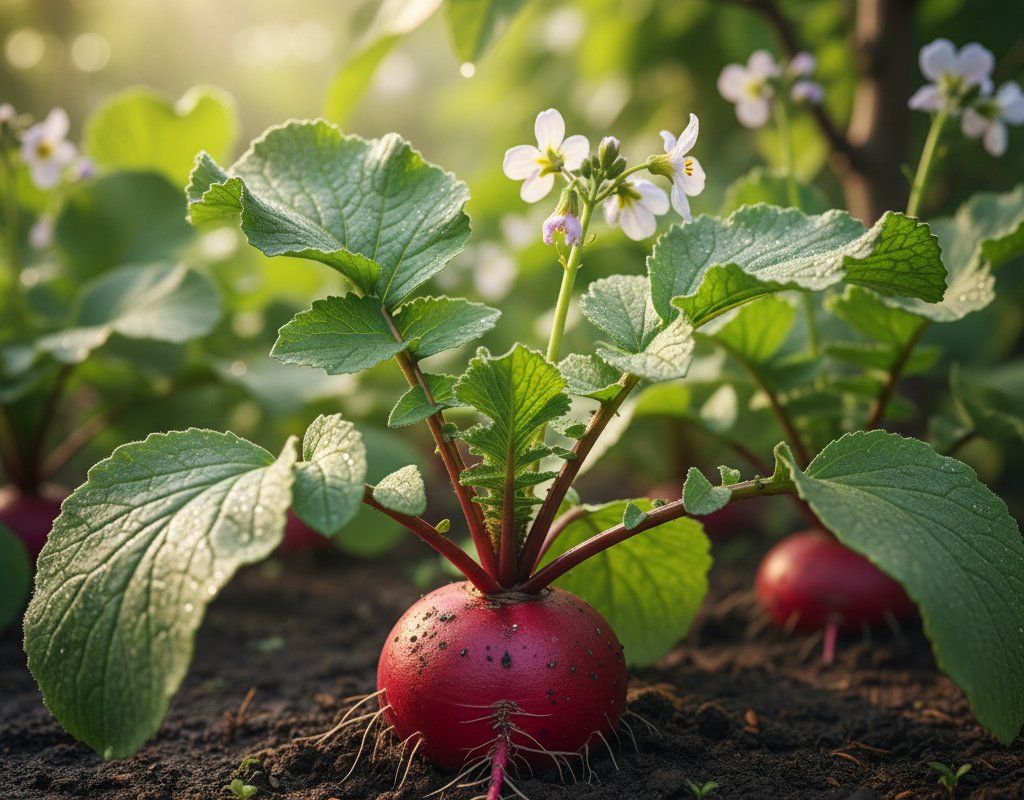
Radish in Zone 5A — Great Plains
Raphanus sativus · Your Complete 2026 Planting Guide
Planning Ahead — Great!
You’re ahead of the season. Here’s when to start.
Mark Your Calendar
How to Plant Radish in Zone 5A — Great Plains
Here are all your options for getting radish in the ground, from the easiest method to more advanced approaches.
Direct Sow Seeds
RecommendedLate March through early September
around March 28
Consider succession planting every 2-3 weeks for continuous harvest.
Fast-growing and easy. No reason to start indoors.
Buy Starts
Works WellLate March through early May
around March 28
Plant purchased starts after last frost (April 25).
Start Seeds Indoors
ChallengingThis plant is typically not started indoors.
Transplant Outdoors
Timing InfoLate March through early May
around March 28
Can tolerate light frost, but wait for soil to be workable.
You have a nice window — no need to rush.
Fall Planting
Mid August through mid September
August 29 ideal · Direct sow for fall harvest
Plant a second crop in mid-summer for fall harvest. Radish actually prefers the cooling temperatures of fall.
Overview
Radishes are one of the most rewarding crops for Great Plains gardeners, delivering crisp, peppery roots in just 25 days from seed to harvest. Our intense prairie sunshine and fertile soil create perfect conditions for these fast-growing brassicas, while their quick maturity lets you squeeze multiple plantings into our 168-day growing season. You can start harvesting fresh radishes while your tomatoes are still seedlings, and keep planting successively through early fall for continuous harvest.
The Great Plains presents some challenges with our extreme temperature swings and variable rainfall, but radishes are naturally hardy and forgiving. Their brief growing window means you can work around our unpredictable spring weather and scorching summer heat. With proper timing, you'll have fresh radishes on your table from late April through the first frost in early October.
Transplanting Outdoors
While you *can* transplant radishes, there's really no compelling reason to do so in the Great Plains. These fast-growing crops mature so quickly that the time spent starting seeds indoors and hardening off plants actually delays your harvest compared to direct sowing.
If you do choose to transplant - perhaps to fill gaps in your garden - plant your seedlings from late March through early May, spacing them 2-4 inches apart. Give transplants a week of gradual outdoor exposure to harden them off, paying special attention to our variable spring weather. A sudden temperature drop or late-season snowstorm can shock tender transplants.
Your transplanted radishes will face the same wind and temperature swings as direct-sown crops, but they'll have less time to develop strong root systems before our summer heat arrives. For best results in Plains conditions, stick with direct sowing.
Direct Sowing
Direct sowing is absolutely the way to go with radishes in the Great Plains. You can plant from late March through early September, taking advantage of our long growing season and avoiding the hassle of indoor seed starting. Plant seeds as soon as you can work the soil in spring - radishes actually prefer cool weather and will bolt quickly once summer heat arrives.
Prepare your beds by working compost into our naturally fertile prairie soil, then plant seeds ½ inch deep and 2-4 inches apart. The soil temperature doesn't need to be warm - radishes will germinate in soil as cool as 40°F, making them perfect for our unpredictable spring weather. For continuous harvest, make small plantings every two weeks through late summer.
Our intense sunshine and good drainage create ideal conditions for quick germination, usually within 4-7 days. The key is keeping the soil consistently moist during this brief germination window, which can be challenging with our variable spring rainfall and persistent winds.
Watering Radish in Zone 5A (Great Plains)
Radishes need consistent moisture throughout their brief 25-day growing cycle, and this becomes critical in our hot Plains summers with variable rainfall. Unlike drought-tolerant crops that can handle our dry spells, radishes stressed by inconsistent watering become pithy and fiery-hot instead of crisp and mildly peppery. You'll need about 1 inch of water per week, including rainfall.
Use the finger test to check soil moisture - if it's dry 2 inches down, it's time to water. During our typical 93°F summer days, you may need to water every 2-3 days, especially with our persistent winds accelerating moisture loss. Water at the base of plants rather than overhead; our low-to-moderate humidity means foliar watering isn't necessary and can waste water to evaporation.
In spring and fall, when temperatures are cooler and humidity higher, you can often rely more on natural rainfall. However, our precipitation varies dramatically from 15-35 inches annually, so always monitor soil moisture rather than assuming rainfall is adequate. Watch for signs of water stress: leaves becoming dull or wilted, and roots that feel spongy rather than firm and crisp.
A thin layer of grass clippings or straw mulch helps retain moisture and protects roots from our temperature extremes, but keep mulch light - heavy mulching can slow growth in cool spring soil and harbor pests in our variable climate.
🧪Fertilizing Radish
Feeding Schedule
Organic Fertilizer Options
Harvest Time
Your first radishes will be ready for harvest from late April through mid-October, with spring plantings maturing fastest in our cool weather. Spring radishes typically reach harvest size in 25-30 days, while summer plantings may take slightly longer due to heat stress. Look for the shoulders of the roots pushing above the soil surface - this is your signal that they're approaching maturity.
Pull radishes when they reach about 1 inch in diameter for most spring varieties, though some specialty types may be smaller or larger at maturity. The roots should feel firm and crisp when gently squeezed. Don't leave them in the ground too long - our summer heat causes radishes to turn woody and bitter quickly, sometimes within just a few days of peak ripeness.
Harvest by grasping the leaves close to the soil and pulling straight up with a gentle twisting motion. Our prairie soil is usually loose enough that roots come up easily. If you encounter resistance, loosen the soil around the radish with a hand fork rather than yanking, which can break the root.
As our first frost approaches in early October, harvest all remaining radishes regardless of size. Unlike some root crops, radishes don't improve after frost and will become mushy if left in frozen ground. Your final fall plantings, started in mid-August through mid-September, should finish just before the growing season ends.
Common Problems in Zone 5A (Great Plains)
Flea Beetles Small round holes appearing in radish leaves, creating a distinctive shot-hole pattern, indicate flea beetles. These tiny dark beetles jump when disturbed and cause the most damage to young seedlings when they're most vulnerable. In the Great Plains, flea beetles thrive in our warm, dry conditions and can quickly devastate newly emerged radish seedlings.
The beetles overwinter in garden debris and emerge when soil temperatures warm in spring. Row covers provide the best protection during the critical first few weeks after planting. You can also delay planting until plants are larger and more resilient, or apply kaolin clay coating to make leaves less appealing. Healthy plants growing in consistently moist soil usually outgrow the damage once established.
Pithy Roots Radishes that feel spongy rather than crisp, or taste fiery-hot instead of mildly peppery, have developed pithy roots. This common problem in Plains gardens stems from inconsistent watering, excessive heat, or leaving roots in the ground too long. Our variable rainfall and hot summer temperatures create perfect conditions for this issue.
Prevent pithy roots by maintaining consistent soil moisture throughout the growing cycle and harvesting promptly when roots reach maturity. Plant radishes for late spring and early fall harvest to avoid the worst summer heat. Successive small plantings work better than large plantings that mature all at once during hot weather.
Root Maggots Stunted plants with yellowing leaves may indicate root maggots - small white larvae feeding on radish roots below ground. Adult flies lay eggs near plant stems, and the resulting maggots tunnel into developing roots. Our loose prairie soil provides easy access for egg-laying flies, making this a persistent Plains problem.
Prevent root maggots by covering beds with row covers immediately after planting, keeping them in place until harvest. Beneficial nematodes applied to soil can help control larvae, and crop rotation prevents buildup of overwintering pupae. Avoid fresh manure, which attracts egg-laying flies.
Great Plains Specific Challenges: Our combination of hot summer heat, low-to-moderate humidity, and variable rainfall creates particular challenges for radishes. The key to success is timing plantings for cooler weather and maintaining consistent moisture despite our unpredictable precipitation and persistent winds that accelerate soil drying.
Best Companions for Radish
Plant these nearby for healthier Radish and better harvests.


Keep Away From
Companion Planting Details
Radishes make excellent companions for several crops in Great Plains gardens. Plant them alongside carrots - radishes mature quickly and break up soil for the slower-developing carrot roots, while their peppery scent may help deter carrot rust flies. Lettuce and radishes share similar water and temperature preferences, making them natural partners for spring and fall plantings. The quick-maturing radishes will be harvested before they compete with lettuce for space.
Peas and radishes work well together since both prefer cool weather and can be planted early in our variable spring climate. Radishes also pair nicely with cucumbers - they'll be harvested long before the spreading cucumber vines need the space, and their presence may help deter cucumber beetles. Avoid planting radishes near hyssop, which can stunt their growth and affect their flavor development in our intense prairie sunshine.
🌸Best Flowers to Plant with Radish
These flowers protect your Radish from pests and attract pollinators for better harvests.



Get a Reminder When It's Time to Plant
We'll email you when key planting windows open for your zone.