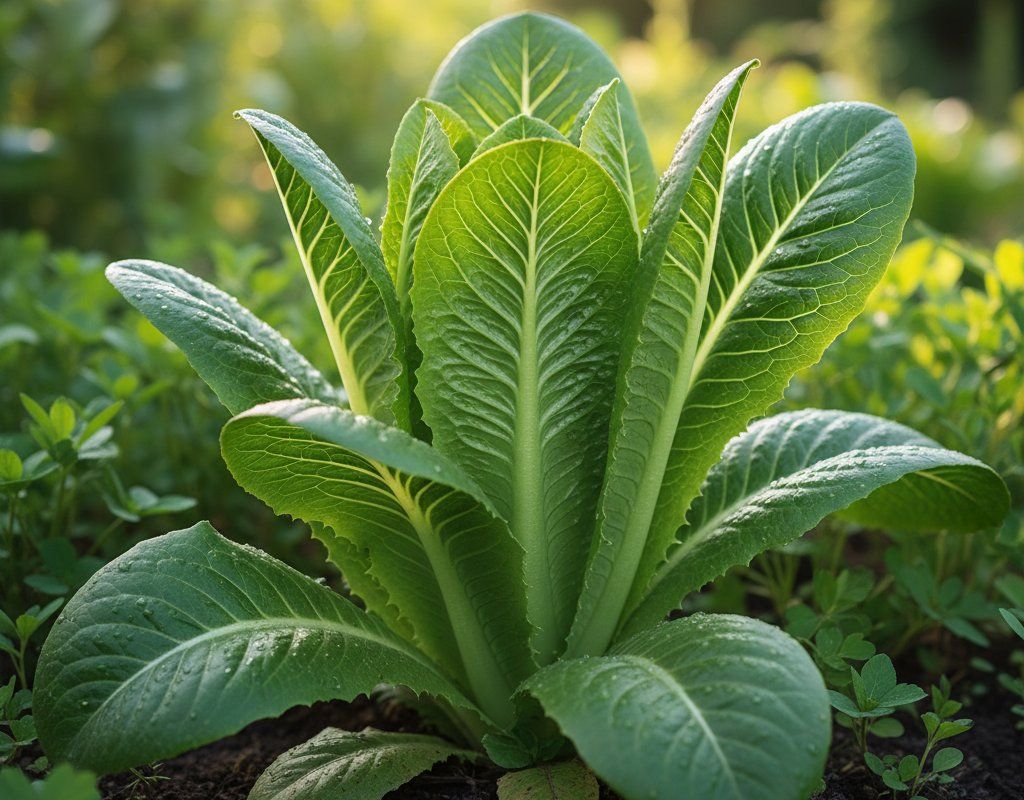
Romaine Lettuce in Zone 6B — Mid-Atlantic
Lactuca sativa var. longifolia · Your Complete 2026 Planting Guide
Last Call for Seed Starting!
Indoor seed starting window closes in 9 days.
Start Seeds This Week
Start seeds now for transplanting later.
Or Wait for Starts
If you don’t want to start seeds, starts will be available around March 27.
How to Plant Romaine Lettuce in Zone 6B — Mid-Atlantic
Here are all your options for getting romaine lettuce in the ground, from the easiest method to more advanced approaches.
Direct Sow Seeds
RecommendedMid March through early August
around March 13
Consider succession planting every 2-3 weeks for continuous harvest.
Start Seeds Indoors
RecommendedMid February through mid March
around February 27
Then transplant: Late March through late April
Start seeds 4-6 weeks before transplanting outdoors.
Buy Starts
Works WellLate March through late April
around March 27
Plant purchased starts after last frost (April 10).
Transplant Outdoors
Timing InfoLate March through late April
around March 27
Can tolerate light frost, but wait for soil to be workable.
You have a nice window — no need to rush.
Fall Planting
Early August through early September
August 23 ideal · Direct sow for fall harvest
Plant a second crop in mid-summer for fall harvest. Romaine Lettuce actually prefers the cooling temperatures of fall.
Overview
Romaine lettuce is a fantastic addition to any Mid-Atlantic garden. Its crisp texture and mild flavor make it incredibly versatile in salads, wraps, and even grilled dishes. Plus, there's nothing quite like the satisfaction of harvesting fresh, homegrown lettuce for a BLT on a warm summer evening.
While our region's humid summers and unpredictable spring weather can present challenges, Romaine lettuce is a relatively easy crop to manage with proper timing. Our long, 198-day growing season gives you plenty of opportunities for both spring and fall harvests.
Starting Seeds Indoors
Starting Romaine lettuce indoors is an option, particularly if you want a head start on the season or are aiming for an early spring harvest. Begin your seeds indoors from mid-February through mid-March, about four weeks before you plan to transplant them outside.
Use seed trays or small pots filled with a good seed-starting mix. Keep the soil consistently moist by bottom watering – set the tray in a shallow dish of water and let the soil absorb it from the bottom. This helps prevent damping-off disease. Place the trays in a warm spot with plenty of light; a sunny windowsill or grow lights work well. Our moderate spring weather means you'll want to keep an eye on soil temps.
Transplanting Outdoors
Transplant your Romaine lettuce seedlings outdoors from late March through late April, once the danger of hard frost has passed. Before transplanting, harden off the seedlings by gradually exposing them to outdoor conditions for about a week.
Choose a spot with full sun to partial shade and well-drained soil. Space the plants 8-10 inches apart. Keep an eye on the weather forecast; a late frost can still hit us this time of year, so be prepared to cover the seedlings if necessary.
Direct Sowing
Direct sowing Romaine lettuce is a straightforward method, especially for succession planting throughout the growing season. Sow seeds directly into the garden from mid-March through early August.
Prepare the soil by loosening it and adding compost or other organic matter. Sow seeds about ¼ inch deep and space them 8-10 inches apart, or thin seedlings to that spacing later. Keep the soil consistently moist until the seeds germinate. Direct sowing avoids transplant shock, but you'll need to be diligent about weeding and pest control.
Watering Romaine Lettuce in Zone 6B (Mid-Atlantic)
Maintaining consistent moisture is key to growing crisp, tender Romaine lettuce in our humid Mid-Atlantic climate. Aim for about 1 inch of water per week, whether from rainfall or irrigation.
Check the soil moisture regularly by using the "finger test": stick your finger into the soil about 2 inches deep. If it feels dry, it's time to water. Water at the base of the plants to avoid wetting the leaves, which can promote fungal diseases in our humid summers.
Signs of underwatering include wilting leaves and stunted growth. Overwatering, on the other hand, can lead to root rot and yellowing leaves. A layer of mulch, such as straw or shredded leaves, will help retain soil moisture and keep the soil cool, particularly during the hotter months.
🧪Fertilizing Romaine Lettuce
Feeding Schedule
Organic Fertilizer Options
Harvest Time
You can expect your first Romaine lettuce harvest from mid-May through early November, depending on when you planted. Romaine lettuce is ready to harvest when the outer leaves are 6-8 inches long, or when the whole head feels firm and full-sized.
To harvest, you can either cut off the outer leaves as needed, allowing the plant to continue producing, or harvest the entire head at once. Cut the head at the base, leaving about an inch of the stem. For continuous production, focus on harvesting outer leaves.
As the first frost approaches in late October, consider covering your lettuce with a frost blanket to extend the harvest a bit longer. You may even be able to overwinter some plants with adequate protection.
Common Problems in Zone 6B (Mid-Atlantic)
Here are some common problems you might encounter growing Romaine lettuce in the Mid-Atlantic:
Bolting in Heat
- What it looks like: A tall flower stalk emerges from the center of the lettuce head. The leaves become bitter and tough.
- What causes it: Extended periods of warm weather, especially when temperatures consistently exceed 80°F. Our humid summers definitely contribute.
- How to fix/prevent it: Time your plantings for cooler weather (spring and fall). Choose bolt-resistant varieties. Provide shade during warm spells with shade cloth. Mulch well to keep the soil cool. Harvest lettuce before bolting progresses too far.
Aphids
- What it looks like: Clusters of tiny green, black, or white insects on stems and undersides of leaves. Sticky honeydew residue. Curled or distorted new growth.
- What causes it: Rapidly reproducing sap-sucking insects that thrive in warm weather. Ant colonies often protect them.
- How to fix/prevent it: Knock aphids off with a strong spray of water. Encourage natural predators like ladybugs and lacewings. Use insecticidal soap for heavy infestations. Neem oil can also be effective. Avoid over-fertilizing with nitrogen.
Slugs
- What it looks like: Irregular holes in leaves, especially on lower leaves. Silvery slime trails on leaves and soil. Damage is worse at night and in wet weather.
- What causes it: Slugs are gastropods that feed at night in moist conditions. They hide under mulch and debris during the day.
- How to fix/prevent it: Use beer traps (shallow dishes of beer sunk into the soil). Apply iron phosphate bait (safe for pets). Remove hiding spots like piles of leaves or boards. Water in the morning so the soil surface dries out by evening. Copper tape around beds can deter them. Diatomaceous earth can also be helpful.
Tip Burn
- What it looks like: Brown, dried edges on inner lettuce leaves, sometimes affecting outer leaves.
- What causes it: Calcium uptake problems due to inconsistent watering, exacerbated by high temperatures. Think of it like blossom end rot in tomatoes.
- How to fix/prevent it: Water consistently, especially during hot, dry spells. Avoid fertilizers high in ammonium nitrogen. Ensure good soil calcium levels. Choose resistant varieties. Provide shade during the hottest part of the day.
Mid-Atlantic Specific Challenges: Our moderate-to-hot, humid summers and even rainfall patterns mean that bolting and fungal diseases are significant concerns for Romaine lettuce. Consistent watering is crucial to prevent tip burn, but be mindful of overwatering in our humid environment. Keep a close eye out for slugs and aphids, as they thrive in our warm, moist conditions.
Best Companions for Romaine Lettuce
Plant these nearby for healthier Romaine Lettuce and better harvests.
View Full Companion Planting Chart →



Companion Planting Details
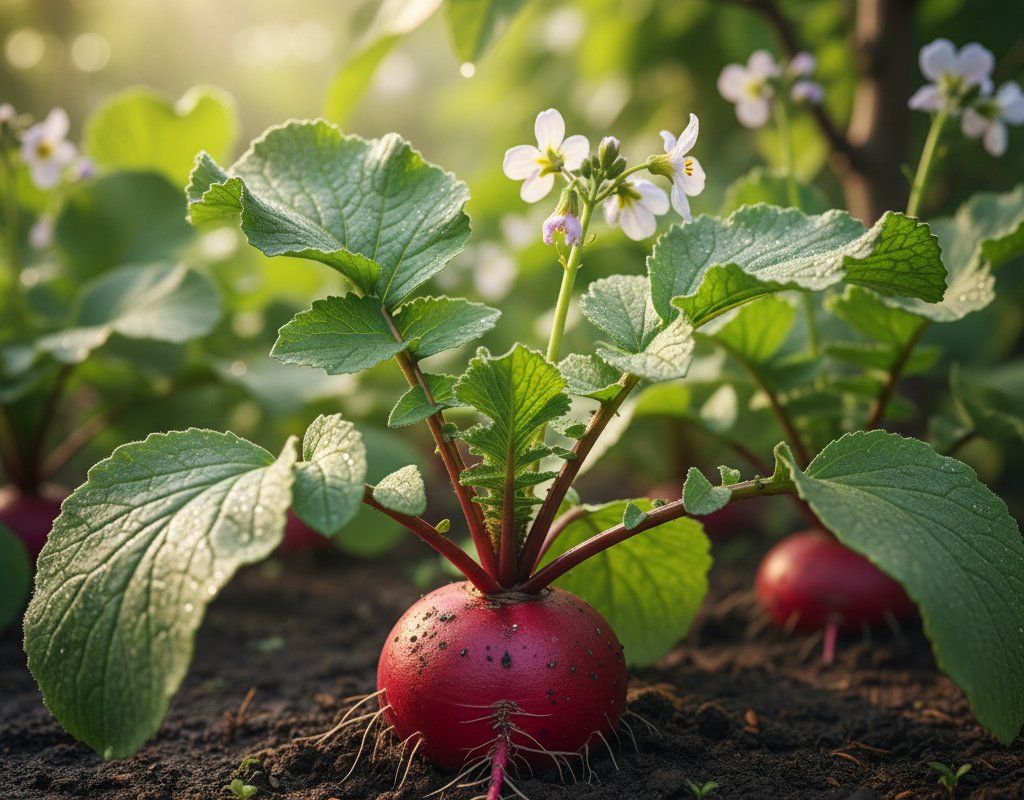
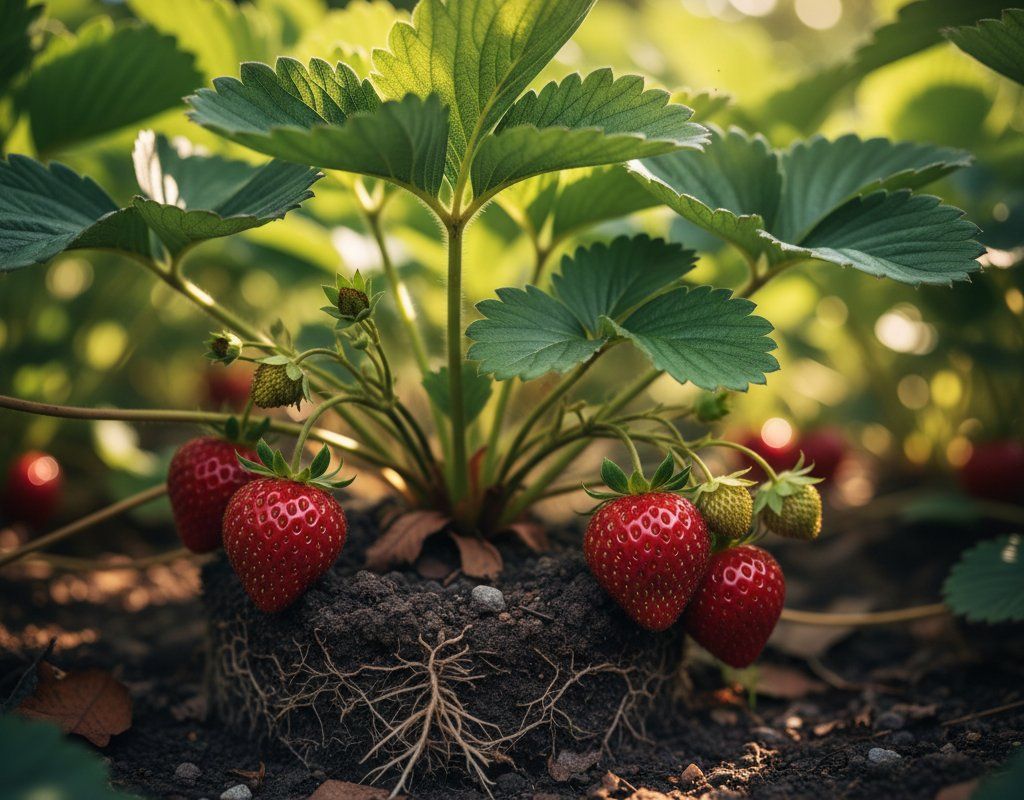
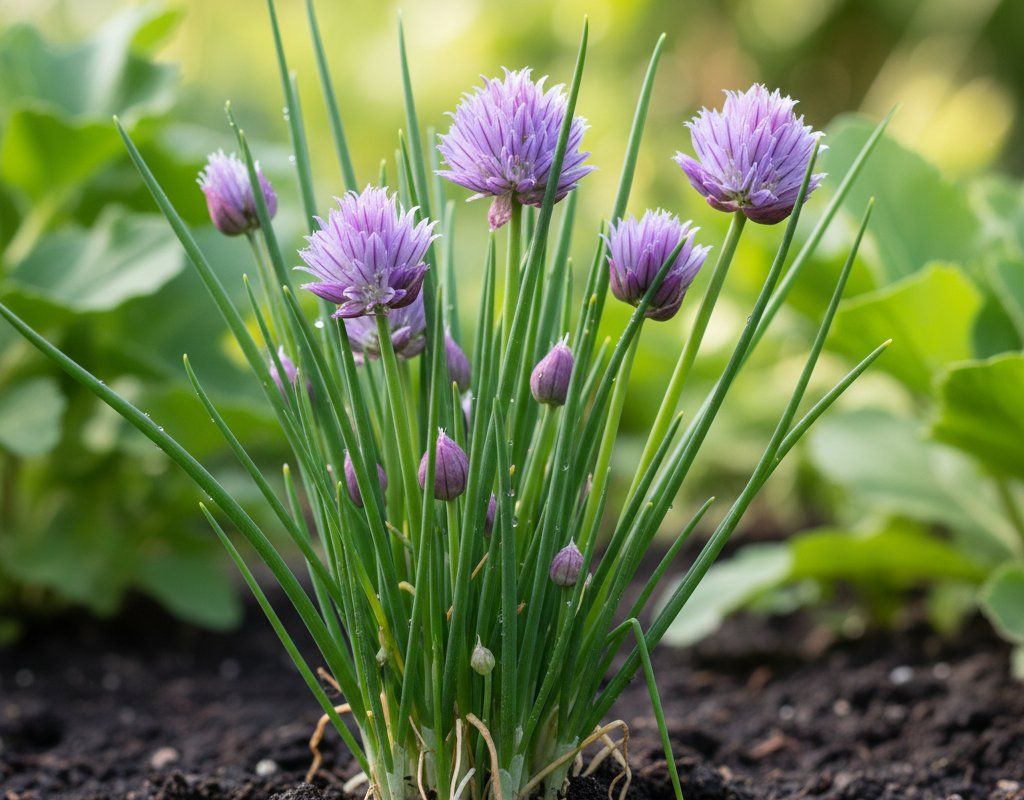
Companion planting can be a great way to improve the health and productivity of your Romaine lettuce. Carrots are good companions because their scent can deter lettuce aphids. Radishes can help break up the soil and are quick to mature, so they can be harvested before the lettuce needs the space. Strawberries make good ground cover and help retain moisture, while chives and onions can deter pests with their strong scent.
Avoid planting Romaine lettuce near celery and parsley. Celery competes for nutrients, and parsley attracts swallowtail butterflies, whose caterpillars can munch on your lettuce.
🌸Best Flowers to Plant with Romaine Lettuce
These flowers protect your Romaine Lettuce from pests and attract pollinators for better harvests.
For Pest Control

For Pollinators

Get a Reminder When It's Time to Plant
We'll email you when key planting windows open for your zone.