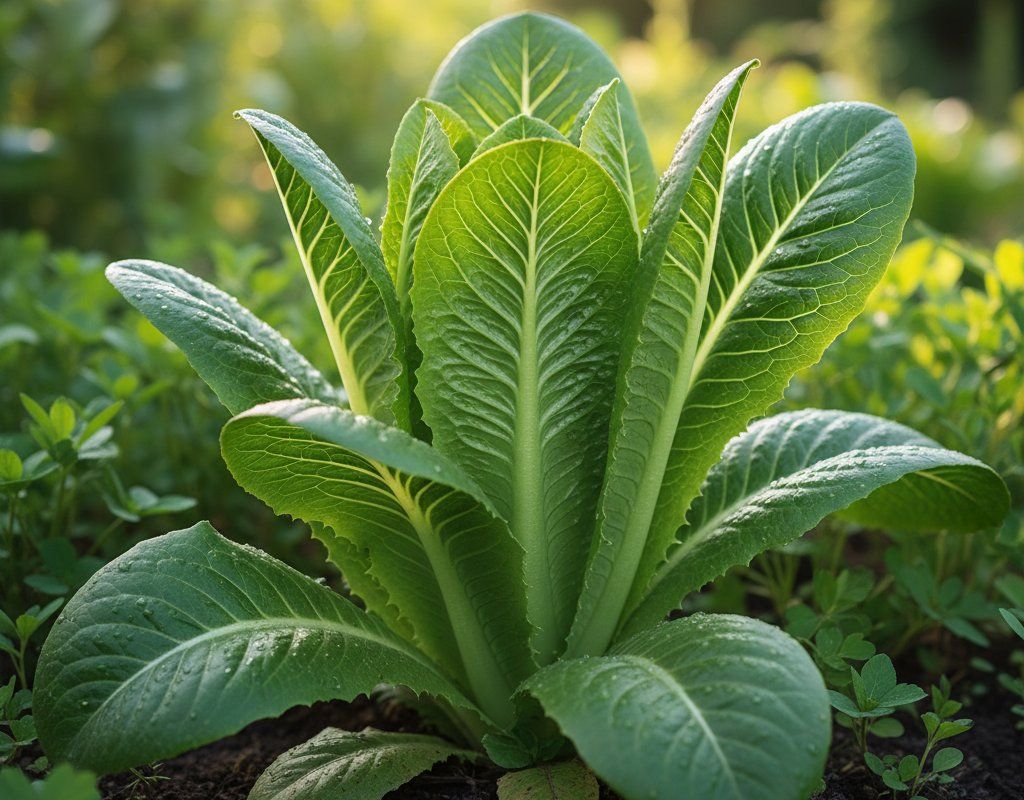
Romaine Lettuce in Zone 9A — Northern California
Lactuca sativa var. longifolia · Your Complete 2026 Planting Guide
Time to Buy Starts!
Seed starting window passed, but starts are available now.
Buy Starts Now
Head to your local nursery, Home Depot, or farmers market for transplants.
- Look for stocky plants with dark green leaves
- Avoid leggy seedlings or plants already flowering
- Check that roots aren't circling the pot (rootbound)
How to Plant Romaine Lettuce in Zone 9A — Northern California
Here are all your options for getting romaine lettuce in the ground, from the easiest method to more advanced approaches.
Direct Sow Seeds
RecommendedLate January through mid September
around January 23
Consider succession planting every 2-3 weeks for continuous harvest.
Start Seeds Indoors
RecommendedEarly to late January
around January 9
Then transplant: Early February through early March
Start seeds 4-6 weeks before transplanting outdoors.
Buy Starts
Works WellEarly February through early March
around February 6
Plant purchased starts after last frost (February 20).
Transplant Outdoors
Timing InfoEarly February through early March
around February 6
Can tolerate light frost, but wait for soil to be workable.
You have a nice window — no need to rush.
Fall Planting
Mid September through mid October
October 3 ideal · Direct sow for fall harvest
Plant a second crop in mid-summer for fall harvest. Romaine Lettuce actually prefers the cooling temperatures of fall.
Overview
Romaine lettuce is a fantastic addition to any Northern California garden. Its crisp texture and mild flavor make it incredibly versatile for salads, wraps, and even grilling. Plus, the satisfaction of harvesting fresh, vibrant greens from your own backyard, especially in our Mediterranean climate, is hard to beat.
Our long growing season here in Zone 9A means we can enjoy Romaine for a good portion of the year. While we do face challenges like periodic drought and summer heat, careful planning and water-wise gardening techniques will help you grow a thriving crop of Romaine lettuce. You have about 288 days to get it right.
Starting Seeds Indoors
Starting Romaine lettuce indoors is an option, but direct sowing often works just as well in our mild climate. If you want a head start, especially for an early spring harvest, start seeds indoors from early to late January, about four weeks before you plan to transplant. Use seed trays or small pots filled with a good seed-starting mix.
Keep the soil consistently moist, using bottom watering to avoid disturbing the tiny seeds. A warm location and grow lights are beneficial, especially if you're starting seeds before our typically early spring.
Transplanting Outdoors
Transplant your Romaine seedlings outdoors from early February through early March. Before transplanting, harden them off by gradually exposing them to outdoor conditions for about a week. This helps them adjust to the sun and wind.
Space the plants 8-10 inches apart in well-drained soil. Keep an eye on the weather forecast; an unexpected late frost can still happen, so be prepared to cover your seedlings if needed.
Direct Sowing
Direct sowing Romaine lettuce is an easy and effective method in our Northern California climate. You can direct sow from late January through mid September, giving you a long window for succession planting. Choose a spot with full sun to partial shade and prepare the soil by loosening it and adding compost.
Sow seeds about ¼ inch deep and 8-10 inches apart. Keep the soil consistently moist until the seedlings emerge, which usually takes about a week. Thin the seedlings as needed to ensure proper spacing.
Watering Romaine Lettuce in Zone 9A (Northern California)
Romaine lettuce needs consistent moisture to produce crisp, tender leaves, especially during our dry summers. A good rule of thumb is to water deeply whenever the top 2 inches of soil feel dry to the touch. This is your "finger test."
During the cooler months, you might only need to water once or twice a week, providing about 1 inch of water each time. As the weather warms up, especially in the late spring and summer, you may need to water more frequently, possibly every other day. Aim for about 1-2 inches of water per week during the hottest periods. Water at the base of the plants to avoid wetting the leaves, which can encourage fungal diseases in some microclimates.
Signs of underwatering include wilting leaves and stunted growth. Overwatering can lead to root rot, so watch out for yellowing leaves and a soggy soil. Applying a layer of mulch around your lettuce plants helps retain moisture and keeps the soil cool, which is especially helpful during our dry summers and water restrictions.
🧪Fertilizing Romaine Lettuce
Feeding Schedule
Organic Fertilizer Options
Harvest Time
You can expect your first Romaine lettuce harvest from late March through mid December, depending on when you planted. Romaine is ready to harvest about 65 days after planting. You can harvest outer leaves when they are 6-8 inches long for a continuous harvest, or wait until the whole head is firm and full-sized.
To harvest, either cut individual leaves or cut the entire head at the base with a sharp knife. Harvest in the morning for the best flavor and texture. As first frost approaches in early December, harvest any remaining heads to prevent damage.
Common Problems in Zone 9A (Northern California)
Here are some common problems you might encounter growing Romaine lettuce in Northern California:
Bolting in Heat
- What it looks like: A tall flower stalk emerges from the center of the lettuce head. The leaves become tough and bitter.
- What causes it: Extended warm temperatures above 80°F trigger bolting. This is common in our region as summer approaches.
- How to fix/prevent it: Time your plantings for cooler weather. Choose bolt-resistant varieties. Provide shade with row covers or shade cloth during warm spells. Mulch to keep the soil cool. Harvest promptly as soon as you see signs of bolting.
Aphids
- What it looks like: Clusters of tiny green, black, or white insects on stems and leaf undersides. Sticky honeydew residue. Curled or distorted new growth.
- What causes it: These sap-sucking insects thrive in warm weather and can quickly multiply.
- How to fix/prevent it: A strong spray of water can knock them off. Encourage beneficial insects like ladybugs. Use insecticidal soap for heavy infestations. Avoid over-fertilizing with nitrogen.
Slugs
- What it looks like: Irregular holes in leaves, especially on lower leaves. Silvery slime trails on leaves and soil.
- What causes it: Slugs are active at night and thrive in moist conditions.
- How to fix/prevent it: Use beer traps or iron phosphate bait. Remove hiding spots like mulch and debris near the plants. Water in the morning so the soil surface dries out by evening. Diatomaceous earth can also be effective.
Tip Burn
- What it looks like: Brown, dried edges on inner lettuce leaves.
- What causes it: A calcium uptake problem caused by inconsistent watering, especially during hot weather.
- How to fix/prevent it: Water consistently and deeply. Avoid fertilizers high in ammonium nitrogen. Ensure good soil calcium levels. Choose resistant varieties and provide shade during particularly hot periods.
Northern California Specific Challenges: Our moderate-to-hot summers, combined with low humidity and dry-summer rainfall, mean that bolting and consistent watering are the biggest concerns for growing Romaine lettuce here. Pay close attention to soil moisture, provide shade when needed, and choose bolt-resistant varieties to maximize your harvest.
Best Companions for Romaine Lettuce
Plant these nearby for healthier Romaine Lettuce and better harvests.
View Full Companion Planting Chart →




Companion Planting Details
Companion planting can help your Romaine lettuce thrive in Northern California.
Good companions:
- Carrots: They deter lettuce root aphids and their different root depths reduce competition for nutrients.
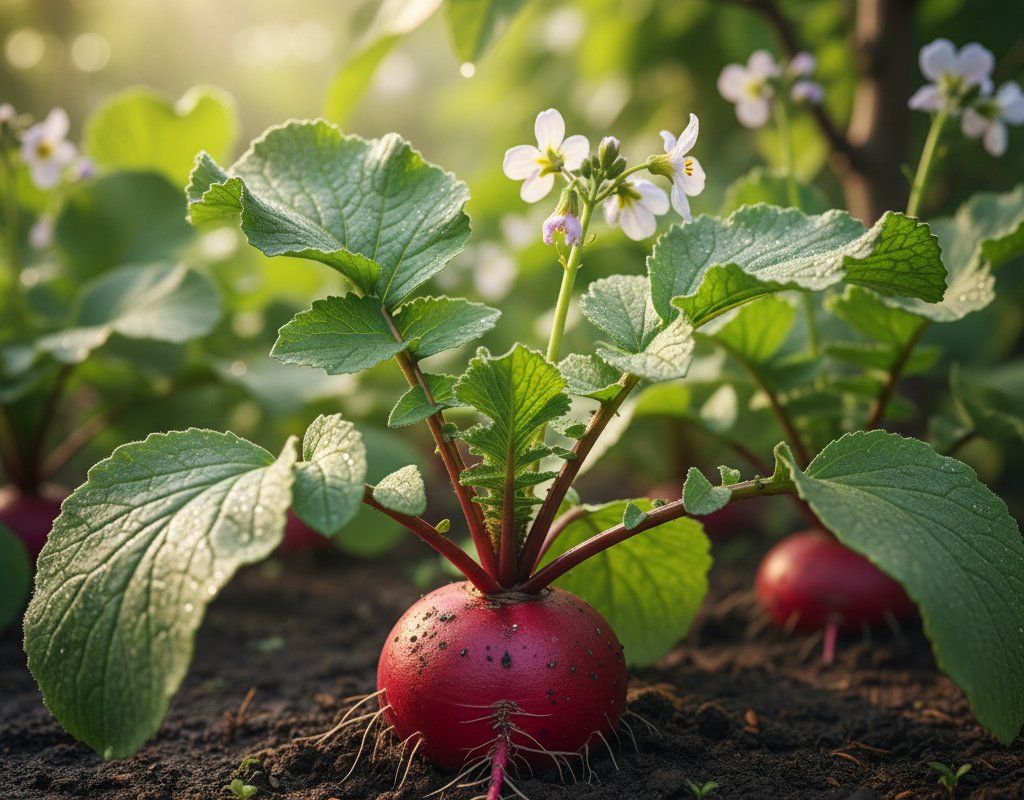
- Radishes: They act as a trap crop for flea beetles, drawing them away from your lettuce.
- Strawberries: They provide ground cover, helping to retain moisture and suppress weeds.
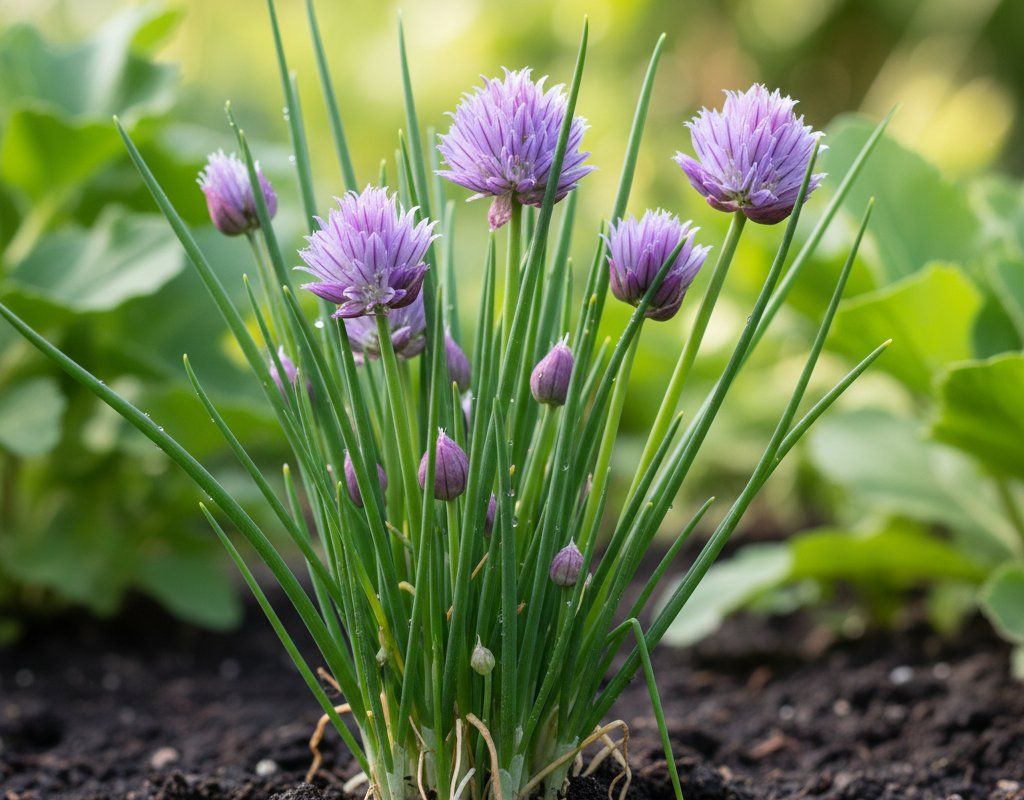
- Chives and Onions: These alliums repel aphids and other pests with their strong scent.
Bad companions:
- Celery and Parsley: They compete for the same nutrients in the soil and can attract similar pests.
🌸Best Flowers to Plant with Romaine Lettuce
These flowers protect your Romaine Lettuce from pests and attract pollinators for better harvests.
For Pest Control

For Pollinators

Get a Reminder When It's Time to Plant
We'll email you when key planting windows open for your zone.