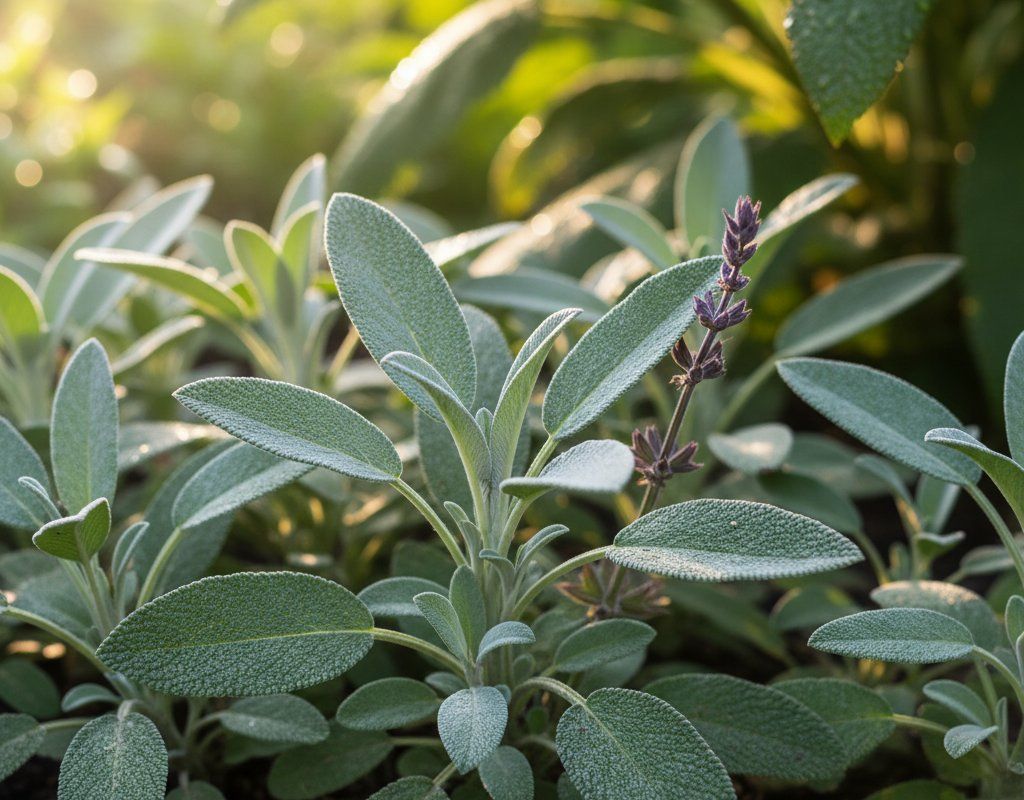
Sage in Zone 4B — Mountain West
Salvia officinalis · Your Complete 2026 Planting Guide
Planning Ahead — Great!
You’re ahead of the season. Here’s when to start.
Mark Your Calendar
How to Plant Sage in Zone 4B — Mountain West
Here are all your options for getting sage in the ground, from the easiest method to more advanced approaches.
Buy Starts
RecommendedMid May through mid June
around May 15
Plant purchased starts after last frost (May 15).
Sage grows moderately from seed, but starts are widely available.
Start Seeds Indoors
Works WellLate March through mid April
around April 3
Then transplant: Mid May through mid June
Start seeds 6-8 weeks before transplanting outdoors.
Direct Sow Seeds
Works WellMid May through late June
around May 15
Consider succession planting every 2-3 weeks for continuous harvest.
Transplant Outdoors
Timing InfoMid May through mid June
around May 15
Can tolerate light frost, but wait for soil to be workable.
You have a nice window — no need to rush.
Overview
Sage is a fantastic addition to any Mountain West garden. Its earthy flavor elevates everything from roasted meats to stuffing, and the silvery-green foliage adds beauty to your herb garden. Plus, growing your own means you get a fresher, more flavorful product than anything you'll find at the store, especially considering our cool nights often intensify the flavor of herbs.
Our high altitude, intense sun, and short growing season here in Zone 4B present some unique challenges. But with careful timing and a little planning, you can absolutely enjoy a thriving Sage plant. With our typical 128-day growing season, you have plenty of time to get a harvest if you start smart.
Starting Seeds Indoors
Starting Sage indoors in the Mountain West isn't essential, but it can give you a head start, especially if you want a more mature plant for your first harvest. If you choose to start indoors, aim for late March through mid April, about six weeks before you plan to transplant outdoors.
Use seed trays with a good seed-starting mix and provide warmth and bright light – a sunny windowsill or grow lights work well. Bottom watering is a great way to keep the soil evenly moist without overwatering, which Sage seedlings dislike. Remember that even with our intense sun, our springs are often cool and late, so indoor starting gives warmth that our outdoor conditions don't.
Transplanting Outdoors
Transplanting Sage outdoors in the Mountain West should happen after the danger of frost has passed, typically mid May through mid June. Before transplanting, harden off your seedlings by gradually exposing them to outdoor conditions for about a week.
Space your Sage plants 18-24 inches apart to allow for good air circulation. Keep an eye on the weather forecast – late spring frosts can still happen, even here! If frost threatens, cover your transplants with row covers or blankets. You can easily find healthy Sage starts at local nurseries, which is a great option if you prefer to skip starting from seed.
Direct Sowing
Direct sowing Sage is definitely an option in our Mountain climate, though it takes a bit longer to get a harvest. Sow seeds mid May through late June, once the soil has warmed up.
Prepare your garden bed by loosening the soil and removing any rocks or debris. Sage prefers well-drained soil, so amend with compost if needed. Sow seeds about ¼ inch deep and space them 18-24 inches apart. Keep the soil consistently moist until the seedlings emerge. Direct sowing can be a bit slower, but it avoids the stress of transplanting.
Watering Sage in Zone 4B (Mountain West)
Sage is drought-tolerant once established, which is a huge advantage in our dry Mountain West climate. Overwatering is far more detrimental than underwatering, and it can actually diminish the flavor of the leaves.
During the first few weeks after planting, water regularly to help your Sage establish a strong root system. After that, water deeply but infrequently, allowing the soil to dry out between waterings. A good way to check is the "finger test": stick your finger about 2 inches deep into the soil. If it feels dry, it's time to water. Generally, an inch of water per week is sufficient, depending on rainfall.
Water at the base of the plant rather than overhead to minimize the risk of fungal diseases, especially given our low humidity. Signs of underwatering include wilting or drooping leaves. Overwatering can lead to yellowing leaves and potentially root rot. A light layer of mulch around the base of the plant can help conserve moisture and suppress weeds, but don't overdo it, as we want the soil to dry.
Pruning & Maintaining Sage
Pruning Sage is pretty straightforward and helps keep it healthy and productive. In spring, after the last frost, prune your Sage plant to remove any woody growth and maintain its shape.
Cut back the plant by about 1/3, but avoid cutting into very old wood, as it may not regrow. Throughout the growing season, you can pinch back the tips of the stems to encourage bushier growth. As our short season winds down and first frost approaches around mid- September, stop pruning to allow the plant to harden off for winter.
🧪Fertilizing Sage
Feeding Schedule
Organic Fertilizer Options
Harvest Time
You can begin harvesting Sage leaves anytime during the growing season, starting around late July through late September. The flavor is often best in the morning after the dew has dried.
To harvest, simply snip off individual leaves or small stems with scissors or pruning shears. Avoid removing more than 1/3 of the plant at any one time to ensure continued production. Regular harvesting encourages new growth and keeps the plant productive. As frost approaches in mid- September, harvest as much Sage as you can and dry it for winter use.
Common Problems in Zone 4B (Mountain West)
Sage is generally a pretty easy plant to grow, but here are a few potential problems to watch out for in our Mountain West gardens:
Powdery Mildew
- What it looks like: A white or grayish powdery coating on leaves and stems. Leaves may curl, yellow, and eventually die.
- What causes it: Various fungi that thrive in warm days, cool nights, and moderate humidity. Surprisingly, dry leaf surfaces actually favor powdery mildew.
- How to fix/prevent it: Improve air circulation by spacing plants properly and pruning. Remove affected leaves promptly. Neem oil or potassium bicarbonate sprays can help. A milk spray (1 part milk to 9 parts water) can also be surprisingly effective.
Root Rot in Wet Soil
- What it looks like: Yellowing leaves, wilting, and stunted growth. The roots may appear brown and mushy.
- What causes it: Overwatering and poorly drained soil.
- How to fix/prevent it: Ensure well-drained soil. Water deeply but infrequently, allowing the soil to dry out between waterings. Avoid overwatering, especially during periods of heavy rainfall.
Spider Mites
- What it looks like: Fine stippling on leaves (tiny white dots). Fine webbing on leaf undersides and between stems. Leaves may turn bronze or yellow.
- What causes it: Tiny arachnids that thrive in hot, dry conditions. Populations can explode during periods of drought stress.
- How to fix/prevent it: A strong water spray (daily for a week) is often the best treatment. Increase humidity around plants. Neem oil or insecticidal soap can also be effective.
Mountain West Specific Challenges: Our low humidity can actually help prevent some fungal diseases in Sage, but it also means spider mites can become a problem quickly. Be vigilant about watering during dry spells and monitor your plants regularly for signs of pests or diseases. The intense sun can sometimes scorch leaves, so ensure adequate watering and consider providing some afternoon shade during the hottest part of the day.
Best Companions for Sage
Plant these nearby for healthier Sage and better harvests.
View Full Companion Planting Chart →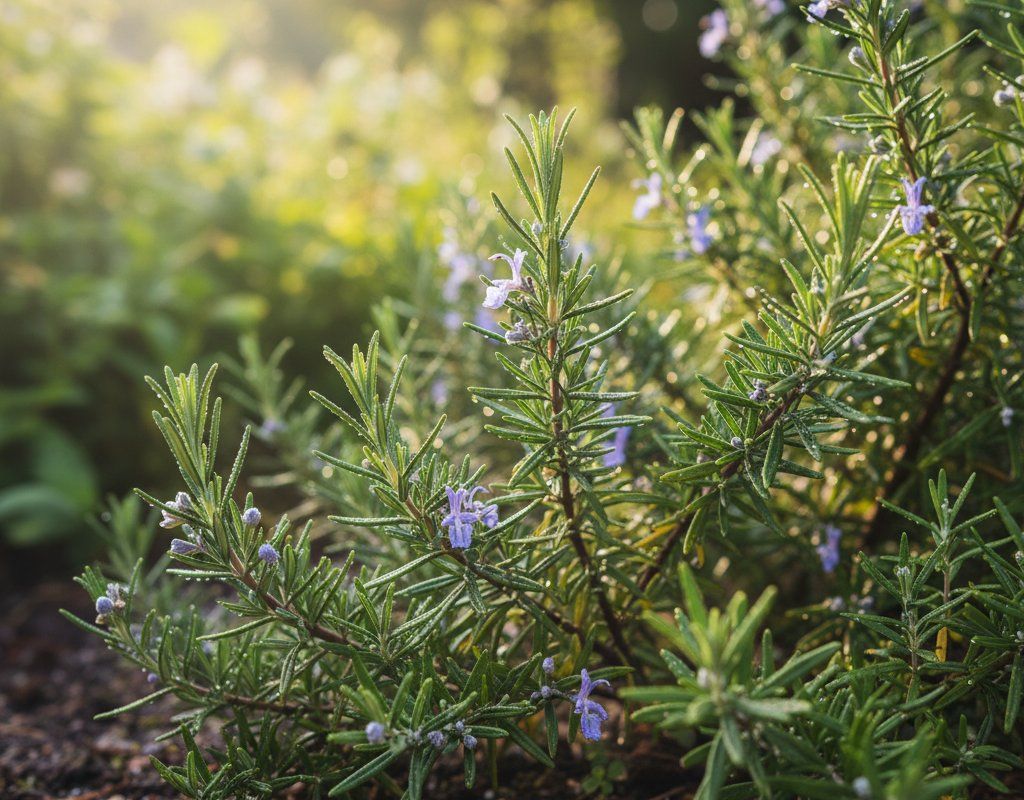






Companion Planting Details
Companion planting can really boost your Sage's health and productivity. Rosemary and thyme are excellent companions because they share similar growing requirements (full sun, well-drained soil) and can even deter pests. Lavender is another great choice, attracting beneficial pollinators to your garden.
Carrots and cabbage also benefit from being planted near Sage. Sage repels carrot root flies and cabbage moths, protecting these vulnerable crops. Avoid planting Sage near cucumbers or onions. Cucumbers tend to attract spider mites, which can then infest your Sage. Onions can inhibit Sage's growth.
🌸Best Flowers to Plant with Sage
These flowers protect your Sage from pests and attract pollinators for better harvests.
For Pest Control



Get a Reminder When It's Time to Plant
We'll email you when key planting windows open for your zone.