
Carrot in Zone 4B — Mountain West
Daucus carota · Your Complete 2026 Planting Guide
Planning Ahead — Great!
You’re ahead of the season. Here’s when to start.
Mark Your Calendar
How to Plant Carrot in Zone 4B — Mountain West
Here are all your options for getting carrot in the ground, from the easiest method to more advanced approaches.
Direct Sow Seeds
RecommendedEarly May through late June
around May 1
Consider succession planting every 2-3 weeks for continuous harvest.
Carrots have a taproot and don't transplant. Direct sow only.
Buy Starts
Works WellEarly to late May
around May 1
Plant purchased starts after last frost (May 15).
Start Seeds Indoors
ChallengingThis plant is typically not started indoors.
Transplant Outdoors
Timing InfoEarly to late May
around May 1
Can tolerate light frost, but wait for soil to be workable.
You have a nice window — no need to rush.
Fall Planting
Early July through early August
July 19 ideal · Direct sow for fall harvest
Plant a second crop in mid-summer for fall harvest. Carrot actually prefers the cooling temperatures of fall.
Overview
Carrots thrive in our Mountain West gardens, and there's nothing quite like pulling a sweet, crisp carrot from your own soil at 6,000 feet. Our intense high-altitude sun and cool summer nights create the perfect conditions for developing that deep, concentrated flavor that makes store-bought carrots pale in comparison. The moderate summer temperatures here mean carrots won't bolt or turn woody like they do in hotter climates, and our low humidity keeps fungal diseases at bay.
With our 128-day growing season and the challenge of late spring frosts, timing your carrot plantings takes some planning. But don't worry—carrots are remarkably forgiving once you understand our Mountain rhythm. Our alkaline soil and intense UV can present some hurdles, but proper soil preparation and strategic planting windows will have you harvesting perfect carrots from early summer through fall.
Transplanting Outdoors
Carrots develop a long taproot that makes transplanting nearly impossible without damaging the plant. Unlike many vegetables, carrots strongly resent root disturbance and will often fork, twist, or stop growing altogether if their taproot is damaged during transplanting.
For this reason, carrots should always be direct-sown in the Mountain West. Skip the indoor seed starting and transplant routine entirely—your carrots will be much healthier and straighter when grown from seed exactly where they'll mature. This actually works to our advantage here since our short growing season means we want every day of growth we can get, and direct-sown carrots establish faster than stressed transplants.
Direct Sowing
Direct sowing is your only option for carrots, and fortunately it works perfectly in our Mountain climate. Plant carrot seeds from early May through late June, waiting until soil temperatures consistently reach 45°F. In our high-altitude gardens, this usually means mid-May is your safest bet, but you can push it earlier if you're willing to cover with row covers during cold snaps.
Prepare your soil by working it deeply to at least 8 inches and removing all rocks and clods—carrots need loose, fine soil to develop straight roots. Our naturally alkaline soil benefits from some compost worked in, which also helps with moisture retention in our dry climate. Sow seeds ¼ inch deep and about ½ inch apart, then thin to 2-3 inches once seedlings are 2 inches tall.
Keep the soil consistently moist during the 2-3 week germination period, which can be challenging in our low humidity. Consider covering the seeded area with burlap or fine mesh to prevent moisture loss from our intense sun and drying winds. Once germinated, carrots become more drought tolerant, but consistent watering produces the best quality roots.
Watering Carrot in Zone 4B (Mountain West)
Carrots need consistent moisture, especially during their first few weeks when those tiny seeds are germinating in our dry Mountain air. Keep the soil evenly damp (not soggy) for the first 2-3 weeks after sowing—this is absolutely critical for good germination rates. Our low humidity and intense sun can dry out the top inch of soil quickly, so check daily during this crucial period.
Once established, carrots need about 1 inch of water per week, but our 10-20 inches of annual rainfall means you'll be supplementing regularly. Water deeply but less frequently to encourage strong taproot development. Use the finger test: stick your finger 2 inches into the soil next to your carrot rows—if it's dry at that depth, it's time to water. Our moderate summer temperatures mean you won't need the heavy watering schedule required in hotter climates.
Water at soil level rather than overhead to prevent foliar diseases and conserve moisture in our arid climate. Overhead watering also wastes water to evaporation in our dry air and can cause the soil to crust, making it harder for carrot seedlings to emerge. Signs of underwatering include wilting tops and bitter, woody roots, while overwatering causes root rot and forking.
A light mulch of straw or grass clippings helps retain moisture and keeps our alkaline soil from crusting, but keep it thin—thick mulch can harbor carrot rust flies and create cool, damp conditions that carrots don't prefer in our climate.
🧪Fertilizing Carrot
Feeding Schedule
Organic Fertilizer Options
Harvest Time
Your first carrots will be ready for harvest about 70 days after sowing, which typically means early July for your earliest plantings and continuing through late September. Look for carrot shoulders (tops) that are about ¾ inch in diameter peeking above the soil surface—this is your best indicator of size below ground. Baby carrots can be harvested even smaller if you prefer tender, sweet roots.
To harvest, gently loosen the soil around the carrot with a fork or your fingers, then pull straight up by grasping the green tops close to the root. Our often-compacted clay soils can make this challenging, so don't be afraid to dig around the carrot first. If the tops break off, use a fork to carefully dig out the root—it's still perfectly good to eat.
Carrots actually improve in flavor after a light frost, so don't rush to harvest everything before our first frost in mid-September. They can stay in the ground well into October in most years, though you'll want to harvest before the ground freezes solid. A thick mulch of straw can extend your harvest window by keeping the soil workable longer.
For the longest storage life, brush off soil but don't wash carrots until you're ready to use them. Cut the greens off about an inch above the root—leaving them on draws moisture from the carrot. Store unwashed carrots in the refrigerator where they'll keep for several months.
Common Problems in Zone 4B (Mountain West)
Forking Forked carrots look like they have multiple "legs" instead of one straight taproot, creating twisted, branched roots that are hard to clean and process. This happens when the growing tip hits an obstacle like a rock, clod, or compacted soil layer, causing it to split and continue growing in multiple directions. Our Mountain soils are often rocky or clay-heavy, making this a common problem here.
Prevent forking by working your soil deeply and removing all rocks, sticks, and clods down to at least 8 inches. Consider raised beds filled with loose potting mix for the straightest carrots. Never add fresh manure to carrot beds—use only well-composted organic matter. Choose shorter carrot varieties like Paris Market if your soil is too rocky or compacted to work deeply.
Carrot Rust Fly Small, dark flies hovering around your carrot plants signal trouble, followed by rusty brown tunnels throughout the carrot roots and wilting foliage despite adequate water. The adult flies lay eggs near the stem base, and the resulting maggots tunnel through the roots, making them inedible. While less common at our altitude, they can still be problematic in some Mountain gardens.
Row covers provide the best protection—install them immediately after planting and keep them on until harvest, removing only for thinning. Time your plantings to avoid the first generation of flies in late May by waiting until early June to plant. Interplanting with onions helps confuse the flies with scent. Avoid thinning during peak fly season (late May through June) since bruised carrot leaves attract the egg-laying females.
Green Shoulders The top portion of your carrots turns green where it pushes above the soil surface, creating a bitter-tasting crown on otherwise perfect roots. This happens because carrot shoulders naturally push up as they grow, and our intense high-altitude UV causes them to produce chlorophyll when exposed to light. While not harmful, green shoulders taste unpleasantly bitter.
Hill soil over exposed carrot tops throughout the growing season, or apply a thin layer of mulch to keep the shoulders covered. Check your carrot rows weekly and cover any exposed orange tops. Green portions are safe to eat but can be trimmed off before cooking or storing.
Mountain West Specific Challenges: Our intense UV can cause more severe green shoulders than in other climates, while our alkaline soil sometimes contributes to poor germination rates. The good news is that our moderate summer temperatures and low humidity create much less disease pressure than gardeners face in hot, humid climates.
Best Companions for Carrot
Plant these nearby for healthier Carrot and better harvests.

Keep Away From
Companion Planting Details
Carrots pair beautifully with lettuce in our Mountain gardens—the lettuce provides living mulch that helps retain moisture in our dry climate while its shallow roots don't compete with carrot taproots. Plant rows of lettuce between carrot rows for efficient space use and improved soil coverage. Onions make excellent companions too, as their strong scent helps deter carrot rust flies while their upright growth doesn't shade the sun-loving carrot tops.
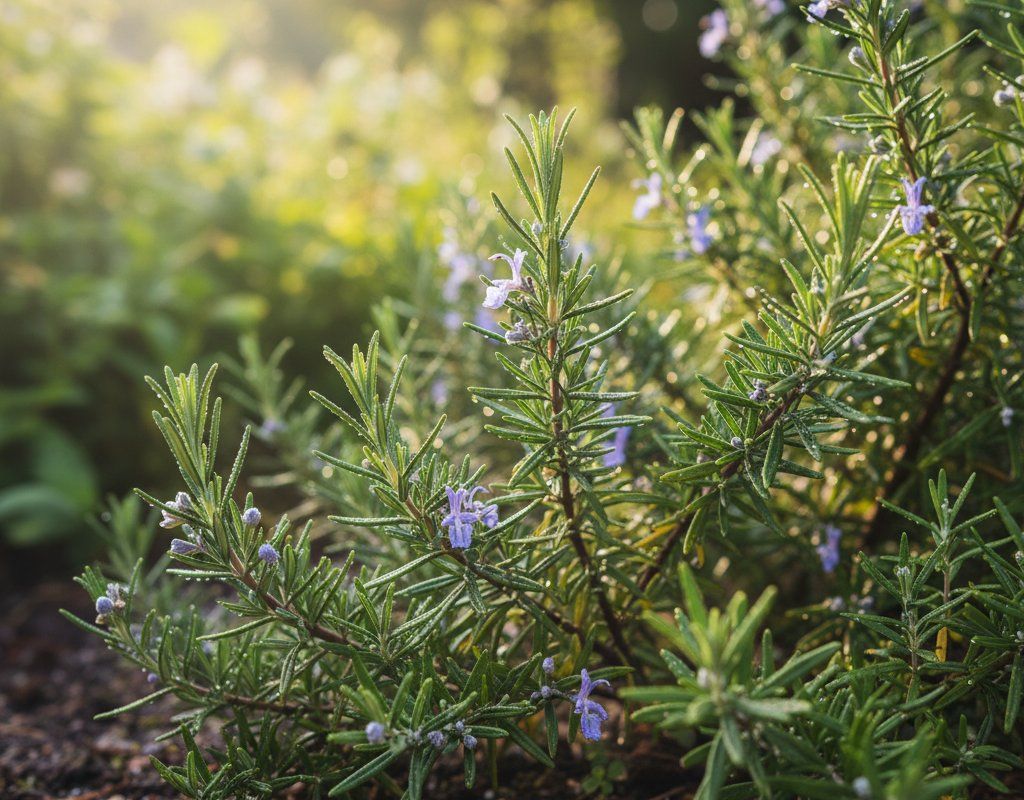
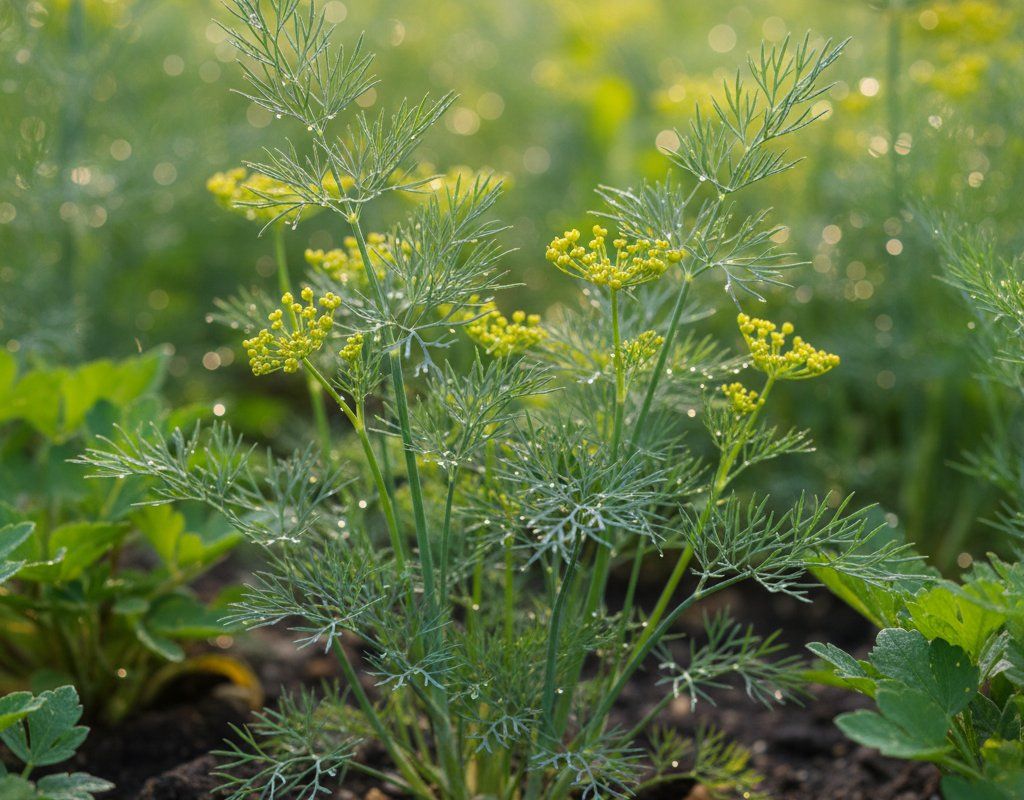
Tomatoes can work as companions since they occupy different soil layers, though be careful not to let tomato plants shade your carrots in our already-short growing season. Rosemary planted nearby helps repel carrot flies and other pests while thriving in our alkaline soil conditions. Avoid planting dill near carrots—it can actually attract carrot rust flies and may inhibit carrot germination. Also skip parsnips as companions since they're in the same family and attract the same pests while competing for similar soil nutrients.
🌸Best Flowers to Plant with Carrot
These flowers protect your Carrot from pests and attract pollinators for better harvests.


Get a Reminder When It's Time to Plant
We'll email you when key planting windows open for your zone.