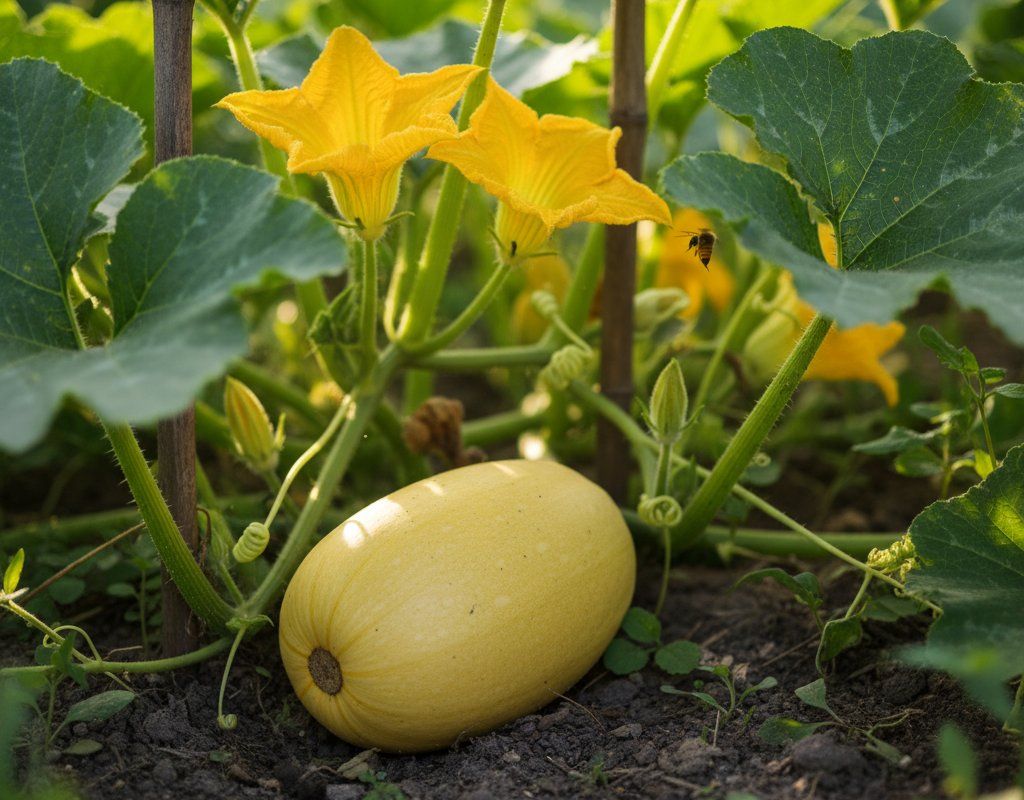
Spaghetti Squash in Zone 3A — Great Plains
Cucurbita pepo · Your Complete 2026 Planting Guide
Planning Ahead — Great!
You’re ahead of the season. Here’s when to start.
Mark Your Calendar
How to Plant Spaghetti Squash in Zone 3A — Great Plains
Here are all your options for getting spaghetti squash in the ground, from the easiest method to more advanced approaches.
Direct Sow Seeds
RecommendedDirect sowing is not typical for Spaghetti Squash.
Buy Starts
Works WellEarly to mid June
around June 8
Plant purchased starts after last frost (May 25).
Start Seeds Indoors
Works WellMid May through early June
around May 18
Then transplant: Early to mid June
Start seeds 3-5 weeks before transplanting outdoors.
Transplant Outdoors
Timing InfoEarly to mid June
around June 8
Wait until nighttime temperatures stay above 50°F.
Timing is critical in your zone — don’t delay!
Overview
Spaghetti Squash is a rewarding crop for Great Plains gardeners. Its mild, slightly sweet flavor and versatility in the kitchen make it a favorite. Plus, there's real satisfaction in harvesting these beauties after nurturing them through our sometimes challenging summers.
Our short growing season and unpredictable weather, from spring temperature swings to potential summer hail, demand careful timing. Luckily, Spaghetti Squash is manageable if you start with a plan and stay attentive during our 108-day growing season.
Starting Seeds Indoors
Starting Spaghetti Squash indoors gives you a head start, especially important in our region. Begin around mid-May through early June, about three weeks before you plan to transplant. Use seed trays with a good seed-starting mix, and keep them warm – around 70-75°F is ideal.
Bottom watering is your friend here. It encourages strong root growth and prevents damping-off. Just set the tray in a shallow dish of water until the soil surface is moist. Don't forget plenty of light! A sunny south-facing window might do, but supplemental grow lights are a more reliable option, given our variable spring weather.
Transplanting Outdoors
Transplant your Spaghetti Squash seedlings outdoors in early to mid-June, once the risk of frost has passed. Before planting, harden them off by gradually exposing them to outdoor conditions for about a week. Start with an hour or two of shade, increasing the time and sun exposure each day.
Space your plants 36-48 inches apart to allow for their sprawling vines. Choose a sunny spot with well-drained soil. Keep an eye on the forecast around transplant time. A late cold snap or hail can set your plants back, so be ready to cover them if needed.
Watering Spaghetti Squash in Zone 3A (Great Plains)
Spaghetti Squash needs consistent watering throughout the growing season, especially during fruit development. Don't let them dry out completely, but avoid soggy soil. The "finger test" is your best guide: stick your finger about two inches into the soil. If it feels dry, it's time to water.
During the hottest part of the summer, your Spaghetti Squash might need around 1-2 inches of water per week, whether from rainfall or irrigation. Water deeply at the base of the plant to encourage strong root growth. Overhead watering can increase the risk of powdery mildew in our low-to-moderate humidity, so it's best to avoid it.
As the fruit reaches its full size and the skin hardens, you can gradually reduce watering. Signs of underwatering include wilting leaves and stunted growth. Overwatering can lead to root rot and yellowing leaves. Mulching around your plants with straw or wood chips helps retain moisture and regulate soil temperature, which is especially helpful during our summer heat.
🧪Fertilizing Spaghetti Squash
Feeding Schedule
Organic Fertilizer Options
Harvest Time
Expect your first Spaghetti Squash harvest in mid to early September, about 95 days after planting. Look for a bright yellow skin and a hard shell that's difficult to pierce with your fingernail. The stem connecting the squash to the vine should be dry and starting to brown.
A good way to check for ripeness is to tap the squash. A ripe one will sound hollow. Use a sharp knife or pruners to cut the squash from the vine, leaving a few inches of stem attached. This helps prevent rot during storage.
Keep a close eye on the weather forecast as the first frost approaches in early September. If frost is predicted, harvest all remaining squash, even if they're not fully ripe. While they won't ripen further off the vine, you can still use them.
Common Problems in Zone 3A (Great Plains)
Here are some common problems you might encounter with Spaghetti Squash in the Great Plains:
Squash Vine Borer *What it looks like:* Wilting vines, often near the base of the plant. You might see small holes in the stem with sawdust-like frass (borer poop) nearby. *What causes it:* Squash vine borers are moth larvae that tunnel into the stems of squash plants. The moths lay their eggs near the base of the plant in early summer. *How to fix/prevent it:* Wrap the base of the stems with aluminum foil or row cover fabric to prevent moths from laying eggs. If you see signs of borers, you can try to carefully cut them out of the stem with a sharp knife. Injecting *Bacillus thuringiensis* (Bt) into the stem can also help.
Powdery Mildew *What it looks like:* White or grayish powdery coating on leaves, stems, and sometimes fruit. Leaves curl, yellow, and die. Reduces plant vigor. *What causes it:* Various fungi that thrive in warm days, cool nights, and moderate humidity. Dry leaf surfaces actually favor it (unlike most fungi). *How to fix/prevent it:* Improve air circulation through spacing and pruning. Remove affected leaves. Neem oil or potassium bicarbonate sprays help. Milk spray (1 part milk to 9 parts water) is surprisingly effective. Plant resistant varieties.
Squash Bugs *What it looks like:* Gray-brown shield-shaped bugs on leaf undersides. Bronze egg clusters on leaves. Wilting leaves that turn brown and crispy. *What causes it:* Sap-sucking insects that inject toxin while feeding. Adults overwinter in garden debris and emerge in spring. *How to fix/prevent it:* Hand-pick adults and crush egg clusters. Board traps (adults hide under boards at night — flip and destroy in morning). Neem oil spray. Remove plant debris in fall. Companion plant with nasturtiums.
Blossom End Rot *What it looks like:* Sunken, dark brown or black leathery patch on the bottom (blossom end) of fruit. Often affects first fruits of the season. *What causes it:* Calcium deficiency caused by inconsistent watering. Not a disease — it's a nutrient uptake problem triggered by drought/flood cycles. *How to fix/prevent it:* Water consistently (the single most effective fix). Mulch heavily to maintain even soil moisture. Don't over-fertilize with nitrogen. Calcium sprays help marginally. Remove affected fruit.
Great Plains Specific Challenges: Our hot summers, low-to-moderate humidity, and variable rainfall can exacerbate these problems. The heat can stress plants, making them more susceptible to pests and diseases. Inconsistent rainfall can lead to blossom end rot. Wind protection is also essential to prevent damage to vines and fruits.
Best Companions for Spaghetti Squash
Plant these nearby for healthier Spaghetti Squash and better harvests.

Keep Away From
Companion Planting Details
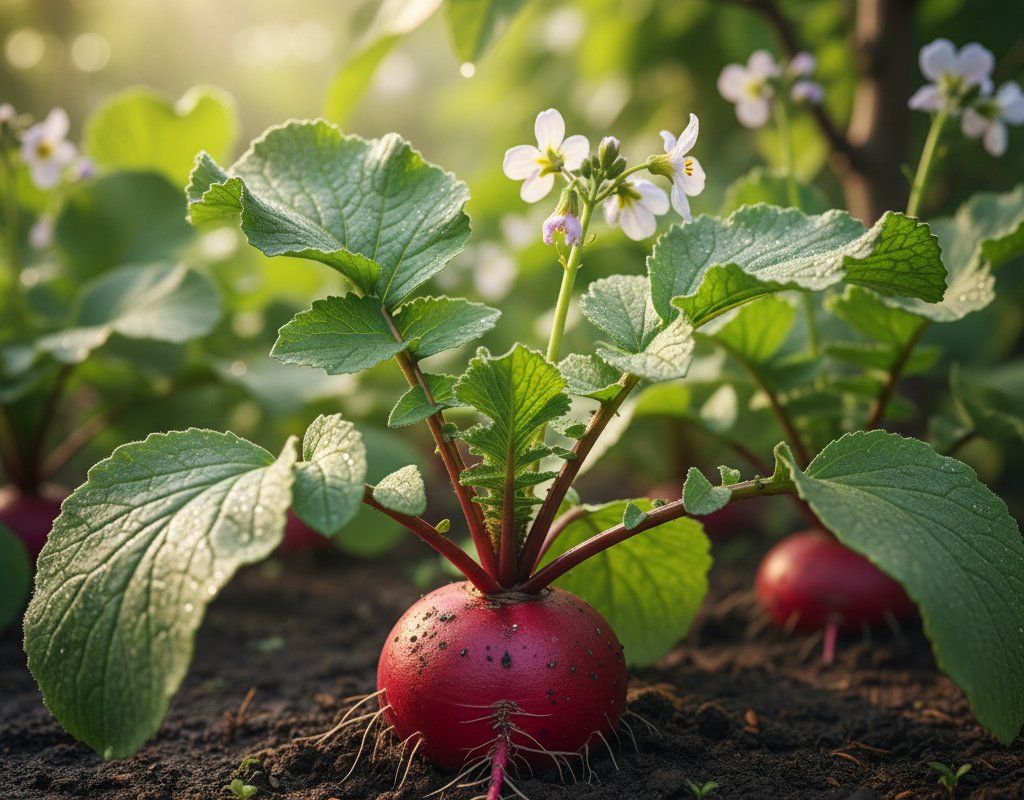
Companion planting can help your Spaghetti Squash thrive. Corn provides a natural trellis and windbreak, which is valuable in our windy Plains environment. Green beans fix nitrogen in the soil, benefiting the squash. Radishes deter squash vine borers. Marigolds repel squash bugs and other pests.
Avoid planting Spaghetti Squash near potatoes or brassicas (cabbage, broccoli, cauliflower). Potatoes compete for nutrients, and brassicas can attract pests that also attack squash. Proper spacing and good air circulation are also key to preventing disease, especially in our sometimes humid summers.
🌸Best Flowers to Plant with Spaghetti Squash
These flowers protect your Spaghetti Squash from pests and attract pollinators for better harvests.
For Pest Control

Get a Reminder When It's Time to Plant
We'll email you when key planting windows open for your zone.