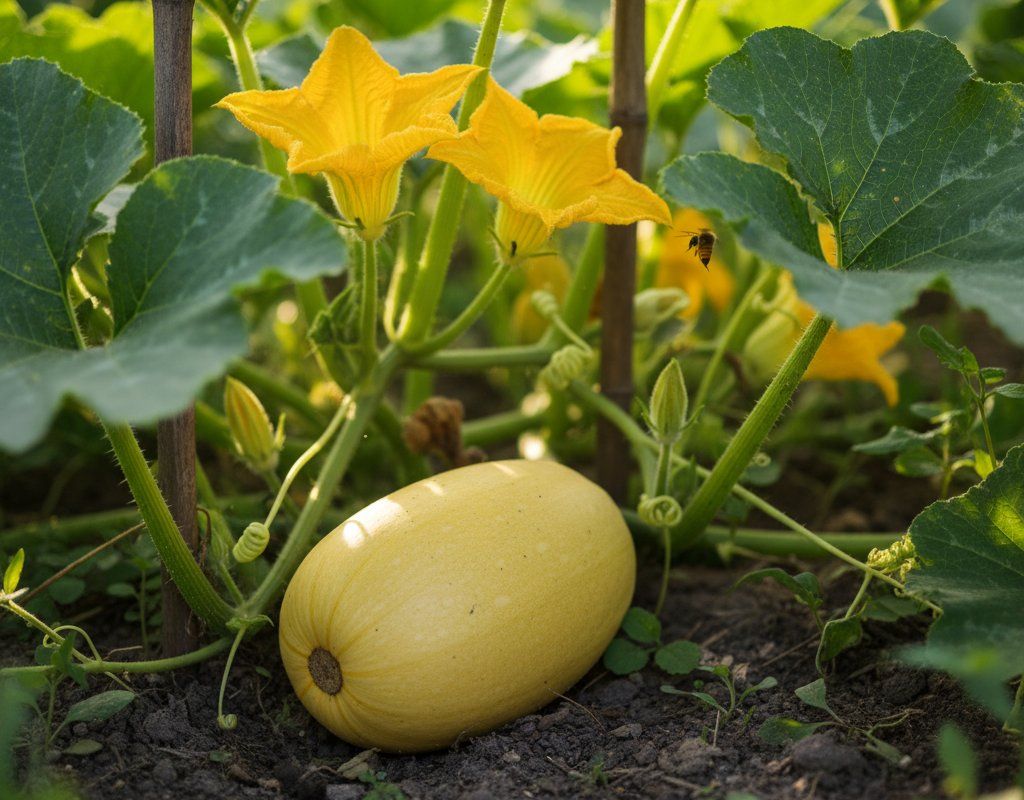
Spaghetti Squash in Zone 6B — Northeast
Cucurbita pepo · Your Complete 2026 Planting Guide
Planning Ahead — Great!
You’re ahead of the season. Here’s when to start.
Mark Your Calendar
How to Plant Spaghetti Squash in Zone 6B — Northeast
Here are all your options for getting spaghetti squash in the ground, from the easiest method to more advanced approaches.
Direct Sow Seeds
RecommendedLate April through late June
around April 22
Consider succession planting every 2-3 weeks for continuous harvest.
Buy Starts
Works WellLate April through mid May
around April 29
Plant purchased starts after last frost (April 15).
Start Seeds Indoors
Works WellEarly to late April
around April 8
Then transplant: Late April through mid May
Start seeds 3-5 weeks before transplanting outdoors.
Transplant Outdoors
Timing InfoLate April through mid May
around April 29
Wait until nighttime temperatures stay above 50°F.
Plan to transplant within a few weeks of your target date.
Overview
Spaghetti squash is a rewarding crop for Northeast gardeners. Its mild, subtly sweet flavor makes it incredibly versatile in the kitchen, and there's real satisfaction in harvesting your own winter squash after our relatively short growing season. The cool nights we often get in late summer actually help to concentrate the sugars, leading to a better-tasting squash.
Our 183-day growing season can feel tight, and we sometimes get caught by late spring or early fall frosts. But with careful timing and a bit of planning, you can definitely get a great spaghetti squash harvest before the colder weather sets in.
Starting Seeds Indoors
Starting spaghetti squash indoors is an option, especially if you're itching to get a head start. Begin in early to late April, about three weeks before you plan to transplant. Use seed trays or small pots and keep them in a warm location with plenty of light – a sunny windowsill or under grow lights works well.
Remember to water from the bottom to encourage strong root growth and prevent damping off. Given our late springs, starting indoors can give you a jump, but direct sowing is usually reliable enough if you time it right.
Transplanting Outdoors
Transplant your seedlings outdoors in late April through mid May, once the danger of frost has passed. Before planting, harden them off by gradually exposing them to outdoor conditions for about a week. This helps them adjust to the sunlight and temperature changes.
Space your spaghetti squash plants 36-48 inches apart. Keep an eye on the weather forecast – we can sometimes get unexpected cold snaps even in late spring. Protect your young plants with row covers if needed.
Direct Sowing
Direct sowing is the most common and often the easiest way to grow spaghetti squash in the Northeast. Sow seeds directly into the garden from late April through late June. The soil temperature should be at least 60°F for good germination.
Prepare your soil by amending it with compost, as our rocky New England soil can be challenging. Plant seeds about an inch deep and space them 36-48 inches apart, allowing plenty of room for the vines to spread. Keep the soil consistently moist until the seedlings emerge.
Watering Spaghetti Squash in Zone 6B (Northeast)
Spaghetti squash needs consistent watering throughout the growing season, especially during the initial growth phase. Aim to keep the soil evenly moist, but not waterlogged. A good rule of thumb is to water deeply when the top two inches of soil feel dry to the touch – the "finger test."
In our Northeast climate, with its moderate summer heat and moderate-to-humid conditions, most gardens need about 1 inch of water per week, either from rainfall or irrigation. Water at the base of the plants to avoid wetting the foliage, which can increase the risk of fungal diseases in our humid summers.
As the fruits reach their full size and the skin begins to harden, you can reduce watering slightly. Overwatering can lead to bland-tasting squash. Signs of underwatering include wilting leaves and stunted growth, while overwatering can cause yellowing leaves and root rot. Mulching around the plants helps to retain moisture and suppress weeds.
🧪Fertilizing Spaghetti Squash
Feeding Schedule
Organic Fertilizer Options
Harvest Time
You can expect your first spaghetti squash harvest from late July through mid October, depending on when you planted. The squash is ready to harvest when the skin turns a bright yellow color and the shell is hard. The stem connecting the squash to the vine should also be dry and starting to turn brown.
A good test is to tap the squash – it should sound hollow when ripe. Use a sharp knife or pruners to cut the squash from the vine, leaving a few inches of stem attached. Avoid damaging the squash during harvest, as this can shorten its storage life.
As our first frost approaches in mid- October, harvest any remaining squash, even if they're not fully ripe. While they won't ripen off the vine, you can still use them, though the flavor may be milder.
Common Problems in Zone 6B (Northeast)
Here are some common problems you might encounter growing spaghetti squash in the Northeast:
Squash Vine Borer
- What it looks like: Wilting vines, often with small holes near the base of the plant and sawdust-like frass (borer excrement).
- What causes it: Moth larvae that bore into the stems and feed on the plant tissue.
- How to fix/prevent it: Wrap the base of the stems with aluminum foil or row cover fabric to prevent the moths from laying eggs. Inspect stems regularly and remove any borers you find. You can also try injecting Bacillus thuringiensis (Bt) into the stems to kill the borers.
Powdery Mildew
- What it looks like: White or grayish powdery coating on leaves, stems, and sometimes fruit. Leaves curl, yellow, and die. Reduces plant vigor.
- What causes it: Various fungi that thrive in warm days, cool nights, and moderate humidity. Dry leaf surfaces actually favor it (unlike most fungi).
- How to fix/prevent it: Improve air circulation through spacing and pruning. Remove affected leaves. Neem oil or potassium bicarbonate sprays help. Milk spray (1 part milk to 9 parts water) is surprisingly effective. Plant resistant varieties.
Squash Bugs
- What it looks like: Gray-brown shield-shaped bugs on leaf undersides. Bronze egg clusters on leaves. Wilting leaves that turn brown and crispy.
- What causes it: Sap-sucking insects that inject toxin while feeding. Adults overwinter in garden debris and emerge in spring.
- How to fix/prevent it: Hand-pick adults and crush egg clusters. Board traps (adults hide under boards at night — flip and destroy in morning). Neem oil spray. Remove plant debris in fall. Companion plant with nasturtiums.
Blossom End Rot
- What it looks like: Sunken, dark brown or black leathery patch on the bottom (blossom end) of fruit. Often affects first fruits of the season.
- What causes it: Calcium deficiency caused by inconsistent watering. Not a disease — it's a nutrient uptake problem triggered by drought/flood cycles.
- How to fix/prevent it: Water consistently (the single most effective fix). Mulch heavily to maintain even soil moisture. Don't over-fertilize with nitrogen. Calcium sprays help marginally. Remove affected fruit.
Northeast Specific Challenges: Our moderate heat and moderate-to-humid summers, coupled with even rainfall, mean that fungal diseases like powdery mildew can be a concern. Consistent watering is key to preventing blossom end rot, especially given our sometimes unpredictable rainfall patterns. And of course, deer are always a threat, so fencing or other deterrents may be necessary.
Best Companions for Spaghetti Squash
Plant these nearby for healthier Spaghetti Squash and better harvests.

Keep Away From
Companion Planting Details
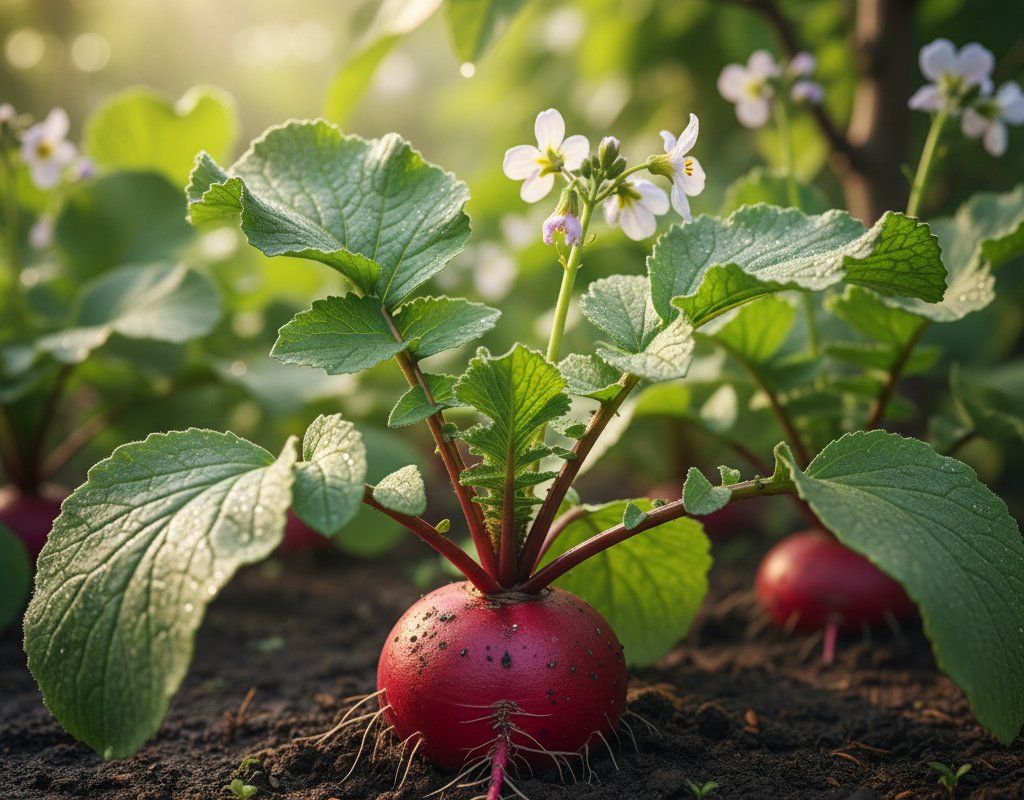
Spaghetti squash thrives with certain companion plants. Corn provides a natural trellis for the squash vines, while beans (especially green beans) fix nitrogen in the soil, benefiting the squash. Radishes can help deter squash vine borers, and marigolds repel various pests with their scent.
Avoid planting spaghetti squash near potatoes, as they compete for nutrients in the soil. Brassicas (like cabbage, broccoli, and kale) can also inhibit the growth of squash, so keep them separated in your garden layout.
🌸Best Flowers to Plant with Spaghetti Squash
These flowers protect your Spaghetti Squash from pests and attract pollinators for better harvests.
For Pest Control

Get a Reminder When It's Time to Plant
We'll email you when key planting windows open for your zone.