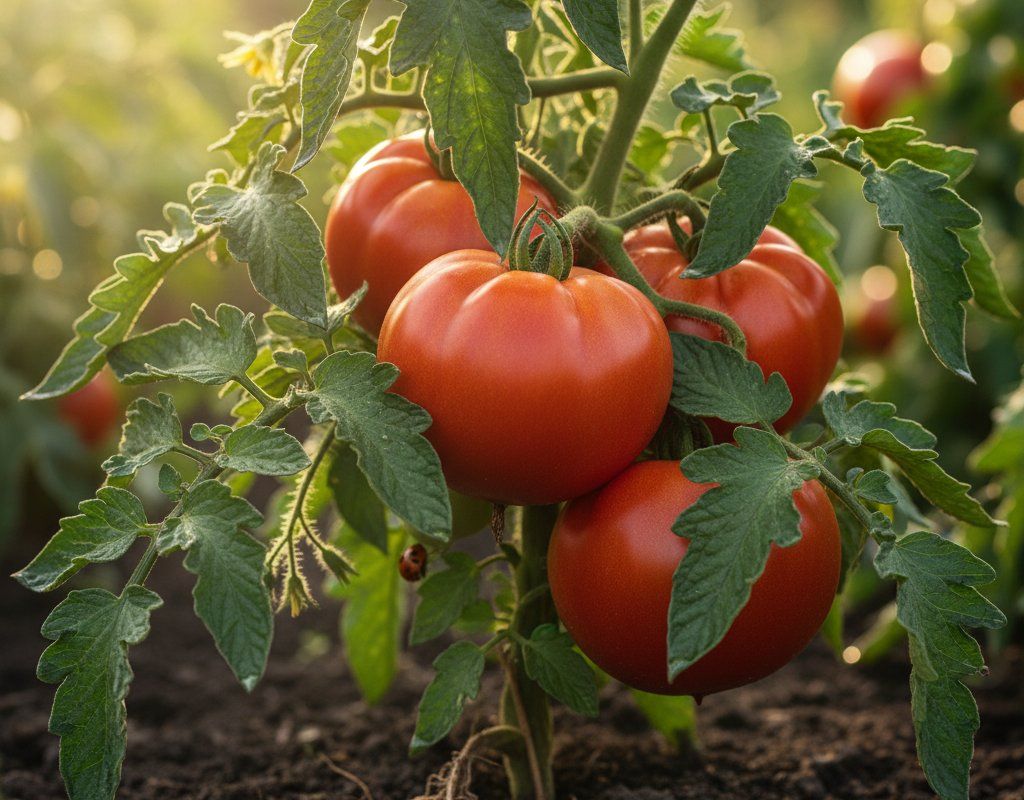
Beefsteak Tomatoes in Zone 6B — Northeast
Solanum lycopersicum · Your Complete 2026 Planting Guide
Planning Ahead — Great!
You’re ahead of the season. Here’s when to start.
Mark Your Calendar
How to Plant Beefsteak Tomatoes in Zone 6B — Northeast
Here are all your options for getting beefsteak tomatoes in the ground, from the easiest method to more advanced approaches.
Start Seeds Indoors
RecommendedMid March through early April
around March 18
Then transplant: Late April through late May
Start seeds 6-8 weeks before transplanting outdoors.
Buy Starts
Works WellLate April through late May
around April 29
Plant purchased starts after last frost (April 15).
Direct Sow Seeds
ChallengingDirect sowing is not typical for Beefsteak Tomatoes.
Transplant Outdoors
Timing InfoLate April through late May
around April 29
Wait until nighttime temperatures stay above 50°F.
You have a nice window — no need to rush.
Overview
Growing beefsteak tomatoes in Zone 6B gives you those massive, meaty slicers that make summer sandwiches legendary. With our cool nights and moderate summer temperatures, these giants develop exceptional flavor complexity that you just can't get from grocery store varieties. The 183-day growing season here is actually perfect for beefsteaks – long enough for full development without the scorching heat that can stress these large-fruited plants.
Yes, our short growing season and late spring start mean you need to be strategic with timing, but that's completely manageable with indoor seed starting. The 85-day maturity period fits well within our frost-free window when you start seeds indoors in March and transplant after our last frost risk passes in mid- to late April.
Starting Seeds Indoors
Start your beefsteak tomato seeds indoors during mid-March through early April, about 6 weeks before you plan to transplant them outside. This timing works perfectly with our Northeast spring pattern – late but predictable once it arrives.
Set up seed trays in a warm spot (70-75°F) with good light once seedlings emerge. A sunny south window works, but a basic grow light gives more consistent results during our often-cloudy March weather. Bottom watering keeps seedlings healthier than overhead watering, which can encourage damping-off disease in our humid spring conditions.
Your seedlings will be ready for transplanting by late April through late May, depending on when spring actually decides to show up. Keep them in that warm indoor spot until nighttime temperatures consistently stay above 50°F – beefsteaks are particularly cold-sensitive and a chilly night can set them back weeks.
Transplanting Outdoors
Transplant your beefsteak seedlings outside from late April through late May, once soil has warmed and night temperatures stay consistently above 50°F. Don't rush this – our Northeast springs can fool you with warm days followed by surprisingly cold nights that will shock these tender plants.
Harden off seedlings gradually over a week by placing them outside for a few hours each day, bringing them in at night. Space plants 36-48 inches apart – beefsteaks need serious room to spread, and good air circulation helps prevent disease in our moderate-to-humid summer conditions.
Choose your sunniest, most protected spot and add compost to help with our often rocky New England soil. If frost threatens after transplanting, have row covers ready – even a light frost can kill young tomato plants completely.
Watering Beefsteak Tomatoes in Zone 6B (Northeast)
Beefsteak tomatoes are water-hungry plants that demand consistent, deep watering throughout our growing season. These massive fruits are mostly water, and any stress from drought will cause cracking, catfacing, and blossom end rot – problems that plague beefsteaks more than smaller tomato varieties.
Water deeply twice per week rather than frequent shallow watering, aiming for about 1.5-2 inches total per week including rainfall. Our Northeast region typically gets 40-50 inches of rain annually with fairly even distribution, but summer dry spells still happen. Use the finger test – stick your finger 2 inches into the soil, and water when it feels dry at that depth.
Water at the base of plants rather than overhead to avoid encouraging fungal diseases in our moderate-to-humid summer conditions. Morning watering is ideal so leaves dry before evening. Mulch heavily around plants with straw or grass clippings to maintain even soil moisture – this single step prevents most watering-related problems.
Watch for signs of water stress: wilting during hot afternoons (normal), cracking fruit (inconsistent watering), or dark spots on fruit bottoms (blossom end rot from uneven moisture). Yellow lower leaves often indicate overwatering in our clay-rich soils that don't drain as quickly as sandy soils.
Supporting Your Beefsteak Tomatoes
Install sturdy support at planting time – beefsteak tomatoes with their massive fruits will overwhelm standard tomato cages. Use extra-heavy duty cages or thick wooden stakes (at least 2x2 inches) driven 18 inches deep. The weight of multiple 1-2 pound fruits can snap branches and topple inadequate support.
Train the main stem up your support system, tying loosely with soft materials like cloth strips or garden velcro every 12-18 inches as the plant grows. Branches heavy with fruit often need individual support too – use garden stakes or tie them to the main support structure.
Check and adjust ties regularly throughout the growing season. Beefsteak plants can reach 6-8 feet tall in our long summer days, and the weight increases dramatically once fruits start sizing up in late July and August.
Pruning & Maintaining Beefsteak Tomatoes
Remove suckers (shoots growing between main stem and branches) regularly to focus the plant's energy on fewer, larger fruits. Beefsteaks naturally want to grow into massive, sprawling bushes, but pruning to 2-3 main stems produces bigger, better-quality tomatoes.
Strip off lower leaves once plants are established to improve air circulation – important in our moderate-to-humid summer conditions where fungal diseases can take hold. Remove any leaves touching the ground and prune up to the first flower cluster.
By early September, pinch growing tips to redirect energy into ripening existing fruits rather than producing new flowers that won't have time to mature before our mid-October frost. This end-of-season pruning is crucial in our shorter growing season to get the most from your harvest window.
🧪Fertilizing Beefsteak Tomatoes
Feeding Schedule
Organic Fertilizer Options
Harvest Time
Your first beefsteak tomatoes will be ready from late July through early September, depending on variety and growing conditions. Look for deep, even color and slight softness when you cup the fruit in your hand – it should give just slightly to gentle pressure.
Harvest in the morning when fruits are cool and firm. Twist and pull gently, or use clean pruning shears for a clean cut. Handle these large fruits carefully – their weight makes them prone to bruising and cracking if dropped.
Continue harvesting every few days once production starts. Beefsteaks ripen unevenly, so you'll have fruits at different stages throughout late summer. Pick fruits at the first blush of color if rain is forecasted – they'll finish ripening indoors and avoid cracking from excess moisture.
As first frost approaches in mid-October, harvest all fruits regardless of ripeness. Green beefsteaks ripen well indoors when stored in a warm, dark place – wrap individually in newspaper or place in paper bags. This extends your harvest well into November, making the most of your growing season investment.
Common Problems in Zone 6B (Northeast)
Cracking appears as splits in the tomato skin, either in circles around the stem or radiating outward like spokes. The exposed flesh often starts rotting quickly. This happens when heavy watering or rainfall follows a dry period – the fruit absorbs water faster than the skin can expand. Prevent cracking with consistent watering schedules and mulching to maintain even soil moisture. Harvest promptly when ripe rather than leaving fruits on the vine.
Catfacing shows up as deep crevices, scars, and lumpy deformities on the bottom of fruits, making them look misshapen and unmarketable. Cool temperatures during flowering (below 55°F at night) cause incomplete pollination, and beefsteaks are particularly susceptible. In our Northeast climate, avoid planting too early when nights are still cool. Use row covers for early plantings to maintain warmer temperatures around developing flowers.
Blossom end rot creates dark, sunken patches on the bottom of fruits – not pretty, but the rest of the tomato is perfectly edible. This isn't a disease but a calcium uptake problem caused by inconsistent watering. Our rocky soils often have plenty of calcium, but drought-flood cycles prevent plants from accessing it. Consistent watering and heavy mulching solve most blossom end rot problems.
Slow ripening means your beefsteaks stay stubbornly green well past their expected maturity date. Cool temperatures (nights below 60°F), excess nitrogen, or insufficient sunlight all slow ripening. Our moderate summer temperatures mean beefsteaks ripen more slowly here than in hotter climates, but they develop better flavor. Remove excess foliage shading fruits and avoid high-nitrogen fertilizers after mid-July.
Northeast specific challenges include our moderate summer heat and humid conditions, which actually benefit beefsteaks by reducing heat stress but can encourage fungal diseases. The key is balancing consistent moisture with good air circulation through proper spacing and pruning.
Best Companions for Beefsteak Tomatoes
Plant these nearby for healthier Beefsteak Tomatoes and better harvests.
View Full Companion Planting Chart →



Companion Planting Details
Plant basil near your beefsteak tomatoes – it reportedly improves flavor and definitely repels aphids and hornworms. Carrots work well as living mulch around tomato plants, and their deep taproots help break up our often-compacted Northeast soils. Parsley attracts beneficial insects that prey on tomato pests, while marigolds provide some nematode control and add color to the garden.
Avoid planting brassicas like cabbage or broccoli near beefsteaks – they compete for similar nutrients and can harbor diseases that affect tomatoes. Keep fennel away too, as it can inhibit tomato growth through allelopathic compounds. Corn creates too much shade for sun-loving beefsteaks and attracts similar pests like hornworms, making pest management more difficult in our already-challenging short growing season.
🌸Best Flowers to Plant with Beefsteak Tomatoes
These flowers protect your Beefsteak Tomatoes from pests and attract pollinators for better harvests.


Get a Reminder When It's Time to Plant
We'll email you when key planting windows open for your zone.