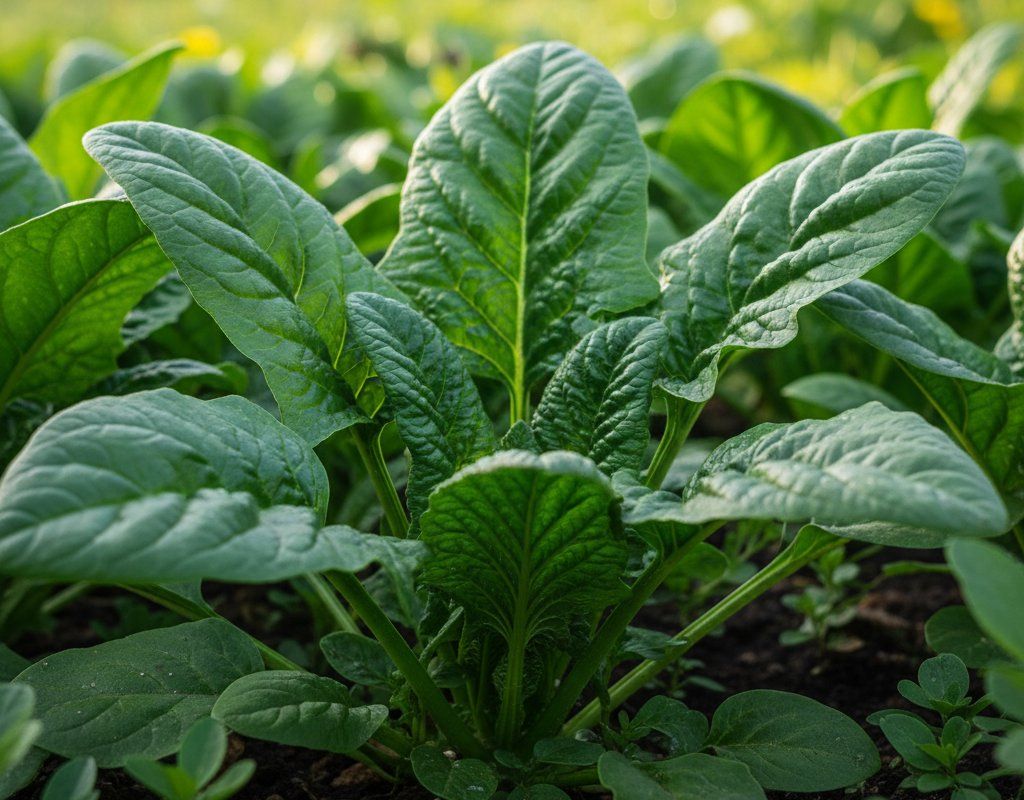
Spinach in Zone 10B — Desert Southwest
Spinacia oleracea · Your Complete 2026 Planting Guide
Harvest Time!
Your Spinach should be producing now!
Harvest Tips
Harvest outer leaves for cut-and-come-again, or cut whole head.
How to Plant Spinach in Zone 10B — Desert Southwest
Here are all your options for getting spinach in the ground, from the easiest method to more advanced approaches.
Direct Sow Seeds
RecommendedEarly December through early November
around December 4
Consider succession planting every 2-3 weeks for continuous harvest.
Spinach loves cold soil. Direct sow as soon as ground can be worked.
Start Seeds Indoors
RecommendedMid November through early December
around November 20
Then transplant: Mid December through late January
Start seeds 4-6 weeks before transplanting outdoors.
Buy Starts
Works WellMid December through late January
around December 18
Plant purchased starts after last frost (January 15).
Transplant Outdoors
Timing InfoMid December through late January
around December 18
Can tolerate light frost, but wait for soil to be workable.
You have a nice window — no need to rush.
Fall Planting
Early November through early December
November 18 ideal · Direct sow for fall harvest
Plant a second crop in mid-summer for fall harvest. Spinach actually prefers the cooling temperatures of fall.
Overview
Spinach thrives in our Desert Southwest winters, offering crisp, flavorful leaves while most of the country battles snow and ice. This hardy green loves our mild winter temperatures and actually sweetens up beautifully during those occasional cold snaps we get in late December and January. You'll harvest tender, nutrient-packed leaves that put grocery store spinach to shame – no bitter aftertaste or wilted disappointment here.
Yes, our extreme summer heat and arid conditions make spinach impossible to grow from May through October, but that's exactly why timing matters so much in desert gardening. With our 349-day growing season, you have plenty of opportunity to get multiple plantings established during our cool months. Plant spinach during our winter window, and you'll be harvesting fresh greens while avoiding the summer survival mode that defines Desert Southwest gardening.
Starting Seeds Indoors
Starting spinach seeds indoors works well in the Desert Southwest, though it's not strictly necessary given our mild winters. Start your seeds indoors from mid-November through early December, about 4 weeks before you plan to transplant. This gives you a head start and better control over germination during our unpredictable early winter weather.
Set up seed trays in a cool spot – spinach actually prefers cooler temperatures for germination, around 50-70°F. Our homes stay warmer than ideal, so consider placing trays near a north-facing window or in an unheated garage. Use bottom watering to keep the soil evenly moist without creating surface crusting that can prevent germination in our dry air.
The indoor approach makes sense if you want to maximize your harvest window or if you're dealing with particularly challenging soil conditions like caliche. You'll have sturdy transplants ready to go when conditions are perfect outside.
Transplanting Outdoors
Transplant your indoor-started spinach from mid-December through late January, when our desert nights are consistently cool but daytime temperatures stay manageable. This timing takes advantage of our mild winter weather before any late-season heat spells that can stress young plants.
Harden off your seedlings for about a week before transplanting – gradually expose them to outdoor conditions for longer periods each day. Even though spinach is cold-hardy, the transition from indoor warmth to our desert's temperature swings needs to be gradual. Space transplants 4-6 inches apart to allow for good air circulation, which helps prevent disease issues in our low-humidity environment.
Choose a spot with morning sun and afternoon shade if possible. Our winter sun can still be intense, and young transplants appreciate some protection during the warmest part of the day. Plant them at the same depth they were growing in their containers and water them in well.
Direct Sowing
Direct sowing works excellently for spinach in the Desert Southwest and is often the preferred method. Sow seeds from early December through early November, taking advantage of our cool winter soil temperatures. Spinach actually loves cold soil and will germinate well in our winter conditions.
Prepare your soil by working in compost to improve drainage – our alkaline desert soils can be challenging, but spinach adapts well with some organic matter added. Plant seeds ¼ to ½ inch deep and space them 4-6 inches apart. The cool, moist soil conditions of winter provide ideal germination without the need for indoor setups.
Direct sowing eliminates transplant shock and often produces stronger root systems that handle our temperature fluctuations better. Seeds germinate quickly in cool weather and establish before any warm spells hit. This method works particularly well for succession plantings throughout the winter growing window.
Watering Spinach in Zone 10B (Desert Southwest)
Spinach needs consistent moisture in our arid Desert Southwest climate – this isn't a drought-tolerant crop and will bolt quickly if stressed by dry conditions. During our mild winter growing season, plan to water 2-3 times per week, providing about 1 inch of water weekly. The key is maintaining even soil moisture without waterlogging, which can be tricky in our alkaline soils that don't drain as readily.
Use the finger test regularly: stick your finger 2 inches into the soil near your plants. In our dry air, the surface may look moist while deeper soil has already dried out. Water at the base of plants rather than overhead – our low humidity means wet leaves dry slowly in winter, increasing disease risk. Morning watering works best, allowing any surface moisture to evaporate during the day.
Watch for signs of water stress: leaves that wilt during the warmer part of the day or develop a grayish tinge indicate the plant is struggling. Overwatering shows up as yellowing lower leaves and slow growth. Our winter temperatures rarely stress spinach directly, so most problems stem from inconsistent watering.
Apply a thin layer of mulch around plants to help retain moisture and regulate soil temperature. In our desert conditions, even a light mulch layer helps reduce evaporation and keeps roots cool during those unexpectedly warm winter days that can trigger bolting.
🧪Fertilizing Spinach
Feeding Schedule
Organic Fertilizer Options
Harvest Time
Your first spinach harvest typically comes in mid to late January, about 40 days after planting. Look for outer leaves that reach 3-4 inches long – they should be deep green, crisp, and tender. Don't wait for massive leaves; smaller ones taste better and the plant keeps producing more readily.
Harvest by cutting outer leaves at the base with clean scissors or pinch them off with your fingers, always leaving the center growing point intact. This allows the plant to continue producing new leaves from the center. You can also cut the entire rosette about 1 inch above soil level for regrowth – spinach responds well to this cut-and-come-again approach in our mild winter conditions.
Keep harvesting regularly, at least once a week, to encourage continued production and prevent leaves from becoming tough or bitter. In the Desert Southwest, your harvest window typically runs through early March before warming temperatures trigger bolting. The cool nights we get even into February help maintain leaf quality.
As late December approaches and our first frost date nears, harvest becomes more urgent. While spinach handles light frost well, a hard freeze will damage leaves. Plan your final plantings so you can harvest most of your crop before the end of the growing season.
Common Problems in Zone 10B (Desert Southwest)
Bolting
Your spinach suddenly sends up a tall flower stalk and the leaves turn bitter – that's bolting. You'll notice the center of the plant elongating rapidly, often seemingly overnight. Once this happens, the leaves become unpalatable and tough.
In the Desert Southwest, bolting typically occurs when we get those unexpected warm spells in late winter or early spring, combined with our naturally long day length. Even brief periods above 75°F can trigger this response, especially if plants are already stressed by inconsistent watering in our arid conditions.
Prevent bolting by planting at the right time and providing afternoon shade during warmer days. Keep soil consistently moist – drought stress is a major trigger in our dry climate. Choose bolt-resistant varieties and succession plant every 2-3 weeks for continuous harvests before heat becomes an issue.
Downy Mildew
Yellow patches appear on leaf tops with fuzzy, grayish-purple growth on the undersides, particularly on older, lower leaves. Leaves eventually brown and die from the bottom up, creating an unsightly and diminished harvest.
This fungal disease thrives in the cool, humid conditions we sometimes get during winter mornings when dew forms, combined with our cooler soil temperatures. Poor air circulation between plants exacerbates the problem in our low-humidity environment where morning moisture doesn't evaporate quickly.
Remove affected leaves immediately and improve spacing between plants for better air flow. Water only at soil level, never on foliage – this is especially important in our dry climate where leaves stay wet longer than expected. Consider copper-based fungicides for prevention if the problem persists.
Desert Southwest Specific Challenges
Our extreme temperature swings between day and night can stress spinach plants, making them more susceptible to problems. The combination of intense winter sun and our alkaline soils can cause nutrient lockup, showing as pale or yellowing leaves. Our monsoon season doesn't help winter crops, but inconsistent watering during dry periods creates the perfect storm for both bolting and disease issues.
Best Companions for Spinach
Plant these nearby for healthier Spinach and better harvests.

Keep Away From
Companion Planting Details
Plant spinach alongside strawberries, peas, and beans – these companions work especially well in Desert Southwest conditions. Strawberries provide natural ground cover that helps retain soil moisture in our arid climate, while their low growth habit doesn't compete for light. Peas and beans actually improve soil nitrogen levels, which spinach appreciates, and their vertical growth provides beneficial afternoon shade during those warmer winter days.
Brassicas like cabbage, broccoli, and kale make excellent companions since they share similar growing requirements and timing in our desert climate. They all prefer the same cool-season growing window and benefit from consistent moisture and partial shade during the intense parts of our winter days. There aren't any particularly problematic companions for spinach – most conflicts arise from timing mismatches rather than plant incompatibility in our unique growing conditions.
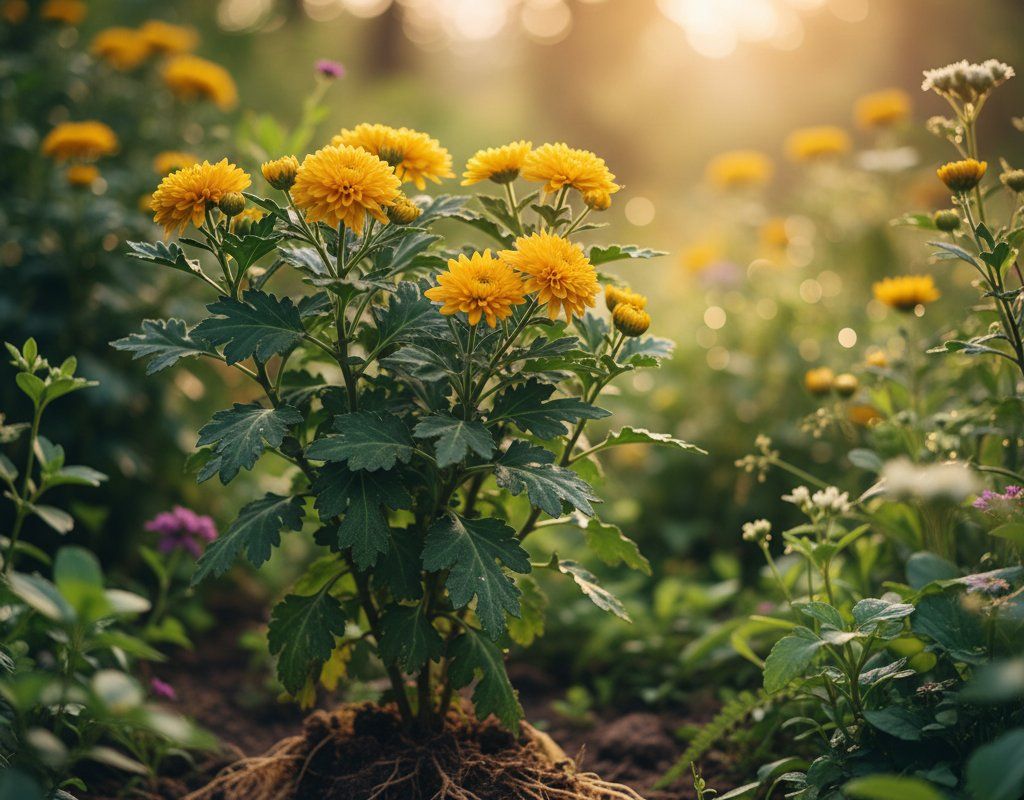
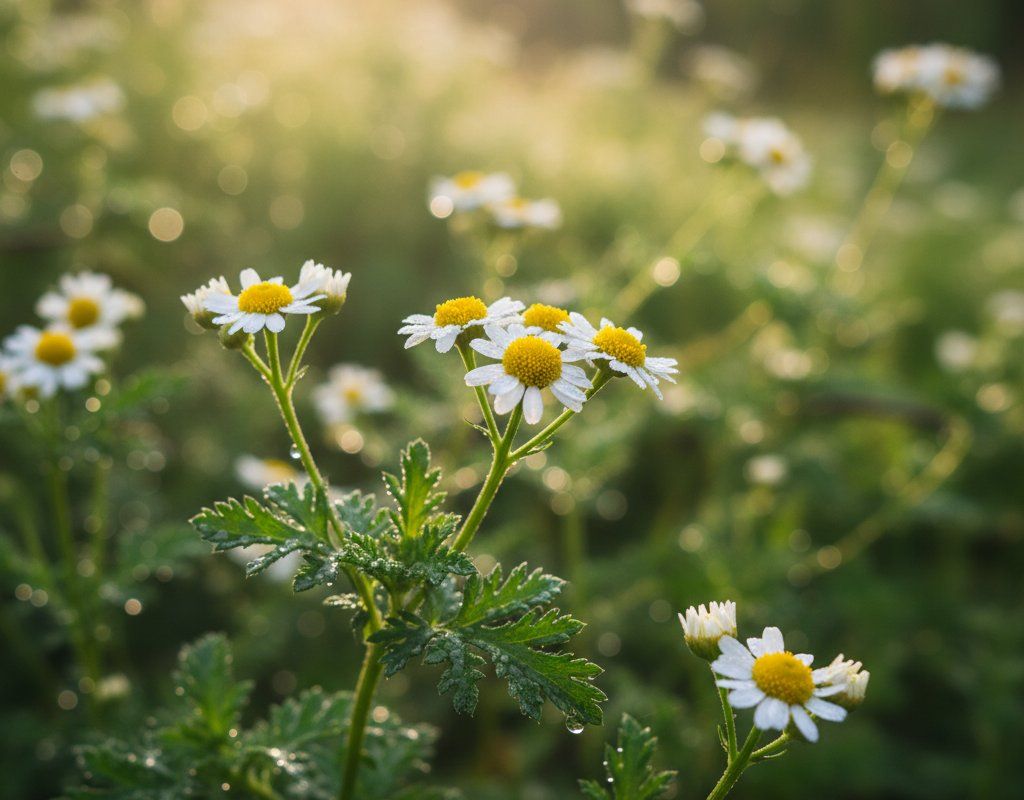
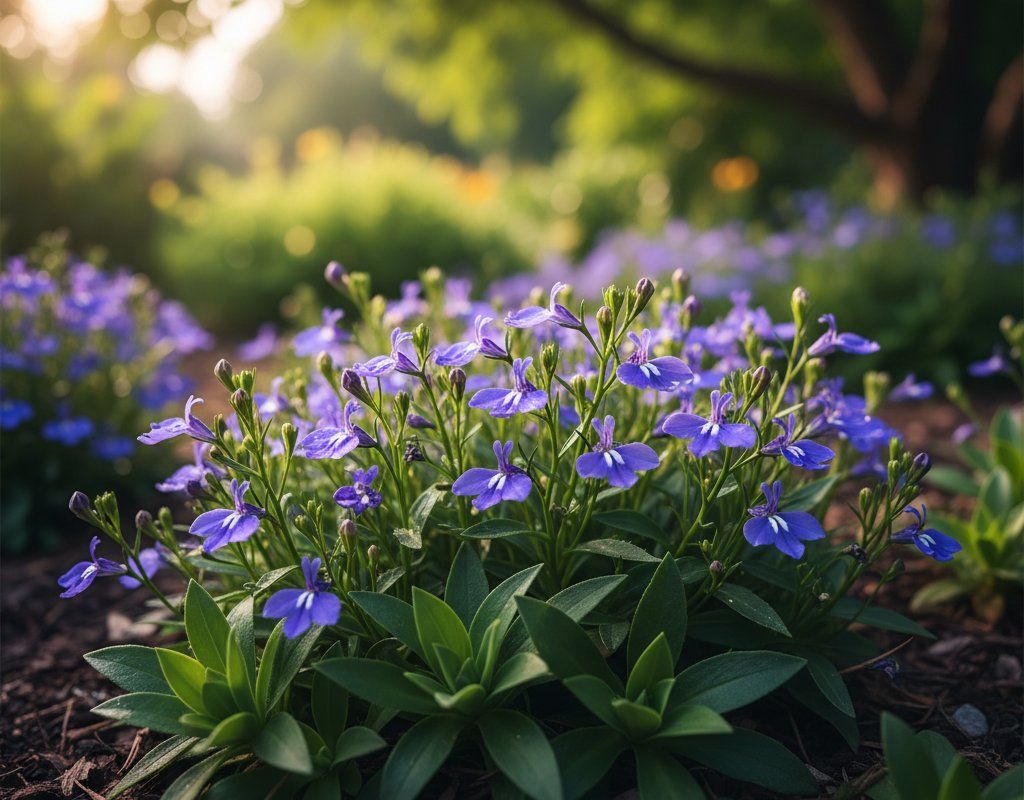
🌸Best Flowers to Plant with Spinach
These flowers protect your Spinach from pests and attract pollinators for better harvests.
For Pest Control


Get a Reminder When It's Time to Plant
We'll email you when key planting windows open for your zone.