
Spinach in Zone 3B — Great Plains
Spinacia oleracea · Your Complete 2026 Planting Guide
Planning Ahead — Great!
You’re ahead of the season. Here’s when to start.
Mark Your Calendar
How to Plant Spinach in Zone 3B — Great Plains
Here are all your options for getting spinach in the ground, from the easiest method to more advanced approaches.
Direct Sow Seeds
RecommendedEarly April through late July
around April 8
Consider succession planting every 2-3 weeks for continuous harvest.
Spinach loves cold soil. Direct sow as soon as ground can be worked.
Start Seeds Indoors
RecommendedMid March through early April
around March 25
Then transplant: Late April through early June
Start seeds 4-6 weeks before transplanting outdoors.
Buy Starts
Works WellLate April through early June
around April 22
Plant purchased starts after last frost (May 20).
Transplant Outdoors
Timing InfoLate April through early June
around April 22
Can tolerate light frost, but wait for soil to be workable.
You have a nice window — no need to rush.
Fall Planting
Late July through mid August
August 4 ideal · Direct sow for fall harvest
Plant a second crop in mid-summer for fall harvest. Spinach actually prefers the cooling temperatures of fall.
Overview
Spinach thrives in our Great Plains climate, giving you nutritious greens that handle our spring temperature swings like a champ. This cool-season crop actually prefers our variable spring weather and produces tender, flavorful leaves that beat anything from the grocery store. The intense prairie sunshine helps spinach develop excellent flavor while our naturally low disease pressure means fewer headaches compared to more humid regions.
Our 118-day growing season might seem short, but spinach works perfectly within these limits since it matures quickly and tolerates our late spring frosts. The key is working with our extreme weather patterns rather than fighting them – plant early when the soil is still cool, and you'll harvest fresh spinach through most of the summer with succession plantings.
Starting Seeds Indoors
Starting spinach indoors works well when you want to get a jump on the season, especially during our unpredictable Plains springs. Plant seeds in seed trays from mid-March through early April, about 4 weeks before you plan to transplant outside. Spinach seeds germinate best in cool conditions, so you don't need a heating mat – room temperature works fine.
Use bottom watering to keep the soil consistently moist without creating the wet surface conditions that can lead to damping off. The seedlings will be ready to harden off by late April when our spring weather starts stabilizing. This method gives you more control during those variable spring weeks when outdoor conditions swing wildly.
Transplanting Outdoors
Your spinach transplants can go outside from late April through early June, once the soil can be worked and nighttime temperatures stay above 20°F. Start hardening them off a full week before transplanting by gradually exposing them to outdoor conditions – our Plains wind can shock tender seedlings if you rush this step.
Space transplants 4-6 inches apart in rows, giving them room to form their characteristic rosettes without competing. Plant them slightly deeper than they were in their containers to help anchor against wind. Choose a spot with morning sun and afternoon shade if possible, as this helps prevent early bolting when our temperatures start climbing toward that typical 93°F summer heat.
Direct Sowing
Direct sowing works exceptionally well for spinach in our region since these seeds actually prefer cold soil. Start sowing from early April through late July, planting as soon as you can work the ground in spring. The cool prairie soil temperatures in early spring are perfect for spinach germination.
Plant seeds about half an inch deep and 4-6 inches apart, or broadcast them and thin later. Our fertile prairie soil usually needs minimal preparation beyond loosening the top few inches. For continuous harvests, sow new rows every 2-3 weeks through summer, focusing on spots that get afternoon shade during the hottest months. The later summer plantings will give you excellent fall spinach that sweetens with our first light frosts.
Watering Spinach in Zone 3B (Great Plains)
Spinach needs consistent moisture to prevent bolting, which becomes critical as our Plains temperatures climb through summer. Give your spinach about 1-1.5 inches of water per week, checking soil moisture with the finger test – stick your finger 2 inches into the soil, and if it's dry, it's time to water. Our variable rainfall means you can't rely on nature alone, especially during dry spells.
Water at the base rather than overhead to keep the leaves dry in our low-to-moderate humidity conditions. This prevents disease issues and keeps the soil cooler, which spinach loves. Morning watering works best here – it gives plants time to dry before our hot afternoons while keeping the root zone cool through the day.
Apply a thin layer of organic mulch around plants to retain moisture and keep soil temperatures down during our intense summer heat. Watch for signs of drought stress like wilting or bitter-tasting leaves, which tells you the plant is preparing to bolt. Overwatering shows up as yellowing lower leaves or stunted growth, though this is less common in our well-draining prairie soils.
During our hottest weeks, consider providing afternoon shade and increasing watering frequency. Spinach that gets adequate water stays tender and sweet much longer than stressed plants, making the difference between a spring-only crop and one that produces through summer.
🧪Fertilizing Spinach
Feeding Schedule
Organic Fertilizer Options
Harvest Time
Your first spinach harvest typically comes from mid-May through late September, depending on when you planted. Start harvesting outer leaves when they reach 3-4 inches long, usually about 40 days from seeding. Cut individual leaves at the base, leaving the center growing point intact for continuous production.
For a full harvest, cut the entire rosette about 1 inch above soil level. This often gives you a second flush of tender growth, especially valuable during our intense summer heat when new plantings struggle. The regrowth typically produces smaller but very tender leaves perfect for salads.
Keep harvesting regularly to prevent bolting, especially as day length increases and temperatures climb toward our typical summer highs. Once flower stalks appear, the leaves turn bitter quickly. As our first frost approaches in mid-September, harvest remaining plants completely – you can often get one final cutting even after light frosts, as spinach actually sweetens with cold weather.
The key to extended harvests is succession planting every few weeks and harvesting before plants feel heat stress. Even in our challenging summer conditions, proper timing and consistent harvesting keep fresh spinach coming to your table.
Common Problems in Zone 3B (Great Plains)
Bolting
Your spinach sends up a central flower stalk and leaves turn bitter or tough when the plant shifts from leaf production to seed production. In our Great Plains climate, this typically happens when day length increases combined with our temperature swings and drought stress during hot spells.
Plant spinach during cooler periods and provide afternoon shade once temperatures consistently hit the 80s. Keep soil consistently moist – our variable rainfall and intense sun can stress plants quickly. Choose bolt-resistant varieties and focus on succession planting rather than trying to keep one planting going through summer heat.
Downy Mildew
Yellow patches appear on leaf tops with fuzzy gray-purple growth on undersides, then leaves brown and die from the bottom up. This fungal issue spreads during our cool, humid spring mornings when dew sits on leaves, especially in areas with poor air circulation.
Remove affected leaves immediately and improve airflow around plants – our constant Plains wind actually helps here if you don't crowd plantings. Water at the base only, never overhead, and plant resistant varieties when available. Copper-based fungicides work for prevention during humid spring conditions.
Leaf Miners
Small tunnels or squiggly lines appear in leaves where tiny larvae feed between leaf surfaces, leaving white or brown trails. The adult flies lay eggs on leaf surfaces, and our variable spring weather can create ideal conditions for multiple generations.
Remove affected leaves promptly and dispose of them away from the garden. Row covers during peak egg-laying periods help, though you'll need to remove them for harvest. Keep the area weed-free since many wild plants host these pests year-round.
Great Plains Specific Challenges
Our intense summer heat combined with variable rainfall creates the perfect storm for spinach stress. The low-to-moderate humidity helps prevent some fungal issues, but our extreme temperature swings can trigger bolting overnight. Plan for spring and fall harvests as your main crops, using summer plantings only in shadier spots with consistent irrigation.
Best Companions for Spinach
Plant these nearby for healthier Spinach and better harvests.

Keep Away From
Companion Planting Details
Spinach pairs excellently with strawberries, peas, and beans in our Plains gardens. The strawberries provide natural ground cover that helps retain soil moisture during our hot, dry spells, while their shallow roots don't compete with spinach. Peas and beans actually improve soil nitrogen levels, feeding your spinach while the spinach's low rosette form makes good use of space beneath taller legumes.
Brassicas like lettuce, radishes, and cabbage family crops work well with spinach since they share similar soil preferences and cool-season timing. They all benefit from our fertile prairie soil and can share wind protection strategies. Avoid planting spinach near large, aggressive feeders that might compete for nutrients in our sometimes-lean growing season, though honestly, most vegetables play well together when given adequate space and consistent moisture.
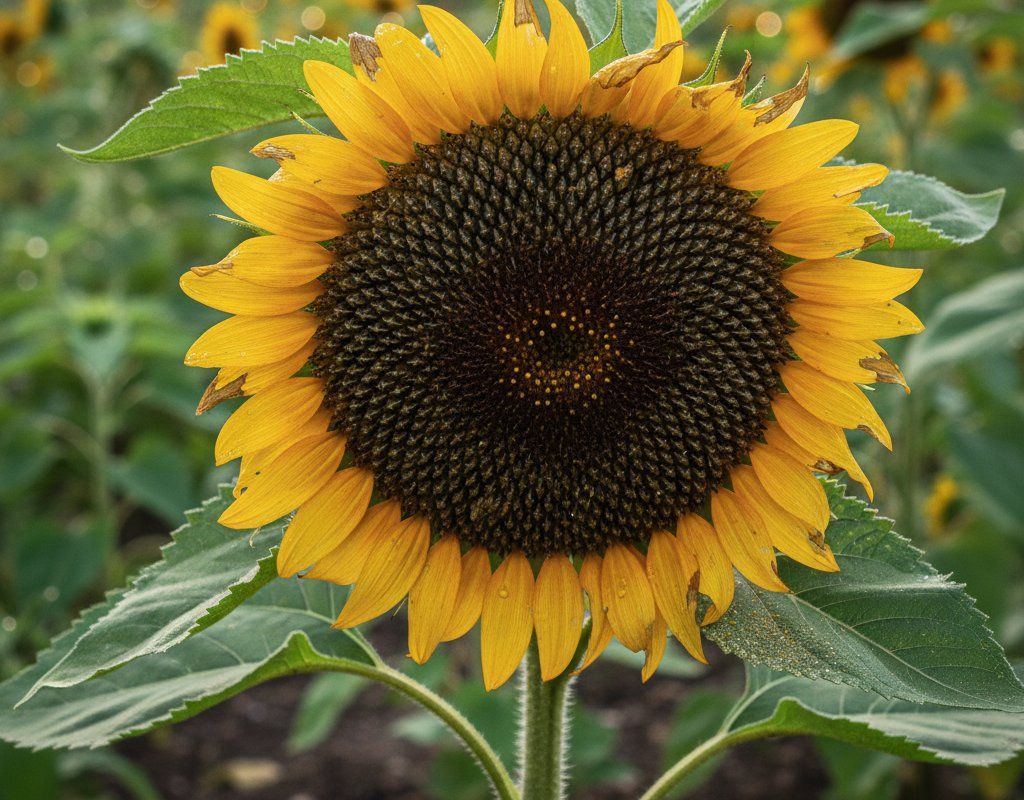
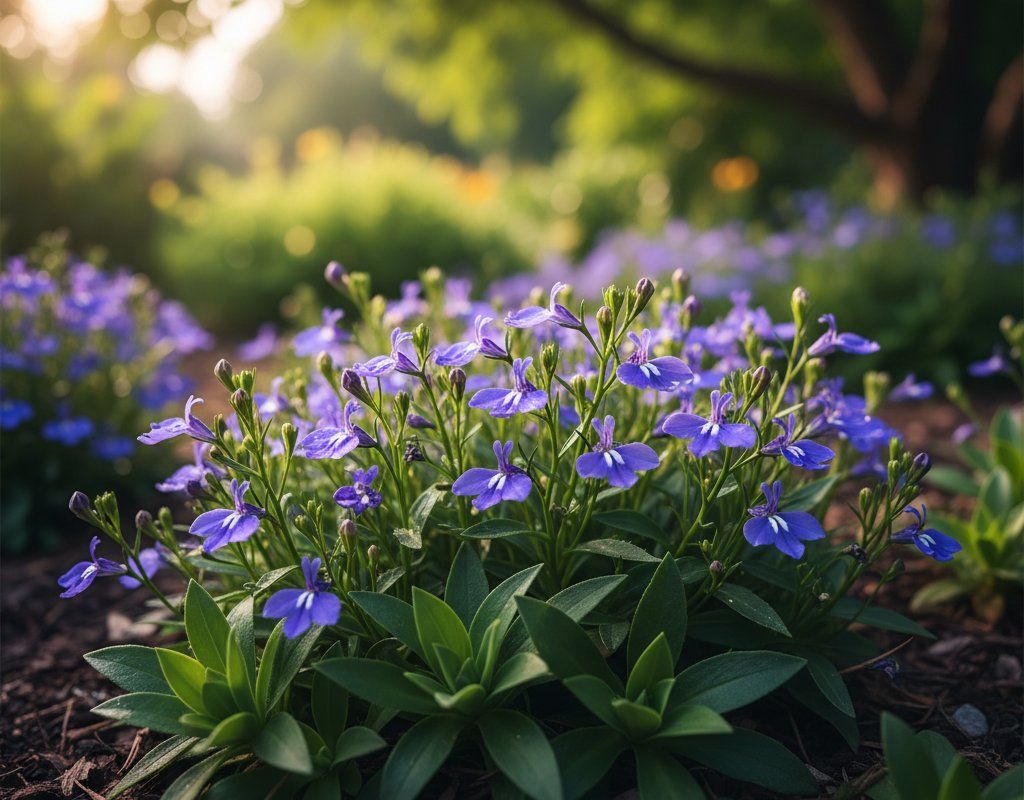
🌸Best Flowers to Plant with Spinach
These flowers protect your Spinach from pests and attract pollinators for better harvests.
For Pest Control



Get a Reminder When It's Time to Plant
We'll email you when key planting windows open for your zone.