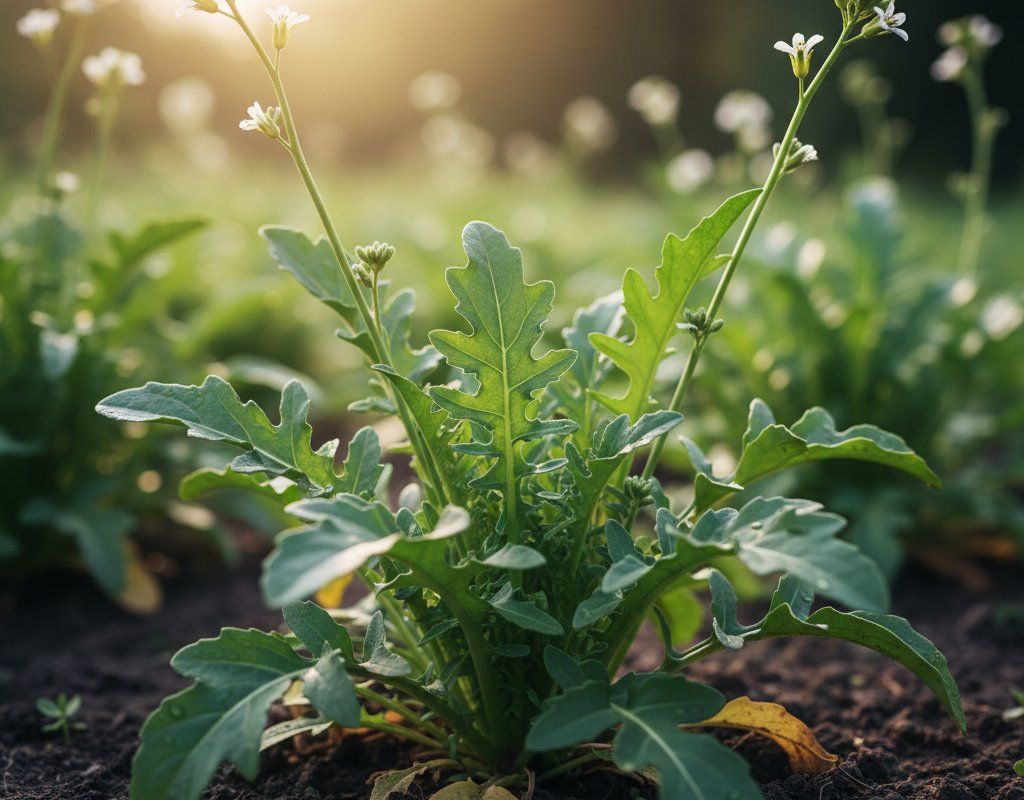
Arugula in Zone 3B — Great Plains
Eruca vesicaria · Your Complete 2026 Planting Guide
Planning Ahead — Great!
You’re ahead of the season. Here’s when to start.
Mark Your Calendar
How to Plant Arugula in Zone 3B — Great Plains
Here are all your options for getting arugula in the ground, from the easiest method to more advanced approaches.
Direct Sow Seeds
RecommendedLate April through late July
around April 22
Consider succession planting every 2-3 weeks for continuous harvest.
Fast-growing and easy to direct sow. Bolts in heat — plant in cool weather.
Start Seeds Indoors
RecommendedEarly to late April
around April 15
Then transplant: Early May through mid June
Start seeds 3-5 weeks before transplanting outdoors.
Buy Starts
Works WellEarly May through mid June
around May 6
Plant purchased starts after last frost (May 20).
Transplant Outdoors
Timing InfoEarly May through mid June
around May 6
Can tolerate light frost, but wait for soil to be workable.
You have a nice window — no need to rush.
Fall Planting
Late July through mid August
August 4 ideal · Direct sow for fall harvest
Plant a second crop in mid-summer for fall harvest. Arugula actually prefers the cooling temperatures of fall.
Overview
Arugula is a peppery green that thrives in our short Plains season, adding a unique flavor to salads and sandwiches. It’s quick to mature, offering a rewarding harvest even with our unpredictable spring starts and early fall frosts. Plus, it's incredibly versatile – use it fresh, in pesto, or even lightly sautéed.
Our extreme temperature swings and occasional hail are definitely challenges. But with careful timing and a little protection, you can easily enjoy a steady supply of this tasty green within our 118-day growing season. Don't let the Plains climate scare you off; arugula is a manageable and delicious addition to your garden.
Starting Seeds Indoors
Starting arugula indoors is an option, especially if you're eager for an early harvest, or if you want to get a head start before the ground thaws. Start your seeds indoors from early to late April, about 3 weeks before you plan to transplant them outside. This gives them a head start before our unpredictable spring weather hits.
Use seed trays or small pots filled with a good seed-starting mix. Keep them warm and provide plenty of light, either with a grow light or a sunny windowsill. Bottom watering is a good way to keep the soil consistently moist without overwatering. Remember, our variable Plains spring can bring late frosts, so keep an eye on the forecast.
Transplanting Outdoors
Transplant your arugula seedlings outdoors from early May through mid June, once the danger of hard frost has passed. Before transplanting, harden them off by gradually exposing them to outdoor conditions for about a week. This helps them adjust to the wind and temperature fluctuations that are common in our region.
Space the seedlings about 6 inches apart in a well-prepared garden bed. Be prepared for potential late-season cold snaps or even hail, which can set back young plants. Row covers can provide extra protection during these unpredictable weather events.
Direct Sowing
Direct sowing arugula is the easiest and most common method. The seeds germinate quickly, and you'll have fresh greens in no time. Sow seeds from late April through late July, ensuring you get a continuous harvest.
Prepare the soil by loosening it and removing any rocks or debris. Arugula prefers cool weather, so aim for soil temperatures between 45°F and 65°F. Sow seeds about ¼ inch deep and space them roughly 6 inches apart. Thin seedlings as needed to give them room to grow. Just be aware that arugula tends to bolt (go to seed) in hot weather, so time your plantings accordingly.
Watering Arugula in Zone 3B (Great Plains)
Arugula needs consistent moisture to thrive, but avoid overwatering, which can lead to problems. In our Plains climate, watering can be tricky because of the variable rainfall and hot summer temperatures. Arugula isn't very drought-tolerant, so keeping the soil moist is essential.
During the spring and fall, when temperatures are cooler and rainfall is more frequent, you might only need to water once or twice a week. The finger test is a good way to check: stick your finger about 2 inches into the soil. If it feels dry, it's time to water. In the heat of summer, you might need to water every day or every other day, giving them about an inch of water per week.
Water at the base of the plants to avoid wetting the leaves, which can increase the risk of fungal diseases, even with our low-to-moderate humidity. Signs of underwatering include wilting leaves and slow growth. Overwatering can lead to yellowing leaves and root rot. A light layer of mulch, like straw or shredded leaves, helps retain moisture and regulate soil temperature.
🧪Fertilizing Arugula
Feeding Schedule
Organic Fertilizer Options
Harvest Time
You can expect your first arugula harvest from early June through late September, about 40 days after planting. The leaves are ready to harvest when they're about 2-3 inches long. Smaller leaves have a milder flavor, while larger leaves have a more pronounced peppery taste.
Harvest by snipping off the outer leaves with scissors or a knife, leaving the inner leaves to continue growing. This encourages continuous production throughout the season. Be sure to harvest before the plants start to flower, as the leaves become bitter once they bolt.
As our first frost approaches around mid- September, harvest any remaining leaves to enjoy before the cold sets in. You can also cover the plants with a frost blanket to extend the harvest for a few more weeks.
Common Problems in Zone 3B (Great Plains)
Arugula, like any plant, can face challenges. Here's what to watch out for in our Plains gardens:
Flea Beetles
- What it looks like: Tiny round holes (shot-hole pattern) in leaves, especially on young seedlings. You might see small dark beetles that jump when disturbed.
- What causes it: These small jumping beetles love to feed on arugula leaves. They're most damaging to small, young plants, and can be particularly bad during dry spells.
- How to fix/prevent it: Row covers are your best bet for protecting seedlings. Delay planting until plants are larger and more resilient. You can also try spraying with kaolin clay or neem oil. Interplanting with basil or catnip may also help deter them.
Bolting in Heat
- What it looks like: The plant sends up a flower stalk, and the leaves become tough and bitter.
- What causes it: Arugula is a cool-season crop, and it bolts when temperatures rise. This is common during our hot Plains summers.
- How to fix/prevent it: Time your plantings for cool weather (spring and fall). Choose bolt-resistant varieties if available. Provide shade during warm spells with shade cloth. Mulch to keep the soil cool. Harvest frequently to delay bolting.
Aphids
- What it looks like: Clusters of tiny green, black, or white insects on stems and leaf undersides. You might also see sticky honeydew residue and curled or distorted new growth.
- What causes it: Aphids are sap-sucking insects that thrive in warm weather. They can multiply quickly and weaken your plants.
- How to fix/prevent it: A strong spray of water can knock them off. Encourage ladybugs and lacewings, which are natural predators. Insecticidal soap can be effective for heavy infestations. Avoid over-fertilizing with nitrogen, as this attracts them.
Downy Mildew
- What it looks like: Yellow patches on leaf tops with fuzzy gray-purple growth on undersides. Leaves turn brown and die from the bottom up.
- What causes it: This is a disease that spreads in cool, humid conditions via wind-carried spores.
- How to fix/prevent it: Remove affected leaves immediately. Improve air circulation by spacing plants properly. Water at the base, never overhead. Copper-based fungicides can help prevent it.
Great Plains Specific Challenges: Our hot summers, low-to-moderate humidity, and variable rainfall can make growing arugula tricky. Bolting is a major concern during the summer months, so focus on spring and fall plantings. Consistent watering is crucial to prevent drought stress and keep the leaves tender. Be prepared to provide shade during heat waves.
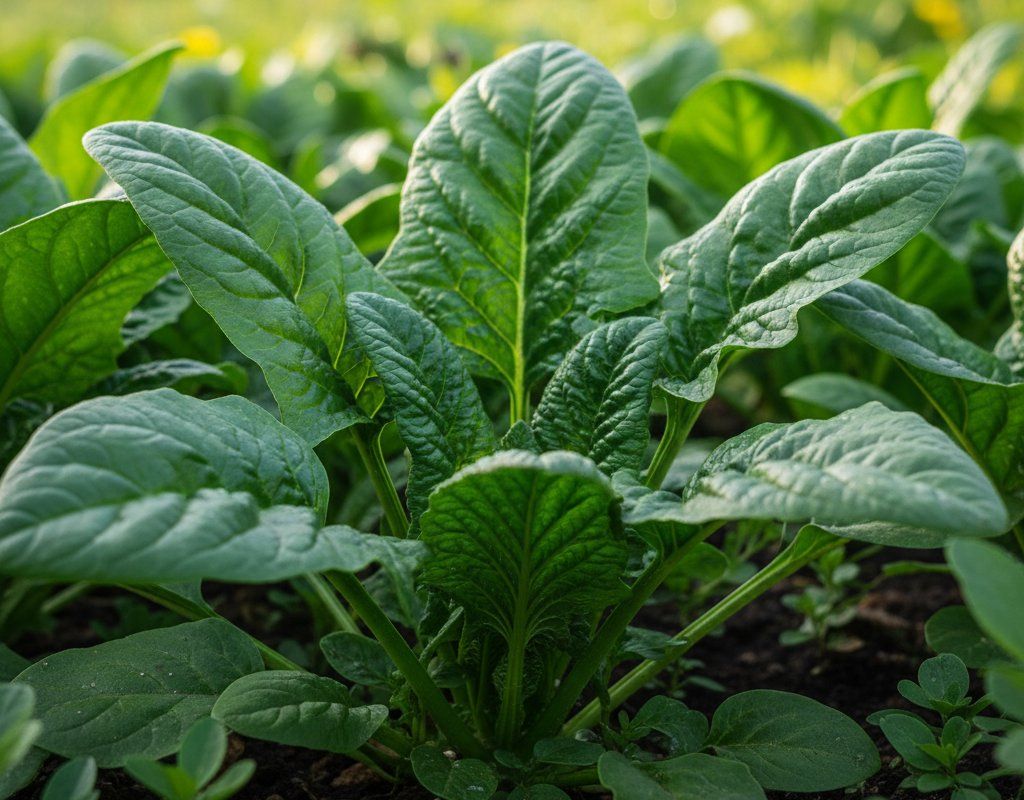
Best Companions for Arugula
Plant these nearby for healthier Arugula and better harvests.




Keep Away From

Companion Planting Details
Arugula benefits from companion planting. Lettuce and spinach make great neighbors, as they have similar growing requirements and won't compete for resources. Carrots and beets are also good companions because they help loosen the soil, making it easier for arugula roots to grow. Onions can help deter pests, protecting your arugula from unwanted visitors.
Avoid planting arugula near strawberries. Strawberries prefer slightly acidic soil, while arugula prefers a more neutral pH. This can create an imbalance that affects the growth of both plants.
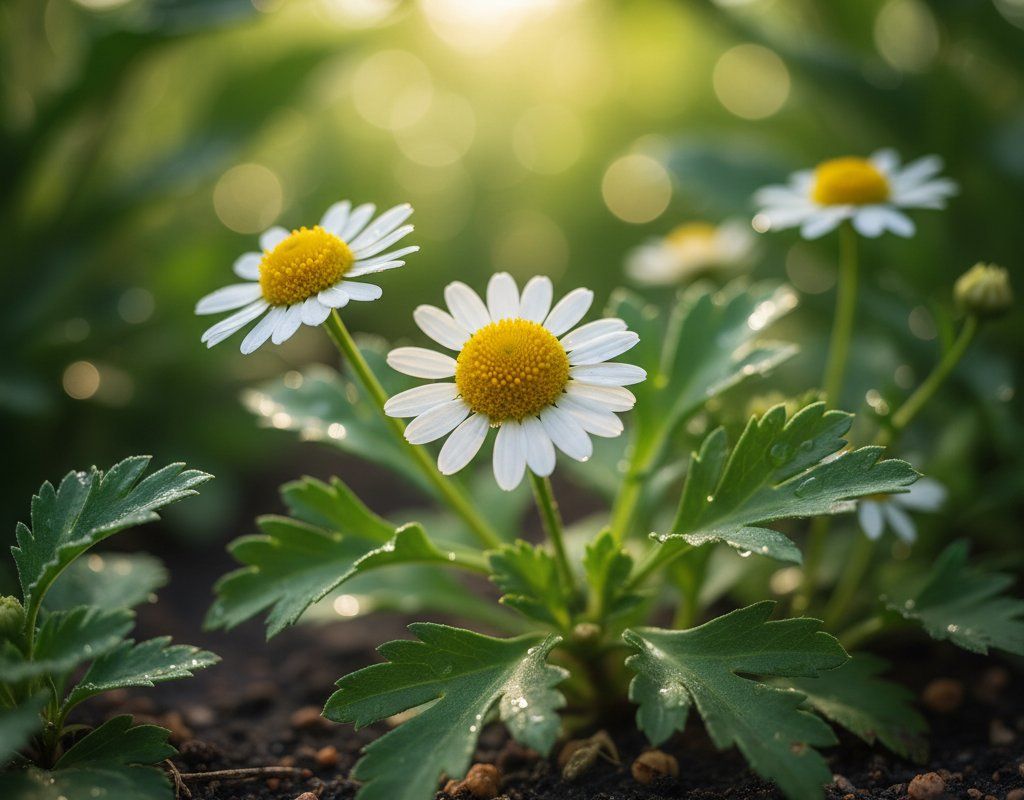
🌸Best Flowers to Plant with Arugula
These flowers protect your Arugula from pests and attract pollinators for better harvests.
For Pest Control


For Pollinators

Get a Reminder When It's Time to Plant
We'll email you when key planting windows open for your zone.