
Spinach in Zone 5A — Midwest
Spinacia oleracea · Your Complete 2026 Planting Guide
Ideal Time: Start Seeds Indoors!
This is the perfect time for the biggest, best harvest.
Start Seeds Now
- Start seeds in trays or pots with seed-starting mix
- Keep soil moist and warm (70-80°F)
- Transplant outdoors Early April through mid May
Not Starting from Seed?
Buy starts around April 3 — that works great too!
How to Plant Spinach in Zone 5A — Midwest
Here are all your options for getting spinach in the ground, from the easiest method to more advanced approaches.
Direct Sow Seeds
RecommendedMid March through mid August
around March 20
Consider succession planting every 2-3 weeks for continuous harvest.
Spinach loves cold soil. Direct sow as soon as ground can be worked.
Start Seeds Indoors
RecommendedLate February through mid March
around March 6
Then transplant: Early April through mid May
Start seeds 4-6 weeks before transplanting outdoors.
Buy Starts
Works WellEarly April through mid May
around April 3
Plant purchased starts after last frost (May 1).
Transplant Outdoors
Timing InfoEarly April through mid May
around April 3
Can tolerate light frost, but wait for soil to be workable.
You have a nice window — no need to rush.
Fall Planting
Early August through early September
August 24 ideal · Direct sow for fall harvest
Plant a second crop in mid-summer for fall harvest. Spinach actually prefers the cooling temperatures of fall.
Overview
Spinach transforms from that limp grocery store disappointment into something completely different when you grow it yourself in our Midwest climate. Fresh-picked leaves have a sweet, mineral taste that's perfect for everything from morning smoothies to warm wilted salads, and our fertile soil gives spinach the rich nutrition it craves. The best part? You can harvest continuously for months, getting multiple crops from spring through fall in our 157-day growing season.
Our variable spring weather and summer heat spells can make spinach tricky, but the timing is everything. This hardy green actually loves our cool spring soil and can handle light frosts better than most vegetables. Plant it right, and you'll have tender leaves ready while your neighbors are still waiting for their tomatoes to even think about going outside.
Starting Seeds Indoors
Starting spinach indoors isn't the most common approach, but it makes sense if you want an early jump on the season or better control over germination. You can start seeds from late February through mid-March, about four weeks before you plan to transplant outside. Our moderate-to-late spring character means this timing gives you flexibility without rushing into unpredictable weather.
Set up your seed trays in a cool spot—spinach actually prefers temperatures around 50-60°F, so a basement or unheated room works better than a warm kitchen windowsill. Bottom watering works especially well for spinach since the seeds can be prone to damping off if kept too wet on top.
The main advantage of starting indoors is getting around our clay soil challenges when it's still too wet to work in early spring. You'll have strong transplants ready to go as soon as the ground firms up.
Transplanting Outdoors
You can move spinach transplants outside from early April through mid-May, once the soil is workable and nighttime temperatures stay above 20°F consistently. Spinach handles cold better than most vegetables, so you don't need to wait until Memorial Day like you do with warm-season crops. Our spring weather swings mean you might get a surprise warm spell followed by a cold snap, but spinach takes it in stride.
Harden off your transplants over a week by gradually exposing them to outdoor conditions. Start with a few hours in a protected spot and work up to full days outside. This helps them adjust to our variable spring temperatures and wind.
Space transplants 4-6 inches apart in rows or scatter them in blocks. In our fertile Midwest soil, they'll spread into nice full rosettes that fill the gaps. Plant them at the same depth they were growing in their containers, and water them in well.
Direct Sowing
Direct sowing is actually the preferred method for spinach in our region because this crop loves cold soil and can go in as soon as you can work the ground. You can sow from mid-March through mid-August, though the spring and late summer plantings perform best in our climate. Spinach seeds germinate well in soil temperatures as low as 35°F, so don't wait for things to warm up.
Work your clay soil when it's dry enough to crumble in your hand rather than form a muddy ball. Add compost if you can—spinach is a heavy feeder and our rich soil becomes even better with organic matter. Sow seeds about half an inch deep and 2 inches apart, then thin to 4-6 inches once they're up.
The beauty of direct sowing is that you can make succession plantings every two weeks through spring and start again in late summer. Summer sowings can be challenging during our heat spells, but if you keep them watered and maybe provide some afternoon shade, they'll usually pull through.
Watering Spinach in Zone 5A (Midwest)
Spinach needs consistent moisture but not soggy soil—think of it as the Goldilocks of the vegetable garden. Our moderate-to-humid summers and 30-40 inches of annual rainfall mean you won't be watering as frantically as gardeners in drier regions, but you still need to pay attention during heat spells. Check soil moisture with your finger about 2 inches deep; it should feel like a wrung-out sponge.
During our typical spring weather, natural rainfall often handles most of the watering needs. But once summer heat arrives and temperatures hit the mid-80s regularly, you'll need to supplement with about an inch of water per week. Water early in the morning so the soil stays cooler through the day, which helps prevent bolting.
Always water at the base of the plants rather than overhead. Our moderate humidity creates perfect conditions for fungal problems when leaves stay wet, and spinach is particularly prone to downy mildew. A soaker hose or drip irrigation works perfectly, or just use a watering can with the spout close to the ground.
A thin layer of straw mulch helps retain moisture and keeps soil temperatures down during those inevitable heat spells we get in July and August. Just don't mulch too thickly—spinach likes good air circulation around the crown, and our clay soil needs to breathe between waterings.
🧪Fertilizing Spinach
Feeding Schedule
Organic Fertilizer Options
Harvest Time
You can start harvesting spinach about 40 days from seed, which puts your first spring harvest anywhere from late April through early May depending on when you planted. Look for outer leaves that are 3-4 inches long with good color and substance. They should feel crisp and substantial, not thin or wimpy.
The key to continuous harvest is cutting individual outer leaves while leaving the growing center intact. Use clean scissors or a sharp knife and cut the stems about an inch above the soil line. New leaves will keep coming from the center for weeks, giving you fresh spinach for salads and cooking throughout our growing season.
You can also harvest entire plants by cutting the whole rosette about an inch above ground level. This works especially well for baby spinach, and in our fertile soil, many plants will regrow for a second cutting. As summer heat intensifies, the leaves may become more substantial and better for cooking than raw eating.
Keep harvesting regularly through our 157-day season until the first hard frost in early October. Even when plants start to look a bit tired from summer heat, they often perk up with cooler September weather and give you one last flush of tender leaves.
Common Problems in Zone 5A (Midwest)
Bolting You'll know your spinach is bolting when it suddenly sends up a tall flower stalk from the center, and the leaves become bitter and tough. This is spinach's natural response to long days and heat stress, which unfortunately describes our Midwest summers perfectly. Once that flower stalk appears, the plant has shifted all its energy to making seeds instead of tender leaves.
Our summer heat spells trigger bolting faster than almost anything else. Plant spinach early enough to harvest before consistent 80°F days arrive, or wait until late summer for fall crops. Choose bolt-resistant varieties like 'Space' or 'Tyee' that tolerate heat better. Keep soil consistently moist during warm weather and provide afternoon shade if possible.
Downy Mildew This shows up as yellow patches on the top of leaves with fuzzy gray or purple growth on the undersides, eventually causing leaves to brown and die from the bottom up. Our moderate humidity and cool spring mornings create perfect conditions for this fungal disease to spread through wind-carried spores.
Improve air circulation by spacing plants properly and avoiding overhead watering. Water at the base of plants early in the morning so any moisture evaporates quickly. Remove affected leaves immediately and dispose of them—don't compost them. Copper-based fungicides can help with prevention, but good cultural practices matter more.
Leaf Miners These show up as squiggly white or tan tunnels winding through the leaves, created by tiny larvae that literally mine through the leaf tissue. You might see small black or yellow flies around your plants—those are the adults laying eggs. The damage makes leaves look terrible and can weaken plants significantly.
Remove affected leaves as soon as you see the telltale squiggles, and destroy them to break the life cycle. Row covers can prevent adult flies from laying eggs on your plants. In our region, leaf miners are most problematic during warm, humid periods in late spring and summer.
Midwest Specific Challenges Our combination of moderate-to-humid summers and clay soil creates particular challenges for spinach. The humidity encourages fungal problems while clay soil can stay too wet in spring and too dry during heat spells. Plant at the right times, improve drainage with compost, and focus on varieties bred for disease resistance in humid climates.
Best Companions for Spinach
Plant these nearby for healthier Spinach and better harvests.

Keep Away From
Companion Planting Details
Spinach plays well with most garden vegetables, making it perfect for intercropping in our fertile Midwest soil. Plant it alongside strawberries—the spinach provides ground cover while the berries are getting established, and both appreciate consistent moisture and rich soil. Peas and beans make excellent companions since they fix nitrogen that feeds the spinach, and their growing seasons overlap nicely with spinach's cool-weather preferences.
Brassicas like lettuce, cabbage, and radishes work well with spinach because they all enjoy cool weather and similar soil conditions. You can plant them in blocks together for efficient watering and harvest. There really aren't any bad companions for spinach—it's too short-lived and undemanding to cause problems for other plants, making it ideal for filling gaps in your garden throughout our growing season.
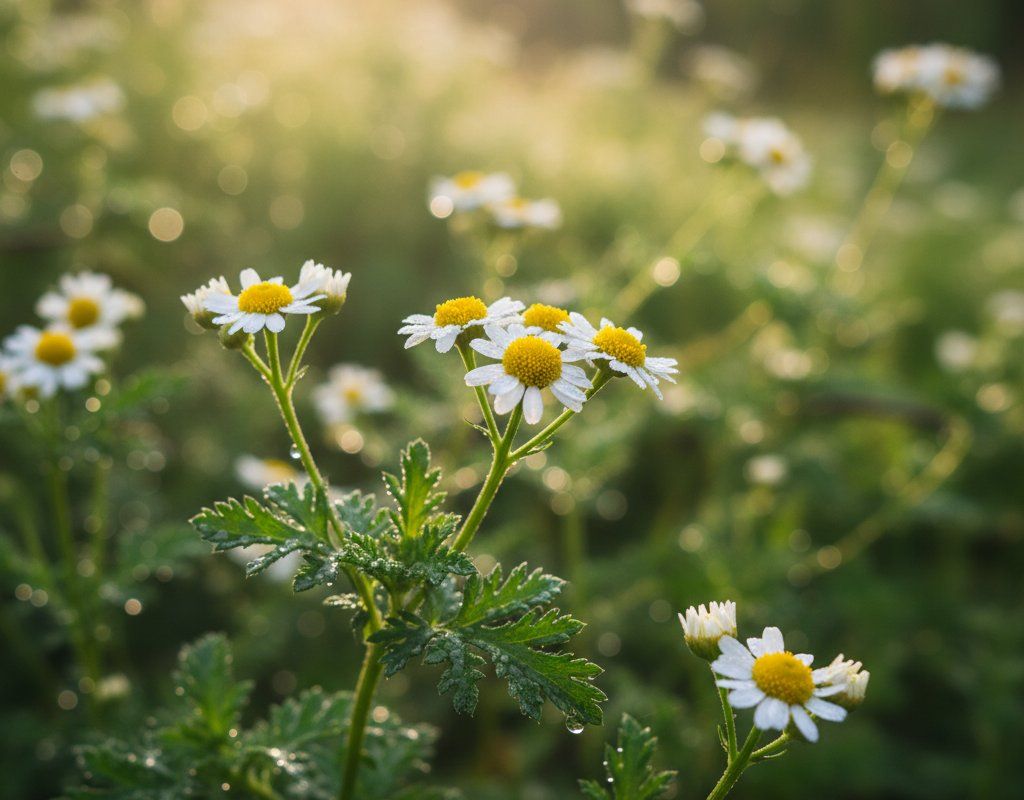
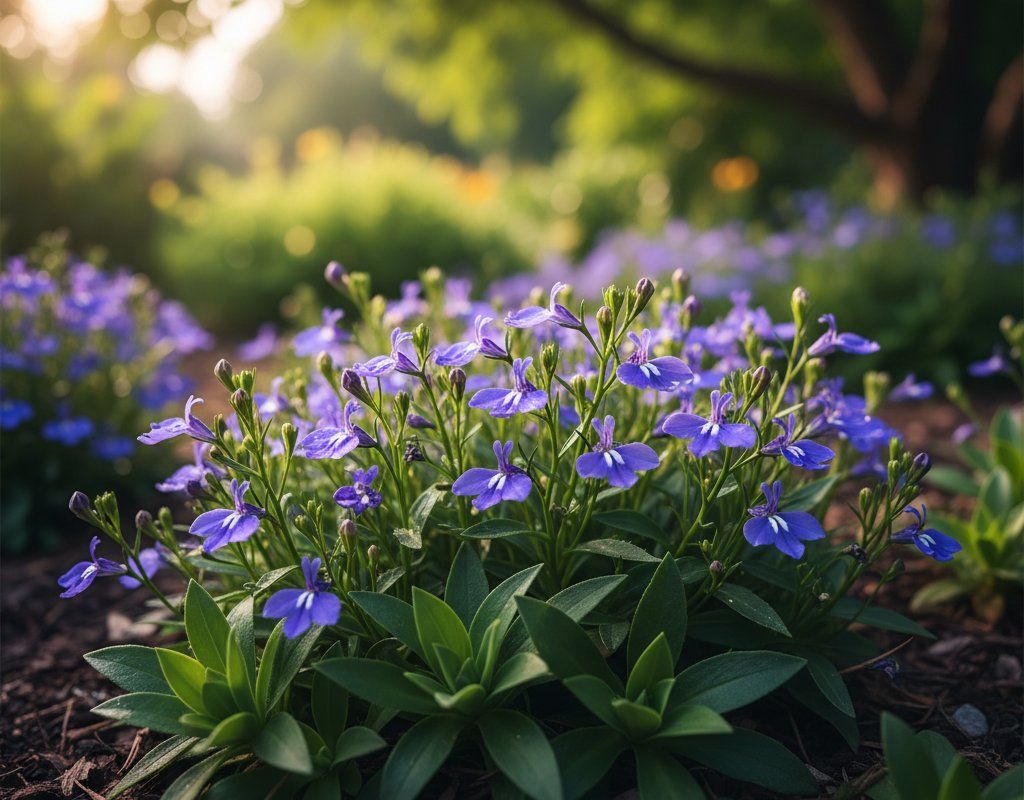
🌸Best Flowers to Plant with Spinach
These flowers protect your Spinach from pests and attract pollinators for better harvests.
For Pest Control



Get a Reminder When It's Time to Plant
We'll email you when key planting windows open for your zone.