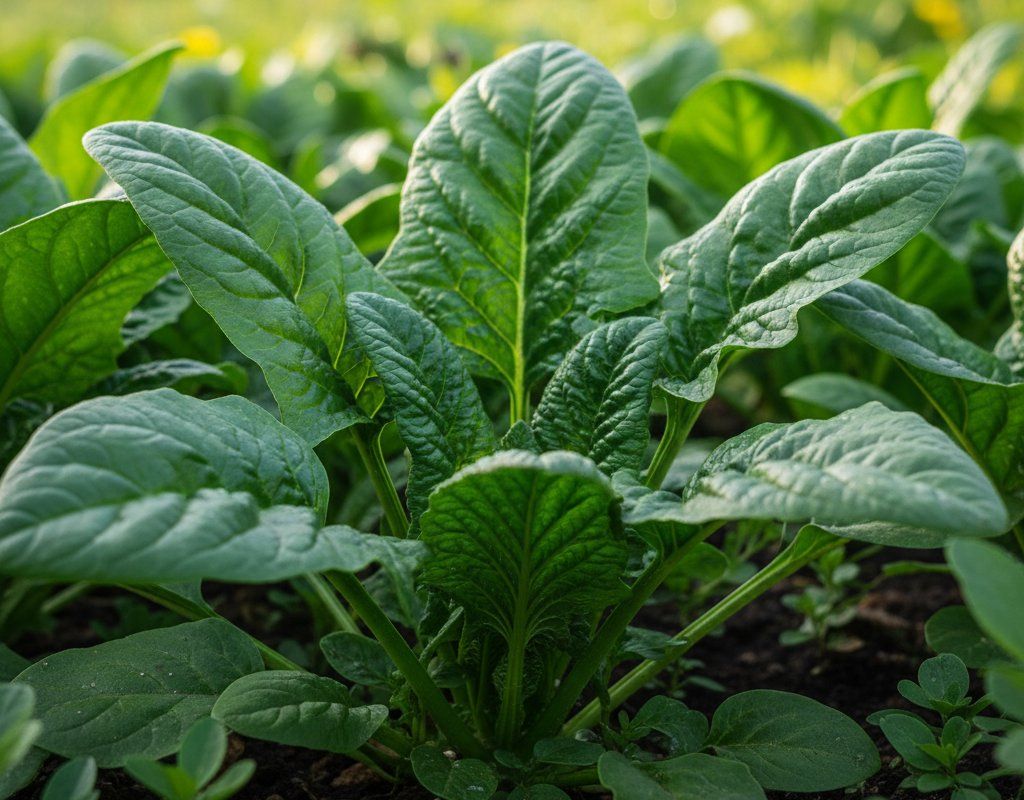
Spinach in Zone 5A — Mountain West
Spinacia oleracea · Your Complete 2026 Planting Guide
Planning Ahead — Great!
You’re ahead of the season. Here’s when to start.
Mark Your Calendar
How to Plant Spinach in Zone 5A — Mountain West
Here are all your options for getting spinach in the ground, from the easiest method to more advanced approaches.
Direct Sow Seeds
RecommendedLate March through early August
around March 29
Consider succession planting every 2-3 weeks for continuous harvest.
Spinach loves cold soil. Direct sow as soon as ground can be worked.
Start Seeds Indoors
RecommendedEarly to late March
around March 15
Then transplant: Mid April through late May
Start seeds 4-6 weeks before transplanting outdoors.
Buy Starts
Works WellMid April through late May
around April 12
Plant purchased starts after last frost (May 10).
Transplant Outdoors
Timing InfoMid April through late May
around April 12
Can tolerate light frost, but wait for soil to be workable.
You have a nice window — no need to rush.
Fall Planting
Late July through late August
August 14 ideal · Direct sow for fall harvest
Plant a second crop in mid-summer for fall harvest. Spinach actually prefers the cooling temperatures of fall.
Overview
Spinach thrives in our Mountain West climate like few other greens can. Our cool nights even in summer keep the leaves tender and sweet, while the intense sunlight at altitude produces remarkably dense, flavorful foliage that puts store-bought spinach to shame. You'll get multiple harvests from each plant, and the crisp mountain mornings make spinach picking a genuine pleasure.
The short growing season and late spring start might seem challenging, but spinach actually loves our cool conditions. With our 138-day growing season, you have plenty of time for both spring and fall crops. The key is working with our climate rather than against it—spinach bolts quickly in heat, so timing your plantings around our cool periods ensures tender leaves all season long.
Starting Seeds Indoors
Starting spinach indoors makes sense if you want to maximize your short season or get a jump on spring harvests. Sow seeds in early to late March, about 4 weeks before you plan to transplant outside. The seeds germinate quickly at 60-65°F, so a warm spot near a south-facing window works well.
Use seed trays with good drainage and practice bottom watering—spinach seedlings are prone to damping off if the surface stays too wet. Our dry mountain air helps here, but it also means seedlings can dry out quickly once they're up. Keep the soil consistently moist but not waterlogged.
Since our springs start late, indoor sowing gives you transplant-ready seedlings right when the soil becomes workable in mid-April. You'll be harvesting while direct-sown seeds are still germinating.
Transplanting Outdoors
Transplant your indoor-started spinach from mid-April through late May, once the soil has warmed slightly and the worst of the spring temperature swings have passed. Harden off seedlings gradually over a week—our intense mountain sun can shock tender indoor plants, so give them morning sun and afternoon shade for the first few days outside.
Space transplants 4-6 inches apart in rows or beds. Our alkaline soil works fine for spinach, but add compost if your soil is particularly heavy clay. The cool nights that are normal here actually benefit spinach, keeping the plants from bolting as quickly as they would in warmer climates.
Watch for late cold snaps through early May. While spinach handles frost well, newly transplanted seedlings appreciate row covers during unexpected temperature drops below 25°F.
Direct Sowing
Direct sowing is actually the preferred method for spinach in our mountain climate. Sow seeds from late March through early August, taking advantage of spinach's love for cold soil. You can plant as soon as the ground can be worked in spring—spinach seeds will germinate in soil temperatures as low as 35°F.
Prepare your beds by working in compost if needed, but don't worry much about our naturally alkaline soil. Sow seeds ½ inch deep and 2 inches apart, then thin to 4-6 inches once they're established. The cool soil that comes with our altitude is exactly what spinach prefers for strong root development.
For continuous harvests, succession plant every 2-3 weeks through late July. Skip planting during the hottest part of summer (late July through early August) unless you can provide afternoon shade, then resume fall plantings in late July through late August for harvests until first frost.
Watering Spinach in Zone 5A (Mountain West)
Spinach needs consistent moisture but not waterlogged conditions—a balance that's particularly important in our dry mountain climate. Our low humidity and intense sun can quickly stress plants if the soil dries out, causing them to bolt prematurely. Check soil moisture by sticking your finger 2 inches down; if it's dry, it's time to water.
Provide about 1 inch of water per week, adjusting for our typically dry conditions and occasional summer thunderstorms. Water early in the morning to keep soil cool through the day, which helps prevent bolting in our intense sunlight. With our low humidity, morning watering gives plants time to absorb moisture before the afternoon UV hits.
Water at the base of plants rather than overhead—our dry air means less disease pressure, but wet leaves in intense sun can still cause problems. Mulch lightly around plants with straw or grass clippings to retain moisture and keep soil cool. This is especially important during warm spells when our 85°F days combined with intense UV can quickly stress shallow-rooted spinach.
Signs of underwatering include wilting in morning hours and premature flower stalks. Overwatering shows as yellowing lower leaves and slow growth, though this is less common in our well-draining mountain soils.
🧪Fertilizing Spinach
Feeding Schedule
Organic Fertilizer Options
Harvest Time
Expect your first harvest in early May from indoor starts or direct sowings, continuing through early October with succession planting. Spinach reaches maturity in about 40 days, but you can start harvesting outer leaves when they're 3-4 inches long for baby spinach.
For continuous production, harvest the outer leaves first, leaving the center growing point intact. Cut leaves cleanly with scissors rather than tearing to avoid damaging the plant. In our cool mountain nights, plants often produce new leaves within a week of harvesting.
You can also cut entire plants about 1 inch above soil level for a full harvest, and they'll regrow for a second cutting. This works especially well with fall plantings when you want larger harvests before first frost hits in late September.
As temperatures warm in late spring or early summer, watch for flower stalks forming in the center—harvest immediately when you see these, as the leaves become bitter once the plant starts to bolt. Our cool nights help delay bolting, giving you a longer harvest window than gardeners in hotter climates.
Common Problems in Zone 5A (Mountain West)
Bolting Flower stalks shooting up from the center of the plant, often accompanied by bitter or tough leaves. In our mountain climate, this typically happens when warm days combine with the intense UV and long summer daylight hours, even though our nights stay cool.
Prevent bolting by timing plantings for cooler periods, providing afternoon shade during warm spells, and keeping soil consistently moist. Choose slow-bolt varieties like 'Space' or 'Corvair' for summer plantings. Our cool nights help, but the intense sunlight at altitude can still trigger bolting faster than you'd expect.
Downy Mildew Yellow patches on leaf tops with gray-purple fuzzy growth underneath, progressing to brown, dying leaves from the bottom up. While our low humidity reduces this risk compared to other regions, it can still occur during cool, damp spring weather or if you're overhead watering.
Improve air circulation between plants and always water at soil level, never on leaves. Remove affected leaves immediately and consider copper fungicide for severe cases. Our dry climate is actually an advantage here—just don't create humid conditions with poor spacing or overhead watering.
Leaf Miners Serpentine tunnels visible inside leaves, created by small fly larvae. The damage creates white trails through the leaf tissue, making leaves unsightly and reducing harvest quality.
Use row covers during peak fly activity in late spring and early summer. Remove affected leaves promptly and destroy them—don't compost. Beneficial insects like parasitic wasps help control miners naturally, and our intense UV actually helps kill larvae in exposed leaf tissue.
Mountain West Specific Challenges Our moderate-at-altitude temperatures combined with intense UV create unique growing conditions. While the cool nights prevent heat stress, the strong sunlight can still trigger bolting if plants become drought-stressed. The key is maintaining consistent soil moisture and providing some afternoon shade during the warmest part of summer.
Best Companions for Spinach
Plant these nearby for healthier Spinach and better harvests.
Keep Away From
Companion Planting Details
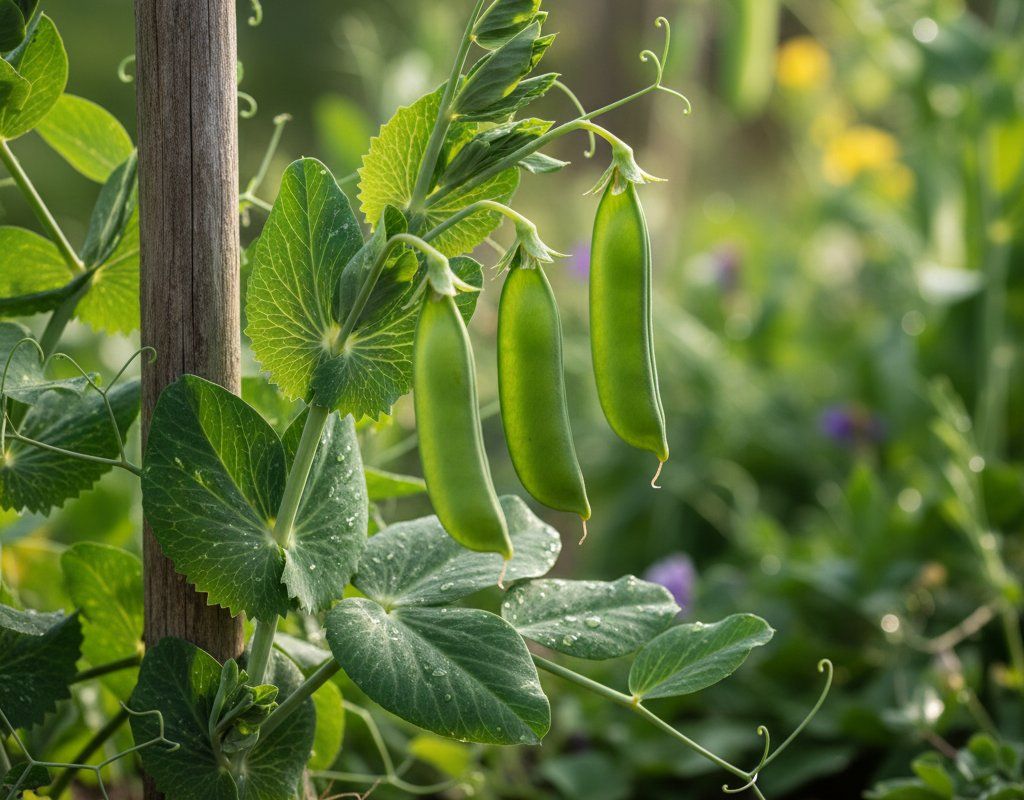
Spinach pairs beautifully with cool-season crops that share similar growing requirements in our mountain climate. Plant it alongside peas and beans—the legumes fix nitrogen that spinach loves, while the spinach provides ground cover that helps retain soil moisture in our dry conditions. Strawberries make excellent companions too, as both prefer cool conditions and consistent moisture.
Brassicas like lettuce, arugula, and radishes work well because they have similar water and timing needs, making bed management easier in our short season. Avoid planting spinach near heat-loving crops like tomatoes or peppers, as they'll need different watering schedules and the spinach will bolt before the warm-season crops even get established. Keep spinach in the cool-season rotation where it belongs.
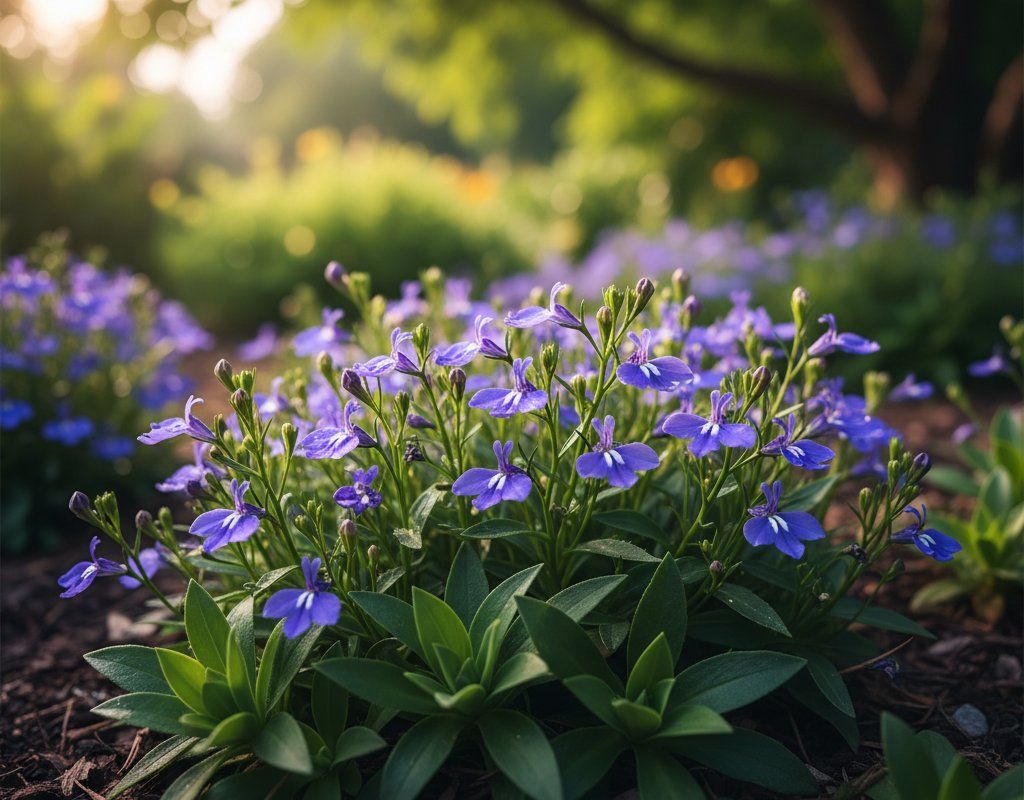
🌸Best Flowers to Plant with Spinach
These flowers protect your Spinach from pests and attract pollinators for better harvests.
For Pest Control




Get a Reminder When It's Time to Plant
We'll email you when key planting windows open for your zone.