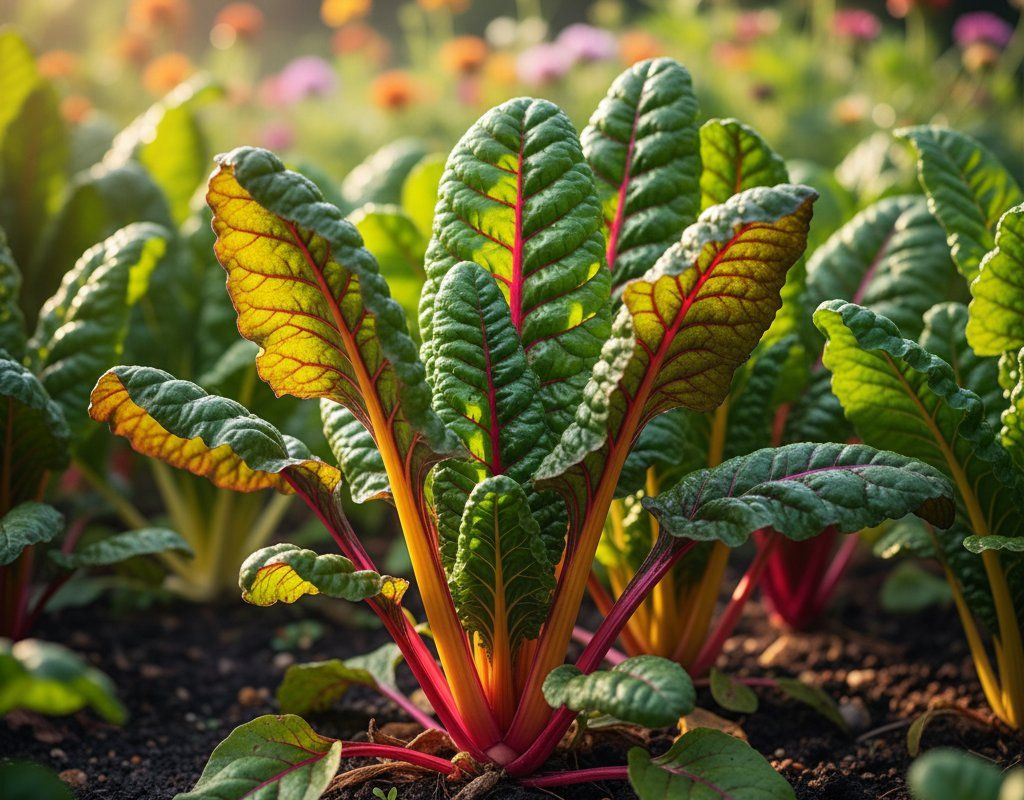
Swiss Chard in Zone 5B — Midwest
Beta vulgaris subsp. vulgaris · Your Complete 2026 Planting Guide
Planning Ahead — Great!
You’re ahead of the season. Here’s when to start.
Mark Your Calendar
How to Plant Swiss Chard in Zone 5B — Midwest
Here are all your options for getting swiss chard in the ground, from the easiest method to more advanced approaches.
Direct Sow Seeds
RecommendedMid April through early August
around April 11
Consider succession planting every 2-3 weeks for continuous harvest.
Start Seeds Indoors
RecommendedLate March through mid April
around March 28
Then transplant: Late April through late May
Start seeds 4-6 weeks before transplanting outdoors.
Buy Starts
Works WellLate April through late May
around April 25
Plant purchased starts after last frost (April 25).
Transplant Outdoors
Timing InfoLate April through late May
around April 25
Can tolerate light frost, but wait for soil to be workable.
You have a nice window — no need to rush.
Fall Planting
Late July through late August
August 8 ideal · Direct sow for fall harvest
Plant a second crop in mid-summer for fall harvest. Swiss Chard actually prefers the cooling temperatures of fall.
Overview
Swiss chard is a workhorse in the Midwest garden. It stands up to our summer heat better than spinach, and you can harvest those colorful, nutritious leaves all season long. Plus, it's just plain satisfying to pull those big, beautiful leaves for salads, sautés, or even to use in place of tortillas.
Our Midwest weather can be unpredictable, with those late frosts in spring and the occasional summer heat spells. But don't worry, Swiss chard is forgiving, and with a little attention to timing, you can easily fit several harvests into our 168-day growing season.
Starting Seeds Indoors
Starting Swiss chard indoors is an option, especially if you want a head start on the season. Aim to sow seeds indoors from late March through mid April, giving them about four weeks before transplanting. This can be helpful if you're eager to get harvesting as early as possible, but direct sowing works just as well.
Use seed trays or small pots filled with a good seed-starting mix. Keep them warm and provide plenty of light – a grow light works wonders. Water from the bottom to encourage strong root growth and prevent damping off. Given our moderate-to-late springs, this indoor jump can be helpful.
Transplanting Outdoors
Transplant your Swiss chard seedlings outdoors from late April through late May, once the danger of frost has passed. Before planting, harden them off by gradually exposing them to outdoor conditions for about a week. This helps them adjust to the sun and wind.
Space your plants 8-12 inches apart in fertile soil. Keep an eye on the weather forecast; we can still get some cool snaps even in late spring here in the Midwest, so be ready to cover your seedlings if needed.
Direct Sowing
Direct sowing Swiss chard is easy and often just as successful as starting indoors. Sow seeds from mid April through early August for a continuous harvest. The earlier you get them in, the more you'll harvest before winter.
Prepare your soil by loosening it and adding compost. Sow seeds about ½ inch deep and 8-12 inches apart. Keep the soil consistently moist until the seedlings emerge. Direct sowing bypasses the transplant shock and can result in stronger plants.
Watering Swiss Chard in Zone 5B (Midwest)
Swiss chard appreciates consistent moisture, especially during our Midwest summers. Aim to give your plants about 1 inch of water per week, either from rainfall or irrigation. Stick your finger about 2 inches into the soil; if it feels dry, it's time to water.
During our moderate-to-hot summer heat spells, you might need to water more frequently. It's best to water at the base of the plants to avoid wetting the leaves, which can encourage fungal diseases in our moderate-to-humid climate. Watch for signs of underwatering, like wilting leaves, or overwatering, like yellowing leaves.
A layer of mulch around your plants helps retain moisture, suppresses weeds, and keeps the soil cool, which is especially helpful during those hot spells we get here in the Midwest.
🧪Fertilizing Swiss Chard
Feeding Schedule
Organic Fertilizer Options
Harvest Time
You can start harvesting Swiss chard as early as early June, and continue through mid October! Look for outer stalks that are 8-12 inches long. The colorful stems are perfectly edible, so don't discard them.
To harvest, simply cut the outer stalks at the base of the plant, leaving the inner leaves to continue growing. This encourages continuous production throughout the season. If a frost is predicted in early October, harvest as much as you can and use it up or freeze it for later.
Common Problems in Zone 5B (Midwest)
Here are some common problems you might encounter with Swiss chard in the Midwest:
Leaf Miners
- What it looks like: Tan, squiggly lines or blotches inside the leaves.
- What causes it: Small flies lay eggs on leaves, and the larvae tunnel inside. Common in spring and early summer.
- How to fix/prevent it: Remove and destroy affected leaves. Cover plants with row covers to prevent flies from laying eggs.
Aphids
- What it looks like: Clusters of tiny soft-bodied insects (green, black, or white) on stems and leaf undersides. Sticky honeydew residue. Curled or distorted new growth.
- What causes it: Rapid-reproducing sap-sucking insects. Populations explode in warm weather. Ant colonies may farm them for honeydew.
- How to fix/prevent it: Strong water spray knocks them off. Encourage ladybugs and lacewings (natural predators). Insecticidal soap for heavy infestations. Neem oil works systemically. Avoid excess nitrogen fertilizer (it attracts them).
Cercospora Leaf Spot
- What it looks like: Small, circular spots on leaves that start out gray and turn brown with reddish-purple borders.
- What causes it: A fungal disease that thrives in warm, humid conditions. Spreads by splashing water.
- How to fix/prevent it: Remove and destroy affected leaves. Improve air circulation by spacing plants properly. Water at the base of the plants. Apply a copper-based fungicide if necessary.
Slugs
- What it looks like: Irregular holes in leaves, especially low-growing plants. Silvery slime trails on leaves and soil. Damage worse at night and in wet weather.
- What causes it: Gastropods that feed at night in moist conditions. Hide under mulch, boards, and debris during the day.
- How to fix/prevent it: Beer traps (shallow dish of beer sunk into soil). Iron phosphate bait (pet-safe). Remove hiding spots. Water in morning so soil surface dries by evening. Copper tape around beds. Diatomaceous earth around plants.
Midwest Specific Challenges: Our moderate-to-hot heat and moderate-to-humid humidity can create ideal conditions for fungal diseases and pests. Be vigilant about monitoring your plants and taking action early to prevent problems from getting out of control.
Best Companions for Swiss Chard
Plant these nearby for healthier Swiss Chard and better harvests.
View Full Companion Planting Chart →




Companion Planting Details
Swiss chard benefits from companion planting. Lettuce planted nearby helps to suppress weeds and provide ground cover, keeping the soil cool. Onions and garlic deter pests with their strong scent. Green beans fix nitrogen in the soil, benefiting the chard. Cabbage is another good choice, as it shares similar growing requirements and doesn't compete for nutrients.
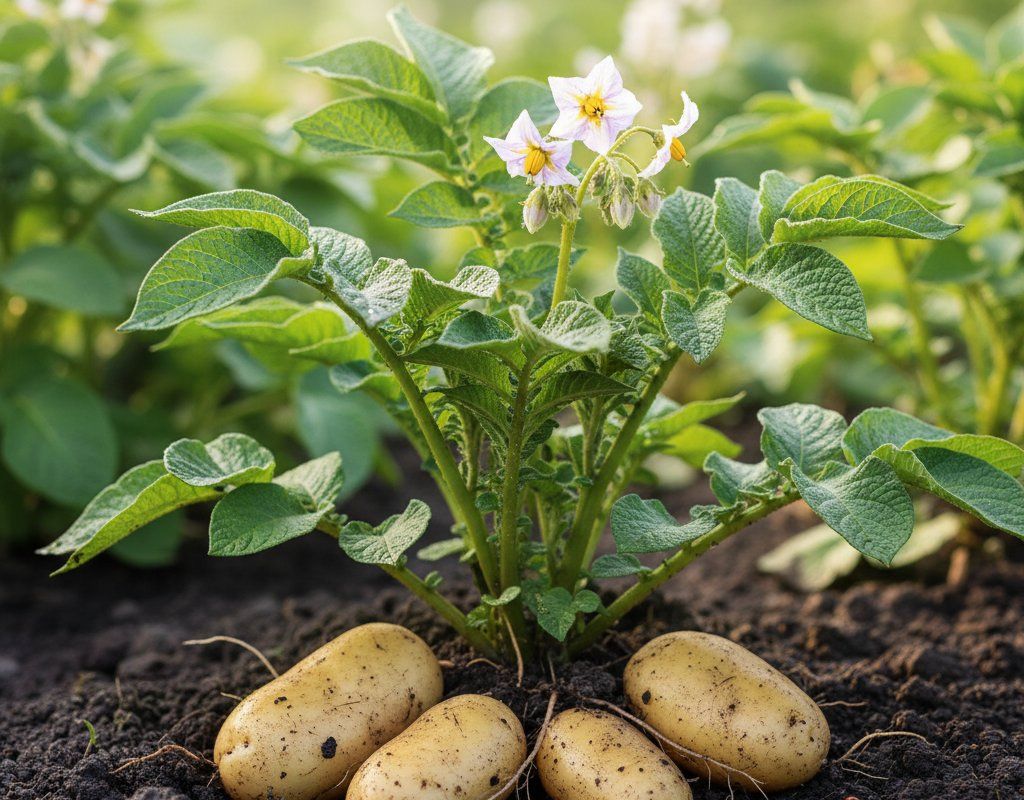
Avoid planting Swiss chard near corn or potatoes. Corn is a heavy feeder and can deplete the soil, while potatoes can attract pests that also affect chard. By choosing the right companions, you can create a thriving and productive garden.
🌸Best Flowers to Plant with Swiss Chard
These flowers protect your Swiss Chard from pests and attract pollinators for better harvests.
For Pest Control



For Pollinators

Get a Reminder When It's Time to Plant
We'll email you when key planting windows open for your zone.