
Spinach in Zone 5B — Northeast
Spinacia oleracea · Your Complete 2026 Planting Guide
Last Call for Seed Starting!
Indoor seed starting window closes in 10 days.
Start Seeds This Week
Start seeds now for transplanting later.
Or Wait for Starts
If you don’t want to start seeds, starts will be available around March 28.
How to Plant Spinach in Zone 5B — Northeast
Here are all your options for getting spinach in the ground, from the easiest method to more advanced approaches.
Direct Sow Seeds
RecommendedMid March through mid August
around March 14
Consider succession planting every 2-3 weeks for continuous harvest.
Spinach loves cold soil. Direct sow as soon as ground can be worked.
Start Seeds Indoors
RecommendedLate February through mid March
around February 28
Then transplant: Late March through early May
Start seeds 4-6 weeks before transplanting outdoors.
Buy Starts
Works WellLate March through early May
around March 28
Plant purchased starts after last frost (April 25).
Transplant Outdoors
Timing InfoLate March through early May
around March 28
Can tolerate light frost, but wait for soil to be workable.
You have a nice window — no need to rush.
Fall Planting
Mid August through mid September
August 29 ideal · Direct sow for fall harvest
Plant a second crop in mid-summer for fall harvest. Spinach actually prefers the cooling temperatures of fall.
Overview
Spinach is one of the most rewarding crops you can grow in our Northeast climate. Our cool nights and moderate summer temperatures create perfect conditions for tender, sweet leaves that put grocery store spinach to shame. You'll have fresh spinach for salads, smoothies, and cooking from late April straight through to our first frost in early October.
Our short 168-day growing season and late spring actually work in spinach's favor. This cool-season crop thrives in our moderate summers and can handle our unpredictable spring weather better than most vegetables. With succession plantings throughout our growing season, you'll never run out of fresh leaves.
Starting Seeds Indoors
Starting spinach indoors makes sense when you want the earliest possible harvest or need to work around our rocky New England soil preparation. Sow seeds from late February through mid-March in seed trays, about 4 weeks before your planned transplant date.
Keep seed trays at 60-70°F for germination, which typically takes 7-10 days. Bottom watering works best to prevent damping off and keeps the soil evenly moist without disturbing tiny seedlings. Once germinated, provide bright light and cooler temperatures around 55-60°F.
Since spinach actually prefers cool soil and can handle frost, indoor starting isn't essential like it is for warm-season crops. Direct sowing often gives equally good results with less work, but indoor starts give you more control over timing in our unpredictable spring weather.
Transplanting Outdoors
Transplant your indoor-started spinach seedlings from late March through early May, timing it with when you can work your soil consistently. Our late spring means you'll often be transplanting into cool, sometimes soggy conditions - exactly what spinach loves.
Harden off seedlings gradually over a week by exposing them to outdoor conditions for increasing periods daily. Start with 2-3 hours in a sheltered spot and work up to full days outside. This process is especially important in our region where temperature swings can stress tender plants.
Space transplants 4-6 inches apart in rows or blocks. Plant them at the same depth they were growing in their containers. The cool soil temperature that often frustrates us with warm-season crops is perfect for spinach establishment.
Direct Sowing
Direct sowing is often the preferred method for spinach in our region since this crop loves cold soil and can handle our variable spring weather. Sow seeds from mid-March through mid-August, starting as soon as you can work your rocky soil consistently.
Plant seeds ½ inch deep and 2 inches apart, then thin to 4-6 inches once seedlings emerge. In our often-compacted soils, work in some compost to improve drainage while retaining moisture. Spinach germinates well in soil temperatures as low as 35°F, so don't wait for warm soil like you would with beans or squash.
For continuous harvest, make succession plantings every 2-3 weeks through summer. Stop plantings in late August to allow the final crop to mature before our early October frost arrives.
Watering Spinach in Zone 5B (Northeast)
Spinach needs consistent moisture throughout our growing season, requiring about 1 inch of water per week when rainfall isn't sufficient. Our moderate-to-humid conditions mean you'll rarely need to water daily, but never let the soil dry out completely since drought stress triggers early bolting.
Use the finger test - stick your finger 2 inches into the soil near your plants. If it's dry at that depth, it's time to water. In our typically humid summers, morning watering works best to allow excess moisture to evaporate during the day and prevent disease issues.
Water at the base of plants rather than overhead, especially given our moderate humidity levels. Wet leaves combined with our occasional warm, muggy conditions create perfect environments for downy mildew and other fungal problems. A soaker hose or drip irrigation works perfectly.
Apply a thin layer of straw mulch around plants to retain moisture and keep soil temperatures cool during our brief but sometimes intense summer heat. This is especially important in July and August when even our moderate temperatures can stress spinach if the soil dries out.
🧪Fertilizing Spinach
Feeding Schedule
Organic Fertilizer Options
Harvest Time
Expect your first harvest from late April through mid-October, depending on when you planted. Spinach is ready to harvest about 40 days from seed, but you can start taking outer leaves when they're 3-4 inches long for baby spinach.
For cut-and-come-again harvests, take only the outer leaves and let the center continue growing. Alternatively, cut the entire rosette about 1 inch above soil level - the plant will regrow from the crown for additional harvests. Morning harvesting gives you the crispest leaves since they're fully hydrated from overnight dew.
Keep harvesting regularly to prevent bolting, especially as day length increases through summer. Once flower stalks appear, the leaves become bitter and tough. In late September, harvest entire plants before our early October frost, though spinach can handle light frosts down to about 28°F.
Make your final harvest when consistently cold weather arrives. Unlike warm-season crops, there's no rushing to beat the first frost - spinach often improves in flavor after a light frost sweetens the leaves.
Common Problems in Zone 5B (Northeast)
Bolting Your spinach suddenly sends up a tall flower stalk and the leaves turn bitter. This premature flowering ruins your harvest as the plant shifts energy from producing tender leaves to making seeds.
Heat, long days, and drought stress trigger bolting in our region. Even our moderate summer temperatures can cause problems if you're not providing consistent moisture and some afternoon shade during hot spells in July and August.
Choose slow-bolt varieties for summer plantings and provide shade cloth during heat waves. Keep soil consistently moist and consider succession planting every few weeks rather than large single plantings. Plant your main crop in early spring when cool weather naturally prevents bolting.
Downy Mildew Yellow patches appear on leaf tops with fuzzy gray-purple growth on the undersides, especially during our humid spring conditions. Leaves eventually brown and die from the bottom up, destroying your harvest.
Our moderate-to-humid climate creates perfect conditions for this fungal disease, particularly during cool, wet spring weather or when watering overhead in humid conditions.
Remove affected leaves immediately and improve air circulation by proper spacing. Always water at soil level rather than overhead watering, which is especially important in our humid conditions. Apply copper-based fungicides preventively if downy mildew has been a problem in previous seasons.
Leaf Miners Serpentine tunnels appear in leaves created by tiny fly larvae feeding between the leaf surfaces. While rarely fatal, heavy infestations make leaves unappetizing and reduce plant vigor.
Adult flies lay eggs on leaf surfaces, and the hatched larvae tunnel through leaves. This pest is common throughout our region and can have multiple generations per season.
Use floating row covers early in the season to prevent adult flies from laying eggs. Remove affected leaves promptly to break the lifecycle. Yellow sticky traps can help monitor and reduce adult populations.
Northeast Specific Challenges Our moderate summer heat and moderate-to-humid conditions actually favor spinach over many other regions, but the combination of humidity with occasional warm spells creates ideal conditions for fungal diseases. Focus on proper spacing, ground-level watering, and choosing disease-resistant varieties to make the most of our excellent spinach-growing climate.
Best Companions for Spinach
Plant these nearby for healthier Spinach and better harvests.

Keep Away From
Companion Planting Details
Spinach pairs beautifully with strawberries in our Northeast gardens - the spinach provides living mulch that keeps strawberry roots cool and moist, while the strawberries offer light shade during hot summer days. Plant peas and beans nearby since their nitrogen-fixing roots benefit the heavy-feeding spinach, and their climbing growth habit doesn't compete for ground space.
Brassicas like lettuce, arugula, and Asian greens make excellent companions since they share similar growing requirements and pest management strategies. They all prefer our cool spring and fall conditions and can be succession planted together for continuous harvests. Avoid planting spinach where water tends to pool, as our spring rains combined with heavy clay soils can create drainage issues that affect all these crops.
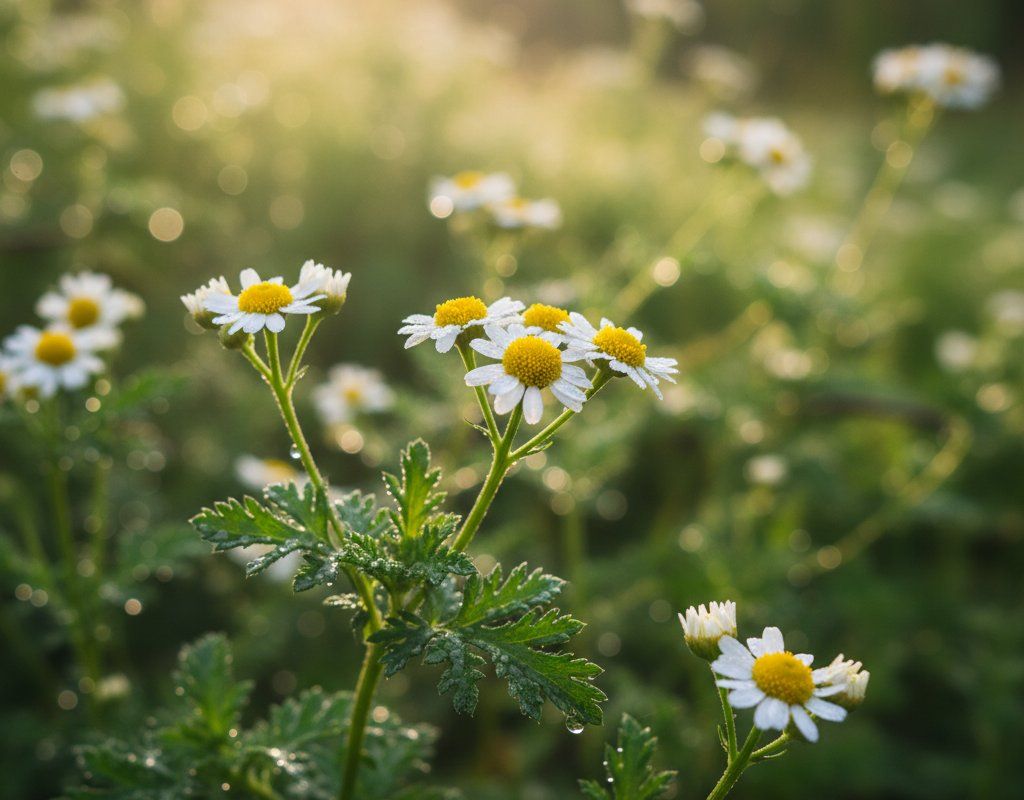
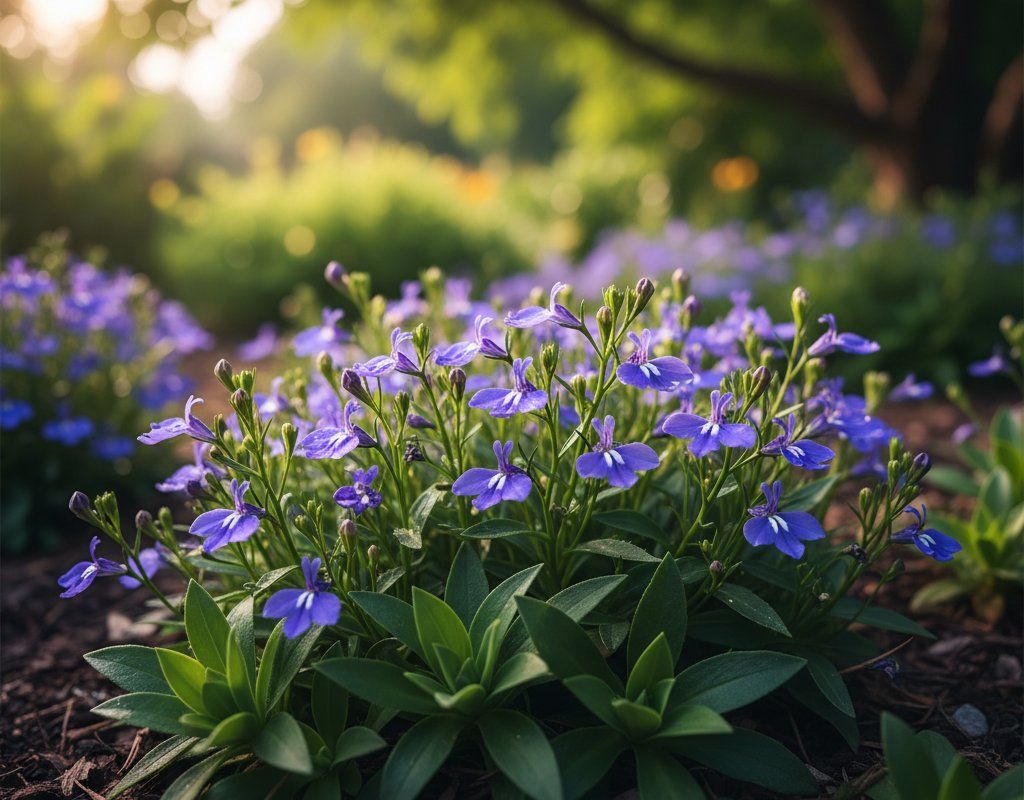
🌸Best Flowers to Plant with Spinach
These flowers protect your Spinach from pests and attract pollinators for better harvests.
For Pest Control



Get a Reminder When It's Time to Plant
We'll email you when key planting windows open for your zone.