
Lettuce in Zone 5B — Northeast
Lactuca sativa · Your Complete 2026 Planting Guide
Planning Ahead — Great!
You’re ahead of the season. Here’s when to start.
Mark Your Calendar
How to Plant Lettuce in Zone 5B — Northeast
Here are all your options for getting lettuce in the ground, from the easiest method to more advanced approaches.
Direct Sow Seeds
RecommendedLate March through mid August
around March 28
Consider succession planting every 2-3 weeks for continuous harvest.
Lettuce germinates easily in cool soil. Succession sow every 2-3 weeks.
Start Seeds Indoors
RecommendedEarly to late March
around March 14
Then transplant: Mid April through late May
Start seeds 4-6 weeks before transplanting outdoors.
Starting indoors gives you an earlier harvest.
Buy Starts
Works WellMid April through late May
around April 11
Plant purchased starts after last frost (April 25).
Lettuce starts are inexpensive and widely available.
Transplant Outdoors
Timing InfoMid April through late May
around April 11
Can tolerate light frost, but wait for soil to be workable.
You have a nice window — no need to rush.
Fall Planting
Mid August through mid September
August 29 ideal · Direct sow for fall harvest
Plant a second crop in mid-summer for fall harvest. Lettuce actually prefers the cooling temperatures of fall.
Overview
Lettuce is one of the most rewarding crops for Northeast gardeners, delivering fresh, crisp leaves with far better flavor than anything you'll find in the store. Our cool nights naturally sweeten lettuce and extend the harvest window, while the moderate summer temperatures keep plants from bolting as quickly as they would in hotter regions. You can grow everything from delicate butterhead varieties to sturdy romaine, and with succession planting, you'll have fresh salads from late spring through fall.
While our 168-day growing season might seem limiting, lettuce actually thrives in our Northeast climate. The key is working with our late spring start and planning around our early October frost. With proper timing, you can squeeze in multiple plantings and enjoy homegrown lettuce for nearly six months of the year.
Starting Seeds Indoors
Starting lettuce seeds indoors makes sense if you want the earliest possible harvest in the Northeast. Sow seeds in early to late March, about four weeks before your planned transplant date. Our springs can be unpredictable, so having sturdy transplants ready gives you flexibility when the weather finally cooperates.
Use standard seed-starting trays with good drainage, and keep the soil consistently moist through bottom watering rather than sprinkling from above. Lettuce germinates well in cool conditions, so you don't need a heat mat. Place trays near a sunny window or under grow lights, and thin seedlings to the strongest ones once they develop their first true leaves.
This method gives you a head start on the growing season, but honestly, lettuce transplants are inexpensive and widely available at local nurseries. Unless you're growing specialty varieties, direct sowing often works just as well in our climate.
Transplanting Outdoors
Transplant your lettuce seedlings outdoors from mid-April through late May, timing it around our last frost date. Start hardening them off about a week before transplanting by gradually exposing them to outdoor conditions for increasing periods each day. Our spring weather can swing dramatically, so this gradual transition prevents transplant shock.
Space transplants 6-12 inches apart depending on the variety - leaf lettuces can be closer together while head lettuces need more room to develop. Plant them at the same depth they were growing in their containers, and water them in well. The cool spring soil in the Northeast is perfect for lettuce establishment.
Keep row covers handy during those first few weeks, especially if late frost threatens. Our rocky New England soil can be challenging, so work in some compost before planting to improve drainage and provide nutrients. Young transplants are also attractive to deer, so consider protection if that's an issue in your area.
Direct Sowing
Direct sowing lettuce works beautifully in the Northeast from late March through mid-August. The seeds germinate easily in cool soil, often better than in warm conditions, which gives us an advantage over gardeners in hotter climates. Start your first sowings as soon as you can work the soil in spring, even if night temperatures still dip into the 30s.
Prepare the soil by working in compost to improve drainage in our often heavy, rocky soils. Sow seeds about ¼ inch deep and space them according to your variety - 6 inches for leaf lettuce, up to 12 inches for large head types. The seeds will germinate in 7-10 days in cool spring conditions.
For continuous harvests, succession plant every 2-3 weeks through summer. During our hottest weeks in July and August, choose heat-tolerant varieties and provide some afternoon shade. The beauty of direct sowing is simplicity - no transplant shock, no hardening off, and lettuce that's perfectly adapted to your specific soil conditions.
Watering Lettuce in Zone 5B (Northeast)
Lettuce needs consistent moisture throughout the growing season, and our moderate Northeast climate actually makes this easier than in many other regions. With our 40-50 inches of annual rainfall spread fairly evenly, you'll often get natural help, but don't rely on rain alone. Check soil moisture by sticking your finger 2 inches down - if it's dry, it's time to water.
During typical Northeast summers with highs around 82°F, plan to provide about 1 inch of water per week if rainfall doesn't cover it. Our moderate-to-humid conditions mean water doesn't evaporate as quickly as in drier climates, but lettuce's shallow root system still dries out fast. Water at soil level rather than overhead - our humidity already creates good conditions for fungal diseases, so keeping the leaves dry helps prevent problems.
In spring and fall, when temperatures are cooler and humidity higher, you can often reduce watering frequency. Watch for signs of stress: wilting in the afternoon heat (even mild heat) usually means the roots need more moisture. Overwatering shows up as yellowing lower leaves and slow growth.
A 2-3 inch layer of organic mulch around plants helps retain moisture and keeps the soil cool, which lettuce appreciates during our summer heat waves. Grass clippings or shredded leaves work well and break down to improve our often rocky soil over time.
🧪Fertilizing Lettuce
Feeding Schedule
Organic Fertilizer Options
Harvest Time
Your first lettuce harvest will typically come in mid-May if you started with transplants, extending through mid-October until hard frost ends the season. With our 45-day average maturity, succession plantings every few weeks give you continuous harvests throughout our growing season. Look for leaf lettuce when individual leaves reach 4-6 inches long, or harvest whole heads when they feel firm and full.
For leaf lettuce, cut outer leaves about an inch above the crown, leaving the center to continue producing. This "cut and come again" method works perfectly in our cool Northeast climate where plants don't bolt as quickly. Head lettuce should be cut at soil level when the heads feel solid - squeeze gently to test firmness.
Watch for the telltale signs of bolting as summer heat builds: a tall center stalk starting to form means the plant is shifting to seed production and leaves will turn bitter. Our cool nights help delay this process compared to hotter regions, but once bolting starts, harvest immediately even if heads aren't fully mature.
As early October frost approaches, harvest your final plantings all at once. Lettuce won't survive hard frost, but you can often extend the season by covering plants during light frosts. The last plantings of the season often produce the sweetest leaves as our cool fall nights concentrate sugars.
Common Problems in Zone 5B (Northeast)
Bolting appears as a tall center stalk shooting up from the lettuce crown, and leaves become increasingly bitter as this happens. Our Northeast climate actually helps prevent early bolting compared to hotter regions, but it can still occur during heat waves or if plants experience drought stress. Keep soil consistently moist, provide afternoon shade during the hottest days, and choose bolt-resistant varieties for summer plantings.
Aphids show up as clusters of tiny green, black, or white insects on stem tips and leaf undersides, often leaving behind sticky honeydew residue. These sap-sucking pests multiply rapidly during warm, humid weather, which we certainly get in Northeast summers. Blast them off with a strong water spray from your hose, or use insecticidal soap for heavier infestations. Encourage beneficial insects like ladybugs by planting diverse flowers nearby.
Slugs create irregular holes in leaves and leave silvery slime trails, especially problematic in our often-moist Northeast conditions. They feed at night and hide under mulch or debris during the day. Set beer traps by sinking shallow dishes of beer into the soil, or use iron phosphate bait around plants. Remove potential hiding spots and water in the morning so soil surfaces dry by evening.
Tip burn causes brown, dried edges on inner leaves, similar to blossom end rot in tomatoes. This calcium uptake problem worsens with inconsistent watering and high nitrogen fertilizer. In our moderate climate, maintain steady soil moisture and avoid over-fertilizing. Choose resistant varieties and ensure your soil has adequate calcium levels.
Northeast Specific Challenges: Our moderate heat and humidity actually create ideal conditions for most lettuce problems to develop slowly rather than exploding overnight. The challenge is often our rocky soil that doesn't hold moisture evenly, leading to the water stress that triggers both bolting and tip burn. Deer pressure is significant throughout our region, so consider row covers or fencing for protection.
Best Companions for Lettuce
Plant these nearby for healthier Lettuce and better harvests.
View Full Companion Planting Chart →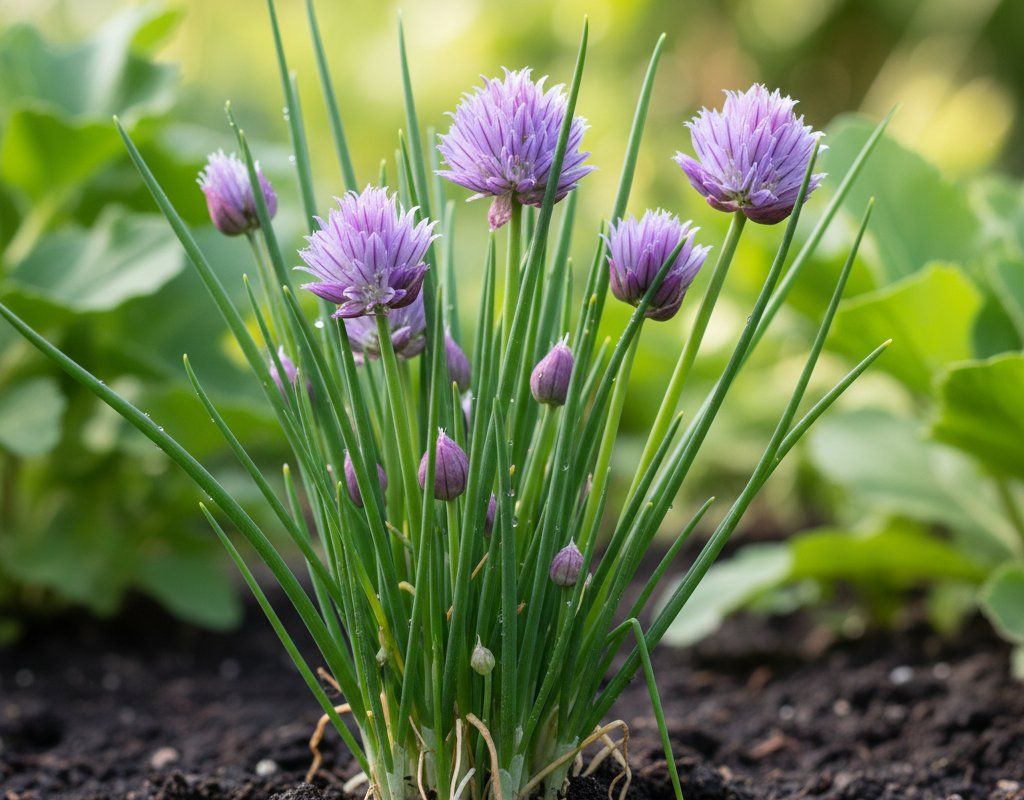


Companion Planting Details
Lettuce pairs beautifully with carrots and radishes in Northeast gardens - the root crops help break up our often compacted, rocky soil while the lettuce provides living mulch that keeps the soil cool and moist. Plant carrots in the same bed as leaf lettuce since both prefer consistent moisture, and the carrots will be ready to harvest just as the lettuce finishes. Radishes mature so quickly they'll be gone before competing with slower lettuce varieties.
Chives and other alliums make excellent lettuce companions, helping deter aphids and other soft-bodied pests common in our humid summers. Strawberries work well too, providing ground cover and sharing similar water needs. Avoid planting lettuce near celery or parsley - they're heavy feeders that compete for nutrients, and they attract similar pests, concentrating problems in one area of your garden.
🌸Best Flowers to Plant with Lettuce
These flowers protect your Lettuce from pests and attract pollinators for better harvests.
For Pest Control





Get a Reminder When It's Time to Plant
We'll email you when key planting windows open for your zone.