
Spinach in Zone 6A — Pacific Northwest
Spinacia oleracea · Your Complete 2026 Planting Guide
Planning Ahead — Great!
You’re ahead of the season. Here’s when to start.
Mark Your Calendar
How to Plant Spinach in Zone 6A — Pacific Northwest
Here are all your options for getting spinach in the ground, from the easiest method to more advanced approaches.
Direct Sow Seeds
RecommendedLate March through mid August
around March 29
Consider succession planting every 2-3 weeks for continuous harvest.
Spinach loves cold soil. Direct sow as soon as ground can be worked.
Start Seeds Indoors
RecommendedEarly to late March
around March 15
Then transplant: Mid April through late May
Start seeds 4-6 weeks before transplanting outdoors.
Buy Starts
Works WellMid April through late May
around April 12
Plant purchased starts after last frost (May 10).
Transplant Outdoors
Timing InfoMid April through late May
around April 12
Can tolerate light frost, but wait for soil to be workable.
You have a nice window — no need to rush.
Fall Planting
Early August through early September
August 24 ideal · Direct sow for fall harvest
Plant a second crop in mid-summer for fall harvest. Spinach actually prefers the cooling temperatures of fall.
Overview
Spinach thrives in our Pacific Northwest climate like few other greens can. Our mild summers rarely stress this cool-season crop, while those signature cool nights keep the leaves tender and sweet well into what would be bolting season elsewhere. You'll harvest continuously from spring through fall, with flavors that put store-bought spinach to shame – no more of that flavorless, gritty stuff that wilts the moment it hits your salad bowl.
Our wet springs and cool soil might delay your start compared to warmer zones, but that's actually perfect for spinach. This hardy green loves the gradual warmth-up our 148-day growing season provides, and you can succession plant through our dry summer months without the bolting problems that plague gardeners in hotter climates. Time it right, and you'll be harvesting fresh spinach when the first October frost takes down your summer crops.
Starting Seeds Indoors
Starting spinach indoors isn't the most common approach, but it makes sense if you want the earliest possible harvest or need to work around our unpredictable spring weather. Start seeds early to late March, about four weeks before your planned transplant date. Our overcast spring days mean seedlings won't get leggy as quickly as they might elsewhere.
Use standard seed-starting trays with good drainage, and keep them consistently moist with bottom watering rather than overhead sprinkling. Spinach seeds germinate best around 60-65°F, which is often warmer than our outdoor temperatures in early spring. A heat mat helps if your indoor space runs cool.
The main advantage of indoor starting in the Pacific Northwest is getting around our cool, wet spring soil conditions. You can have sturdy transplants ready when the weather finally cooperates, rather than waiting for direct-sow conditions that might be weeks away.
Transplanting Outdoors
Transplant your indoor-started spinach seedlings from mid-April through late May, once you're past the risk of hard freezes and soil has warmed slightly. In our climate, this timing aligns well with when direct-sown seeds would just be getting established anyway.
Harden off seedlings gradually over a week – our spring temperature swings can shock plants that go straight from indoor warmth to outdoor reality. Space transplants 4-6 inches apart in rows or beds. Spinach doesn't need wide spacing since you'll harvest the outer leaves continuously rather than letting each plant reach full size.
Plant on an overcast day if possible, which isn't hard to find in spring around here. The cool, mild conditions are actually ideal for transplant establishment. Water them in well, but don't worry about providing shade protection like you might need in hotter climates.
Direct Sowing
Direct sowing works beautifully for spinach in the Pacific Northwest – probably better than indoor starting for most situations. Sow seeds from late March through mid-August, which gives you multiple succession plantings throughout our growing season. Spinach actually prefers cool soil, so you can plant as soon as your ground is workable in spring.
Prepare your soil with some compost, but don't overdo the nitrogen or you'll get lush leaves that attract more pests. Plant seeds about half an inch deep and 2 inches apart, then thin to 4-6 inches as they grow. The cool, moist conditions of late March and April are perfect for germination – usually within 7-10 days.
Our long, mild fall gives you an excellent second season for spinach. Plant again in early August through early September for harvests that continue until the first hard frost. Fall-grown spinach often tastes even better, as those cool nights really concentrate the sugars in the leaves.
Watering Spinach in Zone 6A (Pacific Northwest)
Spinach needs consistent moisture but not waterlogged conditions – think "evenly moist sponge" rather than "soggy mess." In our dry-summer climate, this means paying attention once our winter rains stop, usually by late May or early June. Check soil moisture by sticking your finger 2 inches deep; if it's dry there, it's time to water.
During our dry summer months, plan on about an inch of water per week, including rainfall. This is less than what gardeners in hotter, more humid areas need because our mild temperatures (rarely above 90°F) mean less evaporation. Water at soil level rather than overhead – our dry summer air won't cause the humidity problems that overhead watering can create elsewhere, but it's still more efficient.
Watch for signs of water stress: leaves that wilt in the afternoon heat (even our mild heat), or worse, premature bolting. Spinach bolts quickly when stressed by drought, and once it sends up that flower stalk, the leaves turn bitter. A 2-inch layer of straw mulch helps retain moisture and keeps soil temperatures cool.
During our wet season from October through April, you'll rarely need supplemental watering. In fact, make sure your beds drain well to prevent root rot during our heaviest rains. Raised beds or added organic matter help with drainage while still holding appropriate moisture for the roots.
🧪Fertilizing Spinach
Feeding Schedule
Organic Fertilizer Options
Harvest Time
You can start harvesting spinach about 40 days after direct sowing, or 4-5 weeks after transplanting – typically early May for spring plantings in our area. The beauty of spinach is continuous harvest: pick the outer leaves when they're 3-4 inches long, leaving the center to keep producing. This cut-and-come-again method works perfectly in our mild climate.
For individual leaves, harvest in the morning when they're crisp and full of moisture. Grab the leaf stem close to the base and twist gently, or use clean scissors. You can also cut the entire rosette about an inch above soil level – it will regrow for a second harvest, though the leaves may be smaller.
As summer progresses into our dry months, keep harvesting regularly to prevent the plant from putting energy into bolting. Even in our mild heat, long days can trigger flowering. Fall plantings often provide the best-tasting spinach, with those cool nights keeping leaves tender right through October.
When the first frost approaches in early October, harvest everything at once. Spinach can handle light frosts, but a hard freeze will damage the leaves. You'll often get one last flush of growth during those mild fall days before winter truly sets in.
Common Problems in Zone 6A (Pacific Northwest)
Bolting shows up as a tall flower stalk shooting from the center of your spinach plant, with the leaves quickly turning bitter and tough. In the Pacific Northwest, this usually happens during our longest days in late June and July, especially if you haven't kept plants consistently watered during the dry period. Even our mild summer heat can trigger bolting when combined with drought stress.
Plant spinach at the right times for our climate – early spring and late summer work best. During summer plantings, choose bolt-resistant varieties and provide afternoon shade if possible. Keep soil consistently moist during our dry months, and don't let plants experience water stress even briefly.
Downy mildew appears as yellow patches on leaf tops with fuzzy gray-purple growth underneath, eventually browning and killing leaves from the bottom up. Our wet springs create perfect conditions for this disease, especially when cool temperatures linger. The spores spread easily in the moist air during overcast periods.
Remove affected leaves immediately and improve air circulation around plants. Water at soil level, never overhead, which is especially important during our humid spring months. Consider copper-based fungicides as prevention if downy mildew has been a problem in previous years.
Leaf miners create winding white trails through leaves as tiny larvae tunnel between leaf surfaces. The damage looks like someone drew squiggly lines with white ink. While not usually fatal, it makes leaves unappetizing and weakens the plant over time.
Remove affected leaves and destroy them – don't compost them. Row covers during peak egg-laying periods help, though you'll need to balance protection with air circulation. Beneficial insects usually keep populations in check in our region.
Pacific Northwest Specific Challenges: Our cool, wet springs can slow growth and increase disease pressure, while our dry summers require more attention to watering than gardeners in naturally humid areas might expect. However, our mild temperatures mean spinach rarely suffers from the heat stress that makes this crop nearly impossible to grow in summer elsewhere.
Best Companions for Spinach
Plant these nearby for healthier Spinach and better harvests.

Keep Away From
Companion Planting Details
Spinach pairs beautifully with strawberries, peas, and beans in Pacific Northwest gardens. Strawberries provide living mulch that helps retain moisture during our dry summer months, while their shallow roots don't compete with spinach. The nitrogen-fixing peas and beans actually improve soil for the spinach, and all these crops appreciate similar cool, moist conditions.
Brassicas like kale, cabbage, and broccoli make good neighbors since they share similar cultural needs and timing in our climate. Plant them together in spring, and they'll all appreciate the same consistent moisture and cool growing conditions. Avoid planting spinach near large, aggressive plants that might shade it out – in our already-limited summer sun, spinach needs all the light it can get while still preferring some protection from the strongest afternoon rays.
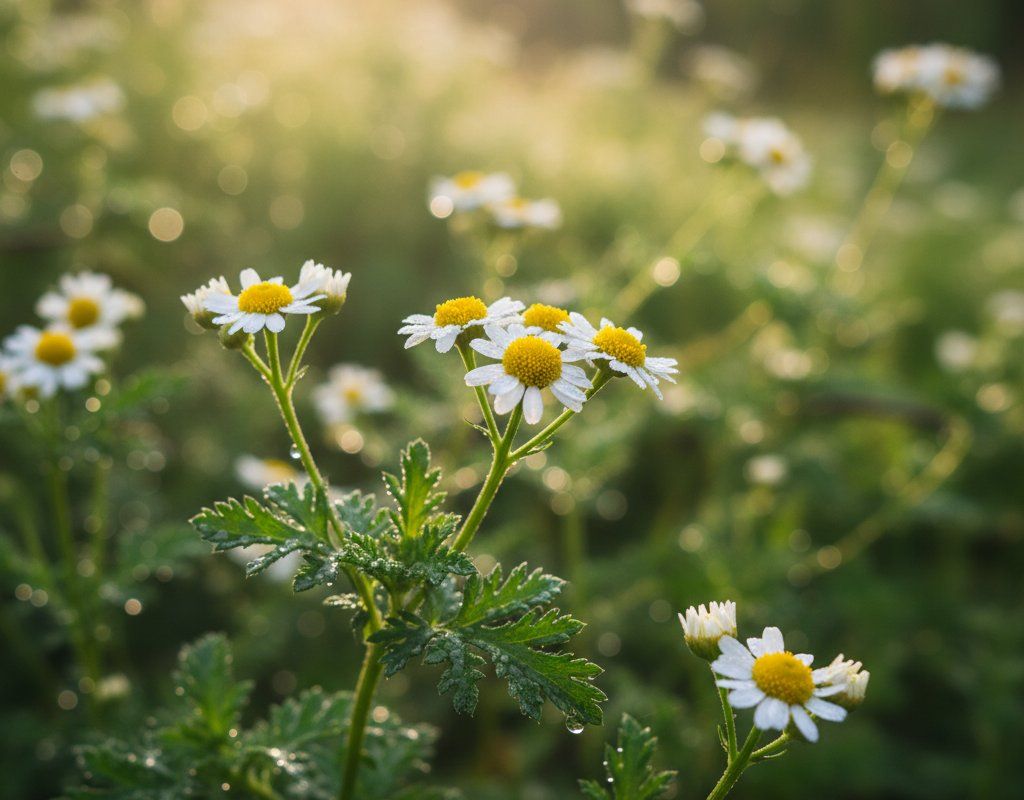
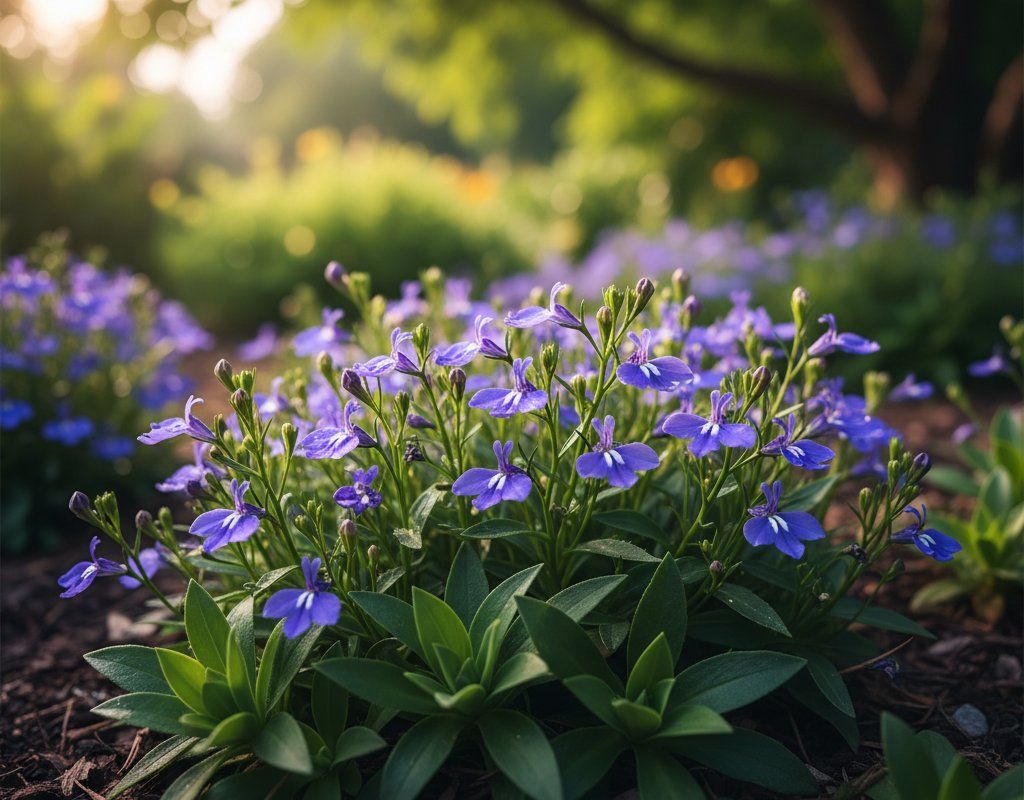
🌸Best Flowers to Plant with Spinach
These flowers protect your Spinach from pests and attract pollinators for better harvests.
For Pest Control



Get a Reminder When It's Time to Plant
We'll email you when key planting windows open for your zone.