
Spinach in Zone 7B — Southeast
Spinacia oleracea · Your Complete 2026 Planting Guide
Time to Buy Starts!
Seed starting window passed, but starts are available now.
Buy Starts Now
Head to your local nursery, Home Depot, or farmers market for transplants.
- Look for stocky plants with dark green leaves
- Avoid leggy seedlings or plants already flowering
- Check that roots aren't circling the pot (rootbound)
How to Plant Spinach in Zone 7B — Southeast
Here are all your options for getting spinach in the ground, from the easiest method to more advanced approaches.
Direct Sow Seeds
RecommendedEarly February through mid September
around February 6
Consider succession planting every 2-3 weeks for continuous harvest.
Spinach loves cold soil. Direct sow as soon as ground can be worked.
Start Seeds Indoors
RecommendedMid January through early February
around January 23
Then transplant: Mid February through early April
Start seeds 4-6 weeks before transplanting outdoors.
Buy Starts
Works WellMid February through early April
around February 20
Plant purchased starts after last frost (March 20).
Transplant Outdoors
Timing InfoMid February through early April
around February 20
Can tolerate light frost, but wait for soil to be workable.
You have a nice window — no need to rush.
Fall Planting
Mid September through mid October
September 29 ideal · Direct sow for fall harvest
Plant a second crop in mid-summer for fall harvest. Spinach actually prefers the cooling temperatures of fall.
Overview
Spinach is one of the most rewarding leafy greens you can grow in Zone 7B, offering nutrient-packed harvests when store-bought options are at their most expensive and least flavorful. Here in the Southeast, our moderate springs and extended falls give you two perfect growing windows, while the long 235-day growing season means you can succession plant for months of fresh leaves. The taste difference between homegrown spinach and those wilted grocery store bags is remarkable – your spinach will be crisp, sweet, and packed with flavor.
Our hot, humid summers do present challenges for this cool-season crop, but smart timing makes spinach absolutely manageable in our climate. The key is working with our natural rhythm – planting during the cooler months and using our reliable spring and fall weather to your advantage. With proper planning, you'll harvest fresh spinach from mid-March clear through mid-November.
Starting Seeds Indoors
Starting spinach indoors isn't the most common approach, but it has its place in Southeast gardens. If you want the earliest possible harvest or need more control over germination, start seeds indoors from mid-January through early February, about 4 weeks before your planned transplant date.
Set up seed trays in a cool location – spinach actually prefers cooler soil temperatures around 50-60°F for germination. Use bottom watering to keep the soil evenly moist without encouraging fungal issues that our humid climate can promote. A grow light or sunny windowsill works well, but avoid overly warm spots since spinach doesn't appreciate heat even as a seedling.
The main advantage of indoor starting in our region is getting a jump on the season when outdoor conditions might still be too variable. Our moderate spring weather means you won't gain as much time as gardeners in harsher climates, but it's still worth considering for your first succession planting.
Transplanting Outdoors
Transplant your spinach seedlings outdoors from mid-February through early April, timing it with our typical last frost window around mid-March. Even though spinach is quite cold-hardy, you'll want to harden off seedlings gradually over a week, starting with a few hours outside and building up to full days.
Space transplants 4-6 inches apart in rows or blocks, giving them room to develop their full rosette shape. Choose a location that gets morning sun but some afternoon shade – this protection becomes crucial as our spring temperatures climb toward summer heat. Our clay soil can be challenging, so work in some compost to improve drainage and give those young roots an easier start.
Watch the weather during transplant time, as our Southeast springs can swing from cool and pleasant to unexpectedly warm. If a hot spell hits right after transplanting, provide temporary shade cloth or row covers to help your spinach establish without stress.
Direct Sowing
Direct sowing is often the preferred method for spinach in our Southeast gardens, and you have a long window from early February through mid-September. Spinach loves cool soil, so you can direct sow as soon as the ground can be worked in late winter – often weeks before your last frost date.
Prepare your planting area by working compost into our typically heavy clay soil to improve drainage and fertility. Spinach seeds germinate best in cool soil around 50-60°F, which we usually hit by early February. Plant seeds about half an inch deep and 4-6 inches apart, or sow more densely and thin later for baby spinach harvests.
For fall crops, direct sow from mid-September through mid-October when our intense summer heat finally breaks. The soil will still be warm, so you might need to provide some shade for the first week or two until germination occurs and temperatures moderate further.
Watering Spinach in Zone 7B (Southeast)
Spinach needs consistent, even moisture to prevent the dreaded early bolting that our hot Southeast summers can trigger. Aim for about 1-1.5 inches of water per week, checking soil moisture with your finger about 2 inches deep – it should feel like a wrung-out sponge.
Water at the base of plants rather than overhead, especially important in our humid climate where wet foliage can quickly develop fungal problems. Morning watering works best, allowing leaves to dry before our typical afternoon thunderstorms roll in. During our wet summer months, you might need to back off watering and focus on drainage instead.
Our reliable 45-55 inches of annual rainfall helps, but spring and fall can still have dry spells that stress spinach quickly. Watch for signs of underwatering like wilting or bitter-tasting leaves, and overwatering symptoms like yellowing or soft, rotting stems. A 2-3 inch layer of mulch helps maintain consistent soil moisture while keeping roots cool during warm spells.
The key in our climate is staying ahead of the heat – once temperatures consistently hit the high 80s and 90s, even perfect watering won't prevent bolting. This is why timing your plantings for cooler weather is so critical here in the Southeast.
🧪Fertilizing Spinach
Feeding Schedule
Organic Fertilizer Options
Harvest Time
Your first spinach harvest typically arrives from mid-March through mid-November, depending on your planting window and our variable spring weather. Spinach matures in about 40 days from seed, but you can start harvesting outer leaves much earlier when they reach 3-4 inches long for a continuous supply.
For individual leaf harvests, cut the outer leaves at the base while leaving the center growing point intact – this allows the plant to keep producing new leaves. Alternatively, you can cut the entire rosette about 1 inch above soil level, and many varieties will regrow for a second harvest. Harvest in the cool morning hours when leaves are crisp and full of moisture.
As our spring weather warms toward summer, keep a close eye on your spinach. Once you see the center starting to elongate or develop a flower stalk, harvest everything immediately – those leaves will turn bitter quickly once bolting begins. For fall plantings, you can often harvest right up until our first frost in early November, as cold weather actually sweetens the leaves.
Time your succession plantings every 2-3 weeks during the growing season to ensure a continuous harvest before summer heat shuts down production.
Common Problems in Zone 7B (Southeast)
Bolting Your spinach suddenly shoots up a tall flower stalk from the center, and the leaves become bitter and tough. This premature flowering is triggered by heat stress, long daylight hours, or inconsistent watering – all challenges we face during our hot Southeast summers.
What causes it: Our rapid spring warm-ups and intense summer heat stress cool-season crops like spinach. Even a few days of temperatures in the upper 80s combined with our humid conditions can trigger bolting.
How to fix/prevent it: Plant during cooler windows and provide afternoon shade as temperatures rise. Keep soil consistently moist, and choose bolt-resistant varieties like 'Space' or 'Bloomsdale Long Standing.' Once bolting starts, harvest everything immediately and plan your next succession planting for fall.
Downy Mildew Yellow patches appear on leaf tops with fuzzy gray-purple growth on the undersides. Leaves brown and die from the bottom up, often spreading rapidly through your planting.
What causes it: This fungal disease thrives in our humid Southeast conditions, especially during cool, wet weather in spring and fall. Overhead watering and poor air circulation make it worse.
How to fix/prevent it: Remove affected leaves immediately and improve air circulation by proper spacing. Always water at the base, never overhead. Apply copper-based fungicides preventively during humid periods. Choose resistant varieties when available.
Leaf Miners Squiggly white or tan trails appear inside the leaves, created by tiny larvae tunneling between leaf surfaces. While not usually fatal, they make leaves unsightly and reduce harvest quality.
What causes it: Small flies lay eggs on leaf surfaces, and the larvae tunnel inside. Our long growing season and mild winters allow multiple generations per year.
How to fix/prevent it: Remove affected leaves promptly. Use row covers during peak fly activity periods. Beneficial insects like parasitic wasps help control populations naturally.
Southeast Specific Challenges Our combination of hot summers, high humidity, and heavy clay soil creates perfect conditions for fungal diseases while making it challenging to keep spinach cool enough to prevent bolting. The key is working with our climate by focusing on spring and fall plantings, ensuring good drainage, and providing some protection from intense afternoon sun.
Best Companions for Spinach
Plant these nearby for healthier Spinach and better harvests.

Keep Away From
Companion Planting Details
Spinach pairs beautifully with strawberries in Southeast gardens – the strawberry plants provide light shade that helps keep spinach cool during warm spells, while the spinach acts as a living mulch that suppresses weeds and conserves moisture. Peas and beans make excellent companions too, since their nitrogen-fixing abilities feed the spinach while their vertical growth provides some shade protection from our intense sun.
Brassicas like lettuce, cabbage, and kale work well with spinach because they share similar growing preferences and timing in our climate. They all appreciate the same cool-season windows and benefit from afternoon shade during our hot springs. You won't find many bad companions for spinach – it's generally peaceful in the garden and doesn't compete aggressively with neighboring plants, making it perfect for interplanting in available spaces throughout your beds.
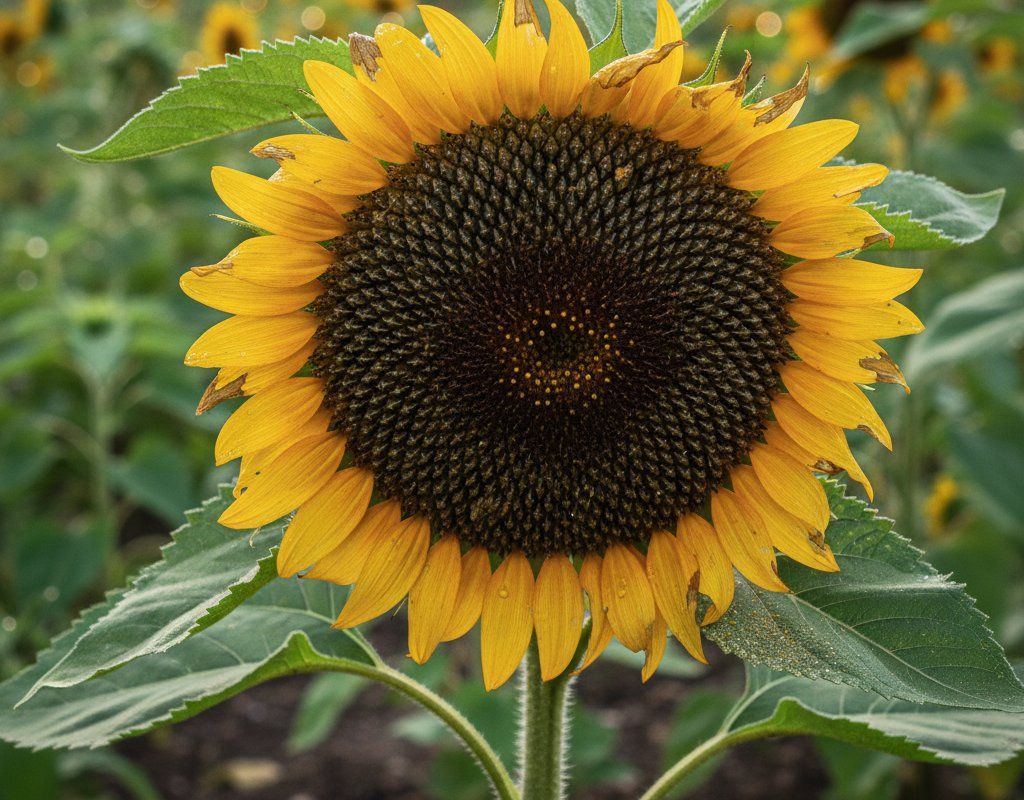
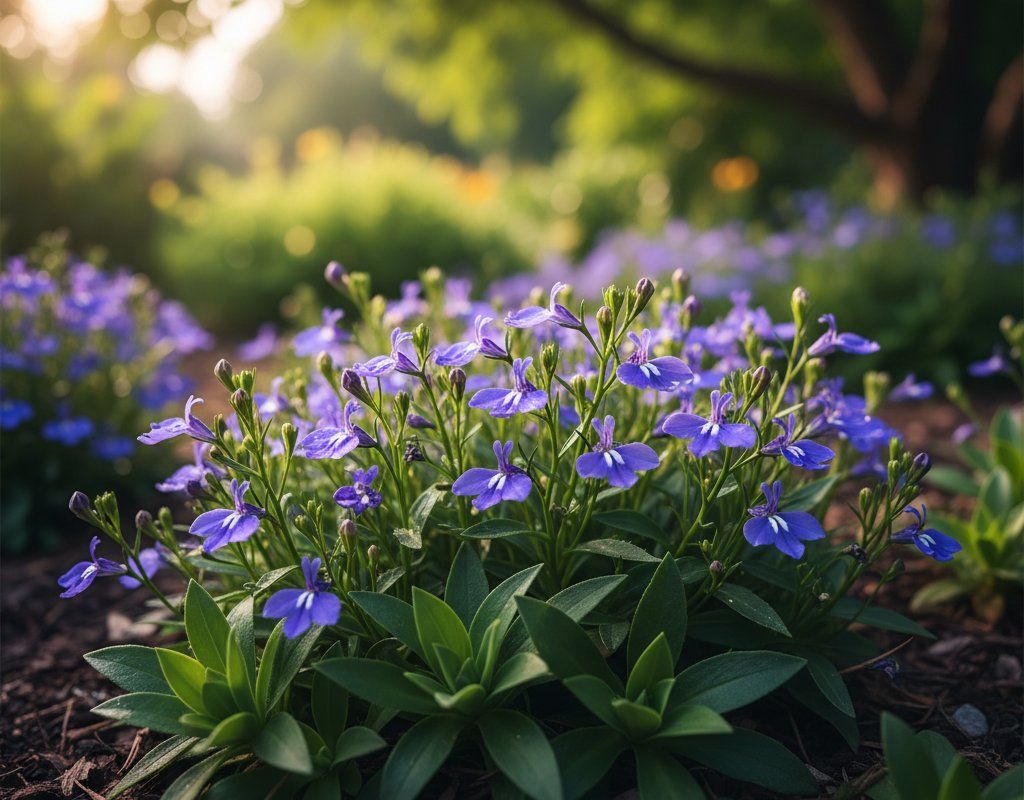
🌸Best Flowers to Plant with Spinach
These flowers protect your Spinach from pests and attract pollinators for better harvests.
For Pest Control



Get a Reminder When It's Time to Plant
We'll email you when key planting windows open for your zone.