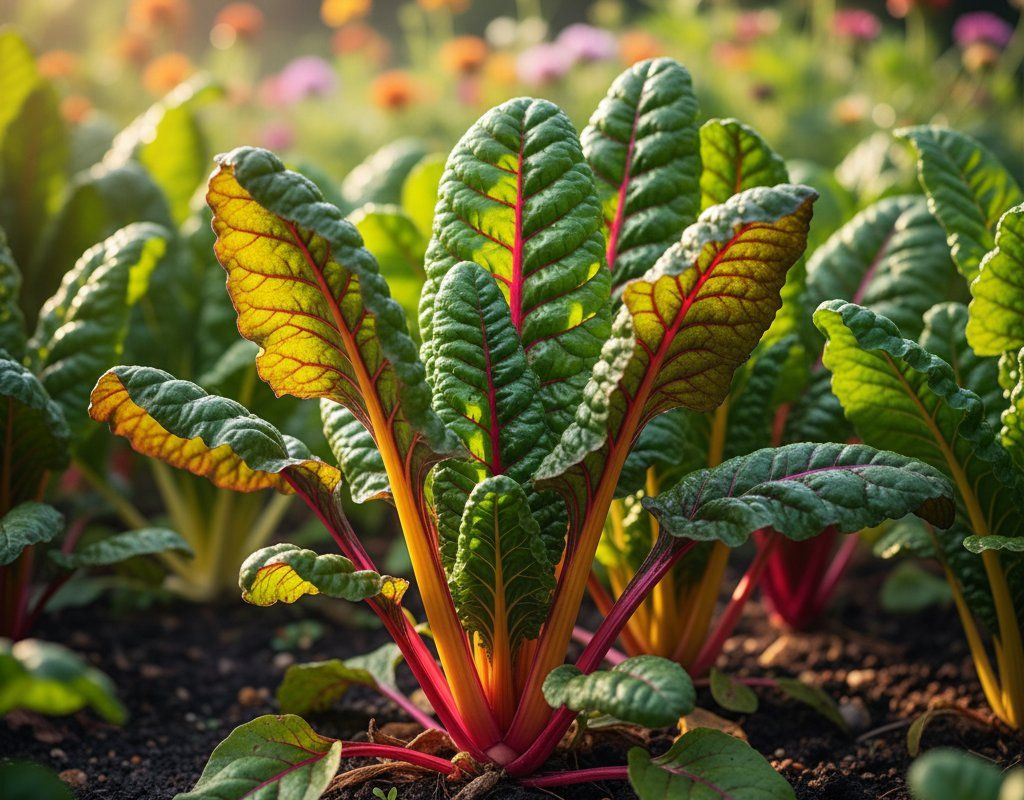
Swiss Chard in Zone 8A — Northern California
Beta vulgaris subsp. vulgaris · Your Complete 2026 Planting Guide
Missed Seed Starting? No Problem!
Wait for starts to become available.
What to Do
Starts will be available at nurseries in 6 days (around March 10).
How to Plant Swiss Chard in Zone 8A — Northern California
Here are all your options for getting swiss chard in the ground, from the easiest method to more advanced approaches.
Direct Sow Seeds
RecommendedLate February through mid September
around February 24
Consider succession planting every 2-3 weeks for continuous harvest.
Start Seeds Indoors
RecommendedEarly to late February
around February 10
Then transplant: Early March through early April
Start seeds 4-6 weeks before transplanting outdoors.
Buy Starts
Works WellEarly March through early April
around March 10
Plant purchased starts after last frost (March 10).
Transplant Outdoors
Timing InfoEarly March through early April
around March 10
Can tolerate light frost, but wait for soil to be workable.
You have a nice window — no need to rush.
Fall Planting
Early September through early October
September 18 ideal · Direct sow for fall harvest
Plant a second crop in mid-summer for fall harvest. Swiss Chard actually prefers the cooling temperatures of fall.
Overview
Swiss chard is a fantastic addition to any Northern California garden. It provides a steady supply of nutritious greens throughout our long growing season. Its mild, earthy flavor makes it incredibly versatile in the kitchen, whether sautéed, added to soups, or used in salads.
We do face challenges like drought and increasingly hot summers here in NorCal, but with careful planning and water-wise practices, growing Swiss chard is definitely achievable. Our long 255-day growing season gives you plenty of time to enjoy this leafy green.
Starting Seeds Indoors
Starting Swiss chard indoors is an option, especially if you're eager to get a head start. Start your seeds indoors from early to late February, about four weeks before you plan to transplant them outside. This is helpful if you're looking to get an especially early spring harvest.
Use seed trays or small pots filled with a good seed-starting mix. Keep them consistently moist, using bottom watering to avoid disturbing the seeds. Place them in a warm location with plenty of light – a sunny windowsill or under grow lights works well. Our early springs can have unexpected temperature swings, so indoor starting gives you more control.
Transplanting Outdoors
Transplant your Swiss chard seedlings outdoors from early March through early April, once the soil has warmed up a bit. Before transplanting, harden off your seedlings by gradually exposing them to outdoor conditions for about a week. This helps them adjust to the sun and wind.
Space the seedlings 8-12 inches apart in well-drained soil. Keep an eye on the weather forecast; a late cold snap isn't unheard of in March.
Direct Sowing
Direct sowing is a perfectly viable method for growing Swiss chard in our climate, and honestly, it's what most of us do here. Sow seeds directly into the garden from late February through mid September. This gives you a long window for successive sowings and continuous harvests.
Make sure the soil is well-prepared and has warmed up to at least 50°F. Plant seeds about ½ inch deep and space them 8-12 inches apart. Keep the soil consistently moist until the seeds germinate.
Watering Swiss Chard in Zone 8A (Northern California)
In Northern California's Mediterranean climate, with our dry summers, proper watering is crucial for Swiss chard. While it's more heat-tolerant than spinach, it still needs consistent moisture to thrive. You'll need to adjust your watering schedule based on the season.
During the cooler spring and fall months, aim for about 1 inch of water per week, either from rainfall or irrigation. In the hotter summer months, especially when temperatures climb towards 90°F, increase watering to 1.5-2 inches per week. Use the finger test: if the top 2 inches of soil feel dry, it's time to water.
Water at the base of the plants to avoid wetting the leaves, which can encourage fungal diseases in our occasional humid microclimates. Signs of underwatering include wilting leaves and slow growth. Overwatering can lead to root rot, so ensure good drainage. Mulching around your plants helps retain moisture and suppresses weeds, which is a big help during our dry summers.
🧪Fertilizing Swiss Chard
Feeding Schedule
Organic Fertilizer Options
Harvest Time
You can expect your first harvest of Swiss chard from mid April through late November, about 55 days after planting. Start harvesting the outer stalks when they reach 8-12 inches in length. The colorful stems (red, yellow, or white) are perfectly edible and add a nice visual touch to your dishes.
Cut the stalks at the base of the plant, being careful not to damage the central bud. This encourages continued production throughout the season. Harvest regularly to prevent the plants from bolting (going to seed), which can make the leaves bitter. As the first frost approaches in mid- November, you can cover your plants with a frost blanket to extend the harvest a bit longer.
Common Problems in Zone 8A (Northern California)
Here are some common problems you might encounter with Swiss chard in Northern California:
Leaf Miners
- What it looks like: White or brown squiggly lines or blotches on the leaves.
- What causes it: Larvae of small flies tunneling between leaf surfaces. Common in spring and early summer.
- How to fix/prevent it: Cover plants with row covers to prevent the flies from laying eggs. Remove and destroy infested leaves.
Aphids
- What it looks like: Clusters of tiny soft-bodied insects (green, black, or white) on stems and leaf undersides. Sticky honeydew residue. Curled or distorted new growth.
- What causes it: Rapid-reproducing sap-sucking insects. Populations explode in warm weather. Ant colonies may farm them for honeydew.
- How to fix/prevent it: Strong water spray knocks them off. Encourage ladybugs and lacewings (natural predators). Insecticidal soap for heavy infestations. Neem oil works systemically. Avoid excess nitrogen fertilizer (it attracts them).
Cercospora Leaf Spot
- What it looks like: Small, circular spots with tan or gray centers and reddish-brown borders on the leaves.
- What causes it: Fungal disease that thrives in warm, humid conditions.
- How to fix/prevent it: Provide good air circulation. Avoid overhead watering. Remove and destroy infected leaves. Apply a copper-based fungicide if necessary.
Slugs
- What it looks like: Irregular holes in leaves, especially low-growing plants. Silvery slime trails on leaves and soil. Damage worse at night and in wet weather.
- What causes it: Gastropods that feed at night in moist conditions. Hide under mulch, boards, and debris during the day.
- How to fix/prevent it: Beer traps (shallow dish of beer sunk into soil). Iron phosphate bait (pet-safe). Remove hiding spots. Water in morning so soil surface dries by evening. Copper tape around beds. Diatomaceous earth around plants.
Northern California Specific Challenges: The moderate-to-hot heat of our summers can stress Swiss chard, making it more susceptible to pests and diseases. Dry conditions can also exacerbate aphid problems. Water restrictions might require you to prioritize watering your Swiss chard, so mulching and efficient irrigation techniques are essential.
Best Companions for Swiss Chard
Plant these nearby for healthier Swiss Chard and better harvests.
View Full Companion Planting Chart →



Companion Planting Details
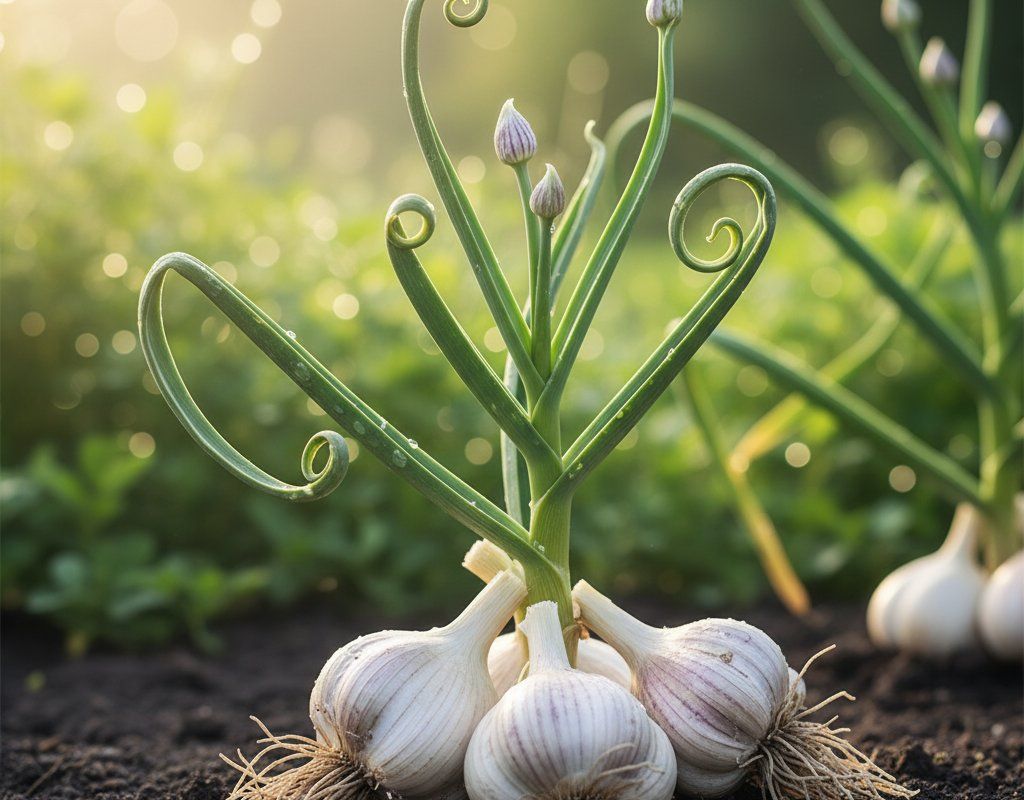
Companion planting can help your Swiss chard thrive in Northern California. Lettuce is a good companion because it provides ground cover, helping to retain moisture in our dry climate. Onions and garlic deter pests like aphids and slugs. Green beans fix nitrogen in the soil, benefiting the chard. Cabbage family plants like broccoli and kale also do well planted near Swiss chard.
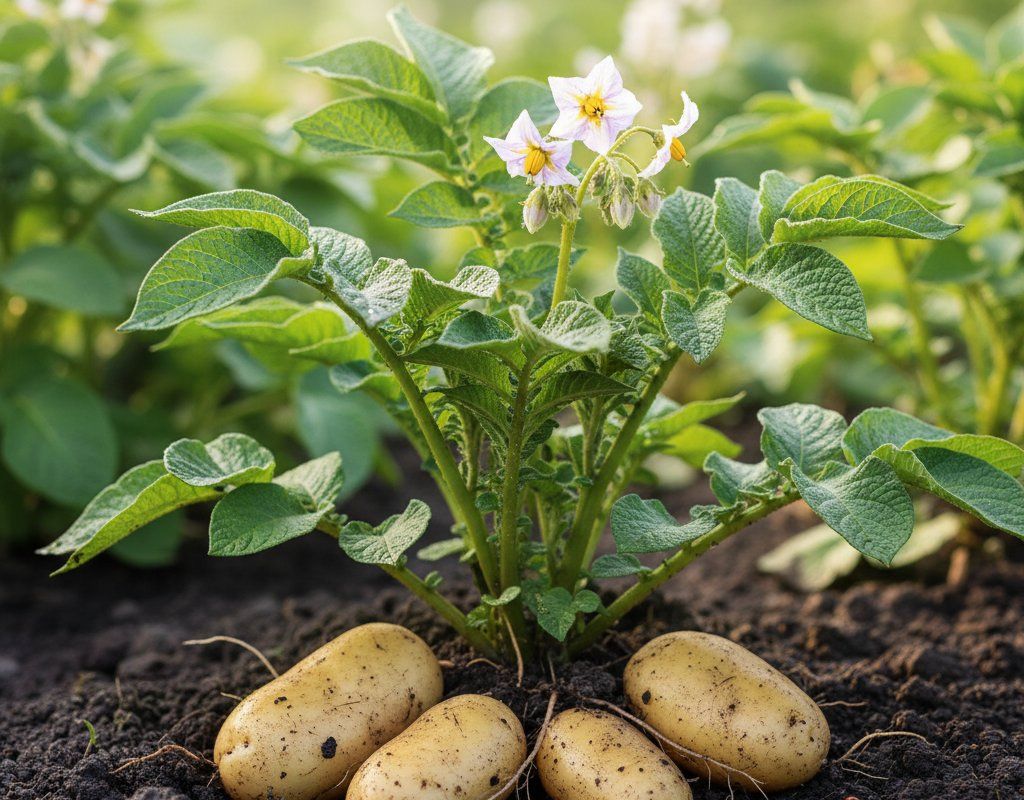
Avoid planting corn or potatoes near Swiss chard. Corn competes for nutrients, while potatoes can attract pests that also affect chard.
🌸Best Flowers to Plant with Swiss Chard
These flowers protect your Swiss Chard from pests and attract pollinators for better harvests.
For Pest Control



For Pollinators

Get a Reminder When It's Time to Plant
We'll email you when key planting windows open for your zone.