
Spinach in Zone 9B — Gulf Coast
Spinacia oleracea · Your Complete 2026 Planting Guide
Harvest Time!
Your Spinach should be producing now!
Harvest Tips
Harvest outer leaves for cut-and-come-again, or cut whole head.
How to Plant Spinach in Zone 9B — Gulf Coast
Here are all your options for getting spinach in the ground, from the easiest method to more advanced approaches.
Direct Sow Seeds
RecommendedMid December through late October
around December 19
Consider succession planting every 2-3 weeks for continuous harvest.
Spinach loves cold soil. Direct sow as soon as ground can be worked.
Start Seeds Indoors
RecommendedLate November through mid December
around December 5
Then transplant: Early January through mid February
Start seeds 4-6 weeks before transplanting outdoors.
Buy Starts
Works WellEarly January through mid February
around January 2
Plant purchased starts after last frost (January 30).
Transplant Outdoors
Timing InfoEarly January through mid February
around January 2
Can tolerate light frost, but wait for soil to be workable.
You have a nice window — no need to rush.
Fall Planting
Mid October through mid November
November 3 ideal · Direct sow for fall harvest
Plant a second crop in mid-summer for fall harvest. Spinach actually prefers the cooling temperatures of fall.
Overview
Spinach thrives in our Gulf Coast winters and early springs, delivering tender, nutrient-packed leaves when most of the country is still frozen. You'll get multiple harvests from each planting, and the flavor of homegrown spinach beats anything from the grocery store – no bitter aftertaste or wilted disappointment here. Our abundant winter rainfall and mild temperatures create perfect conditions for this cool-season crop.
The key to success with spinach in our climate is timing it right to avoid the brutal summer heat and high humidity that cause bolting and disease pressure. With our 319-day growing season, you have plenty of opportunities to grow multiple crops from fall through spring. Plant during our cooler months, and you'll enjoy fresh spinach harvests while dealing with far fewer of the fungal issues that plague warm-season crops.
Starting Seeds Indoors
Starting spinach seeds indoors makes sense if you want to get a jump on the season or have better control over germination during our unpredictable winter weather. Sow seeds in seed trays from late November through mid-December, about 4 weeks before you plan to transplant outdoors.
Set up your seed trays in a cool spot with bright light – spinach actually prefers cooler conditions than many crops. Use bottom watering to keep the growing medium evenly moist without creating the humid conditions that encourage damping-off disease. Your seedlings will be ready to transplant by early January when our spring growing season kicks into gear early.
The main advantage of indoor starting here is avoiding potential washouts from winter storms and getting more uniform germination rates. However, spinach transplants fairly easily and direct sowing often works just as well in our mild winters.
Transplanting Outdoors
Transplant your spinach seedlings outdoors from early January through mid-February, when daytime temperatures are consistently mild and nighttime lows rarely dip below freezing. Spinach handles light frosts just fine, so don't worry about those occasional cold snaps that hit the Gulf Coast in winter.
Harden off seedlings gradually over a week by setting them outside for a few hours each day, gradually increasing their exposure time. This helps them adjust to outdoor conditions, including the higher humidity and variable temperatures we experience during winter months.
Space transplants 4-6 inches apart in rows or beds with good drainage – our heavy winter rains can waterlog poorly-draining soil. Plant them at the same depth they were growing in their containers, and water them in well to help establish strong root systems before any warm spells arrive.
Direct Sowing
Direct sowing works exceptionally well for spinach in the Gulf Coast since this crop loves cool soil and our mild winters provide perfect conditions. Sow seeds from mid-December through late October, with the sweet spot being our fall and early winter months when temperatures are cooling down but soil is still workable.
Prepare your planting bed by working compost into well-draining soil – spinach needs consistent moisture but won't tolerate waterlogged conditions during our wet winters. Plant seeds about half an inch deep and 4-6 inches apart, or broadcast them more densely and thin later for baby spinach harvests.
The advantage of direct sowing here is that spinach develops stronger root systems when not disturbed by transplanting, plus you avoid the extra step of starting seeds indoors. Seeds germinate quickly in our cool, moist winter soil, often within 7-10 days. You can succession plant every 2-3 weeks through winter for continuous harvests.
Watering Spinach in Zone 9B (Gulf Coast)
Spinach needs consistent, even moisture throughout the growing season, but our Gulf Coast rainfall patterns require a strategic approach. During our wet winters, you'll rarely need to supplement rainfall, but keep an eye on drainage since spinach roots will rot in waterlogged soil. Focus your watering efforts during drier spells and as we transition into spring.
Use the finger test – check soil moisture 2 inches deep before watering. Spinach typically needs about 1-1.5 inches of water per week, but our 50-65 inches of annual rainfall means you'll be managing excess moisture more often than drought. When you do water, apply it early in the morning to keep soil temperatures cool and reduce disease pressure from our high humidity.
Water at the base of plants rather than overhead to minimize moisture on leaves, which combined with our very high humidity creates perfect conditions for fungal diseases like downy mildew. A soaker hose or drip irrigation works beautifully for spinach beds, delivering consistent moisture without wetting foliage.
Apply a light layer of mulch around plants to maintain even soil moisture and keep roots cool as temperatures start climbing in late spring. During warm spells – which can happen any time in our climate – increase watering frequency to prevent bolting, but always check that the soil isn't staying soggy from our frequent afternoon storms.
🧪Fertilizing Spinach
Feeding Schedule
Organic Fertilizer Options
Harvest Time
Your first spinach harvest will be ready from late January through late December, depending on when you planted – typically 40 days from seeding. Look for outer leaves that are 3-4 inches long with good color and substance. These early harvests are incredibly tender and perfect for fresh salads or light cooking.
Harvest by cutting outer leaves about an inch above the soil line, leaving the center growing point intact for continued production. You can also cut the entire rosette about an inch above ground level, and most varieties will regrow for a second harvest. This cut-and-come-again method works particularly well in our long growing season.
Plan your harvesting around our weather patterns – collect leaves before afternoon storms when possible, and always harvest in dry conditions to minimize disease pressure. During warm spells, harvest in early morning when leaves are crisp and cool. As temperatures start climbing toward summer, harvest becomes more urgent since plants will bolt quickly once hot weather arrives.
By mid-December when our first frost approaches, harvest any remaining plants completely. You can extend the season slightly with row covers during light freezes, but it's usually better to clear the beds and start your next succession planting for continuous winter harvests.
Common Problems in Zone 9B (Gulf Coast)
Bolting Your spinach sends up a tall flower stalk and leaves become bitter and tough when plants bolt prematurely. You'll see the center of the plant elongating rapidly with small flowers forming at the top. This happens when plants experience heat stress, drought, or sudden temperature swings – common during our unpredictable spring weather when warm fronts can push temperatures into the 80s overnight.
Keep soil consistently moist during warm spells and provide afternoon shade using row covers or shade cloth when temperatures climb above 75°F. Choose bolt-resistant varieties and time plantings to mature before our spring heat arrives. Succession plant every 2-3 weeks so you always have young plants coming along.
Downy Mildew Yellow patches appear on leaf tops with fuzzy gray-purple growth on the undersides, eventually causing leaves to brown and die from the bottom up. This fungal disease thrives in the cool, humid conditions that are perfect for spinach growth in our climate, spreading rapidly through wind-carried spores during our frequent winter rains.
Remove affected leaves immediately and dispose of them away from the garden. Improve air circulation by proper spacing and avoid overhead watering in our already humid environment. Water at the base of plants early in the day so foliage can dry quickly. Apply copper-based fungicides preventively if downy mildew has been a recurring problem in your garden.
Leaf Miners Thin, winding trails appear inside spinach leaves where tiny larvae tunnel between the upper and lower leaf surfaces. The trails start narrow and widen as the larvae grow, leaving unsightly serpentine patterns that make leaves unappetizing even though they're technically still edible.
Remove affected leaves promptly to break the pest cycle, and use floating row covers during peak fly activity periods in early spring. The adult flies are small and hard to spot, but consistent removal of damaged leaves prevents them from completing their life cycle in your garden. Beneficial insects help control populations naturally in diverse garden ecosystems.
Gulf Coast Specific Challenges Our combination of high humidity, frequent rainfall, and temperature swings creates the perfect storm for fungal diseases in spinach. The key to success is choosing well-draining planting sites, ensuring good air circulation, and staying vigilant about removing any diseased plant material quickly before problems spread through the humid air.
Best Companions for Spinach
Plant these nearby for healthier Spinach and better harvests.

Keep Away From
Companion Planting Details
Plant spinach alongside strawberries, peas, and beans for mutual benefits in your Gulf Coast garden. Strawberries provide living mulch that keeps spinach roots cool during warm spells, while the spinach's broad leaves help shade strawberry crowns from intense sun. Peas and beans fix nitrogen in the soil, feeding your leafy greens naturally while their upright growth provides light afternoon shade that helps prevent bolting.
Brassicas like broccoli, cabbage, and kale make excellent companion crops since they share similar growing requirements and timing in our climate. Plant them together in fall for harvests throughout our mild winter months. Avoid planting spinach near tall, spreading plants that might create too much shade or compete aggressively for nutrients during the peak growing period.
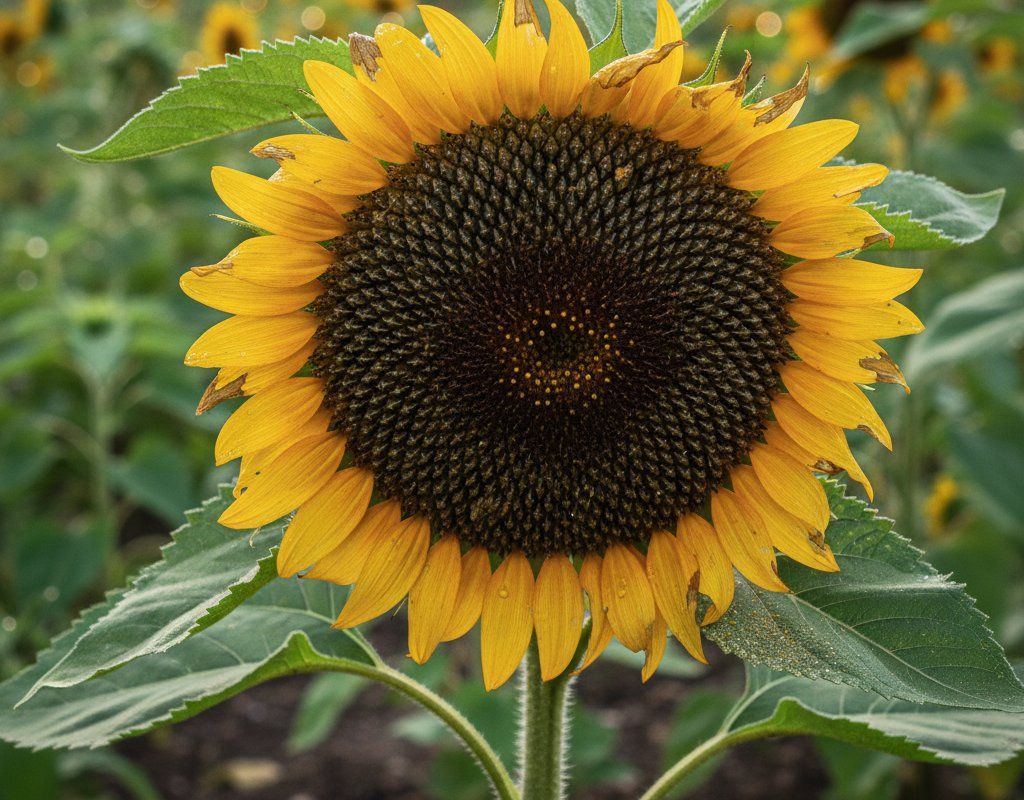
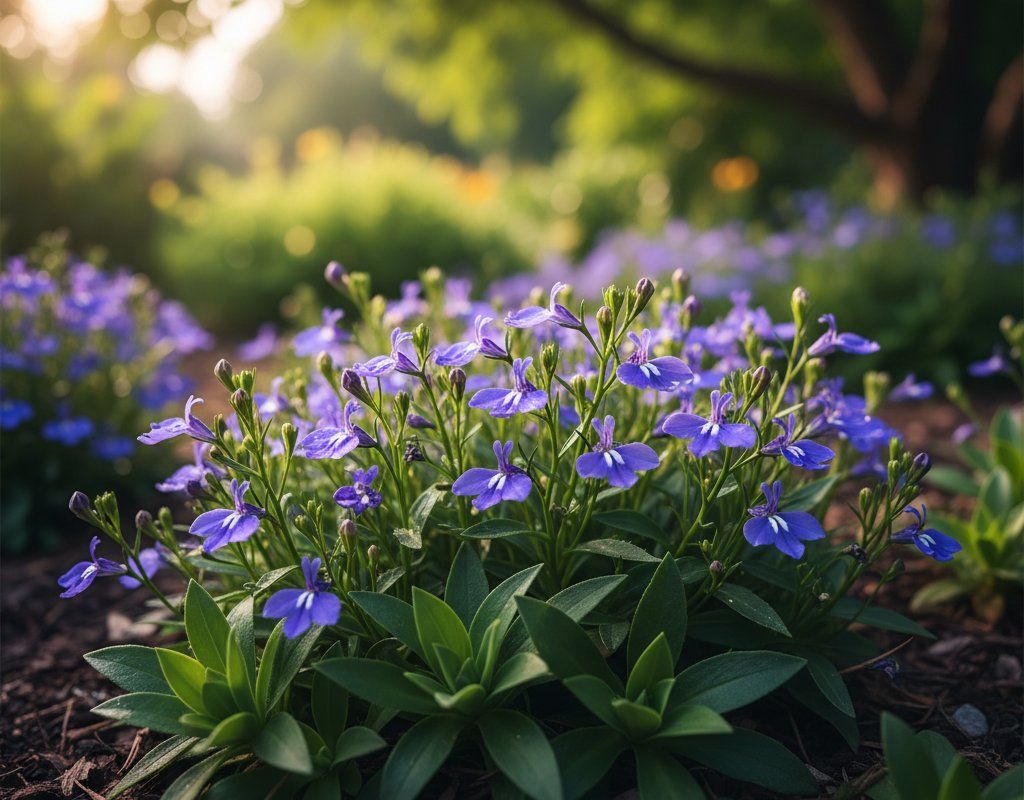
🌸Best Flowers to Plant with Spinach
These flowers protect your Spinach from pests and attract pollinators for better harvests.
For Pest Control



Get a Reminder When It's Time to Plant
We'll email you when key planting windows open for your zone.