
Spinach in Zone 9B — Southern California
Spinacia oleracea · Your Complete 2026 Planting Guide
Harvest Time!
Your Spinach should be producing now!
Harvest Tips
Harvest outer leaves for cut-and-come-again, or cut whole head.
How to Plant Spinach in Zone 9B — Southern California
Here are all your options for getting spinach in the ground, from the easiest method to more advanced approaches.
Direct Sow Seeds
RecommendedMid December through early November
around December 14
Consider succession planting every 2-3 weeks for continuous harvest.
Spinach loves cold soil. Direct sow as soon as ground can be worked.
Start Seeds Indoors
RecommendedLate November through mid December
around November 30
Then transplant: Late December through early February
Start seeds 4-6 weeks before transplanting outdoors.
Buy Starts
Works WellLate December through early February
around December 28
Plant purchased starts after last frost (January 25).
Transplant Outdoors
Timing InfoLate December through early February
around December 28
Can tolerate light frost, but wait for soil to be workable.
You have a nice window — no need to rush.
Fall Planting
Late October through late November
November 13 ideal · Direct sow for fall harvest
Plant a second crop in mid-summer for fall harvest. Spinach actually prefers the cooling temperatures of fall.
Overview
Spinach in Southern California is like having a leafy green powerhouse that laughs at our mild winters. While store-bought spinach often tastes like disappointment, homegrown leaves burst with that mineral-rich flavor that makes salads and smoothies actually exciting. Your harvest window stretches through our beautiful cool season, delivering tender leaves when most of the country is buried under snow.
Our 334-day growing season means you can grow spinach through fall, winter, and early spring – basically avoiding only the brutal summer heat that would send this cool-season crop into bitter bolting mode. Yes, timing matters here since spinach despises our inland summer temperatures, but plant it right and you'll have fresh greens when your neighbors are paying premium prices for wilted grocery store leaves.
Starting Seeds Indoors
Starting spinach indoors isn't the typical route in Southern California, but it makes sense if you want to maximize your growing window or live in one of our hotter inland areas. Start seeds from late November through mid-December, about 4 weeks before you plan to transplant them outside.
Set up seed trays with good potting mix in a spot that stays around 50-60°F – which happens naturally in most SoCal homes during winter. Bottom watering works best for spinach seeds since they can rot if kept too wet on top. The seeds germinate quickly in our mild indoor temperatures.
Since our spring arrives early and stays relatively gentle, indoor-started plants give you a head start on the season. You'll have sturdy transplants ready to go outside when outdoor conditions are still perfect for spinach growth, extending your harvest window before the heat kicks in.
Transplanting Outdoors
Transplant your indoor-started spinach seedlings from late December through early February, when our winter weather provides ideal growing conditions. These cool, often cloudy weeks are perfect for spinach establishment – the soil stays consistently moist from winter rains and temperatures hover in the sweet spot.
Harden off your seedlings gradually over a week by setting them outside for increasing periods daily. Start with a few hours of morning exposure and work up to full days. Southern California's winter weather can still surprise you with a warm spell or unexpected wind, so this gradual transition prevents transplant shock.
Space your transplants 4-6 inches apart in rows or scatter them through a bed. Plant them at the same depth they were growing in containers, and water them in well. The combination of cool air and moist winter soil gives transplanted spinach an excellent start in our region.
Direct Sowing
Direct sowing spinach works beautifully in Southern California from mid-December through early November – basically any time except summer. Spinach loves cold soil, so you can sow seeds as soon as winter settles in and the ground becomes consistently cool and moist from our seasonal rains.
Prepare your soil by working in some compost, since spinach appreciates rich, well-draining earth. The seeds germinate best in soil temperatures between 35-75°F, which describes most of our winter and spring perfectly. Sow seeds about half an inch deep and 4-6 inches apart, or broadcast them and thin later.
Direct sowing saves you the transplant step and often produces sturdier plants that establish faster in your garden. The timing flexibility is huge here – you can succession plant every few weeks through our long cool season for continuous harvests until the heat arrives.
Watering Spinach in Zone 9B (Southern California)
Spinach demands consistent moisture but absolutely hates soggy feet – a balancing act that's totally manageable in our Mediterranean climate. During our wet winter months, natural rainfall often handles most of the work, but you'll need to supplement during dry spells and as spring warming begins.
Check soil moisture with the finger test, sticking your finger 2 inches down. If it's dry at that depth, it's time to water. Generally, spinach needs about an inch of water per week, but adjust based on our seasonal patterns – less during rainy January weeks, more as temperatures climb in late spring.
Water at the base of plants rather than overhead, especially important in our low-to-moderate humidity climate where wet leaves can invite fungal problems. Morning watering keeps the soil cool throughout the day, which spinach absolutely loves. As our characteristic warm, dry periods arrive even in winter, consistent watering becomes crucial to prevent early bolting.
A thin layer of organic mulch around your spinach plants helps retain moisture and keeps roots cool – essential as we transition from winter into our early, intense spring heat. Watch for signs of stress: wilting during mild temperatures means underwatering, while yellowing leaves often signal too much moisture.
🧪Fertilizing Spinach
Feeding Schedule
Organic Fertilizer Options
Harvest Time
Your first spinach harvest typically arrives from late January to early February, about 40 days after planting – perfectly timed to take advantage of our cool winter growing conditions. Look for outer leaves that have reached 3-4 inches long with that deep green color that signals good nutrition and flavor.
Harvest by cutting individual outer leaves at their base, leaving the center growing point intact for continued production. You can also cut the entire rosette about an inch above soil level – spinach regrows beautifully from this cut, often producing a second flush of tender leaves within a few weeks.
Keep harvesting regularly as leaves mature, since spinach quickly turns bitter once it starts thinking about flowering. In Southern California, you can often get multiple harvests from each planting through our extended cool season, especially if you keep plants well-watered and provide some afternoon shade as spring temperatures climb.
As late December approaches and our first frost potential arrives, harvest remaining leaves regardless of size. Unlike some crops, spinach won't continue ripening after cutting, so take what you've got before any freeze damage occurs.
Common Problems in Zone 9B (Southern California)
Bolting shows up as a central flower stalk shooting up from your spinach rosette, making leaves turn bitter and tough. In Southern California, this usually happens when temperatures start climbing above 75°F consistently, which can occur even in our mild spring. Hot inland areas are especially prone to early bolting, and those dry Santa Ana winds can stress plants into premature flowering.
Fix bolting by timing your plantings for our coolest months and providing afternoon shade as temperatures warm. Keep soil consistently moist – drought stress triggers bolting faster than anything else here. Choose bolt-resistant varieties and succession plant every 2-3 weeks so you always have young, tender plants coming along.
Downy mildew appears as yellow patches on leaf tops with fuzzy gray-purple fuzz on the undersides, eventually browning and killing leaves from the bottom up. Our winter humidity and cool temperatures can create perfect conditions for this fungal disease, especially when combined with overhead watering or poor air circulation.
Prevent downy mildew by watering at plant bases only, never on leaves. Space plants properly for good airflow and remove affected leaves immediately. Copper-based fungicides work for prevention, but proper cultural practices matter more in our relatively dry climate.
Leaf miners create winding, whitish tunnels through spinach leaves as tiny larvae feed between leaf surfaces. These pests thrive in our mild winters and can quickly damage entire crops, making leaves unsightly though still technically edible.
Southern California Specific Challenges: Our hot inland summers make timing absolutely critical – plant too late and spring heat will bolt your crop before harvest. Water restrictions during drought years require efficient irrigation planning. Those notorious Santa Ana winds can quickly dry out plants and stress them into bolting, while our fire season smoke can affect plant health during late fall plantings.
Best Companions for Spinach
Plant these nearby for healthier Spinach and better harvests.
Keep Away From
Companion Planting Details
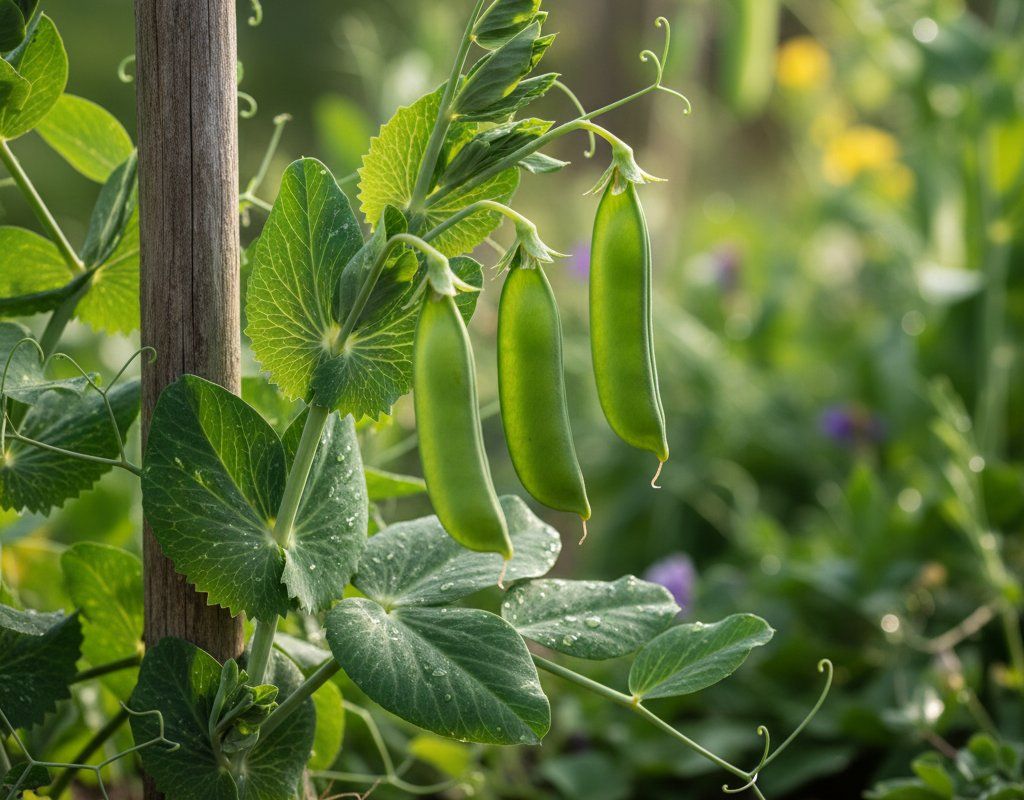
Spinach pairs beautifully with strawberries in Southern California gardens since both appreciate similar cool, moist conditions and the strawberry plants provide light shade as weather warms. Plant spinach between your strawberry rows for efficient space use. Peas and beans make excellent companions too – they fix nitrogen that feeds your spinach while their taller growth provides welcome shade during our warm spring days.
Brassicas like kale, broccoli, and cabbage work well with spinach since they share similar water and nutrient needs, plus harvest timing works out perfectly in our climate. All these cool-season crops thrive during the same months here. Spinach has no significant bad companions – its shallow roots and relatively short growing season mean it plays well with most garden plants, making it perfect for intercropping in available spaces throughout your winter garden.
🌸Best Flowers to Plant with Spinach
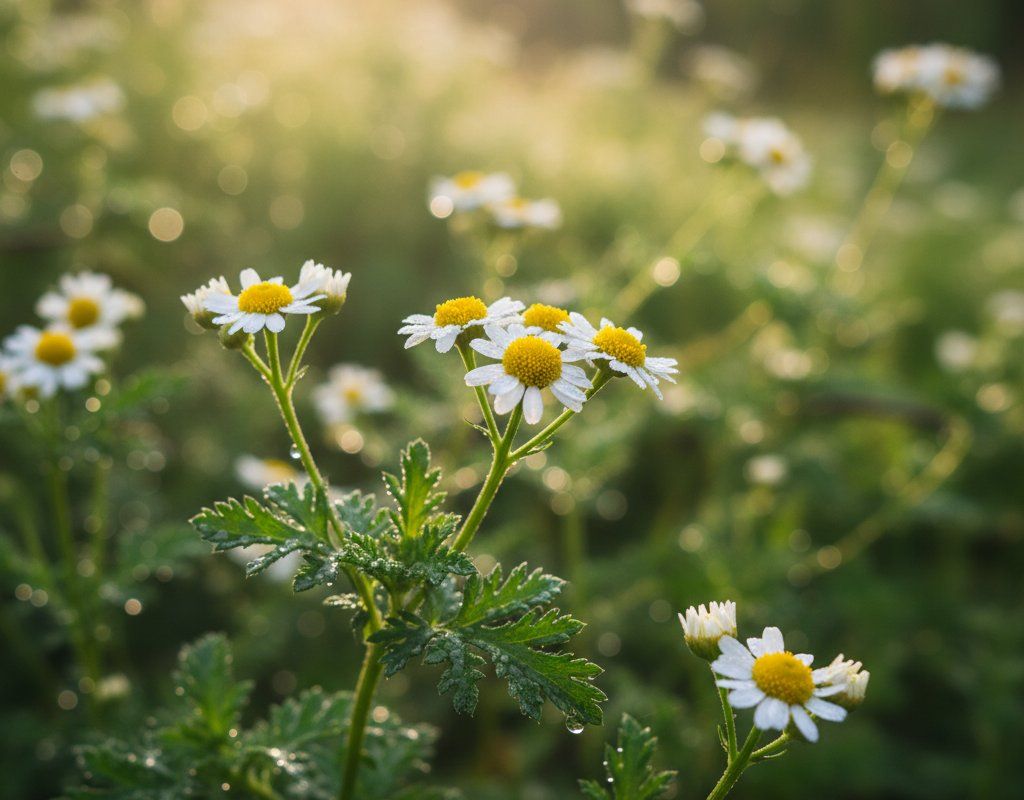
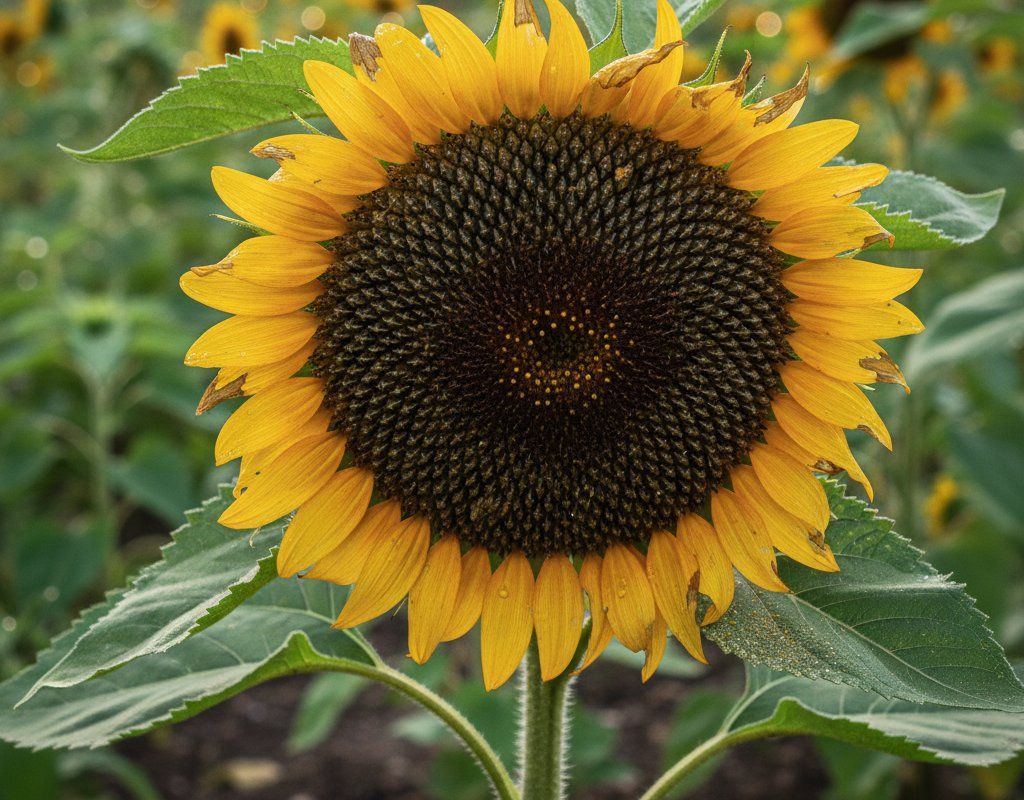
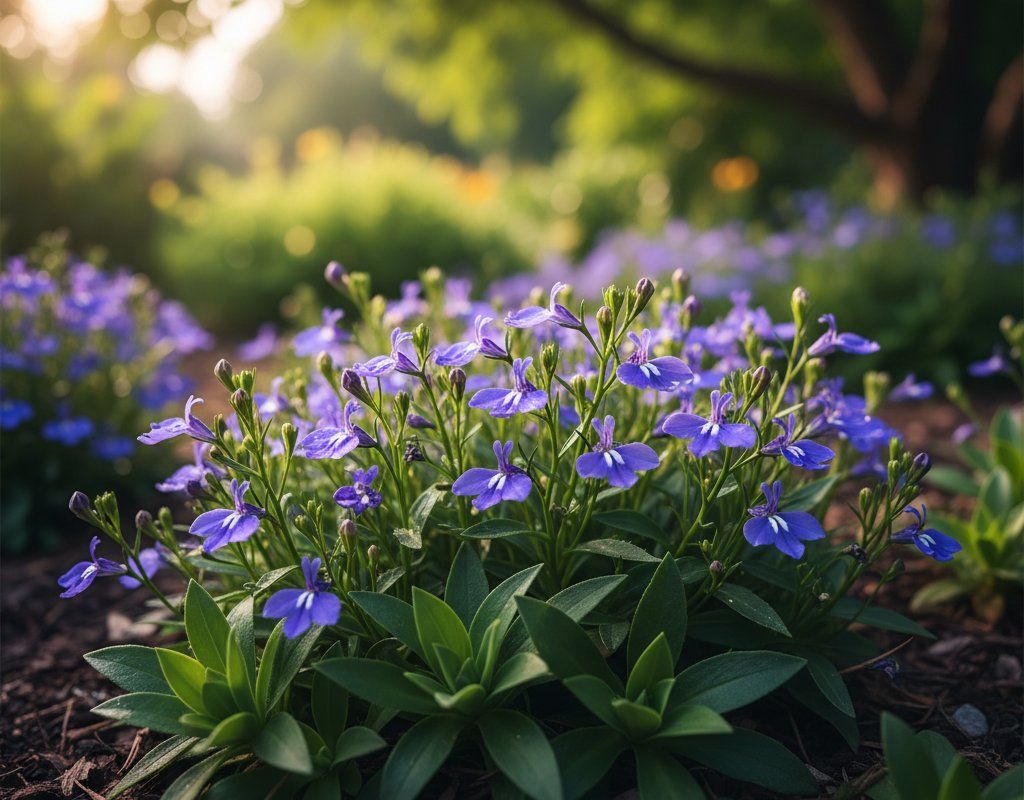
These flowers protect your Spinach from pests and attract pollinators for better harvests.
For Pest Control


Get a Reminder When It's Time to Plant
We'll email you when key planting windows open for your zone.