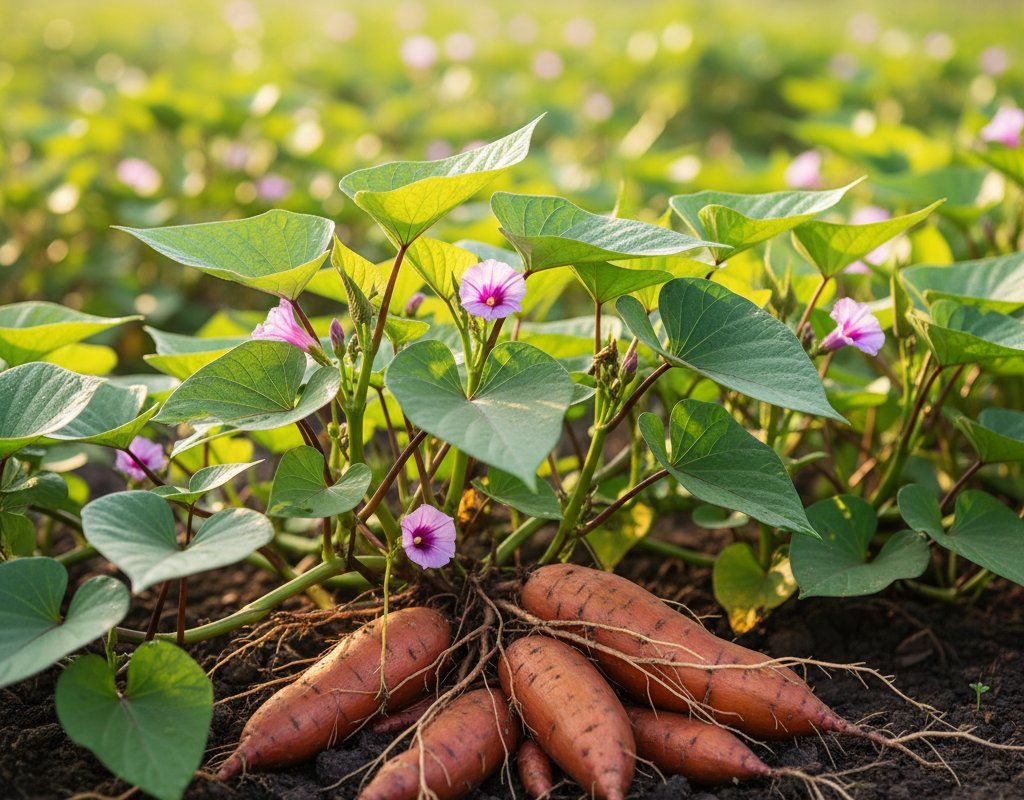
Sweet Potato in Zone 10B — Desert Southwest
Ipomoea batatas · Your Complete 2026 Planting Guide
Check Planting Details Below
See the full planting guide for timing information.
How to Plant Sweet Potato in Zone 10B — Desert Southwest
Here are all your options for getting sweet potato in the ground, from the easiest method to more advanced approaches.
Buy Starts
RecommendedEarly to late February
around February 5
Plant purchased starts after last frost (January 15).
Plant slips (rooted sprouts) after soil is warm. Buy slips or grow your own from a sweet potato.
Start Seeds Indoors
Works WellEarly to late December
around December 11
Then transplant: Early to late February
Start seeds 8-10 weeks before transplanting outdoors.
Direct Sow Seeds
ChallengingDirect sowing is not typical for Sweet Potato.
Transplant Outdoors
Timing InfoEarly to late February
around February 5
Wait until nighttime temperatures stay above 50°F.
Plan to transplant within a few weeks of your target date.
Overview
Sweet potatoes thrive in our Desert Southwest heat like few other crops can, turning our challenging climate into a major advantage. These nutrient-dense tubers love our warm soil and can handle the temperature swings that come with desert gardening, producing impressive harvests that store for months. You'll get better flavor and yields here than gardeners in cooler climates ever dream of.
While our extreme summer heat and alkaline soils present their challenges, sweet potatoes are surprisingly forgiving once established. With our 349-day growing season, you have plenty of flexibility in timing, and the key is getting them in the ground early enough to mature before summer peaks. The reward is homegrown sweet potatoes that blow away anything you'll find in stores.
Starting Seeds Indoors
Starting sweet potatoes from seed isn't the typical approach most Desert Southwest gardeners take, but it's possible if you want to try specific varieties. You'll need to start in early to late December, about 8 weeks before transplanting in February. Keep in mind that most gardeners here prefer buying slips or growing their own from store-bought sweet potatoes.
If you go the seed route, use standard seed trays with quality potting mix and keep them at 70-75°F. Bottom watering works best to prevent damping off in our dry air. You'll need grow lights since December days are short, even here in the desert.
The challenge with seeds is germination can be inconsistent, and you won't know if you're getting the orange-fleshed varieties most people expect. Growing slips from a sweet potato gives you better control and matches our very-early spring planting schedule perfectly.
Transplanting Outdoors
Sweet potato slips go into the ground during early to late February, once soil temperatures consistently hit 60°F and night temperatures stay above 50°F. This timing works perfectly with our mild Desert Southwest winters and gets plants established before the extreme heat arrives. You can buy slips online or from local nurseries, or grow your own by suspending a sweet potato half in water until it sprouts.
Harden off your slips gradually over a week, starting with a few hours of morning sun and building up to full exposure. Space them 12-18 inches apart in rows, burying the stem up to the top few leaves. The extensive root system needs room to spread, especially in our often-compacted desert soils.
Plant on a calm day if possible, as our desert winds can stress newly transplanted slips. Water them in well and provide some temporary shade cloth if we're having one of those unseasonably warm spells that hit in late winter. The slips may look wilted for a few days, but they'll bounce back once the roots take hold.
Watering Sweet Potato in Zone 10B (Desert Southwest)
Sweet potatoes need moderate water to get established, then become surprisingly drought-tolerant as they mature. Start with about 1 inch per week through spring, watering deeply at the base rather than overhead to work with our arid conditions. The extensive root system will spread several feet in all directions, so water a wide area around each plant.
Use the finger test to check soil moisture 2 inches down before watering. In our desert heat, you'll likely water twice weekly through late spring, but reduce frequency as temperatures climb. Sweet potatoes actually prefer slightly dry conditions once established, and overwatering leads to all foliage and small tubers.
During our extreme summer heat, deep weekly watering works better than frequent shallow watering. Apply water slowly so it penetrates our often-crusted soil rather than running off. A 2-3 inch layer of organic mulch helps retain moisture and keeps soil temperatures more moderate, though avoid piling mulch against the stems.
Reduce watering significantly 3-4 weeks before harvest in late spring. This concentrates the sugars in the tubers and prevents them from getting waterlogged. Watch for yellowing leaves and wilting during the day as signs you're watering too little, or excessive vine growth with few flowers as signs of overwatering.
🧪Fertilizing Sweet Potato
Feeding Schedule
Organic Fertilizer Options
Harvest Time
Your first sweet potatoes will be ready for harvest from mid-May through late June, about 100 days after transplanting. The timing works perfectly in the Desert Southwest since you'll finish before summer heat becomes unbearable. Look for yellowing vines and dying back of the foliage as the main indicators that tubers are mature underground.
Dig carefully with a garden fork, starting about 18 inches from the main stem and working inward. Sweet potato tubers can extend surprisingly far from the plant and are easily damaged by digging tools. Brush off soil but don't wash them yet – cured sweet potatoes store much better with some soil still clinging to the skin.
Harvest all tubers before our first frost in late December, though most gardeners here finish the crop by early summer anyway. Handle them gently since sweet potato skin is thin and bruises easily. Any damaged tubers should be used first, while perfect ones can go into curing.
Cure your harvest in a warm (80-85°F), humid location for 1-2 weeks to develop their full sweetness and improve storage life. A spare bathroom or laundry room works well, or you can create humidity with damp towels. Properly cured sweet potatoes will store for months in a cool, dark place.
Common Problems in Zone 10B (Desert Southwest)
Sweet Potato Weevils These small, dark beetles create holes in tubers and can destroy your entire harvest. You'll see small round holes in the sweet potatoes and may notice adult weevils around the plants during warm evenings. The larvae tunnel through tubers, creating brown, bitter channels that make them inedible.
Our warm Desert Southwest climate provides perfect conditions for multiple generations per year. Crop rotation is essential – don't plant sweet potatoes in the same spot for 3-4 years. Remove all plant debris after harvest, including small root pieces, since weevils overwinter in crop residue. Consider row covers during peak weevil season if you've had problems before.
Wireworms These thin, hard-bodied larvae create smooth holes and tunnels in sweet potato tubers, different from the rough damage caused by weevils. You'll find the yellow-brown worms when you dig up damaged tubers, and they're especially problematic in areas that were previously lawn or had lots of grass roots.
Wireworms thrive in our alkaline desert soils and can persist for years. Till soil thoroughly before planting to disrupt their lifecycle, and consider beneficial nematodes as a biological control. Avoid planting sweet potatoes where Bermuda grass or other tough grasses grew recently, since these areas typically have high wireworm populations.
Cracking Sweet potato tubers split open with deep cracks, exposing the flesh to rot and making them unstorable. This typically happens when heavy watering or unexpected rain follows a dry period, causing the tubers to absorb water faster than the skin can expand. Some varieties are more prone to cracking than others.
Our monsoon moisture patterns make cracking especially likely if you're not managing water carefully. Maintain consistent soil moisture throughout the growing season rather than letting plants dry out completely between waterings. Mulch heavily to buffer soil moisture fluctuations, and choose crack-resistant varieties like Beauregard or Centennial for better success.
Desert Southwest Specific Challenges: Our extreme heat and arid conditions actually benefit sweet potatoes more than hurt them, but the combination of alkaline soils and irregular monsoon rainfall requires careful water management. The low humidity means less disease pressure overall, while our long growing season allows for excellent tuber development before summer stress hits.
Best Companions for Sweet Potato
Plant these nearby for healthier Sweet Potato and better harvests.


Keep Away From
Companion Planting Details
Sweet potatoes work beautifully with beans and corn in a desert version of the Three Sisters planting. The beans fix nitrogen that sweet potatoes can use later in the season, while the sprawling sweet potato vines help shade soil and retain moisture around corn roots. This combination makes excellent use of space and creates beneficial microclimates in our harsh desert conditions.
Avoid planting sweet potatoes near tomatoes or other nightshades, though this is more about garden management than true incompatibility. Both crops need similar spacing and nutrients, so they compete rather than complement each other. The sprawling sweet potato vines can also interfere with access to upright crops that need regular harvesting, so plan your garden layout accordingly for easy maintenance in our intense summer heat.
🌸Best Flowers to Plant with Sweet Potato
These flowers protect your Sweet Potato from pests and attract pollinators for better harvests.
For Pest Control




Get a Reminder When It's Time to Plant
We'll email you when key planting windows open for your zone.