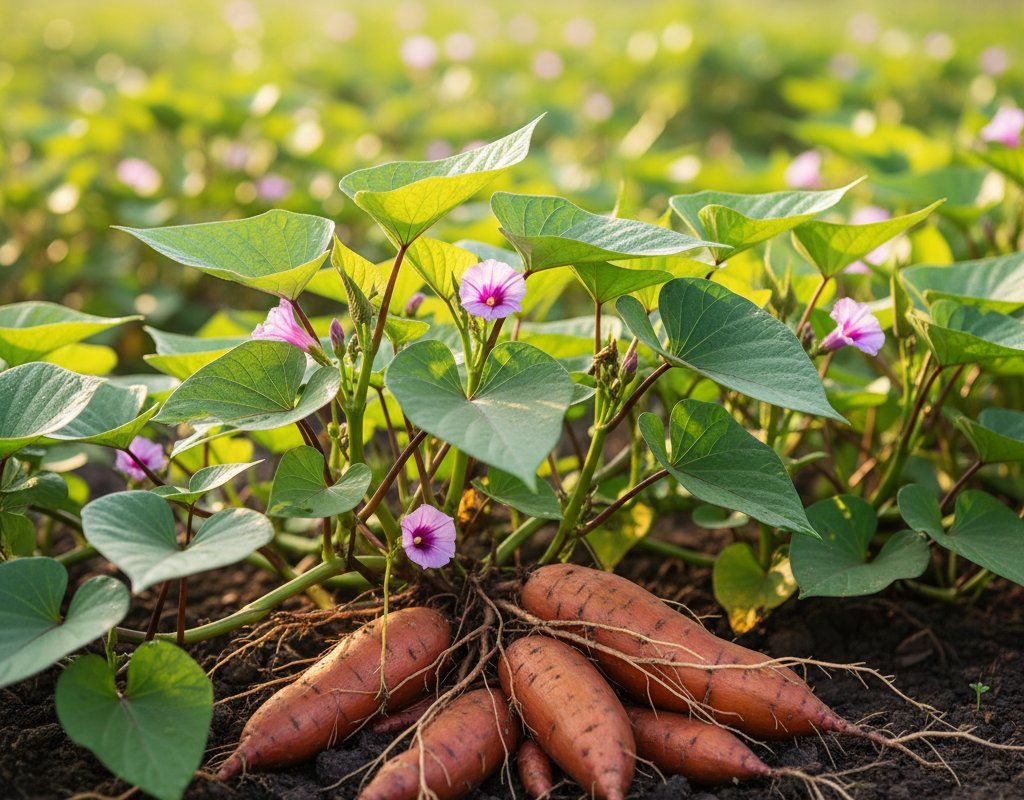
Sweet Potato in Zone 3B — Midwest
Ipomoea batatas · Your Complete 2026 Planting Guide
Planning Ahead — Great!
You’re ahead of the season. Here’s when to start.
Mark Your Calendar
How to Plant Sweet Potato in Zone 3B — Midwest
Here are all your options for getting sweet potato in the ground, from the easiest method to more advanced approaches.
Buy Starts
RecommendedEarly to mid June
around June 10
Plant purchased starts after last frost (May 20).
Plant slips (rooted sprouts) after soil is warm. Buy slips or grow your own from a sweet potato.
Start Seeds Indoors
Works WellEarly to late April
around April 15
Then transplant: Early to mid June
Start seeds 8-10 weeks before transplanting outdoors.
Direct Sow Seeds
ChallengingDirect sowing is not typical for Sweet Potato.
Transplant Outdoors
Timing InfoEarly to mid June
around June 10
Wait until nighttime temperatures stay above 50°F.
Timing is critical in your zone — don’t delay!
Overview
Sweet potatoes bring something special to Midwest gardens — these nutrient-packed tubers thrive in our summer heat and store beautifully through our long winters. You'll get vines that spread across garden beds and produce orange-fleshed treasures that taste far better than anything from the store. Our fertile soil and adequate summer rainfall create ideal conditions for these heat-loving plants.
While our 118-day growing season might seem short for a crop that needs 100 days to mature, sweet potatoes are surprisingly manageable here. The key is starting with slips (rooted sprouts) rather than seeds, and timing your planting for early summer when the soil has truly warmed. Once established, these drought-tolerant vines handle our variable Midwest weather better than you'd expect.
Starting Seeds Indoors
Growing sweet potatoes from seed isn't the typical approach — most Midwest gardeners buy slips or grow their own from a sweet potato tuber. If you do want to try seeds, start them indoors during early to late April, about 8 weeks before you plan to transplant outside.
Set up seed trays with a quality seed-starting mix and keep them consistently warm (75-80°F works best). Sweet potato seeds need heat to germinate, so consider using a heat mat under your trays. Once seedlings emerge, provide 12-14 hours of grow light daily. Bottom watering works especially well for sweet potato seedlings since it prevents damaging their delicate stems.
Keep in mind that our moderate-to-late spring means you'll be nurturing these seedlings for quite a while indoors. Most gardeners find it easier to either buy certified slips from reputable suppliers or start their own slips from organic sweet potatoes in late winter.
Transplanting Outdoors
Wait until early to mid June to transplant your sweet potato slips outdoors — soil temperature needs to stay consistently above 65°F, and our Midwest nights can still dip cool in late May. Harden off your slips gradually over a week, starting with just 2-3 hours of outdoor exposure and increasing daily.
Space your slips 12-18 inches apart in rows, planting them deeper than they were growing — bury about two-thirds of the stem to encourage strong root development. Our fertile soil works perfectly for sweet potatoes, though you'll want to avoid freshly fertilized areas since too much nitrogen produces more vines than tubers.
Plant on a calm, overcast day if possible, since our June sun can shock newly transplanted slips. Water them in well and consider using row covers for the first week if temperatures swing unexpectedly cool — typical for our variable spring weather.
Watering Sweet Potato in Zone 3B (Midwest)
Sweet potatoes need moderate water to get established, but they're surprisingly drought-tolerant once their root systems develop. During their first month in the ground, provide about 1 inch of water weekly if our typical Midwest rainfall doesn't deliver. Use the finger test — stick your finger 2 inches into the soil, and water when it feels dry at that depth.
Our moderate-to-humid summers with 30-40 inches of annual rainfall usually provide adequate moisture, but watch for dry spells in July and August. Water at the base of plants rather than overhead to prevent fungal issues in our sometimes humid conditions. A 2-inch layer of straw mulch helps maintain consistent moisture levels in our clay soil.
Reduce watering significantly 3-4 weeks before harvest — this concentrates the sugars and prevents the tubers from cracking if we get heavy late-season rains. Sweet potato vines actually perform better with some drought stress once established, so don't baby them too much during our summer heat spells.
Signs of overwatering include yellowing leaves and poor tuber development, while underwatered plants will have wilted, droopy vines that don't recover overnight. In our wet-summer climate, overwatering is often more of a problem than drought.
🧪Fertilizing Sweet Potato
Feeding Schedule
Organic Fertilizer Options
Harvest Time
Plan to harvest your sweet potatoes by mid September, definitely before our first frost hits. Sweet potatoes are extremely frost-tender, and even a light freeze will damage the tubers underground. Start checking tuber size by carefully digging around one plant when you hit the 90-day mark.
Harvest on a dry day when the soil isn't muddy — our September weather can be unpredictable. Use a garden fork to loosen soil around the entire root zone, staying 12 inches away from the main stem to avoid puncturing tubers. Sweet potatoes can spread surprisingly far underground in our fertile soil.
Brush off excess soil but don't wash the tubers immediately. Cure them in a warm (80-85°F), humid location for 1-2 weeks — this converts starches to sugars and toughens the skin for storage. A heated basement room works well for Midwest gardeners.
Handle tubers gently since damaged sweet potatoes won't store through our long winters. Once cured, store them in a cool (55-60°F), dark place with good ventilation. Properly cured sweet potatoes from your Midwest garden can last until spring.
Common Problems in Zone 3B (Midwest)
Sweet Potato Weevils What it looks like: Small holes in tubers, dark beetle-like insects about 1/4 inch long with distinctive snouts, and larvae tunneling through the flesh leaving dark, bitter-tasting channels. What causes it: These pests overwinter in stored tubers and infect new plantings. Our humid summers can increase their activity once they're established. How to fix/prevent it: Buy certified disease-free slips rather than using grocery store sweet potatoes. Rotate crops and don't plant sweet potatoes in the same spot more than once every 3-4 years. Remove all tuber debris after harvest since weevils can survive our winters in plant material.
Wireworms What it looks like: Small, round holes in tubers that look like someone poked them with a pencil, often with dark, hard-bodied worm-like larvae inside the tunnels. What causes it: These are click beetle larvae that thrive in our fertile, organic-rich Midwest soils. They're especially problematic in areas that were previously lawn or pasture. How to fix/prevent it: Till your planting area in early spring to expose larvae to birds and weather. Avoid planting in freshly converted lawn areas. Beneficial nematodes applied to soil in late spring can help control populations naturally.
Cracking What it looks like: Splits in the sweet potato skin, either circular cracks around the tuber or lengthwise splits that can expose the orange flesh underneath. What causes it: Inconsistent watering, especially heavy rain or irrigation after a dry period. Our clay soil can compound this by holding too much water after drought. How to fix/prevent it: Maintain consistent soil moisture with mulching and regular watering schedules. Reduce watering 3-4 weeks before harvest. In our wet-summer climate, improve drainage by planting in slightly raised rows.
Midwest Specific Challenges Our moderate-to-humid summers create ideal conditions for fungal issues, so ensure good air circulation around plants. Clay soil can become waterlogged during heavy rains, leading to root rot, while our occasional summer heat spells can stress plants if they're not well-mulched. The combination of fertile soil and adequate rainfall generally works in your favor, but watch for weather extremes common to Midwest growing.
Best Companions for Sweet Potato
Plant these nearby for healthier Sweet Potato and better harvests.


Keep Away From
Companion Planting Details
Sweet potatoes pair beautifully with corn, beans, and winter squash in a modified "three sisters" planting. The sweet potato vines spread along the ground while corn provides vertical structure and beans fix nitrogen that benefits all three crops. This combination makes excellent use of space and complements our fertile Midwest soil.
Avoid planting sweet potatoes near tomatoes or other members of the nightshade family, as they can compete for similar nutrients and may attract similar pests. The sprawling nature of sweet potato vines means they need plenty of room, so companion plants should either grow upward (like corn) or be planted far enough away to avoid being smothered by the vigorous vine growth that thrives in our summer heat.
🌸Best Flowers to Plant with Sweet Potato
These flowers protect your Sweet Potato from pests and attract pollinators for better harvests.
For Pest Control




Get a Reminder When It's Time to Plant
We'll email you when key planting windows open for your zone.