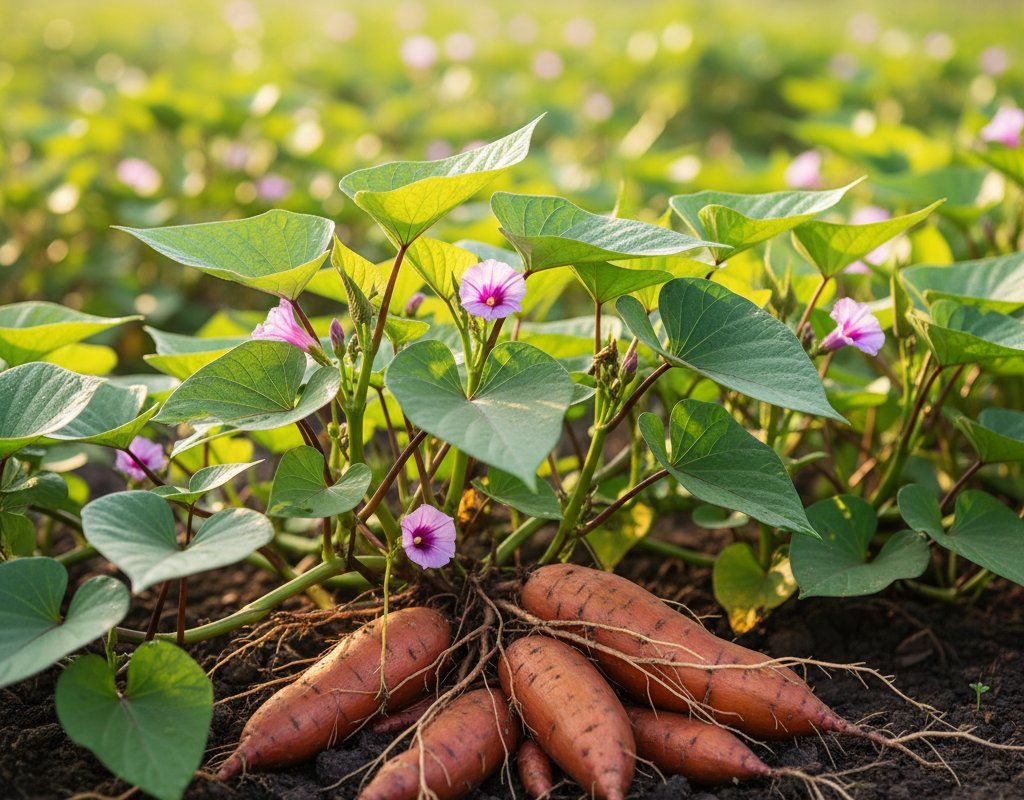
Sweet Potato in Zone 4A — Great Plains
Ipomoea batatas · Your Complete 2026 Planting Guide
Planning Ahead — Great!
You’re ahead of the season. Here’s when to start.
Mark Your Calendar
How to Plant Sweet Potato in Zone 4A — Great Plains
Here are all your options for getting sweet potato in the ground, from the easiest method to more advanced approaches.
Buy Starts
RecommendedLate May through early June
around May 31
Plant purchased starts after last frost (May 10).
Plant slips (rooted sprouts) after soil is warm. Buy slips or grow your own from a sweet potato.
Start Seeds Indoors
Works WellLate March through mid April
around April 5
Then transplant: Late May through early June
Start seeds 8-10 weeks before transplanting outdoors.
Direct Sow Seeds
ChallengingDirect sowing is not typical for Sweet Potato.
Transplant Outdoors
Timing InfoLate May through early June
around May 31
Wait until nighttime temperatures stay above 50°F.
Plan to transplant within a few weeks of your target date.
Overview
Sweet potatoes might seem like a southern crop, but they're surprisingly rewarding here in Zone 4A. These orange powerhouses pack incredible nutrition and flavor that puts grocery store versions to shame, plus their sprawling vines create beautiful ground cover during our intense summer heat. The drought tolerance makes them perfect for our variable rainfall patterns, and there's real satisfaction in pulling these treasures from our rich prairie soil.
Yes, our 138-day growing season means you'll need to start indoors and work around our temperature swings, but sweet potatoes are more forgiving than you'd expect. The key is getting transplants in after soil warms reliably in late May, then letting our blazing summer sunshine do the work. First frost typically arrives in late September, giving you just enough time for a solid harvest.
Starting Seeds Indoors
Starting sweet potatoes from seed isn't the typical approach - most Plains gardeners buy slips (rooted sprouts) or grow their own from a grocery store sweet potato. If you do start from seed, begin in late March through mid-April, about 8 weeks before your transplant window opens.
Set up seed trays with quality potting mix and keep them consistently warm - 75-80°F is ideal. Bottom watering works best to prevent damping off, especially important during our variable spring weather when indoor humidity can fluctuate. You'll need grow lights or a very sunny south window since these heat-lovers need strong light from the start.
The reality is that buying slips or sprouting your own sweet potato gives much more reliable results than seeds. Seeds can be inconsistent, and with our shorter season, you want every advantage you can get.
Transplanting Outdoors
Transplant your sweet potato slips outdoors from late May through early June, once soil temperature stays consistently above 60°F at night. Our late spring cold snaps can kill these tender plants instantly, so wait until you're confident in stable warm weather - usually around Memorial Day weekend.
Harden off transplants gradually over a week, starting with just an hour of morning sun and working up to full outdoor exposure. Plant slips 12-18 inches apart in well-draining soil, burying the roots and about half the stem. Choose your most protected spot since wind protection is essential for young plants.
Soil should be warm to the touch before planting - cold, wet prairie soil will stunt growth or kill transplants outright. If needed, warm the planting area with black plastic for a week before transplanting.
Watering Sweet Potato in Zone 4A (Great Plains)
Sweet potatoes need moderate water to get established, but they're surprisingly drought-tolerant once their roots spread - perfect for our variable Plains rainfall. Water deeply once or twice weekly during the first month, giving about an inch total per week including any natural precipitation.
Once vines start running in mid-summer, you can back off significantly. These plants actually perform better with some stress than with constant moisture, especially in our hot, dry conditions. The finger test works well - if soil is dry 2 inches down, it's time to water. During typical Plains summers with temperatures hitting 93°F, established plants may only need supplemental water during extended dry spells.
Water at the base rather than overhead to prevent leaf diseases, though our low-to-moderate humidity means fungal issues are less common than in more humid regions. A 2-3 inch layer of straw mulch helps retain moisture and keeps soil temperature stable during our extreme temperature swings.
Reduce watering significantly 3-4 weeks before harvest to concentrate sugars in the tubers and prevent splitting. Too much late-season water can actually dilute flavor and increase storage problems.
🧪Fertilizing Sweet Potato
Feeding Schedule
Organic Fertilizer Options
Harvest Time
Your sweet potatoes will be ready for harvest from early to late September, typically 100 days after transplanting. Unlike other root crops, you can't tell ripeness from the tops - you'll need to carefully dig a test hill to check tuber size and skin development.
Harvest before first frost hits, which usually arrives in late September here on the Plains. Even a light frost will damage the vines and can affect tuber quality. Dig carefully with a fork, working from the outside of each hill inward to avoid damaging the tubers. Sweet potatoes can spread surprisingly far from the original plant.
Look for well-formed tubers with smooth, tight skin that doesn't scratch off easily with your fingernail. Smaller tubers are perfectly edible - just use them first since they don't store as long as larger ones.
Brush off loose soil but don't wash until you're ready to use them. Cure freshly dug sweet potatoes in a warm (80-85°F), humid place for 1-2 weeks to develop their full sweetness and improve storage life. A basement near the furnace often works well, or create a makeshift curing box with a heat source.
Common Problems in Zone 4A (Great Plains)
Sweet Potato Weevils Small, dark beetles about 1/4 inch long that create small holes in tubers, with white grubs feeding inside. You'll see the entry holes and notice tubers becoming soft or developing a bitter taste. These pests are less common in our northern climate but can still appear, especially during hot summers. Remove and destroy affected tubers immediately, and rotate planting areas yearly. Clean cultivation helps since weevils overwinter in plant debris.
Wireworms Shiny, copper-colored larvae that tunnel through tubers, creating pencil-sized holes that often go straight through. These are actually click beetle larvae that thrive in prairie grassland soils. You'll discover the damage at harvest when tubers have clean, round holes with smooth edges. Till soil thoroughly in fall to expose larvae to winter cold, and avoid planting where sod was recently turned over. Beneficial nematodes can help control populations.
Cracking Tubers split along their length, usually after heavy rain or watering following dry periods. This happens when tubers absorb water faster than their skin can expand, common with our variable rainfall patterns. The cracks expose flesh to rot and reduce storage life. Maintain consistent soil moisture with mulch and avoid the wet-dry cycle that triggers splitting. Harvest promptly once tubers reach full size rather than leaving them in fluctuating soil conditions.
Great Plains Specific Challenges: Our extreme temperature swings and variable rainfall create perfect conditions for cracking, while our windy conditions can stress plants and slow establishment. However, the intense sunshine and low disease pressure from our dry air make sweet potatoes more successful here than in humid regions. Focus on wind protection early and consistent moisture management throughout the season.
Best Companions for Sweet Potato
Plant these nearby for healthier Sweet Potato and better harvests.


Keep Away From
Companion Planting Details
Sweet potatoes work beautifully with corn and beans in a modified Three Sisters planting - the sprawling vines provide living mulch while corn offers some wind protection during establishment. Plant beans around the edges since they'll fix nitrogen without overfeeding the sweet potatoes, which prefer moderate fertility to prevent excessive vine growth at the expense of tuber development.
Avoid planting near other spreading crops like winter squash, since they'll compete for space and create a tangled mess that's impossible to harvest. The vigorous sweet potato vines will shade out most weeds naturally, making them excellent companions for themselves when planted in dedicated beds with proper spacing.
🌸Best Flowers to Plant with Sweet Potato
These flowers protect your Sweet Potato from pests and attract pollinators for better harvests.
For Pest Control




Get a Reminder When It's Time to Plant
We'll email you when key planting windows open for your zone.