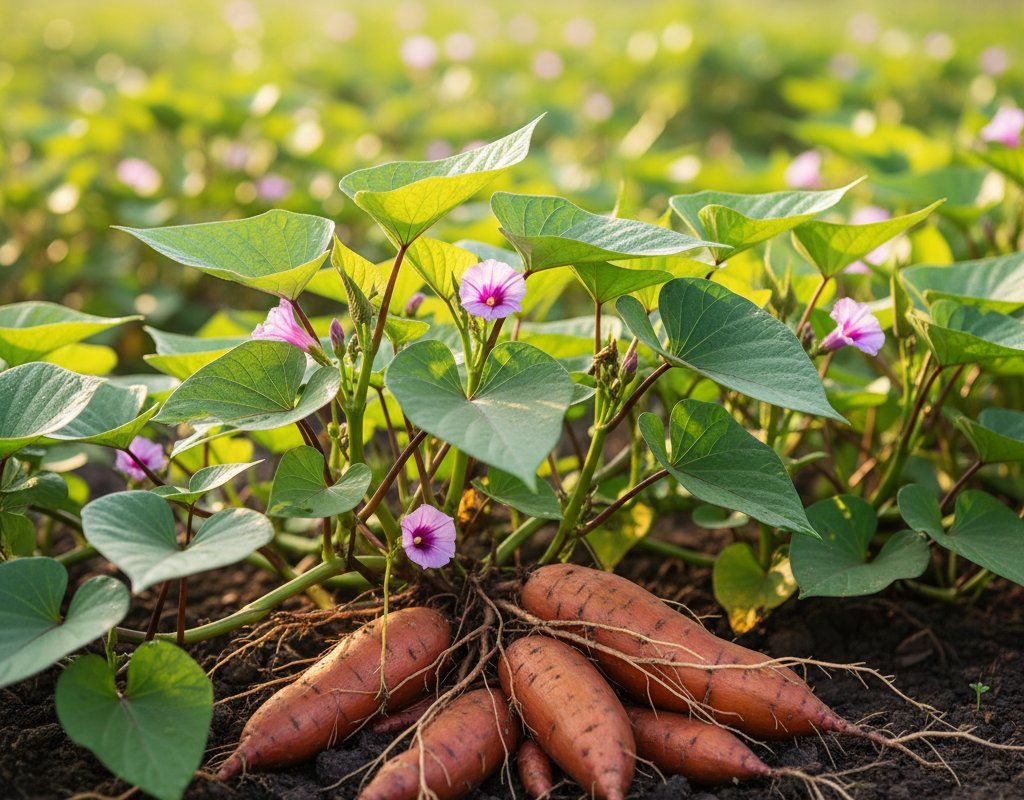
Sweet Potato in Zone 4B — Midwest
Ipomoea batatas · Your Complete 2026 Planting Guide
Planning Ahead — Great!
You’re ahead of the season. Here’s when to start.
Mark Your Calendar
How to Plant Sweet Potato in Zone 4B — Midwest
Here are all your options for getting sweet potato in the ground, from the easiest method to more advanced approaches.
Buy Starts
RecommendedLate May through early June
around May 31
Plant purchased starts after last frost (May 10).
Plant slips (rooted sprouts) after soil is warm. Buy slips or grow your own from a sweet potato.
Start Seeds Indoors
Works WellLate March through mid April
around April 5
Then transplant: Late May through early June
Start seeds 8-10 weeks before transplanting outdoors.
Direct Sow Seeds
ChallengingDirect sowing is not typical for Sweet Potato.
Transplant Outdoors
Timing InfoLate May through early June
around May 31
Wait until nighttime temperatures stay above 50°F.
Plan to transplant within a few weeks of your target date.
Overview
Sweet potatoes offer Midwest gardeners a rewarding challenge that pays off with incredibly sweet, nutritious tubers. While our shorter growing season means you'll need to be strategic about timing, the payoff is substantial — homegrown sweet potatoes have a richness and flavor complexity that puts store-bought ones to shame. Our fertile Midwest soil and summer heat spells create excellent growing conditions once you get past the initial establishment period.
Yes, sweet potatoes are heat-lovers that need a long growing season, but our 138-day window gives you just enough time if you start right. The key is getting healthy transplants established after our last frost risk passes in early May, then letting our warm summers do the work. With proper timing and a few Midwest-specific techniques, you can successfully grow these nutritious beauties even in Zone 4B.
Starting Seeds Indoors
Starting sweet potatoes from seed isn't the typical approach — most gardeners grow them from slips (rooted sprouts from sweet potato tubers). However, if you want to try starting from seed, begin in late March through mid-April, about 8 weeks before you can safely transplant outdoors.
Sweet potato seeds need consistent warmth (75-80°F) and bright light to germinate well. Use seed trays with a heat mat underneath and provide 12-14 hours of light daily. Bottom watering works best to prevent damping off — set your seed trays in shallow water and let the soil absorb moisture from below.
Given our moderate-to-late spring startup in the Midwest, indoor starting gives you the head start you need. However, purchasing certified disease-free slips from a reputable supplier is usually more reliable and faster than growing from seed, especially for first-time sweet potato growers.
Transplanting Outdoors
Plan to transplant your sweet potato slips outdoors from late May through early June, well after our last frost risk has passed. Sweet potatoes are extremely frost-tender and need soil temperatures consistently above 60°F — waiting until Memorial Day is usually your safest bet in our variable spring climate.
Before transplanting, harden off your slips gradually over one week by increasing their outdoor exposure daily. Plant slips 12-18 inches apart in raised beds or mounded rows, which warm up faster than flat ground. Set them deep, burying two-thirds of the stem — sweet potatoes root along the buried stem, creating a stronger root system.
Watch the weather forecast carefully during transplant time. Our Midwest springs can still surprise you with cool snaps even in late May, and sweet potatoes will sulk or die if exposed to temperatures below 50°F. Have row covers ready as backup protection during the first two weeks after transplanting.
Watering Sweet Potato in Zone 4B (Midwest)
Sweet potatoes need moderate water to get established, then become surprisingly drought-tolerant once their root system develops. During the first month after transplanting, water consistently to keep soil evenly moist but not soggy — aim for about 1 inch per week including rainfall.
Our wet Midwest summers (30-40 inches annually) often provide adequate moisture naturally, but monitor during summer heat spells when temperatures climb above 90°F. Use the finger test: stick your finger 2 inches deep into the soil near the base of the plant. If it's dry at that depth, it's time to water.
Water at the base of the plants rather than overhead — our moderate-to-humid summers create conditions where wet foliage can encourage disease problems. A 2-3 inch layer of straw mulch helps maintain consistent soil moisture and reduces the need for supplemental watering during dry periods.
Reduce watering significantly during the last 3-4 weeks before harvest. Too much moisture late in the season can cause the tubers to crack or develop poor storage quality. Let the vines naturally start to yellow and slow their growth as harvest approaches.
🧪Fertilizing Sweet Potato
Feeding Schedule
Organic Fertilizer Options
Harvest Time
Your sweet potatoes will be ready for harvest from early to late September, typically 100 days after transplanting. Unlike regular potatoes, sweet potatoes don't give obvious above-ground signals when ready — you'll need to carefully dig a test hill to check tuber size and skin quality.
Harvest becomes urgent as our first frost approaches, usually in late September. Sweet potato vines are killed by even light frost, and cold soil damages the tubers. Plan to complete your harvest at least one week before the predicted first frost date, even if some tubers seem small.
Dig carefully with a garden fork, starting about 18 inches away from the main stem to avoid puncturing tubers. Sweet potato skins are thin and easily damaged when freshly dug, so handle them gently. Brush off excess soil but don't wash them — washing can introduce bacteria that causes rot during storage.
After digging, cure your sweet potatoes in a warm (80-85°F), humid location for 1-2 weeks. This process converts starches to sugars and toughens the skin for storage. A basement corner with a humidifier works well, or you can create a curing box with a small heater and shallow pans of water.
Common Problems in Zone 4B (Midwest)
Sweet Potato Weevils These small, dark beetles bore into sweet potato tubers, creating tunnels filled with their larvae. You'll see small, round holes in the tubers at harvest, often with a bitter taste in the damaged areas. The adult weevils are about 1/4 inch long with a distinctive snout.
Sweet potato weevils are more common in warmer climates but can appear in the Midwest, especially during hot summers. They overwinter in stored sweet potatoes and crop debris. Prevent problems by purchasing certified disease-free slips, rotating crops annually, and destroying all plant debris after harvest. Remove any damaged tubers immediately rather than storing them with healthy ones.
Wireworms These thin, yellow-brown larvae of click beetles bore small, perfectly round holes into sweet potato tubers. You'll find the damage at harvest — clean holes that go deep into the flesh, often with the wireworm still inside. Heavy clay soils in the Midwest can harbor large wireworm populations.
Wireworms thrive in our heavy clay soils, especially in areas that were previously in grass or weeds. Till your planting area in fall to expose wireworms to freezing temperatures. Work compost into clay soil to improve drainage — wireworms prefer wet, compacted conditions. Crop rotation helps, since wireworms prefer grass roots over most vegetables.
Cracking Sweet potato tubers develop splits or cracks in the skin, creating openings where rot can enter during storage. The cracks may be shallow surface splits or deep gashes that expose the orange flesh underneath. This typically happens during the final weeks before harvest.
Cracking results from inconsistent soil moisture — our variable late-summer rainfall can cause rapid water uptake after dry spells. The tuber flesh swells faster than the skin can expand, causing splits. Maintain consistent soil moisture through the growing season with mulch and moderate watering. Reduce watering during the last month before harvest, and harvest promptly when tubers are mature rather than leaving them in the ground longer.
Midwest Specific Challenges: Our moderate-to-hot summers with periodic heat spells, combined with moderate-to-humid conditions and wet-summer rainfall patterns, create the perfect storm for inconsistent soil moisture. Sweet potatoes perform best with steady, moderate water rather than the feast-or-famine cycles our weather often provides.
Best Companions for Sweet Potato
Plant these nearby for healthier Sweet Potato and better harvests.


Keep Away From
Companion Planting Details
Sweet potatoes pair excellently with beans, corn, and squash — the classic "Three Sisters" combination works well in Midwest gardens. Beans fix nitrogen in the soil, which sweet potatoes use for healthy vine growth, while the sprawling sweet potato vines help suppress weeds around corn stalks. Squash and sweet potatoes both spread along the ground, making efficient use of garden space while their large leaves help retain soil moisture during our summer heat spells.
Avoid planting sweet potatoes near tomatoes or other nightshade family crops, not because of direct competition, but because they have different watering needs. Sweet potatoes prefer consistent moderate water, while tomatoes need more careful moisture management to prevent cracking and disease. Keep these crops in separate areas of your garden where you can manage their watering schedules independently.
🌸Best Flowers to Plant with Sweet Potato
These flowers protect your Sweet Potato from pests and attract pollinators for better harvests.
For Pest Control




Get a Reminder When It's Time to Plant
We'll email you when key planting windows open for your zone.