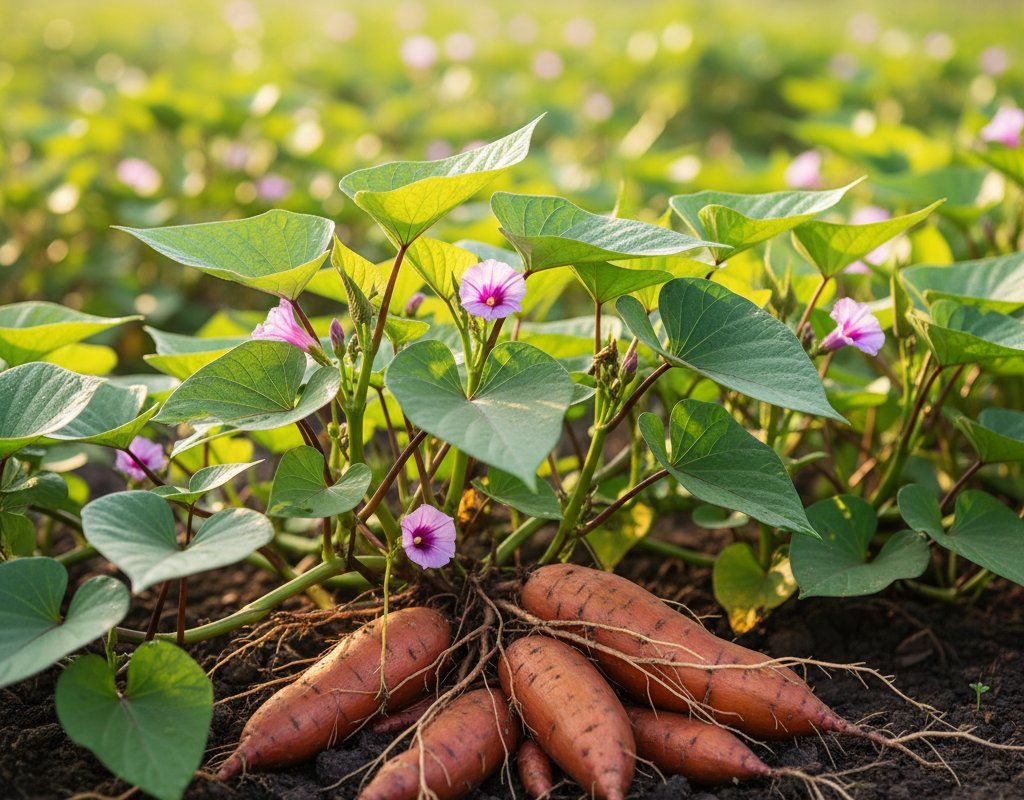
Sweet Potato in Zone 4B — Great Plains
Ipomoea batatas · Your Complete 2026 Planting Guide
Planning Ahead — Great!
You’re ahead of the season. Here’s when to start.
Mark Your Calendar
How to Plant Sweet Potato in Zone 4B — Great Plains
Here are all your options for getting sweet potato in the ground, from the easiest method to more advanced approaches.
Buy Starts
RecommendedLate May through early June
around May 26
Plant purchased starts after last frost (May 5).
Plant slips (rooted sprouts) after soil is warm. Buy slips or grow your own from a sweet potato.
Start Seeds Indoors
Works WellLate March through mid April
around March 31
Then transplant: Late May through early June
Start seeds 8-10 weeks before transplanting outdoors.
Direct Sow Seeds
ChallengingDirect sowing is not typical for Sweet Potato.
Transplant Outdoors
Timing InfoLate May through early June
around May 26
Wait until nighttime temperatures stay above 50°F.
Plan to transplant within a few weeks of your target date.
Overview
Sweet potatoes bring something special to Plains gardens—their naturally sweet, dense flesh and impressive storage life make them perfect for our variable climate. Here in the Great Plains, where our intense sunshine and fertile prairie soil can produce exceptional root crops, sweet potatoes reward patient gardeners with harvests that can last through winter. They're also surprisingly drought-tolerant once established, a huge advantage when summer rainfall becomes unpredictable.
While sweet potatoes need our full 149-day growing season and careful timing around our temperature swings, they're absolutely manageable in Zone 4B. The key is working with transplants rather than direct seeding, giving you control over when these heat-loving vines hit the ground. With proper timing and wind protection, you'll be digging beautiful tubers before our early October frost arrives.
Starting Seeds Indoors
Starting sweet potatoes from seed isn't the typical approach—most Plains gardeners work with slips (rooted sprouts) instead. However, if you want to try growing your own slips from store-bought sweet potatoes, start the process in late March through mid-April, about 8 weeks before transplanting time.
To create slips, cut a sweet potato in half lengthwise and place cut-side down in shallow water or moist potting mix. Keep them warm (75-80°F) and in bright light. Small sprouts will emerge that you can twist off and root in water once they're 4-6 inches long. Use bottom watering to keep the parent tuber from rotting.
Given our variable spring weather, having slips ready indoors gives you flexibility to wait for truly settled conditions before transplanting. Most gardeners find purchasing certified slips more reliable than growing their own, especially with our short season.
Transplanting Outdoors
Transplant your sweet potato slips outdoors from late May through early June, after soil temperatures consistently stay above 60°F and night temperatures don't drop below 55°F. In our climate, this timing usually coincides with when the wind shifts from those harsh spring gusts to more manageable summer breezes.
Harden off slips gradually over one week, starting with just 2-3 hours of outdoor exposure and increasing daily. Space them 12-18 inches apart in rows, giving those vigorous vines room to spread. Plant slips deep, burying about two-thirds of the stem to encourage strong root development.
Wind protection is essential during those first few weeks—use row covers or create temporary windbreaks with cardboard or fabric. Our Great Plains winds can quickly stress young transplants, so keep protection in place until you see active new growth starting.
Watering Sweet Potato in Zone 4B (Great Plains)
Sweet potatoes need moderate watering to get established, but they're remarkably drought-tolerant once their root system develops—a perfect match for our variable Plains rainfall. During the first month after transplanting, keep soil consistently moist with about 1 inch of water per week, checking moisture levels with the finger test about 2 inches deep.
Once vines start spreading actively (usually by mid-July), you can reduce watering frequency but water more deeply when you do irrigate. Our hot summers with typical highs around 93°F mean established plants actually prefer slightly drier conditions, which concentrates the sugars in developing tubers. Too much water creates lush foliage at the expense of root development.
Water at the base of plants rather than overhead—our low-to-moderate humidity means leaves dry quickly, but targeted watering conserves moisture better in our windy conditions. About 3-4 weeks before harvest, reduce watering significantly to prevent tubers from splitting and to help them develop better storage quality.
A 2-3 inch layer of organic mulch helps maintain even moisture levels, which is crucial for preventing stress cracking when we get those sudden late-summer downpours after dry spells. Consistent moisture throughout the growing season produces the smoothest, highest-quality tubers.
🧪Fertilizing Sweet Potato
Feeding Schedule
Organic Fertilizer Options
Harvest Time
Your sweet potatoes will be ready for harvest from early September through early October, after about 100 days from transplanting. Unlike many crops, you can't judge ripeness by looking at the foliage—instead, carefully dig a test hill when tubers should be sizing up to check development.
Harvest before our first frost hits, typically in early October. Sweet potato foliage is extremely frost-tender, and even a light freeze will damage the vines and potentially harm tuber quality. Use a digging fork rather than a spade, working carefully about 18 inches from the plant center to avoid puncturing tubers.
Brush off soil gently but don't wash the tubers—wet sweet potatoes are prone to rot. Handle them carefully since the skins are thin and easily damaged when freshly dug. Any nicks or cuts create entry points for decay during storage.
Plan your harvest timing around weather forecasts, ideally choosing a dry day when soil isn't muddy from recent rain. Our variable fall weather can shift quickly from warm to freezing, so don't wait until the last possible moment. Cure your harvest in a warm (80-85°F), humid place for 1-2 weeks to develop their characteristic sweetness and improve storage life.
Common Problems in Zone 4B (Great Plains)
Sweet Potato Weevils Small, dark beetles with distinctive snouts that bore into tubers, creating tunnels filled with larvae. You'll see small holes in the sweet potatoes and dark, bitter areas inside the flesh. In our Great Plains climate, these pests are less common than in warmer regions but can still appear during hot summers. Rotate crops annually and remove all plant debris after harvest. If you spot damage, destroy affected tubers immediately and don't compost them.
Wireworms These thin, yellow-brown worms create smooth, round holes in tubers and can tunnel throughout the flesh. They're soil-dwelling larvae of click beetles and thrive in our prairie soils, especially in areas that were previously in grass. Wireworm damage often increases after dry spells when they move deeper seeking moisture, then return to feed when irrigation resumes. Work compost into soil to improve drainage and encourage beneficial predators. Avoid planting sweet potatoes in newly turned sod areas.
Cracking Tubers split either in concentric circles or radial lines, exposing flesh to rot organisms. This happens when heavy watering or sudden rainfall follows a dry period—the tuber absorbs water faster than the skin can expand. Our variable Plains precipitation makes this especially problematic during late summer when afternoon storms can dump significant moisture after weeks of heat and drought. Maintain consistent soil moisture with mulch and avoid the feast-or-famine watering cycle that triggers splitting.
Great Plains Specific Challenges: Our combination of hot summers, low-to-moderate humidity, and extremely variable rainfall creates unique stress patterns for sweet potatoes. The intense sunshine and wind can quickly dry surface soil while deeper layers stay moist, leading to uneven water uptake. Most problems stem from inconsistent moisture rather than specific pests or diseases, making mulching and consistent watering your best prevention strategies.
Best Companions for Sweet Potato
Plant these nearby for healthier Sweet Potato and better harvests.


Keep Away From
Companion Planting Details
Sweet potatoes pair beautifully with the traditional "Three Sisters" combination in Plains gardens. Plant beans nearby to fix nitrogen in the soil, which sweet potato vines appreciate without becoming overly leafy. Corn provides natural wind protection during those first crucial weeks after transplanting—essential in our climate. Squash creates a living mulch that helps conserve soil moisture during our hot, dry summers.
Avoid planting sweet potatoes with other root crops that might compete for space or nutrients in the same soil layer. Their vigorous vines need room to spread, so give them plenty of space from plants that require frequent cultivation. The sprawling growth habit actually works well as a living mulch itself, helping suppress weeds and conserve moisture once established.
🌸Best Flowers to Plant with Sweet Potato
These flowers protect your Sweet Potato from pests and attract pollinators for better harvests.
For Pest Control




Get a Reminder When It's Time to Plant
We'll email you when key planting windows open for your zone.