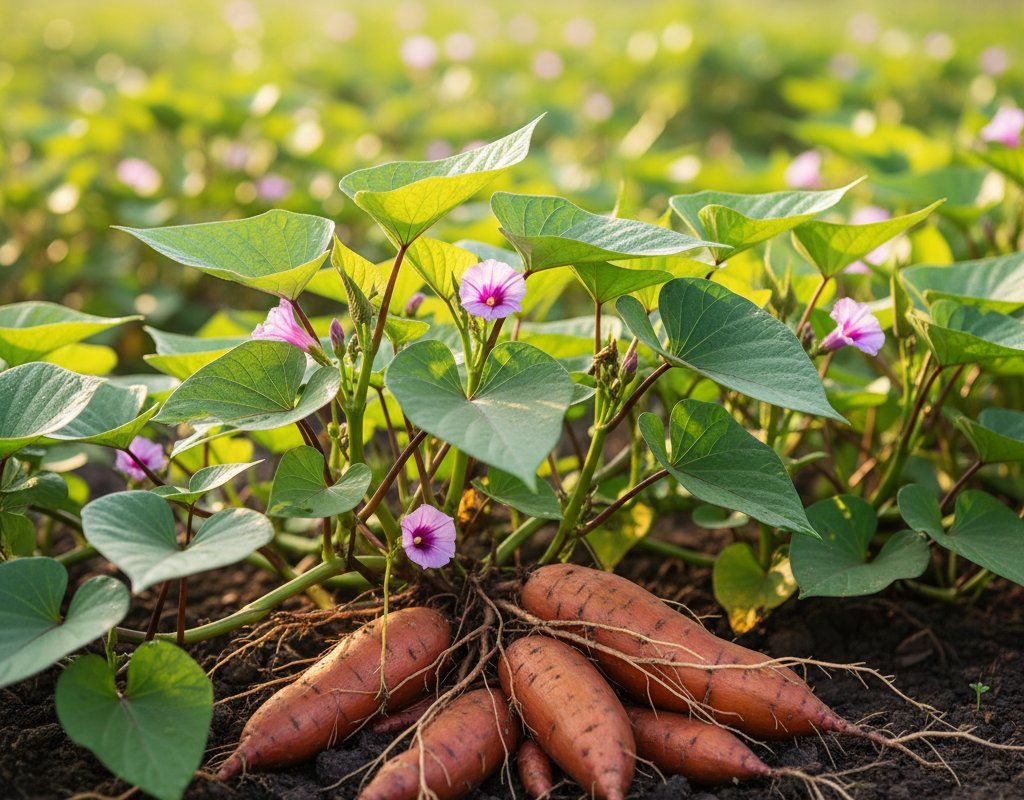
Sweet Potato in Zone 5A — Midwest
Ipomoea batatas · Your Complete 2026 Planting Guide
Planning Ahead — Great!
You’re ahead of the season. Here’s when to start.
Mark Your Calendar
How to Plant Sweet Potato in Zone 5A — Midwest
Here are all your options for getting sweet potato in the ground, from the easiest method to more advanced approaches.
Buy Starts
RecommendedLate May through mid June
around May 22
Plant purchased starts after last frost (May 1).
Plant slips (rooted sprouts) after soil is warm. Buy slips or grow your own from a sweet potato.
Start Seeds Indoors
Works WellMid March through early April
around March 27
Then transplant: Late May through mid June
Start seeds 8-10 weeks before transplanting outdoors.
Direct Sow Seeds
ChallengingDirect sowing is not typical for Sweet Potato.
Transplant Outdoors
Timing InfoLate May through mid June
around May 22
Wait until nighttime temperatures stay above 50°F.
Plan to transplant within a few weeks of your target date.
Overview
Sweet potatoes thrive in our Midwest Zone 5A climate, turning our summer heat into sweet, orange flesh that stores beautifully through winter. With our 157-day growing season and reliable summer warmth, you'll get hefty harvests of these nutritious tubers that taste worlds better than anything from the grocery store. They're incredibly versatile too — roast them, mash them, or turn them into pies that'll make your neighbors jealous.
The key challenge here in the Midwest is getting them started early enough since they need a full 100 days to mature. Our variable spring weather means you can't rush them outdoors, but with proper timing and a little patience, sweet potatoes are surprisingly manageable even with our shorter season.
Starting Seeds Indoors
While most Midwest gardeners buy sweet potato slips (rooted sprouts), you can start your own from seed if you're feeling adventurous. Start seeds indoors from mid-March through early April, about 8 weeks before you plan to transplant. Keep in mind that growing from seed is less predictable than slips and may not produce true-to-type varieties.
Set up your seed trays in a warm spot — sweet potatoes need consistent warmth around 75-80°F to germinate well. Use bottom watering to keep the soil evenly moist without waterlogging the seeds. With our moderate-to-late spring start here in the Midwest, this indoor timing gives your plants plenty of time to develop strong root systems before heading outdoors.
Most experienced Midwest sweet potato growers recommend buying certified disease-free slips instead of starting from seed. It's more reliable and gives you a head start on the growing season.
Transplanting Outdoors
Plan to transplant your sweet potato slips outdoors from late May through mid-June, once soil temperatures consistently stay above 60°F. Don't rush this — sweet potatoes are extremely tender and even a light frost will kill them completely. Wait until Memorial Day has passed and nighttime temperatures stay reliably above 50°F.
Harden off your slips gradually over a full week, starting with just an hour outdoors and increasing daily. Our Midwest spring weather can be unpredictable, with sudden temperature swings that can shock tender plants. Space your slips 12-18 inches apart in rows, giving them room to spread their vines.
Plant slips in well-draining soil that's been warmed by the sun. If you're working with our typical Midwest clay soil, consider building raised beds or adding compost to improve drainage. Sweet potatoes need loose soil to develop properly, and waterlogged clay will cause the roots to rot.
Watering Sweet Potato in Zone 5A (Midwest)
Sweet potatoes need moderate water to get established, but they're actually quite drought-tolerant once their roots spread. Here in the Midwest with our 30-40 inches of annual rainfall and humid summers, you'll often find that nature does most of the work for you. During typical summer weather, check soil moisture with the finger test — stick your finger 2 inches deep, and water only if it feels dry.
Give them about an inch of water per week during their first month after transplanting, then back off to let them find their own water. Our moderate-to-humid summers mean overwatering is a bigger risk than underwatering. Sweet potatoes actually develop better flavor when they're slightly stressed for water, so resist the urge to pamper them too much.
Water at the base of the plants rather than overhead — our humid Midwest air holds moisture that can encourage fungal problems on wet foliage. Apply a thin layer of straw mulch around the plants to maintain even soil moisture and prevent weeds from competing with your vines.
Three to four weeks before your expected harvest in late summer, reduce watering significantly. This concentrates the sugars in the tubers and improves their storage quality. Signs of overwatering include excessive vine growth with few tubers, while underwatering shows up as wilted leaves that don't perk up in the evening.
🧪Fertilizing Sweet Potato
Feeding Schedule
Organic Fertilizer Options
Harvest Time
Start checking your sweet potatoes in late August, though most won't be ready until early October here in Zone 5A. Unlike regular potatoes, sweet potatoes don't give obvious above-ground signals when they're ready — you'll need to carefully dig around one plant to check tuber size. Look for roots that are 3-4 inches long and have developed their characteristic orange color.
Harvest all your sweet potatoes before the first frost, which typically arrives in early October in our area. Even a light frost will damage the vines and can cause the tubers to rot in storage. Use a garden fork to carefully loosen the soil around each plant, working from the outside in to avoid spearing the tubers.
Brush off excess soil but don't wash them right after harvest. Handle them gently — sweet potatoes bruise easily and damaged spots will rot during storage. Let them dry in the sun for a few hours if the weather's nice, then move them to cure in a warm (80-85°F), humid place for 1-2 weeks.
The curing process is crucial for developing that sweet flavor we love. After curing, store them in a cool (55-60°F), dark place where they'll keep for months. Our Midwest basements are often perfect for this, though check periodically and use any that show soft spots first.
Common Problems in Zone 5A (Midwest)
Sweet Potato Weevils These small, dark beetles create tunnels through your tubers, leaving behind bitter-tasting damage and entry points for rot. You'll see small holes in the sweet potatoes and may notice the adult beetles on the vines. In the Midwest, these pests are less common than in warmer regions, but they can still be problematic in areas where sweet potatoes are grown regularly.
Clean up all plant debris after harvest and rotate your sweet potato patch to a different area each year. Remove any volunteer plants that sprout from missed tubers. If you see weevil damage, destroy affected tubers rather than composting them.
Wireworms These yellow-brown, segmented larvae tunnel through sweet potato tubers, creating holes that look similar to weevil damage but are typically larger. Wireworms are common in Midwest soils, especially in areas that were previously grass or pasture. They're particularly problematic in our clay soils where they can overwinter successfully.
Work the soil well in fall and spring to expose wireworms to predators and weather. Avoid planting sweet potatoes in newly converted lawn areas if possible. Beneficial nematodes applied to the soil can help reduce wireworm populations naturally.
Cracking Sweet potato tubers can develop splits in their skin, especially after heavy rain or watering following a dry period. You'll see either circular cracks around the tuber or linear splits running lengthwise. Our Midwest weather patterns of summer heat spells followed by thunderstorms create perfect conditions for this problem.
Maintain consistent soil moisture through mulching and regular, moderate watering rather than heavy, infrequent soaking. During late summer drought periods common here, water lightly rather than trying to make up for lost time with a heavy soaking.
Midwest Specific Challenges Our moderate-to-humid summers and wet-summer rainfall pattern mean sweet potatoes face more fungal pressure here than in drier climates. Good air circulation and avoiding overhead watering become especially important. The clay soil common throughout the Midwest can also cause issues with drainage and tuber development, making soil preparation crucial for success.
Best Companions for Sweet Potato
Plant these nearby for healthier Sweet Potato and better harvests.


Keep Away From
Companion Planting Details
Sweet potatoes make excellent companions for corn and beans in a modified three sisters planting. The sweet potato vines spread as a living mulch beneath taller corn stalks, while beans fix nitrogen that benefits both crops. This combination works particularly well in our Midwest climate because the corn provides some wind protection during summer storms, and all three crops appreciate our warm, humid growing conditions.
Avoid planting sweet potatoes near other root crops like regular potatoes or carrots, as they compete for the same soil space and nutrients. The sprawling nature of sweet potato vines also means they can overwhelm smaller plants, so give them plenty of room or pair them only with tall, sturdy companions that won't be smothered.
🌸Best Flowers to Plant with Sweet Potato
These flowers protect your Sweet Potato from pests and attract pollinators for better harvests.
For Pest Control




Get a Reminder When It's Time to Plant
We'll email you when key planting windows open for your zone.