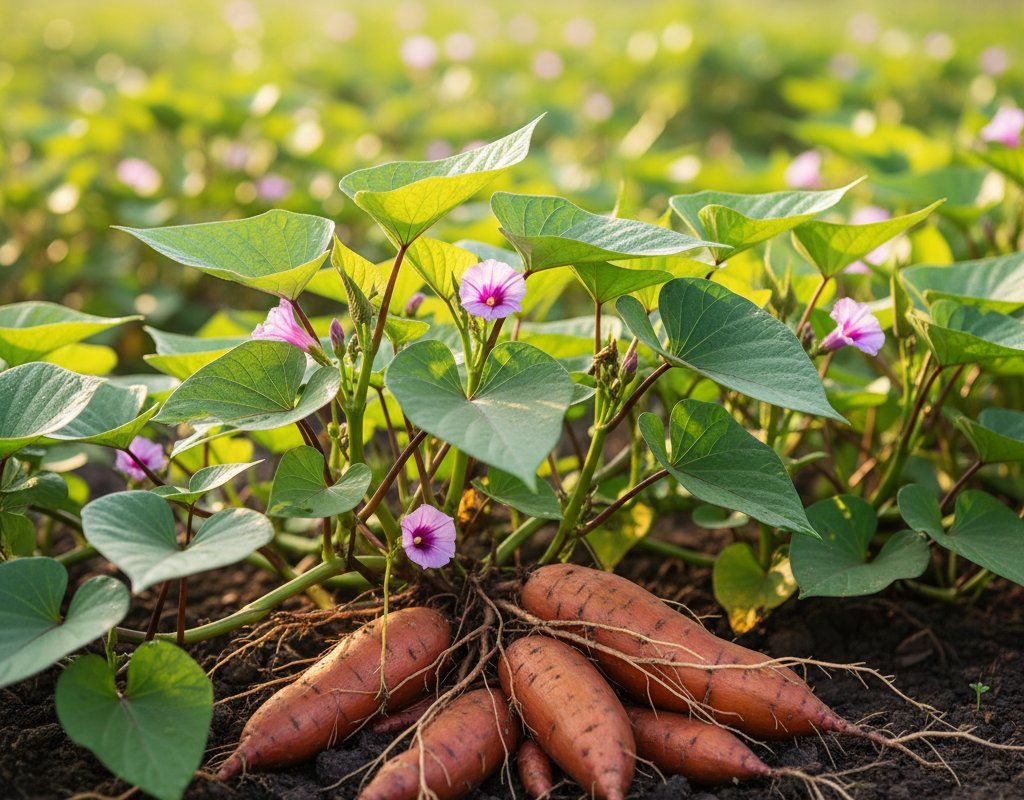
Sweet Potato in Zone 5A — Great Plains
Ipomoea batatas · Your Complete 2026 Planting Guide
Planning Ahead — Great!
You’re ahead of the season. Here’s when to start.
Mark Your Calendar
How to Plant Sweet Potato in Zone 5A — Great Plains
Here are all your options for getting sweet potato in the ground, from the easiest method to more advanced approaches.
Buy Starts
RecommendedMid May through early June
around May 16
Plant purchased starts after last frost (April 25).
Plant slips (rooted sprouts) after soil is warm. Buy slips or grow your own from a sweet potato.
Start Seeds Indoors
Works WellMid March through early April
around March 21
Then transplant: Mid May through early June
Start seeds 8-10 weeks before transplanting outdoors.
Direct Sow Seeds
ChallengingDirect sowing is not typical for Sweet Potato.
Transplant Outdoors
Timing InfoMid May through early June
around May 16
Wait until nighttime temperatures stay above 50°F.
Plan to transplant within a few weeks of your target date.
Overview
Sweet potatoes bring incredible versatility to your Plains garden table — from creamy baked sides to crispy homemade fries that put store-bought to shame. These nutritional powerhouses store beautifully through our long winters, giving you months of homegrown eating from just one harvest. The intense Plains sunshine helps develop their signature sweetness while our prairie soils provide excellent drainage they need to thrive.
Yes, our 168-day growing season keeps things tight for these heat lovers, and you'll need to start with slips rather than seeds. But with proper timing and our reliable summer heat, you can absolutely grow sweet potatoes successfully here. The key is getting started early indoors and protecting young plants from those unpredictable spring temperature swings.
Starting Seeds Indoors
Most Plains gardeners skip starting sweet potatoes from seed and go straight to slips (rooted sprouts) since seeds are unreliable and slow. However, if you want to try growing your own slips from stored sweet potatoes, start mid-March through early April. Place a sweet potato half in water, toothpick-suspended, in a warm spot (75-80°F) and wait for sprouts to develop.
Set up your sprouting station near a south-facing window or under grow lights. Bottom watering works best to keep the potato base moist without rotting the top. With our variable spring weather swinging from warm to cold, maintaining consistent indoor warmth becomes crucial for slip development.
The process takes 6-8 weeks from potato to transplant-ready slips. Most Plains gardeners find it easier to order slips online or buy them locally, but growing your own lets you choose specific varieties that handle our climate extremes.
Transplanting Outdoors
Wait until mid-May through early June to transplant your sweet potato slips outdoors — soil needs to be consistently warm (60°F+) since these plants absolutely cannot handle cold. Our last frost typically clears by late April, but those sneaky cold snaps can linger into May, so patience pays off here.
Harden off slips gradually over a week, starting with just an hour or two outside during the warmest part of the day. Our Plains wind can shock tender slips, so choose calm days for their first outdoor exposure. Space plants 12-18 inches apart in raised rows or mounded soil for better drainage and warmth retention.
Plant slips deep, burying about two-thirds of the stem to encourage strong root development. This deep planting helps anchor the vines against our constant wind and gives plants access to more consistent soil moisture. Water thoroughly after transplanting and consider temporary wind protection with milk jugs or row covers during their first week outside.
Watering Sweet Potato in Zone 5A (Great Plains)
Sweet potatoes need steady moisture through summer but handle our Plains droughts better than most vegetables once established. Start with about 1 inch per week during the first month, watering deeply at soil level rather than overhead. Our low-to-moderate humidity means less disease risk, so ground-level irrigation works perfectly here.
Use the finger test — stick your finger 2 inches into the soil near the base of plants. If it's dry at that depth, it's time to water. During our typical July and August heat (those 93°F days), you might need to increase to 1.5 inches per week, especially if rainfall stays below normal.
The real trick for Plains sweet potato growing comes in late summer: reduce watering significantly 3-4 weeks before your expected harvest. This encourages the plants to concentrate energy into tuber development rather than leaf growth. Our naturally variable rainfall actually helps here — those drier late-summer periods stress the plants just enough to boost tuber quality.
Mulch around plants with straw or grass clippings to maintain even soil moisture and reduce water needs. The mulch also helps moderate soil temperature during our extreme heat and protects the spreading vines from direct contact with our occasionally harsh prairie soil.
🧪Fertilizing Sweet Potato
Feeding Schedule
Organic Fertilizer Options
Harvest Time
Your sweet potatoes will be ready for harvest late August through early October, right around 100 days from transplanting. Unlike many crops, you can't tell ripeness by looking at the tubers — the real indicator is time and approaching frost threat. Start checking tuber size by carefully digging around one plant in late August to gauge development.
Harvest becomes urgent as our first frost approaches in early October. Sweet potato foliage is extremely frost-tender, and cold damage can ruin the tubers. Watch weather forecasts carefully and plan to harvest during a stretch of dry, warm days when soil isn't muddy from rain.
Dig carefully with a spading fork, starting about a foot away from the plant center and working inward. Our prairie soil can be surprisingly hard-packed by late season, so take your time to avoid damaging tubers. Brush off soil but don't wash them — wet sweet potatoes rot quickly in storage.
After harvesting, cure your sweet potatoes in a warm (80-85°F), humid location for 1-2 weeks. This curing process heals small cuts and develops their full sweetness. A sunny room or heated garage works well during our warm early fall days, then move to cool, dry storage for the winter months.
Common Problems in Zone 5A (Great Plains)
Sweet Potato Weevils What it looks like: Small holes in tubers with dark tunnels inside, sometimes accompanied by small, dark beetles on plants. Damaged sweet potatoes develop a bitter taste and store poorly. What causes it: These pests overwinter in stored tubers and emerge when you plant infected slips. Our warm Plains summers create ideal breeding conditions once they're established. How to fix/prevent it: Source certified disease-free slips from reputable suppliers rather than saving your own. Rotate sweet potato locations each year and clean up all plant debris after harvest. Remove and destroy any affected tubers immediately.
Wireworms What it looks like: Smooth, round holes bored into sweet potato tubers, often with shiny, segmented yellow-brown worms inside. Damage appears at harvest since wireworms feed underground. What causes it: These soil-dwelling larvae thrive in our prairie soils, especially in areas previously planted to grass or where organic matter is high. They're particularly problematic in newly cultivated prairie ground. How to fix/prevent it: Avoid planting sweet potatoes in recently converted grassland for 2-3 years. Work soil thoroughly in fall to expose larvae to winter cold and predators. Beneficial nematodes applied in spring can help reduce populations.
Cracking What it looks like: Splits in the sweet potato skin, either as concentric circles or radial lines from the growing tip. Cracks expose the orange flesh and can lead to rot during storage. What causes it: Heavy watering or sudden rainfall after dry periods causes tubers to absorb water faster than the skin can expand. Our variable Plains rainfall patterns make this especially common here. How to fix/prevent it: Maintain consistent soil moisture through mulching and steady watering schedules. Reduce irrigation 3-4 weeks before harvest to minimize late-season growth spurts. Harvest promptly once tubers reach full size rather than leaving them in fluctuating soil conditions.
Great Plains Specific Challenges: Our extreme temperature swings and variable rainfall create the perfect storm for sweet potato stress. The combination of intense summer heat, unpredictable storms, and our notorious wind can cause plants to struggle with consistent growth. Focus on wind protection, consistent watering, and choosing varieties bred for temperature extremes to succeed in our challenging Plains climate.
Best Companions for Sweet Potato
Plant these nearby for healthier Sweet Potato and better harvests.


Keep Away From
Companion Planting Details
Sweet potatoes make excellent partners with corn, beans, and squash in a modified Three Sisters planting. The corn provides natural wind protection for sprawling sweet potato vines, while beans fix nitrogen that sweet potatoes can use later in the season. Plant corn first, add beans a few weeks later, then establish sweet potato slips around the outer edges where they can spread without competing directly for nutrients.
Avoid planting sweet potatoes near other root crops like regular potatoes or carrots, as they'll compete for the same soil space and nutrients. The sprawling nature of sweet potato vines also makes them poor companions for small, upright plants that could get smothered. Give them plenty of room to spread, and they'll reward you with impressive yields despite our challenging Plains growing conditions.
🌸Best Flowers to Plant with Sweet Potato
These flowers protect your Sweet Potato from pests and attract pollinators for better harvests.
For Pest Control




Get a Reminder When It's Time to Plant
We'll email you when key planting windows open for your zone.