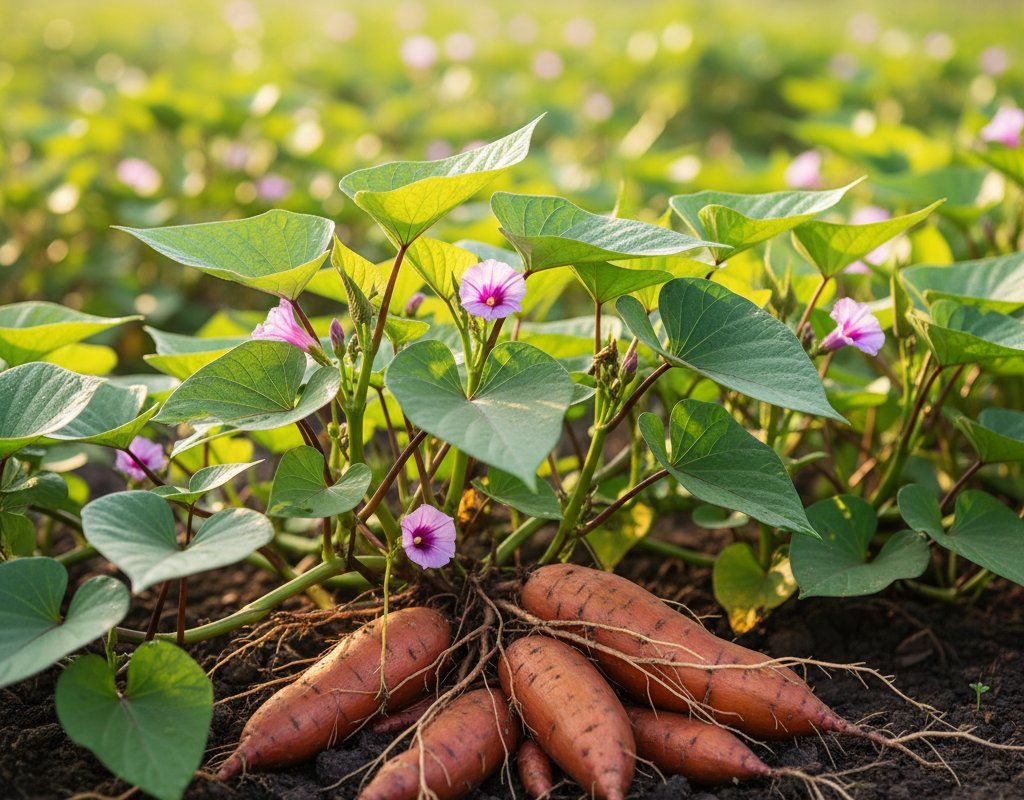
Sweet Potato in Zone 7B — Northern California
Ipomoea batatas · Your Complete 2026 Planting Guide
Missed Seed Starting? No Problem!
Wait for starts to become available.
What to Do
Starts will be available at nurseries in 32 days (around April 5).
How to Plant Sweet Potato in Zone 7B — Northern California
Here are all your options for getting sweet potato in the ground, from the easiest method to more advanced approaches.
Buy Starts
RecommendedEarly to late April
around April 5
Plant purchased starts after last frost (March 15).
Plant slips (rooted sprouts) after soil is warm. Buy slips or grow your own from a sweet potato.
Start Seeds Indoors
Works WellEarly to late February
around February 8
Then transplant: Early to late April
Start seeds 8-10 weeks before transplanting outdoors.
Direct Sow Seeds
ChallengingDirect sowing is not typical for Sweet Potato.
Transplant Outdoors
Timing InfoEarly to late April
around April 5
Wait until nighttime temperatures stay above 50°F.
Plan to transplant within a few weeks of your target date.
Overview
Sweet potatoes thrive in our Northern California Mediterranean climate, delivering something truly special that you just can't get from the grocery store. The tubers you'll harvest here develop an incredible sweetness and creamy texture that puts supermarket varieties to shame, while the vigorous vines create beautiful ground cover that helps suppress weeds in your summer garden. Our warm, dry summers and mild winters create ideal conditions for these heat-loving plants to reach their full potential.
While sweet potatoes need consistent warmth to produce well, our extended 245-day growing season gives you plenty of time to work with their 100-day maturity timeline. Yes, you'll need to plan around our variable spring weather and ensure transplants go out after the soil warms, but the timing is quite manageable when you start with the right approach. The key is getting those slips established before our dry summer heat kicks in.
Starting Seeds Indoors
Starting sweet potatoes from seed isn't the typical route most NorCal gardeners take, since sweet potatoes are usually grown from slips (rooted sprouts cut from mature tubers). However, if you're growing from true seeds for variety experimentation, start them indoors during early to late February, about 8 weeks before you plan to transplant outside.
Set up seed trays in a warm spot since sweet potato seeds need consistent temperatures around 75-80°F to germinate well. Our early spring can still be quite cool, so bottom heat from a seed mat helps tremendously. Use bottom watering to keep the soil consistently moist without creating soggy surface conditions that invite fungal problems.
Keep in mind that our Northern California spring starts early but can be unpredictable, so having that indoor buffer gives you flexibility to wait for truly stable warm weather before moving plants outside.
Transplanting Outdoors
The sweet spot for transplanting sweet potato slips outdoors runs from early to late April, once soil temperatures consistently stay above 60°F and nighttime lows remain above 50°F. This timing works well with our Mediterranean climate pattern, as it gets plants established before summer heat arrives while avoiding any surprise late cold snaps that occasionally hit our area in mid-March.
Harden off your slips gradually over a full week, starting with just 2-3 hours of morning sun and building up to full outdoor exposure. Space them 12-18 inches apart to give those vigorous vines room to spread – they'll need it in our long growing season. Plant slips deep, burying about two-thirds of the stem to encourage strong root development.
Watch the weather during your first few weeks after transplanting, as April can bring unexpected temperature swings. Having row cover handy helps protect young plants if nights dip cooler than expected, which isn't uncommon in our variable spring climate.
Watering Sweet Potato in Zone 7B (Northern California)
Sweet potatoes need moderate water to get established but become surprisingly drought-tolerant once their roots spread, making them well-suited to our dry-summer climate. During the first month after transplanting, keep soil consistently moist but not soggy – check by sticking your finger 2 inches deep into the soil. If it's dry at that depth, it's time to water.
Once established by late May or early June, you can reduce watering frequency as the vines spread and roots reach deeper. In our typical summer conditions with highs around 88°F and low humidity, plan on about 1 inch of water per week through deep, infrequent soakings. Water at the base of plants rather than overhead to minimize disease issues and make the most of every drop during potential water restrictions.
The key trick for sweet potatoes is reducing water 3-4 weeks before harvest to concentrate sugars and prevent tubers from cracking if we get any unexpected late-summer rain. Signs of overwatering include yellowing leaves and soft spots on developing tubers, while severely stressed plants show wilted, crispy leaf edges even with adequate soil moisture.
A 2-3 inch layer of organic mulch around plants helps maintain even soil moisture through our long, dry summers and reduces the need for frequent watering – especially valuable if fire season brings water use restrictions to your area.
🧪Fertilizing Sweet Potato
Feeding Schedule
Organic Fertilizer Options
Harvest Time
Your first sweet potatoes will be ready from mid-July through late August, right around that 100-day mark from transplanting. Unlike regular potatoes, sweet potatoes don't give you obvious above-ground signals when they're ready – you'll need to do some careful exploratory digging around the base of plants to check tuber size and development.
Start your harvest check by gently brushing soil away from the crown area to peek at tuber development. Mature sweet potatoes should have smooth, firm skin without soft spots or obvious blemishes. The skin should have developed its characteristic color for the variety you're growing and shouldn't rub off easily when you handle them.
Dig carefully with a garden fork, working from about 12 inches away from the plant center and angling inward to avoid spearing tubers. Sweet potato roots can spread surprisingly far in our loose, well-drained soils, so take your time and expect some to be farther out than you might think.
You absolutely must finish your harvest before our first frost in mid-November, as even a light frost will damage the tubers underground and ruin storage quality. Plan your final harvest for early November at the latest, then cure your sweet potatoes in a warm, humid spot (80-85°F with high humidity) for 1-2 weeks to develop their full sweetness and improve storage life.
Common Problems in Zone 7B (Northern California)
Sweet potato weevils show up as small, dark beetles with long snouts that create perfectly round holes in tubers and stems. Adult weevils lay eggs in the sweet potato stems and roots, and their white grubs tunnel through developing tubers, creating brown, corky trails that ruin the harvest. This pest thrives in our warm Mediterranean climate and can be particularly problematic in areas where sweet potatoes have been grown repeatedly. Prevent problems by rotating crops, removing all plant debris after harvest, and avoiding planting sweet potatoes in the same spot for at least 3 years. If you spot adults, remove them by hand and consider beneficial nematodes for soil treatment.
Wireworms appear as thin, hard, yellowish-brown larvae that bore clean, round holes into developing sweet potato tubers. These are actually the larval stage of click beetles and can persist in soil for several years, making them especially troublesome in established garden beds. You'll often discover the damage only at harvest time when you find tubers riddled with holes or tunnels. Combat wireworms by working the soil thoroughly in fall to expose larvae to predators and cold, and consider planting a trap crop of corn or wheat nearby to draw them away from your sweet potatoes.
Cracking shows as splits in the sweet potato skin, either as concentric circles around the tuber or radial lines extending from one end. The cracks often expose the flesh underneath, leading to rot and storage problems. This happens when tubers absorb water faster than their skin can expand, typically after heavy watering or unexpected rain following a dry period. Our Mediterranean climate with its dry summers makes this especially likely if you water inconsistently or if we get surprise late-season storms. Prevent cracking by maintaining even soil moisture with consistent watering and good mulch coverage, and remember to reduce watering 3-4 weeks before harvest.
Northern California Specific Challenges: Our moderate-to-hot summer heat and low humidity create generally favorable conditions for sweet potatoes, but the extended dry period means consistent irrigation becomes critical for preventing stress-related problems. Fire season water restrictions can make it challenging to maintain the even moisture that prevents cracking, while our variable microclimates mean some areas may experience more heat stress than others, potentially concentrating pest problems in stressed plants.
Best Companions for Sweet Potato
Plant these nearby for healthier Sweet Potato and better harvests.


Keep Away From
Companion Planting Details
Sweet potatoes work beautifully in the classic "Three Sisters" combination with beans and corn, where the sweet potato vines serve as living mulch while beans fix nitrogen that feeds all three crops. The corn provides vertical structure that keeps bean vines off the sweet potato foliage, while the sprawling sweet potato vines help suppress weeds across your growing area – particularly valuable in our long growing season where weeds can quickly take over bare soil.
Avoid planting sweet potatoes near plants that need frequent watering or heavy feeding, as their drought-tolerant nature and moderate nutrient needs don't match well with water-hungry crops like lettuce or heavy feeders like cabbage. The vigorous vines can also overwhelm smaller plants, so give them space or pair them with other robust crops that won't get smothered as the season progresses.
🌸Best Flowers to Plant with Sweet Potato
These flowers protect your Sweet Potato from pests and attract pollinators for better harvests.
For Pest Control




Get a Reminder When It's Time to Plant
We'll email you when key planting windows open for your zone.