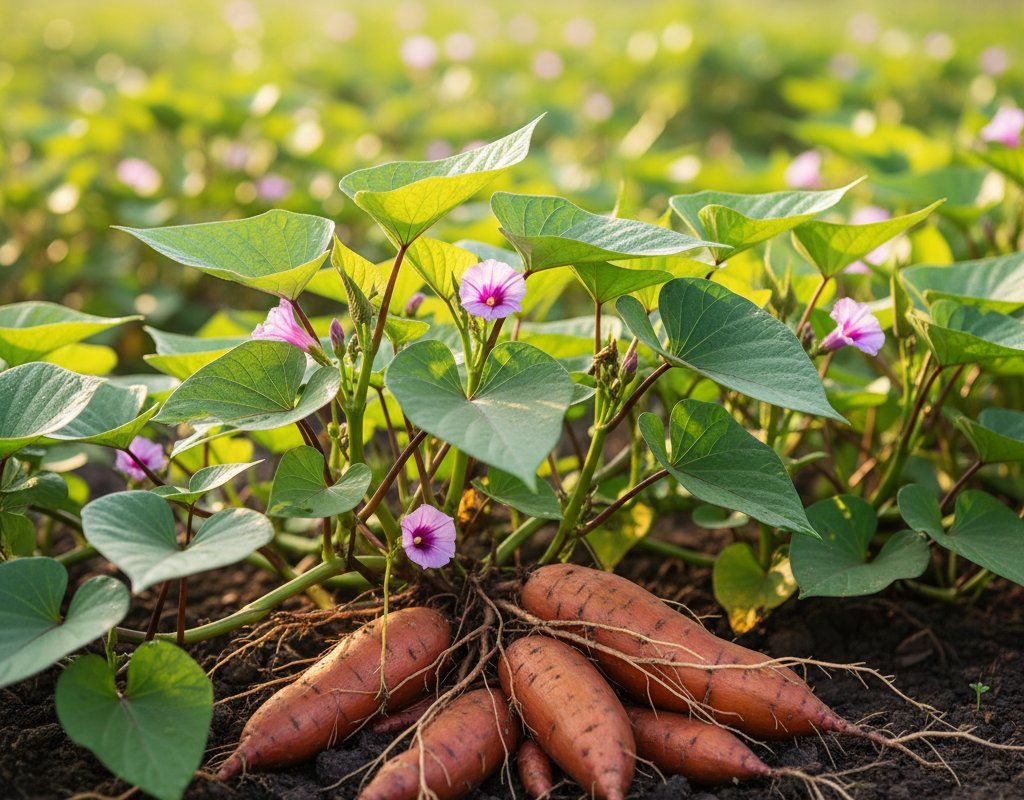
Sweet Potato in Zone 8B — Southern California
Ipomoea batatas · Your Complete 2026 Planting Guide
Missed Seed Starting? No Problem!
Wait for starts to become available.
What to Do
Starts will be available at nurseries in 4 days (around March 8).
How to Plant Sweet Potato in Zone 8B — Southern California
Here are all your options for getting sweet potato in the ground, from the easiest method to more advanced approaches.
Buy Starts
RecommendedEarly to late March
around March 8
Plant purchased starts after last frost (February 15).
Plant slips (rooted sprouts) after soil is warm. Buy slips or grow your own from a sweet potato.
Start Seeds Indoors
Works WellEarly to late January
around January 11
Then transplant: Early to late March
Start seeds 8-10 weeks before transplanting outdoors.
Direct Sow Seeds
ChallengingDirect sowing is not typical for Sweet Potato.
Transplant Outdoors
Timing InfoEarly to late March
around March 8
Wait until nighttime temperatures stay above 50°F.
Plan to transplant within a few weeks of your target date.
Overview
Sweet potatoes are perfectly suited for Southern California's long growing season and warm climate. With 298 frost-free days, you can grow these nutritious, versatile tubers from spring transplants all the way through fall harvest. The vines spread beautifully in our abundant sunshine, producing both edible leaves and those coveted orange tubers that store for months.
While our hot inland summers and occasional water restrictions might seem challenging, sweet potatoes are surprisingly drought-tolerant once established. Starting them indoors during our mild winter gives you complete control over timing, and the long warm season means you'll harvest pounds of sweet potatoes from just a few plants.
Starting Seeds Indoors
Starting sweet potatoes from seed isn't the typical approach - most gardeners use slips (rooted sprouts from whole sweet potatoes) instead. However, if you're growing from true seed, start them indoors during early to late January, about 8 weeks before your transplant window in March.
Sweet potato seeds need consistent warmth (75-80°F) to germinate properly. Set up seed trays with quality potting mix and place them on a heat mat or in a warm spot. Bottom watering works well to maintain moisture without disturbing the small seeds.
With our very early spring start, indoor seedlings get plenty of time to develop strong root systems before facing our intense summer heat. Keep them under grow lights or in your brightest south-facing window once they emerge.
Transplanting Outdoors
The ideal transplant window for sweet potatoes runs from early to late March, when soil temperatures consistently reach 65°F. Whether you're transplanting seedlings or planting purchased slips, wait until night temperatures stay above 55°F to avoid shocking these heat-loving plants.
Harden off transplants gradually over one week, starting with just a few hours of morning sun and building up to full day exposure. Space plants 12-18 inches apart in loose, well-draining soil - sweet potatoes need room for their vines to spread and tubers to develop underground.
Plant slips or transplants slightly deeper than they were growing in containers, burying about two-thirds of the stem. This encourages strong root development along the buried portion. Our spring weather can be unpredictable, so keep row cover handy for unexpected cool snaps.
Watering Sweet Potato in Zone 8B (Southern California)
Sweet potatoes need moderate water to get established, but become surprisingly drought-tolerant as they mature - perfect for our water-wise Southern California gardens. During the first month after transplanting, water deeply twice a week to encourage root development in our fast-draining soils.
Once established by late spring, reduce watering to once weekly or even less. These plants actually prefer slightly dry conditions and can handle our summer heat with minimal irrigation. Check soil moisture by inserting your finger 2 inches deep - if it's dry, it's time to water.
Apply about 1 inch of water per week during peak summer, watering at the base rather than overhead. Our low humidity means leaves dry quickly, but ground-level watering is more efficient and helps prevent foliar issues. Watch for wilting during afternoon heat - this is normal and doesn't always indicate water stress.
Three to four weeks before harvest, reduce watering significantly to concentrate sugars in the tubers. A light mulch of straw or shredded leaves helps maintain consistent soil moisture during our variable fall weather patterns.
🧪Fertilizing Sweet Potato
Feeding Schedule
Organic Fertilizer Options
Harvest Time
Your first sweet potatoes will be ready from mid-June through late July, about 100 days after transplanting. Unlike regular potatoes, sweet potatoes continue growing until frost, so you can harvest selectively or wait for the full crop.
Look for yellowing vines as your harvest signal, though in our mild climate, foliage may stay green longer than in colder regions. Gently dig a test hill to check tuber size - mature sweet potatoes should be 3-4 inches long with smooth, firm skin.
Harvest carefully using a spading fork, working from the outside of the hill inward to avoid puncturing tubers. Brush off soil but don't wash them yet - sweet potatoes need to cure first. Handle gently since fresh-dug tubers bruise easily.
With our first frost typically arriving in early December, you have months to harvest at your convenience. However, don't wait too long - tubers left in cooling soil become tough and less sweet. Plan your final harvest by late November to ensure the best eating quality.
Common Problems in Zone 8B (Southern California)
Sweet Potato Weevils These small, dark beetles create tunnels in your sweet potato tubers, leaving behind a bitter taste and honeycomb-like damage inside. You'll notice small holes in the tubers at harvest, and cut tubers reveal dark tunnels with an unpleasant odor.
The warm, stable conditions in Southern California provide ideal breeding habitat for these pests year-round. Adult weevils lay eggs on exposed tubers or vine stems touching the ground.
Keep vines lifted off the ground and hill soil around the base of plants to cover any exposed tubers. Rotate sweet potato plantings to different areas each year and remove all plant debris after harvest. Consider beneficial nematodes as a biological control option.
Wireworms These thin, hard-bodied larvae bore small, round holes into developing tubers, creating entry points for rot and reducing storage life. You'll find the damage when harvesting, along with the yellow-brown worms themselves inside the tubers.
Wireworms thrive in our sandy soils and are especially problematic in areas that were previously lawn or weedy. The larvae can live in soil for several years, feeding on plant roots and tubers.
Work compost into planting areas to improve soil structure and encourage beneficial insects that prey on wireworms. Avoid planting sweet potatoes in recently converted lawn areas. Trap wireworms before planting by burying pieces of potato or carrot, then removing and destroying them after a week.
Cracking Sweet potatoes develop splits in their skin, either as concentric circles around the tuber or as radial lines from one end. These cracks expose the flesh to rot and drastically reduce storage life.
Heavy watering or sudden rain after a dry period causes tubers to absorb water faster than their skin can expand. Our irregular rainfall patterns and tendency toward drought-then-flood irrigation cycles make this especially common here.
Maintain consistent soil moisture through regular, deep watering rather than frequent shallow irrigation. Mulch around plants to buffer soil moisture fluctuations. Most importantly, reduce watering significantly 3-4 weeks before harvest to prevent late-season cracking.
Southern California Specific Challenges: Our hot, dry summers combined with winter-wet rainfall patterns create perfect conditions for inconsistent soil moisture - the primary cause of sweet potato problems. The year-round growing season also means pest populations don't get knocked back by winter freezes, requiring more vigilant management.
Best Companions for Sweet Potato
Plant these nearby for healthier Sweet Potato and better harvests.


Keep Away From
Companion Planting Details
Sweet potatoes work beautifully in the traditional "Three Sisters" planting with beans and corn, though they replace squash in this combination. Plant beans nearby to fix nitrogen in the soil - sweet potatoes don't need much fertilizer and actually produce better tubers in lean soil. Corn provides natural trellising for the beans and light shade during our intense afternoon sun.
The sprawling sweet potato vines create a living mulch that suppresses weeds and conserves soil moisture - crucial benefits in our water-conscious region. Avoid planting them near heavy feeders like tomatoes or peppers, which compete for nutrients and may overshadow the spreading vines. Give sweet potatoes plenty of room to ramble, as cramped conditions reduce tuber production and increase pest problems.
🌸Best Flowers to Plant with Sweet Potato
These flowers protect your Sweet Potato from pests and attract pollinators for better harvests.
For Pest Control




Get a Reminder When It's Time to Plant
We'll email you when key planting windows open for your zone.