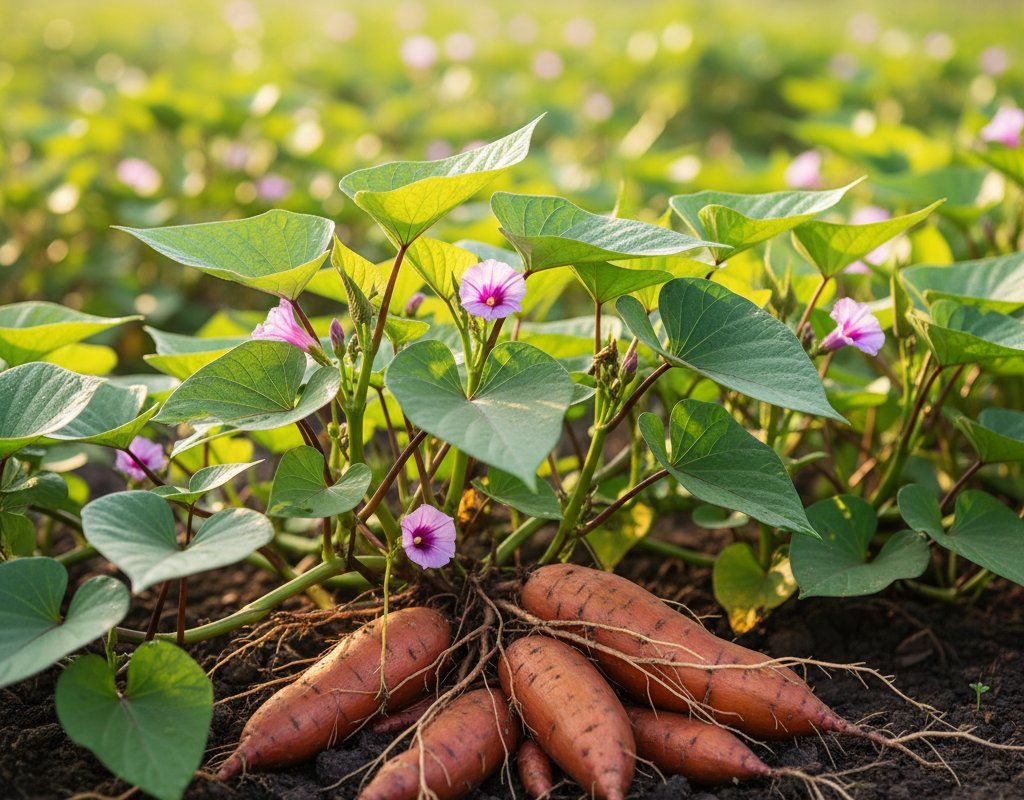
Sweet Potato in Zone 9A — Southern California
Ipomoea batatas · Your Complete 2026 Planting Guide
Time to Buy Starts!
Seed starting window passed, but starts are available now.
Buy Starts Now
Head to your local nursery, Home Depot, or farmers market for transplants.
- Look for stocky plants with dark green leaves
- Avoid leggy seedlings or plants already flowering
- Check that roots aren't circling the pot (rootbound)
How to Plant Sweet Potato in Zone 9A — Southern California
Here are all your options for getting sweet potato in the ground, from the easiest method to more advanced approaches.
Buy Starts
RecommendedLate February through mid March
around February 22
Plant purchased starts after last frost (February 1).
Plant slips (rooted sprouts) after soil is warm. Buy slips or grow your own from a sweet potato.
Start Seeds Indoors
Works WellLate December through mid January
around December 28
Then transplant: Late February through mid March
Start seeds 8-10 weeks before transplanting outdoors.
Direct Sow Seeds
ChallengingDirect sowing is not typical for Sweet Potato.
Transplant Outdoors
Timing InfoLate February through mid March
around February 22
Wait until nighttime temperatures stay above 50°F.
Plan to transplant within a few weeks of your target date.
Overview
Sweet potatoes thrive in our Southern California heat and give you something truly special — creamy, sweet tubers that put store-bought versions to shame. Your vines will spread beautifully through summer, producing nutritious leaves you can harvest as greens while the roots develop below. With our long growing season and reliable summer warmth, you'll get substantial harvests that store well through winter.
Starting sweet potatoes requires some planning since they need warm soil and a long growing season, but our 322-day frost-free period makes this crop very doable. The key is getting slips (rooted sprouts) established after our mild winter passes and soil warms up. Once they're growing, our hot summers and moderate water needs make sweet potatoes surprisingly low-maintenance.
Starting Seeds Indoors
Starting sweet potatoes from seed isn't the typical approach — most gardeners grow slips from actual sweet potato tubers instead. If you want to try seeds, start them indoors from late December through mid-January, about 8 weeks before your transplant window.
Use seed starting trays with good drainage and keep soil consistently warm (75-80°F). Bottom watering works well to avoid disturbing tiny seedlings. You'll need grow lights or a very bright south-facing window since our winter days are still relatively short.
Honestly, buying certified disease-free slips in spring or growing your own slips from a sweet potato is much more reliable. Seeds can be variable and slower to establish, which cuts into your growing season even with our early spring advantage.
Transplanting Outdoors
Transplant your sweet potato slips outdoors from late February through mid-March, once soil temperatures stay consistently above 60°F. Our early spring warmth means you can get them in the ground sooner than most regions, giving you maximum growing time.
Harden off slips gradually over a week — our temperature swings between day and night can still be significant in early spring. Space plants 12-18 inches apart in well-draining soil with full sun exposure. Sweet potatoes need room to spread, so don't crowd them.
Watch for late cold snaps that can set back tender plants. If temperatures threaten to drop below 55°F, cover with row cloth or bring container plants indoors temporarily. Once established after a few weeks, they'll handle our typical spring weather just fine.
Watering Sweet Potato in Zone 9A (Southern California)
Sweet potatoes need moderate water to get established, then become surprisingly drought-tolerant once their extensive root system develops. Start with about 1 inch of water weekly during spring establishment, checking soil moisture with the finger test — stick your finger 2 inches deep, and water when it feels dry.
As summer heat builds and plants mature, deep weekly watering works better than frequent light watering. Our low-to-moderate humidity means less disease pressure, so you can water at soil level without worrying much about foliar issues. Mulch around plants to conserve moisture and reduce competition from weeds.
During our hot summer months when temperatures hit the 90s regularly, increase watering frequency but maintain that deep-soaking approach. Watch for wilting during afternoon heat — temporary wilting is normal, but plants should recover by evening. Reduce watering significantly 3-4 weeks before harvest to prevent splitting and improve storage quality.
Signs of overwatering include yellowing leaves and stunted growth, while underwatered plants show persistent wilting and slower vine development. With our winter-wet, summer-dry pattern, you'll likely need supplemental irrigation through the growing season unless you're in a coastal area with more consistent moisture.
🧪Fertilizing Sweet Potato
Feeding Schedule
Organic Fertilizer Options
Harvest Time
Your first sweet potatoes will be ready from early June through mid-July, about 100 days after transplanting. Unlike some crops, you can't tell ripeness from above ground — the real indicators are timing and careful test digging. Dig one hill carefully to check size and skin development.
Sweet potatoes are ready when skins are firm and don't rub off easily when handled. The tubers should be well-formed with smooth skin. Use a digging fork and work from the outside of the hill inward to avoid spearing the tubers. Brush off soil but don't wash them yet.
Harvest becomes urgent as our first frost approaches in mid-December. Sweet potato vines are frost-tender and will be killed by temperatures below 32°F. Even a light frost can damage tubers near the surface, so plan to dig everything before cold weather arrives.
After digging, cure your sweet potatoes in a warm (80-85°F), humid location for 1-2 weeks. This develops their sweetness and improves storage life. A garage or covered patio works well during our mild fall weather. Once cured, they'll store for months in a cool, dry place.
Common Problems in Zone 9A (Southern California)
Sweet Potato Weevils Small, dark beetles that create round holes in tubers and leave grubs inside. You'll see small entry holes in harvested sweet potatoes, and badly infested tubers may have a bitter taste. The weevils are most active during our warm weather and can overwinter in mild Southern California conditions. Rotate crops to different areas each year and destroy any infested tubers immediately. Plant certified clean slips and avoid saving tubers from your harvest for next year's planting if you've had weevil issues.
Wireworms These are the larvae of click beetles — thin, hard, yellowish worms that tunnel through sweet potato tubers, creating small round holes and dark tunnels. They're more common in areas that were previously lawn or weedy, as the beetles lay eggs in grass roots. You'll discover the damage at harvest when you find perforated tubers. Work compost into soil and avoid planting in recently converted lawn areas. Beneficial nematodes can help control wireworm populations if applied when soil is warm.
Cracking Tubers split open with cracks that can run along the length or around the circumference, exposing flesh that's prone to rot and pest entry. This happens when sweet potatoes get inconsistent watering — dry periods followed by heavy watering or rain. Our Santa Ana wind conditions can dry soil quickly, making this worse if you then overcompensate with water. Maintain consistent soil moisture with mulching and regular deep watering rather than letting soil dry completely between waterings.
Southern California Specific Challenges Our hot summer heat combined with low-to-moderate humidity actually works in sweet potatoes' favor — they love the warmth and face fewer fungal diseases than in humid regions. However, Santa Ana winds can quickly dry soil and stress plants, while water restrictions may tempt you to underwater. The key is deep, less frequent watering and good mulching to make the most of your water allowance.
Best Companions for Sweet Potato
Plant these nearby for healthier Sweet Potato and better harvests.


Keep Away From
Companion Planting Details
Sweet potatoes work beautifully in the "Three Sisters" combination with beans and corn, though you'll want to give them extra space to spread. Beans fix nitrogen in the soil that sweet potatoes can use later in the season, while corn provides vertical structure that doesn't compete for ground space. Plant bush beans rather than pole varieties to avoid tangling with the sweet potato vines.
Avoid planting sweet potatoes near tomatoes or other nightshades, as they can compete for similar nutrients and space. The sprawling nature of sweet potato vines means they need room to roam without crowding other crops. In our Southern California gardens, this makes them perfect for filling in areas between established trees or along borders where their attractive foliage adds ornamental value while producing food.
🌸Best Flowers to Plant with Sweet Potato
These flowers protect your Sweet Potato from pests and attract pollinators for better harvests.
For Pest Control




Get a Reminder When It's Time to Plant
We'll email you when key planting windows open for your zone.