
Tansy in Zone 9A — Florida
Tanacetum vulgare · Your Complete 2026 Planting Guide
You Can Still Sow!
Direct sowing window is open for Tansy.
Direct Sow Now
Plant seeds directly in prepared garden soil.
How to Plant Tansy in Zone 9A — Florida
Here are all your options for getting tansy in the ground, from the easiest method to more advanced approaches.
Direct Sow Seeds
RecommendedMid January through late September
around January 18
Consider succession planting every 2-3 weeks for continuous harvest.
Start Seeds Indoors
RecommendedLate November through late December
around December 7
Then transplant: Mid January through mid February
Start seeds 6-8 weeks before transplanting outdoors.
Buy Starts
Works WellMid January through mid February
around January 18
Plant purchased starts after last frost (February 1).
Transplant Outdoors
Timing InfoMid January through mid February
around January 18
Can tolerate light frost, but wait for soil to be workable.
You have a nice window — no need to rush.
Overview
Tansy is a fantastic addition to any Florida garden, not for your plate, but for pest control. Its strong scent is a natural insect repellent, helping to keep unwanted critters away from your prized veggies. Plus, it's incredibly easy to grow, giving you a satisfying, low-maintenance plant that thrives in our often-challenging climate.
Our Florida gardening calendar is different, and we face challenges like high humidity and sandy soil. But Tansy is well-suited to our long growing season, which stretches for 327 days. By timing your planting right, you can enjoy this useful plant with minimal fuss.
Starting Seeds Indoors
Starting Tansy indoors isn't essential in our Zone 9A climate, but it can give you a head start. If you choose this route, begin in late November through late December, roughly six weeks before you plan to transplant. Use seed trays with a well-draining potting mix and keep them in a warm, bright location.
Bottom watering is helpful to prevent damping off. Just set the tray in a shallow dish of water until the soil surface is moist. Remember, our spring character is reversed here, so starting early helps you take advantage of the cooler temperatures.
Transplanting Outdoors
Transplanting Tansy seedlings outdoors should be done in mid January through mid February. Before you plant, harden them off by gradually exposing them to outdoor conditions for about a week. This prevents transplant shock.
Space your Tansy plants 12-18 inches apart in a sunny spot with well-drained soil. Keep an eye on the weather forecast, as we can sometimes get unexpected cold snaps even in January.
Direct Sowing
Direct sowing Tansy is a straightforward method that works well in Florida. Sow seeds from mid January through late September, when the soil has warmed up a bit. Prepare the soil by loosening it and removing any weeds.
Sprinkle the seeds lightly on the surface and gently press them into the soil. Keep the soil consistently moist until the seedlings emerge. Thin the seedlings to 12-18 inches apart once they are a few inches tall.
Watering Tansy in Zone 9A (Florida)
Tansy is incredibly drought-tolerant and thrives on neglect, which is great for our hot, humid summers. Once established, it needs very little supplemental watering. In fact, overwatering can make it even more aggressive.
During the cooler, drier months of fall and winter, you may need to water every couple of weeks if we haven't had much rain. In the wet-summer season, you likely won't need to water at all unless we experience an unusual dry spell. Use the "finger test" – if the top two inches of soil feel dry, it's time to water. Aim for about a half-inch of water per week when needed.
Water at the base of the plant to avoid wetting the foliage, which can encourage fungal diseases in our humid climate. Signs of underwatering include wilting or drooping leaves, while yellowing leaves can indicate overwatering. Applying a layer of mulch around the base of the plant can help retain moisture and suppress weeds.
Pruning & Maintaining Tansy
Pruning Tansy is mainly about managing its growth and preventing it from becoming too invasive. Deadhead the flowers as they fade to prevent self-seeding. This is especially important if you want to keep it contained.
Cut back the plant in the fall after it has finished flowering. This helps to tidy it up and encourages new growth in the spring. Since our first frost is typically around late December, you can cut it back anytime after that.
🧪Fertilizing Tansy
Feeding Schedule
Organic Fertilizer Options
Harvest Time
You can expect your first harvest of Tansy from early April through early January. The key indicator is the plant's strong scent and the presence of button-like yellow flowers that bloom midsummer. While not for culinary use due to potential toxicity, you can harvest the leaves and flowers to use as an insect repellent.
Simply cut the stems with clean scissors or pruning shears. To encourage continued production, harvest regularly throughout the growing season. As our first frost approaches in late December, you can gather any remaining foliage for use as insect repellent during the winter months.
Common Problems in Zone 9A (Florida)
Tansy is a pretty easy-going plant, but here are a couple of problems you might encounter in Florida:
Invasive Growth
- What it looks like: Tansy spreads rapidly, potentially taking over garden beds and crowding out other plants.
- What causes it: Its vigorous nature and prolific self-seeding make it prone to spreading.
- How to fix/prevent it: Plant Tansy in containers or use barriers to contain its roots. Regularly deadhead flowers to prevent seed dispersal.
Aphids
- What it looks like: Clusters of tiny soft-bodied insects (green, black, or white) on stems and leaf undersides. Sticky honeydew residue. Curled or distorted new growth.
- What causes it: Rapid-reproducing sap-sucking insects. Populations explode in warm weather. Ant colonies may farm them for honeydew.
- How to fix/prevent it: Strong water spray knocks them off. Encourage ladybugs and lacewings (natural predators). Insecticidal soap for heavy infestations. Neem oil works systemically. Avoid excess nitrogen fertilizer (it attracts them).
Florida Specific Challenges: Our hot heat, very-high humidity, and wet-summer rainfall can exacerbate both of these problems. The humidity can encourage aphid infestations. Be vigilant about monitoring your Tansy and taking action promptly to prevent issues from getting out of control.
Best Companions for Tansy
Plant these nearby for healthier Tansy and better harvests.
View Full Companion Planting Chart →


Companion Planting Details
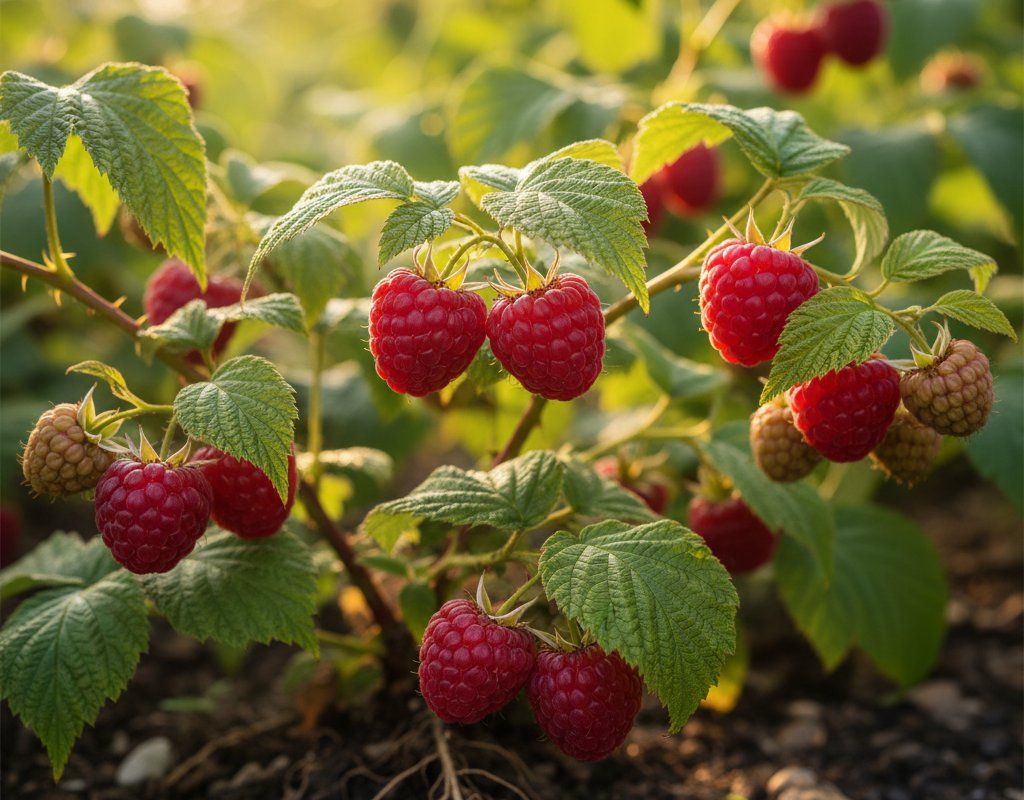
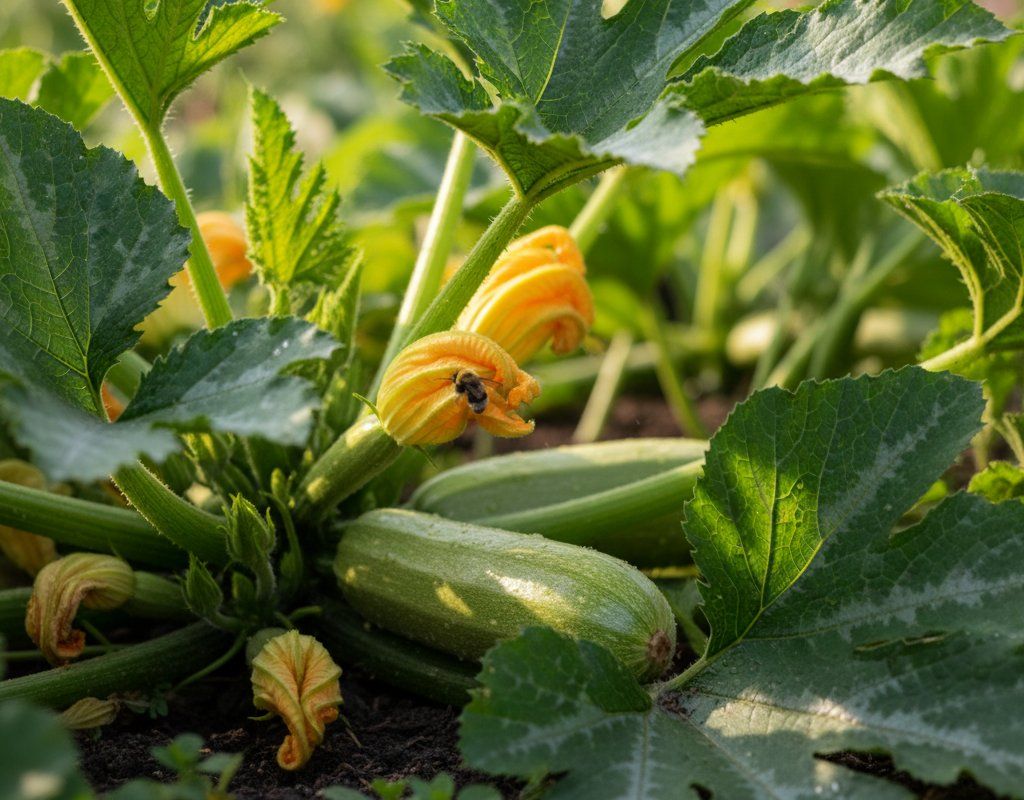
Tansy makes a great companion plant for several vegetables in Florida gardens. It repels pests from potatoes, squash, and cucumbers, helping them thrive in our challenging climate. It also benefits raspberries by deterring certain insects.
Avoid planting Tansy near brassicas like cabbage and broccoli, as it can attract cabbage moths. Keeping it away from these plants will help protect them from unwanted pests in your garden.
🥬Best Vegetables to Pair With Tansy
Tansy benefits these vegetables through pest control, pollinator attraction, or improved garden health.


Get a Reminder When It's Time to Plant
We'll email you when key planting windows open for your zone.