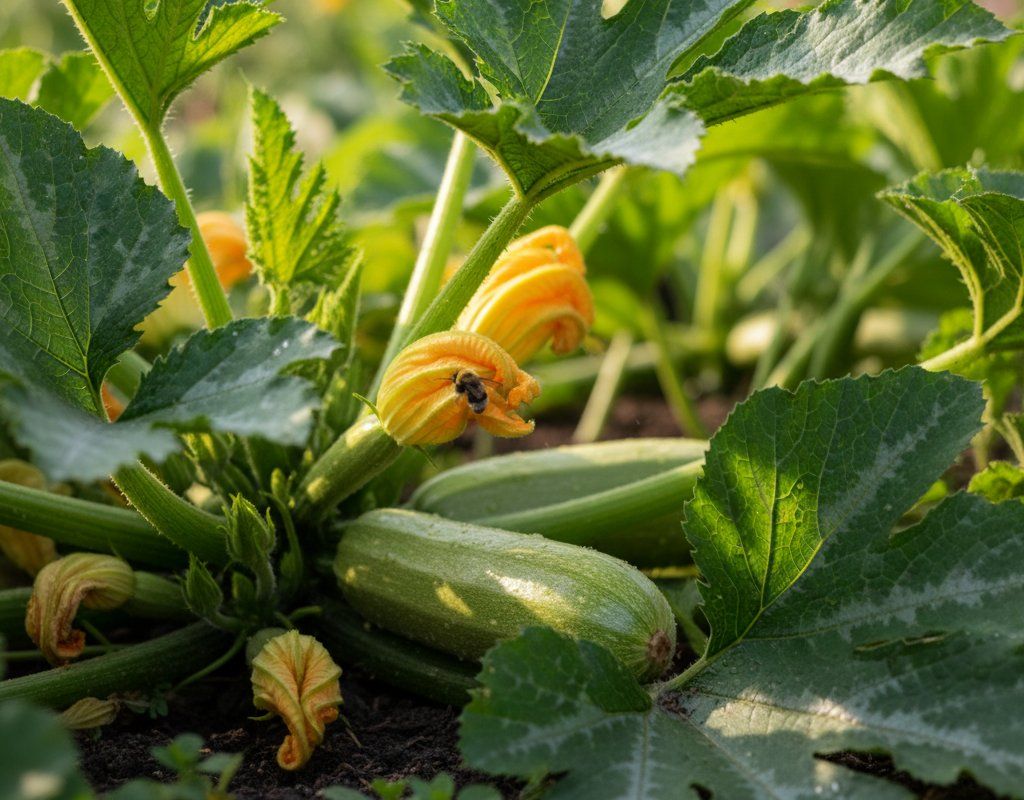
Zucchini in Zone 9A — Florida
Cucurbita pepo · Your Complete 2026 Planting Guide
Time to Buy Starts!
Seed starting window passed, but starts are available now.
Buy Starts Now
Head to your local nursery, Home Depot, or farmers market for transplants.
- Look for stocky plants with dark green leaves
- Avoid leggy seedlings or plants already flowering
- Check that roots aren't circling the pot (rootbound)
How to Plant Zucchini in Zone 9A — Florida
Here are all your options for getting zucchini in the ground, from the easiest method to more advanced approaches.
Direct Sow Seeds
RecommendedEarly February through late October
around February 8
Consider succession planting every 2-3 weeks for continuous harvest.
Zucchini grows so fast that direct sowing is usually easiest.
Buy Starts
Works WellMid February through late March
around February 15
Plant purchased starts after last frost (February 1).
Start Seeds Indoors
Works WellMid January through early February
around January 25
Then transplant: Mid February through late March
Start seeds 3-5 weeks before transplanting outdoors.
Only start indoors if you want earlier harvest. Don't start too early.
Transplant Outdoors
Timing InfoMid February through late March
around February 15
Wait until nighttime temperatures stay above 50°F.
You have a nice window — no need to rush.
Overview
Zucchini thrives in Florida's year-round growing season, giving you fresh squash from late March clear through December. In our subtropical climate, you can succession plant multiple crops throughout the year, keeping your kitchen stocked with tender young squash when grocery store options are bland and expensive. Nothing beats the satisfaction of harvesting zucchini at the perfect 6-8 inch size, when the skin is still glossy and the flesh is firm and sweet.
Our extreme humidity and summer heat present challenges, but timing your plantings around Florida's reversed seasons makes zucchini very manageable. With our 327-day growing season, you have multiple planting windows to work with, allowing you to avoid the worst summer stress periods while still enjoying abundant harvests through fall and winter.
Starting Seeds Indoors
Starting zucchini seeds indoors makes sense if you want to push for an earlier spring harvest, though it's not the typical approach here in Florida. You can start seeds in mid-January through early February, about 3 weeks before your intended transplant date. Use seed trays with good drainage and keep them warm – around 75-80°F for quick germination.
Bottom watering works best to prevent damping-off in our humid conditions. Since zucchini grows incredibly fast once established, many Florida gardeners skip indoor starting entirely and direct sow instead. The indoor approach mainly benefits those wanting the absolute earliest possible harvest in late March.
Don't start too early – zucchini seedlings grow rapidly and become rootbound quickly. Three weeks from seed to transplant-ready is plenty of time.
Transplanting Outdoors
If you've started zucchini indoors, transplant seedlings outdoors from mid-February through late March, after our last frost risk passes. Harden off seedlings gradually over a full week, increasing their outdoor exposure daily. Start with just an hour of morning sun and work up to full days outside.
Space transplants 36-48 inches apart – zucchini plants spread wide and need good air circulation in our humid climate. Plant them at the same depth they were growing in their containers, and water thoroughly after transplanting.
Watch for late cold snaps during transplant season. Even a brief dip into the upper 30s can set back or kill young zucchini plants, so keep row covers handy through mid-March.
Direct Sowing
Direct sowing is the recommended method for zucchini in Florida – it's faster, easier, and often results in stronger plants. You can direct sow from early February through late October, giving you multiple planting opportunities throughout our long growing season. Plant seeds when soil temperature reaches 65°F consistently.
Prepare planting areas by working compost into our sandy soil, creating slight mounds for better drainage. Plant seeds 1 inch deep and space hills 36-48 inches apart. In each hill, plant 2-3 seeds and thin to the strongest seedling once they're established.
The beauty of direct sowing zucchini is how quickly it establishes. Seeds often germinate within a week in warm soil, and plants start producing in just 50 days. This fast growth makes succession planting every 2-3 weeks a great strategy for continuous harvests.
Watering Zucchini in Zone 9A (Florida)
Zucchini needs consistent, deep watering to thrive in Florida's climate, especially during our hot summers and periodic dry spells between afternoon storms. Aim for about 1-1.5 inches of water per week, including rainfall. Always water at the base of plants rather than overhead – our extreme humidity combined with wet leaves creates perfect conditions for powdery mildew.
Use the finger test to check soil moisture: stick your finger 2 inches into the soil near the base of the plant. If it's dry at that depth, it's time to water. During peak summer heat, you may need to water every other day, while winter plantings might only need weekly watering.
Our wet summer season means you'll often get natural watering from afternoon storms, but don't rely on it completely. Summer rainfall can be unpredictable, with weeks of daily storms followed by dry stretches. Sandy soil drains quickly, so even after heavy rains, the root zone can dry out within a day or two.
Watch for signs of water stress: wilting in morning hours (not just afternoon heat stress), leaf edges turning brown, or blossom end rot on developing fruit. Mulch heavily around plants to help maintain consistent soil moisture and reduce watering frequency, which is especially important during our intense summer heat.
🧪Fertilizing Zucchini
Feeding Schedule
Organic Fertilizer Options
Harvest Time
Your first zucchini harvest typically begins in late March if you planted in February, continuing through late December in most years. The 50-day maturity window means you can succession plant and have fresh zucchini available most of the year. Check plants daily once they start flowering – zucchini can grow from tiny to oversized in just 2-3 days during peak growing season.
Harvest zucchini when they're 6-8 inches long for the best texture and flavor. The skin should be glossy and tender enough to dent with your fingernail. Cut the stem with a sharp knife rather than twisting, which can damage the vine. Harvest in early morning when the fruit is crisp and full of moisture.
Keep harvesting regularly to maintain production – leaving oversized fruit on the plant signals it to stop producing new flowers. Those baseball bat-sized zucchini might look impressive, but they're spongy inside and not worth eating. Remove them immediately to encourage continued flowering.
As late December approaches and first frost threatens, harvest all remaining fruit regardless of size. Green zucchini won't ripen off the vine like tomatoes do. You can use smaller fruit in stir-fries and larger ones for baking or composting if they're too tough.
Common Problems in Zone 9A (Florida)
Squash Vine Borers Look for sudden wilting of entire vines or sections, even when soil is moist. You'll often see sawdust-like frass (insect droppings) at the base of stems where the larvae tunnel in. These fat white grubs bore through stems, cutting off water and nutrient flow to the plant. In Florida's long growing season, vine borers can attack multiple times from spring through fall. Wrap the lower 6 inches of stems with aluminum foil when plants are young, or use row covers during peak moth activity periods. If you catch infestations early, you can sometimes save plants by slitting the affected stem and removing the grub manually.
Powdery Mildew This shows up as white or grayish powdery coating on leaves, starting on older leaves first. In Florida's humid conditions, powdery mildew thrives on dry leaf surfaces during warm days and cool nights. Unlike most fungal diseases, this one doesn't need wet leaves to spread. Improve air circulation by spacing plants properly and removing lower leaves that touch the ground. A spray made from 1 part milk to 9 parts water, applied weekly, is surprisingly effective and safe for edible plants. Neem oil also helps when applied in early morning or late evening to avoid leaf burn.
Blossom End Rot Dark, sunken patches appear on the bottom (blossom end) of developing fruit, making them inedible. This isn't a disease but a calcium uptake problem caused by inconsistent watering – especially common in our sandy soil that drains quickly. The fix is maintaining consistent soil moisture through regular watering and heavy mulching. Don't over-fertilize with nitrogen, which can interfere with calcium uptake. Remove affected fruit immediately so the plant can focus energy on healthy development.
Florida Specific Challenges: Our combination of extreme humidity, frequent summer storms followed by dry periods, and sandy soil creates unique challenges for zucchini. The humidity promotes fungal diseases, while our well-draining soil requires more frequent watering to maintain the consistent moisture zucchini needs. Plan for these conditions by improving soil with compost, mulching heavily, and spacing plants for maximum air circulation.
Best Companions for Zucchini
Plant these nearby for healthier Zucchini and better harvests.


Keep Away From
Companion Planting Details
Plant zucchini alongside corn and beans for a modified three-sisters approach that works well in Florida. The corn provides some afternoon shade during brutal summer heat, while beans fix nitrogen that feeds the heavy-feeding zucchini. Radishes planted around the base help break up our sandy soil and may deter squash bugs. Mint planted nearby can help repel ants and other pests, though keep it contained since it spreads aggressively in our climate.
Avoid planting zucchini near potatoes, as both crops are heavy feeders that will compete for nutrients in our already-poor sandy soil. Potatoes also prefer cooler conditions than zucchini, so their optimal growing seasons don't align well in Florida's climate. Keep these plants in separate garden areas for best results.
🌸Best Flowers to Plant with Zucchini
These flowers protect your Zucchini from pests and attract pollinators for better harvests.
For Pest Control







Get a Reminder When It's Time to Plant
We'll email you when key planting windows open for your zone.