
Thyme in Zone 4A — Mountain West
Thymus vulgaris · Your Complete 2026 Planting Guide
Planning Ahead — Great!
You’re ahead of the season. Here’s when to start.
Mark Your Calendar
How to Plant Thyme in Zone 4A — Mountain West
Here are all your options for getting thyme in the ground, from the easiest method to more advanced approaches.
Buy Starts
RecommendedMid May through mid June
around May 20
Plant purchased starts after last frost (May 20).
Thyme is slow from seed. Buying starts saves a full season of waiting.
Start Seeds Indoors
Works WellMid March through early April
around March 25
Then transplant: Mid May through mid June
Start seeds 8-10 weeks before transplanting outdoors.
Direct Sow Seeds
Works WellMid May through late June
around May 20
Direct sow as soon as conditions allow.
Transplant Outdoors
Timing InfoMid May through mid June
around May 20
Can tolerate light frost, but wait for soil to be workable.
You have a nice window — no need to rush.
Overview
Thyme is a must-grow in any Mountain West garden. Its distinct flavor elevates everything from roasted vegetables to grilled meats, and its drought tolerance makes it a perfect fit for our dry climate. Plus, the satisfaction of snipping fresh herbs from your garden, especially one that thrives despite the intense sun, is unbeatable.
Our high altitude and short growing season present challenges, but with careful timing, you can enjoy a bountiful harvest of thyme. With a growing season of only around 118 days, getting a jump start is key, but even direct sowing can work with our intense summer sunlight.
Starting Seeds Indoors
Starting thyme indoors gives you a head start, especially important given our short growing season. Aim to sow seeds indoors from mid-March through early April, about eight weeks before you plan to transplant. Use seed trays and a good seed-starting mix, providing consistent warmth and plenty of light – a grow light is almost essential in our climate, due to the late spring.
Keep the soil consistently moist, but not soggy. Bottom watering is ideal; set the tray in a shallow dish of water and let the soil absorb it from the bottom. Remember our late springs can bring unexpected cold snaps, so keep your seedlings in a protected area until transplant time.
Transplanting Outdoors
Transplanting thyme outdoors should happen from mid-May through mid-June, after the risk of hard frost has passed. Before moving your seedlings permanently, harden them off by gradually exposing them to outdoor conditions for about a week. This helps them adjust to the intense sun and cooler nights that are common here.
Space your thyme plants 8-12 inches apart in well-drained soil. Keep an eye on the weather forecast; even in late spring, we can get hail or a sudden cold snap. Buying starts from a local nursery is also a good option; it saves you a full season of waiting, as thyme grows slowly from seed.
Direct Sowing
Direct sowing thyme is possible in the Mountain West, but it requires patience. Sow seeds outdoors from mid-May through late June, when the soil has warmed up. Thyme prefers soil temperatures around 70°F for optimal germination.
Prepare the soil by loosening it and removing any rocks or debris. Sow seeds thinly and keep the soil consistently moist until seedlings emerge. Once they're a few inches tall, thin them to 8-12 inches apart. Direct sowing works best in areas with consistent sunlight and well-drained soil.
Watering Thyme in Zone 4A (Mountain West)
Thyme thrives in our dry Mountain West climate, but proper watering is essential, especially when plants are young. Once established, thyme is very drought-tolerant and prefers well-drained soil. Overwatering is a far greater threat than underwatering in our region.
During the active growing season (late spring to late summer), water deeply but infrequently. A good rule of thumb is to water when the top 2 inches of soil feel dry to the touch – the "finger test." In our dry climate, this might mean watering every 1-2 weeks, depending on rainfall and sun exposure. Aim for about 1 inch of water per week, delivered slowly to encourage deep root growth.
Water at the base of the plant to avoid wetting the foliage, which can encourage fungal diseases, even in our low humidity. Signs of underwatering include wilting or yellowing leaves, while overwatering can lead to yellowing leaves and potentially root rot. A layer of gravel mulch around the base of the plant can help improve drainage and prevent soil from splashing onto the leaves.
Pruning & Maintaining Thyme
Pruning thyme is essential for maintaining its shape and preventing it from becoming woody. After your thyme has finished flowering, usually in late summer, cut it back by about one-third. This encourages new growth and keeps the plant compact.
Avoid cutting into the old, woody stems, as new growth rarely emerges from these areas. You can harvest sprigs of thyme throughout the growing season as needed for cooking. In the fall, before the first frost (around mid-September), give your thyme plant a final trim to remove any dead or damaged growth.
🧪Fertilizing Thyme
Feeding Schedule
Organic Fertilizer Options
Harvest Time
You can expect your first thyme harvest from late July through late September, depending on when you planted. The best flavor comes just before the plant flowers, so keep an eye out for buds. To harvest, simply snip off sprigs of thyme as needed, taking care not to remove more than one-third of the plant at a time.
After harvesting, strip the leaves from the stems for use in cooking or drying. Thyme doesn't ripen off the vine, so harvest only what you need. Regular harvesting encourages continued production throughout the season. As the first frost approaches in mid-September, harvest any remaining thyme and dry it for use throughout the winter.
Common Problems in Zone 4A (Mountain West)
Thyme is generally low-maintenance, but two common problems in the Mountain West are root rot from overwatering and fungal diseases.
Root Rot
- What it looks like: Yellowing leaves, wilting despite moist soil, and a general decline in plant health. The roots may appear brown and mushy.
- What causes it: Excess moisture in the soil, often due to overwatering or poor drainage. Our alkaline soil can also contribute to drainage issues.
- How to fix/prevent it: Ensure your thyme is planted in well-draining soil. Water sparingly, allowing the soil to dry out between waterings. Improve drainage by adding gravel or sand to the soil. Avoid overwatering, especially during periods of cool, wet weather.
Fungal Diseases
- What it looks like: Powdery mildew is the most common, appearing as a white or gray powdery coating on the leaves and stems.
- What causes it: Although our humidity is low, fungal diseases can still develop if the plants get too wet.
- How to fix/prevent it: Provide good air circulation around your thyme plants. Water at the base of the plant to avoid wetting the foliage. Remove any infected leaves or stems promptly.
Mountain West Specific Challenges: Our moderate summer heat and dry rainfall usually keep fungal diseases at bay, but our alkaline soil can sometimes lead to drainage issues, increasing the risk of root rot if you're not careful with watering.
Best Companions for Thyme
Plant these nearby for healthier Thyme and better harvests.




Keep Away From

Companion Planting Details
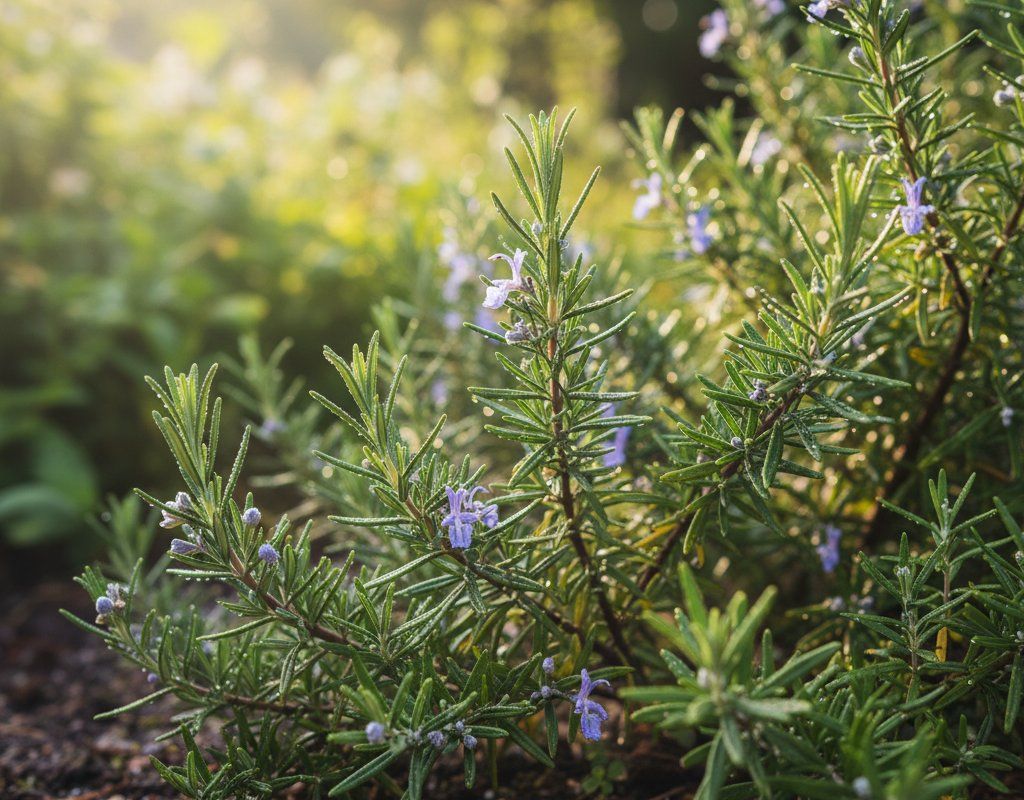
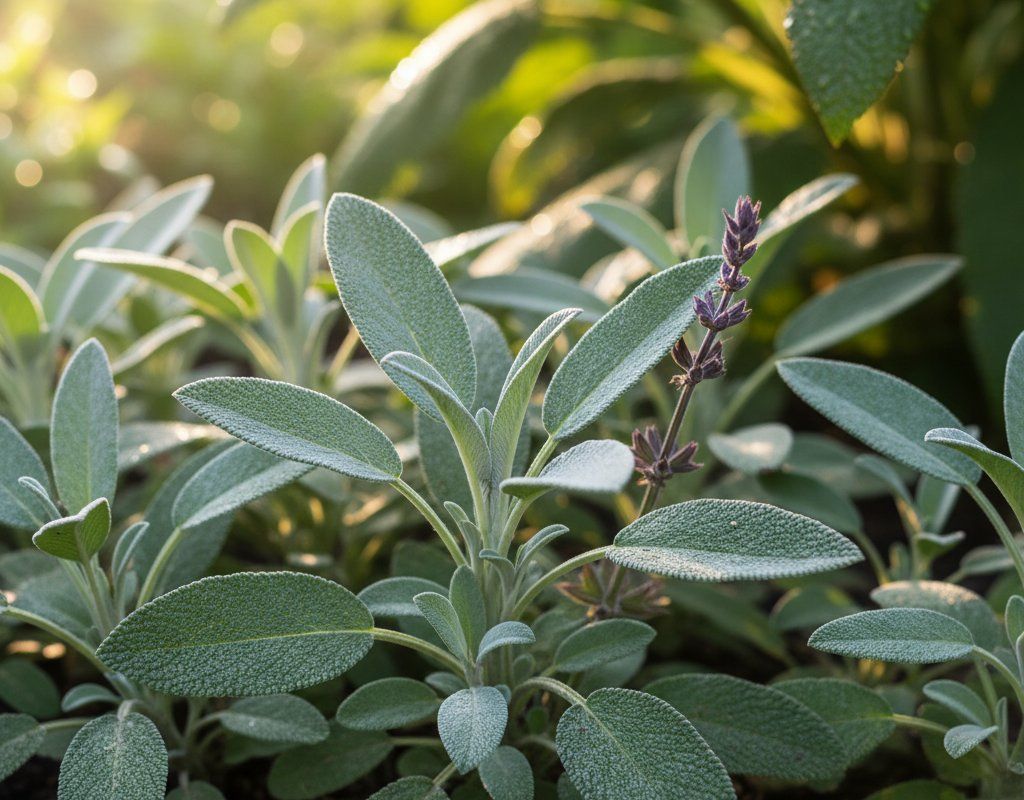
Thyme makes a great companion plant for several vegetables and herbs in the Mountain West garden. Rosemary, sage, and lavender all share similar growing requirements (full sun, well-drained soil) and can help repel pests. Cabbage benefits from thyme's pest-repelling properties, while strawberries enjoy the added flavor boost. Tomatoes also benefit from thyme, as it helps to deter tomato hornworms.
Avoid planting thyme near mint, as mint is very aggressive and can quickly outcompete thyme for resources. Mint also prefers consistently moist soil, which is the opposite of thyme's needs.
🌸Best Flowers to Plant with Thyme
These flowers protect your Thyme from pests and attract pollinators for better harvests.
For Pest Control



Get a Reminder When It's Time to Plant
We'll email you when key planting windows open for your zone.