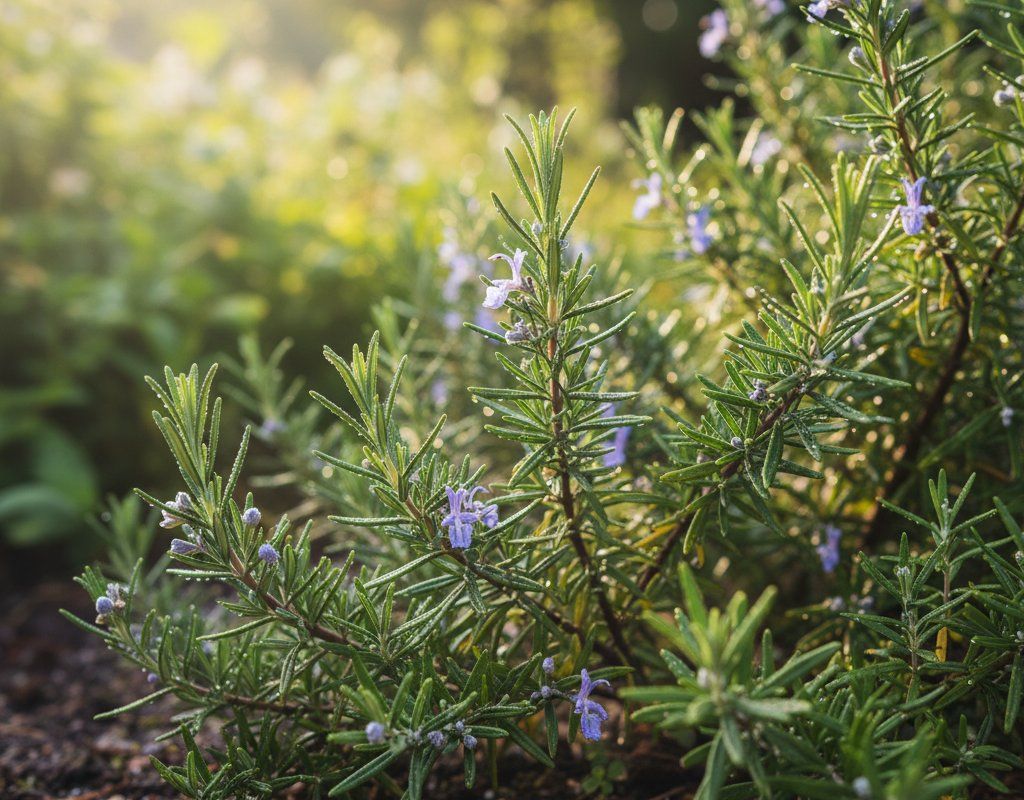
Rosemary in Zone 4A — Mountain West
Salvia rosmarinus · Your Complete 2026 Planting Guide
Ideal Time: Start Seeds Indoors!
This is the perfect time for the biggest, best harvest.
Start Seeds Now
- Start seeds in trays or pots with seed-starting mix
- Keep soil moist and warm (70-80°F)
- Transplant outdoors Early June
Not Starting from Seed?
Buy starts around June 3 — that works great too!
How to Plant Rosemary in Zone 4A — Mountain West
Here are all your options for getting rosemary in the ground, from the easiest method to more advanced approaches.
Buy Starts
RecommendedEarly June
around June 3
Plant purchased starts after last frost (May 20).
Rosemary is very slow and difficult from seed. Buy established plants.
Start Seeds Indoors
Works WellEarly to mid March
around March 11
Then transplant: Early June
Start seeds 12-14 weeks before transplanting outdoors.
Possible but challenging. Germination is erratic and growth is slow.
Direct Sow Seeds
ChallengingDirect sowing is not typical for Rosemary.
Transplant Outdoors
Timing InfoEarly June
around June 3
Can tolerate light frost, but wait for soil to be workable.
Plan to transplant within a few weeks of your target date.
Overview
Rosemary is a fantastic addition to any Mountain West garden. Its distinctive flavor elevates everything from roasted meats to herbal teas, and its fragrant foliage thrives in our intense sunlight. Plus, the satisfaction of growing your own herbs, especially one as versatile as rosemary, is hard to beat.
Our high altitude, short growing season, and alkaline soil present unique challenges to rosemary. However, by starting smart and understanding the 118-day growing season, you can absolutely enjoy this Mediterranean herb in your Zone 4A garden.
Starting Seeds Indoors
Starting rosemary from seed indoors is possible, but it's honestly a slow and somewhat frustrating process. If you're up for a challenge, sow seeds indoors in early to mid March, about 12 weeks before you plan to transplant. Use seed trays with a good seed-starting mix and provide consistent warmth and bright light.
Bottom watering is key to prevent damping off and ensure even moisture. Keep in mind that spring in the Mountain West often has a late start, so be patient and don't be discouraged if germination is slow or uneven. Given the difficulty, many gardeners here find it easier to buy established rosemary plants from a local nursery.
Transplanting Outdoors
Transplant your rosemary outdoors in early June, after the danger of frost has passed. Before planting, be sure to harden off your seedlings for about a week by gradually exposing them to outdoor conditions. This helps them adjust to the intense sun and cool nights of our Mountain climate.
Space plants 24-36 inches apart to allow for good air circulation. Even in early June, unexpected cold snaps or even hail can occur, so be prepared to cover your young plants if necessary. Given rosemary's slow growth from seed, consider starting with a healthy, established plant from a local nursery.
Watering Rosemary in Zone 4A (Mountain West)
Rosemary thrives on neglect, which makes it perfect for our dry Mountain climate. Once established, it's very drought-tolerant and prefers dry conditions. Overwatering is the quickest way to kill rosemary in our region.
During the growing season, water deeply but infrequently. Use the "finger test" – stick your finger about 2 inches deep into the soil. If it's dry, it's time to water. In general, aim for about 1 inch of water per week, especially during hotter periods. Water at the base of the plant to avoid wetting the foliage, which can encourage fungal diseases in our cool nights.
Signs of underwatering include wilting and yellowing leaves. Overwatering, on the other hand, leads to root rot, indicated by blackening stems near the soil line and mushy roots. A light mulch of gravel or pine needles can help retain moisture without suffocating the roots, while also reflecting intense UV.
Pruning & Maintaining Rosemary
Rosemary requires minimal pruning. The best time to prune is lightly after flowering to maintain its shape and encourage bushier growth. Avoid cutting into old wood, as it may not regrow.
Shape the plant in spring, removing any dead or damaged branches. As the first frost approaches in mid- September, you can give your rosemary a final light trim to tidy it up before winter.
🧪Fertilizing Rosemary
Feeding Schedule
Organic Fertilizer Options
Harvest Time
You can start harvesting rosemary in early to late September, about 90 days after transplanting. Look for healthy, 4-6 inch stem tips to harvest. These are the most flavorful and tender parts of the plant.
When harvesting, never take more than 1/3 of the plant at a time to avoid stressing it. Woody stems are too tough to eat, so focus on the newer growth. Rosemary can be harvested continuously throughout the growing season.
As the first frost approaches in mid- September, harvest a larger quantity of rosemary to dry or freeze for use throughout the winter. Simply hang the stems upside down in a cool, dry place until they are completely dry, then strip the leaves and store them in an airtight container.
Common Problems in Zone 4A (Mountain West)
Here are a few common problems you might encounter with rosemary in the Mountain West:
Root Rot from Overwatering
- What it looks like: Blackening stems near the soil line, mushy roots, wilting, and yellowing leaves.
- What causes it: Overwatering and poor drainage. Rosemary prefers dry conditions, and our alkaline soil can sometimes retain too much moisture.
- How to fix/prevent: Ensure well-draining soil. Water deeply but infrequently, allowing the soil to dry out between waterings. Avoid overwatering, especially during cooler periods.
Powdery Mildew
- What it looks like: White or grayish powdery coating on leaves and stems. Leaves may curl, yellow, and die.
- What causes it: Various fungi that thrive in warm days, cool nights, and moderate humidity. Our cool nights combined with intense sun create perfect conditions.
- How to fix/prevent: Improve air circulation through spacing and pruning. Remove affected leaves. Neem oil or potassium bicarbonate sprays can help.
Spider Mites
- What it looks like: Fine stippling on leaves (tiny white dots). Fine webbing on leaf undersides and between stems. Leaves turn bronze or yellow.
- What causes it: Tiny arachnids that thrive in hot, dry conditions. Populations explode in drought stress, which is common in our region.
- How to fix/prevent: Strong water spray (daily for a week) is the best treatment. Increase humidity around plants. Neem oil or insecticidal soap.
Mountain West Specific Challenges: Our moderate-at-altitude heat combined with low humidity and dry rainfall can create ideal conditions for spider mites and powdery mildew if you're not careful. Avoid overwatering to prevent root rot, and provide good air circulation to combat fungal diseases.
Best Companions for Rosemary
Plant these nearby for healthier Rosemary and better harvests.



Keep Away From

Companion Planting Details
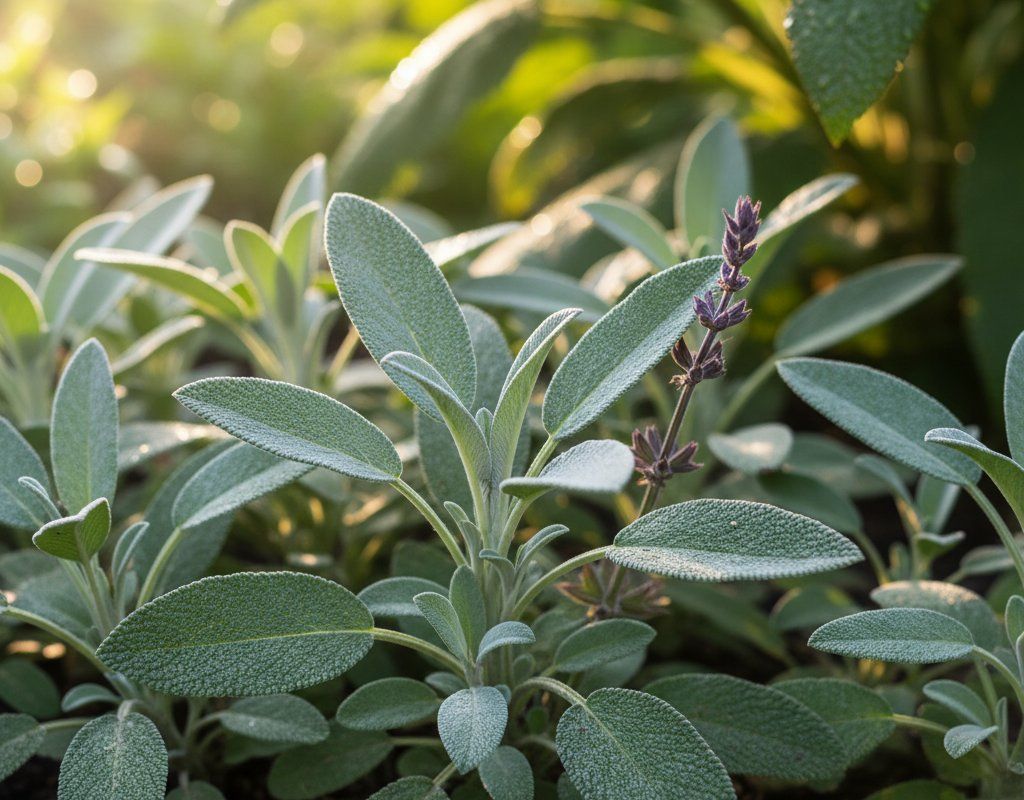
Rosemary benefits from companion planting. Sage, thyme, and lavender are excellent companions because they share similar growing requirements (full sun, well-drained soil, low water) and attract beneficial insects. Green beans and carrots also make good companions, as they help improve the soil and deter pests.
Avoid planting rosemary near mint, as mint is aggressive and can quickly outcompete rosemary for resources. Plus, mint prefers moist soil, which is the opposite of what rosemary needs.
🌸Best Flowers to Plant with Rosemary
These flowers protect your Rosemary from pests and attract pollinators for better harvests.
For Pest Control



Get a Reminder When It's Time to Plant
We'll email you when key planting windows open for your zone.