
Thyme in Zone 5B — Northeast
Thymus vulgaris · Your Complete 2026 Planting Guide
Last Call for Seed Starting!
Indoor seed starting window closes in 10 days.
Start Seeds This Week
Start seeds now for transplanting later.
Or Wait for Starts
If you don’t want to start seeds, starts will be available around April 25.
How to Plant Thyme in Zone 5B — Northeast
Here are all your options for getting thyme in the ground, from the easiest method to more advanced approaches.
Buy Starts
RecommendedLate April through late May
around April 25
Plant purchased starts after last frost (April 25).
Thyme is slow from seed. Buying starts saves a full season of waiting.
Start Seeds Indoors
Works WellLate February through mid March
around February 28
Then transplant: Late April through late May
Start seeds 8-10 weeks before transplanting outdoors.
Direct Sow Seeds
Works WellLate April through mid July
around April 25
Consider succession planting every 2-3 weeks for continuous harvest.
Transplant Outdoors
Timing InfoLate April through late May
around April 25
Can tolerate light frost, but wait for soil to be workable.
You have a nice window — no need to rush.
Overview
Thyme is a fantastic addition to any Northeast garden. Its aromatic leaves bring a burst of flavor to your cooking, and its versatility extends from savory dishes to herbal teas. Plus, there's a simple satisfaction in harvesting your own herbs, especially with the cool nights we get here enhancing their flavor.
Our short growing season in the Northeast, about 168 days, means careful planning is key. However, with a little attention to timing and the right techniques, you can absolutely enjoy a thriving thyme patch. We just need to make the most of our brief but productive summers.
Starting Seeds Indoors
Starting thyme indoors is an option here in the Northeast, particularly if you're after a head start. Begin sowing seeds indoors from late February through mid March, roughly 8 weeks before you plan to transplant. This gives the seedlings a chance to get established before our unpredictable spring weather arrives.
Use seed trays or small pots filled with a well-draining seed-starting mix. Provide consistent warmth and bright light, either from a sunny windowsill or a grow light. Bottom watering helps prevent damping-off disease, a common issue with seedlings, especially in our sometimes damp spring air.
Transplanting Outdoors
Transplanting thyme outdoors in the Northeast should occur from late April through late May, once the danger of a hard frost has passed. Before transplanting, harden off your seedlings by gradually exposing them to outdoor conditions for about a week. This helps them acclimate to the sun and wind, which can be surprisingly strong even in spring.
Space your thyme plants 8-12 inches apart in a sunny location with well-drained soil. Keep an eye on the weather forecast; late spring frosts can still happen, so be prepared to cover your young plants if necessary. Honestly, though, buying starts from a local nursery often saves you a full season of waiting, given thyme's slow growth from seed.
Direct Sowing
Direct sowing thyme is also possible in the Northeast, though it requires a bit more patience. Sow seeds directly into the garden from late April through mid July. Choose a sunny spot with well-drained soil.
Prepare the soil by loosening it and removing any rocks or debris, which we have plenty of in our rocky New England soil. Keep the soil consistently moist until the seeds germinate, which can take a couple of weeks. Thin the seedlings to 8-12 inches apart once they are large enough to handle. Direct sowing works, but remember that you're already starting behind the transplant method.
Watering Thyme in Zone 5B (Northeast)
Thyme is quite drought-tolerant, which is a blessing in our region where we often get periods of dryness interspersed with our regular rainfall. The key to watering thyme in the Northeast is to avoid overwatering, as excessive moisture can lead to root rot.
During the spring, when temperatures are cooler and rainfall is more frequent, you likely won't need to water your thyme much at all. As we move into summer, check the soil moisture regularly using the "finger test." Stick your finger about 2 inches deep into the soil; if it feels dry, it's time to water.
Aim to provide about 1 inch of water per week, either through rainfall or supplemental watering. Water at the base of the plant rather than overhead to minimize the risk of fungal diseases, which can be a concern in our moderate-to-humid climate. Wilting or yellowing leaves can indicate either underwatering or overwatering, so always check the soil moisture first. A light layer of mulch around the base of the plants can help retain moisture and suppress weeds, just be careful not to overdo it, as too much mulch can trap moisture.
Pruning & Maintaining Thyme
Thyme requires minimal pruning, which is great for us busy Northeast gardeners trying to make the most of our short growing season. After flowering, usually in mid-summer, cut back the plant by about one-third to prevent it from becoming woody.
Avoid cutting into the old, woody growth, as this can damage the plant. Throughout the growing season, you can also pinch off the tips of the stems to encourage bushier growth. As the first frost approaches in early October, stop pruning to allow the plant to harden off for winter.
🧪Fertilizing Thyme
Feeding Schedule
Organic Fertilizer Options
Harvest Time
You can begin harvesting thyme in the Northeast around early July, about 70 days after planting. The best flavor comes just before the plant flowers, so that's a good time to harvest more heavily.
To harvest, simply cut sprigs from the plant, leaving enough foliage for continued growth. You can strip the leaves from the stems and use them fresh or dry them for later use. Regular harvesting encourages the plant to produce more foliage, so don't be shy about using your thyme. As the first frost approaches in early October, harvest any remaining thyme and dry it for winter use.
Common Problems in Zone 5B (Northeast)
Thyme is generally a low-maintenance plant, but it can be susceptible to a couple of problems in our Northeast climate: root rot from overwatering and fungal diseases in our moderate-to-humid conditions.
Root Rot from Overwatering *What it looks like:* Yellowing leaves, wilting, and a general decline in plant health. The roots may appear brown and mushy. *What causes it:* Excessive moisture in the soil, often due to overwatering or poor drainage. Our even rainfall, combined with moderate humidity, can create conditions favorable for root rot. *How to fix/prevent it:* Ensure your thyme is planted in well-drained soil. Water only when the top 2 inches of soil are dry. Improve drainage by adding compost or other organic matter to the soil. Avoid overwatering, especially during periods of heavy rain.
Fungal Diseases in Humidity *What it looks like:* Powdery mildew appears as a white, powdery coating on the leaves and stems. Other fungal diseases may cause spots or lesions on the foliage. *What causes it:* High humidity and poor air circulation create an environment where fungal diseases thrive. Our moderate-to-humid summers can make thyme more susceptible to these issues. *How to fix/prevent it:* Provide good air circulation by spacing plants properly. Water at the base of the plant to avoid wetting the foliage. Remove and destroy any infected leaves or stems. Consider using a fungicide if the problem is severe.
Northeast Specific Challenges: Our moderate heat, moderate-to-humid humidity, and even rainfall mean that careful attention to watering and drainage is crucial for growing healthy thyme. Choosing a sunny location with well-drained soil is the best way to prevent problems.
Best Companions for Thyme
Plant these nearby for healthier Thyme and better harvests.




Keep Away From

Companion Planting Details
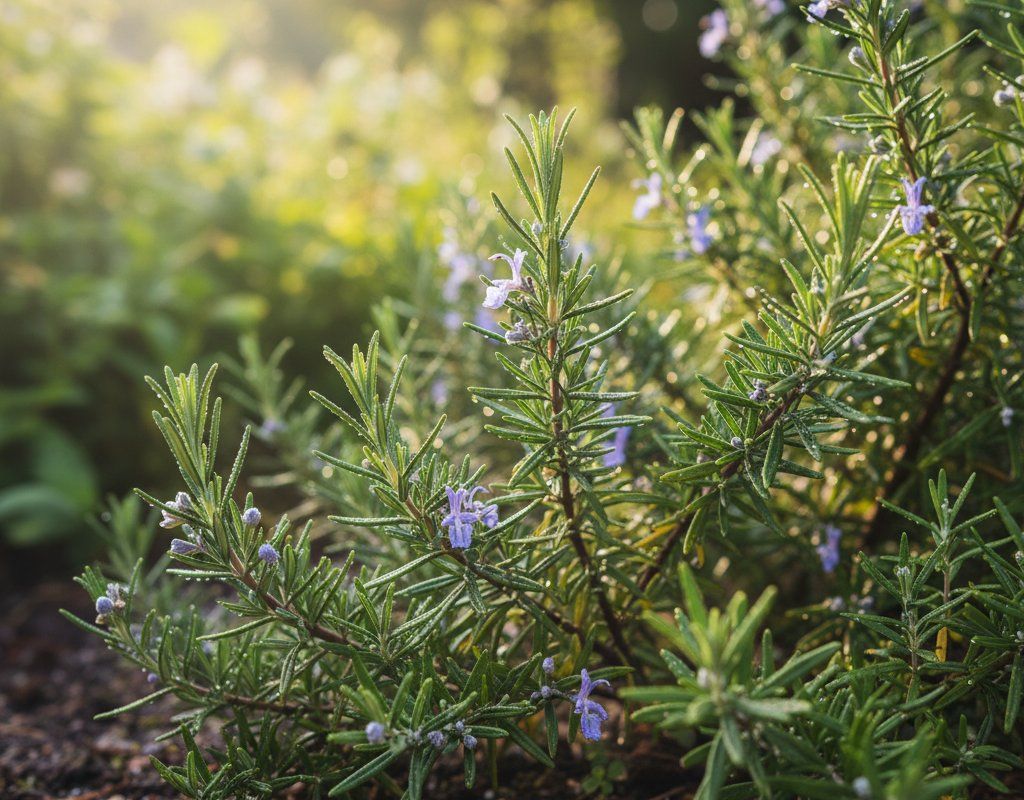
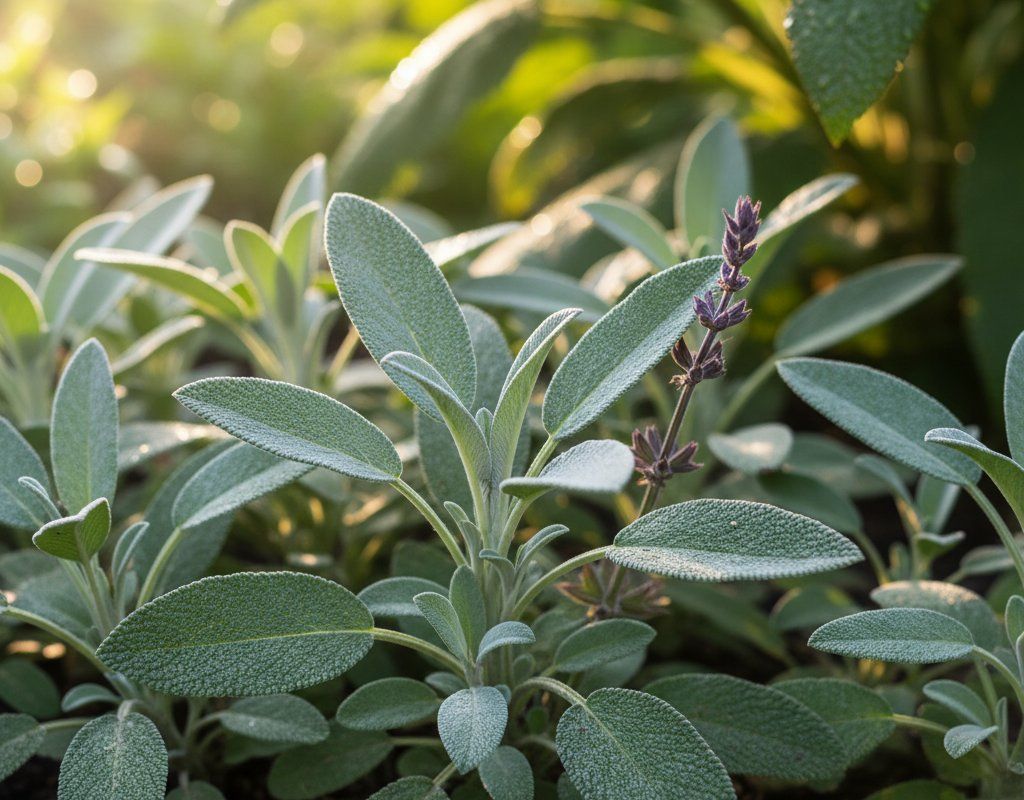
Thyme benefits from companion planting in the Northeast garden. Rosemary, sage, and lavender all thrive in similar conditions and can help deter pests, plus they enjoy the same well-drained soil. Cabbage benefits from thyme's pest-repelling properties, keeping cabbage moths away. Strawberry also enjoys thyme as a neighbor, improving growth and flavor. Tomato plants benefit from thyme's ability to attract beneficial insects that prey on tomato hornworms.
Avoid planting thyme near mint. Mint is a vigorous grower that can quickly outcompete thyme for resources, and it prefers moist soil, which is the opposite of what thyme needs.
🌸Best Flowers to Plant with Thyme
These flowers protect your Thyme from pests and attract pollinators for better harvests.
For Pest Control



Get a Reminder When It's Time to Plant
We'll email you when key planting windows open for your zone.