
Thyme in Zone 7A — Desert Southwest
Thymus vulgaris · Your Complete 2026 Planting Guide
Missed Seed Starting? No Problem!
Wait for starts to become available.
What to Do
Starts will be available at nurseries in 21 days (around March 25).
How to Plant Thyme in Zone 7A — Desert Southwest
Here are all your options for getting thyme in the ground, from the easiest method to more advanced approaches.
Buy Starts
RecommendedLate March through late April
around March 25
Plant purchased starts after last frost (March 25).
Thyme is slow from seed. Buying starts saves a full season of waiting.
Start Seeds Indoors
Works WellLate January through mid February
around January 28
Then transplant: Late March through late April
Start seeds 8-10 weeks before transplanting outdoors.
Direct Sow Seeds
Works WellLate March through mid August
around March 25
Consider succession planting every 2-3 weeks for continuous harvest.
Transplant Outdoors
Timing InfoLate March through late April
around March 25
Can tolerate light frost, but wait for soil to be workable.
You have a nice window — no need to rush.
Overview
Thyme is a must-grow herb for us here in the Desert Southwest. Its earthy flavor elevates everything from grilled meats to roasted veggies, and it's incredibly satisfying to snip fresh sprigs from your own garden. Plus, it's a low-water champion that can handle our intense sun.
Our extreme heat and alkaline soil can be tough on some plants, but Thyme is surprisingly resilient. With careful timing and smart watering, you can enjoy a long harvest season, especially with our 230-day growing season.
Starting Seeds Indoors
Starting Thyme indoors gives you a head start, but honestly, it's not always necessary in our climate. If you want to get a jump on the season, start seeds indoors from late January through mid February, about eight weeks before you plan to transplant. Use seed trays with a good seed-starting mix, provide warmth (a heat mat helps), and ensure plenty of light with grow lights.
Bottom watering is key for seedlings – set the tray in a shallow dish of water and let the soil absorb it from the bottom to avoid damping off. Given our very-early spring character, indoor starting helps if you want a really early harvest.
Transplanting Outdoors
Transplant your Thyme seedlings outdoors from late March through late April, after the last expected frost. Harden them off for about a week beforehand, gradually exposing them to outdoor conditions to prevent shock. Space plants 8-12 inches apart in well-draining soil.
Keep an eye on the weather forecast. Those late-season temperature swings can still happen, so be ready to cover your transplants if a cold snap is predicted. Remember, buying starts from a local nursery is a great option and saves you the trouble of indoor seed starting.
Direct Sowing
Direct sowing Thyme is definitely doable in our climate, especially if you're patient. Sow seeds from late March through mid August. Soil temperatures need to be consistently warm for germination, so don't rush it.
Prepare the soil well, ensuring it's loose and well-draining. Lightly cover the tiny seeds with soil and keep them consistently moist until they sprout. Thin seedlings to 8-12 inches apart once they're established. Direct sowing is economical, but you'll need to be diligent about weeding while the seedlings are small.
Watering Thyme in Zone 7A (Desert Southwest)
Watering is critical for Thyme survival here in the Desert Southwest. While it's drought-tolerant once established, young plants need consistent moisture. During the spring and fall growing seasons, water deeply about once a week, or when the top two inches of soil feel dry to the touch – use the finger test!
During our extreme summer heat, you might need to water a little more frequently, but be cautious. Thyme hates soggy roots. Aim for about ½ inch of water per week, delivered at the base of the plant to avoid wetting the foliage. Overhead watering can encourage fungal diseases, especially during our monsoon season.
Signs of underwatering include wilting and yellowing leaves. Overwatering, on the other hand, can lead to root rot, indicated by limp, brown foliage. A light layer of gravel mulch around the base of the plant can help improve drainage and prevent soil from splashing onto the leaves.
Pruning & Maintaining Thyme
Pruning Thyme is simple and keeps it healthy and productive. After flowering, typically in late spring or early summer, cut back the stems by about one-third. This prevents the plant from becoming woody and encourages new growth.
Avoid cutting into the old, woody parts of the plant, as new growth is unlikely to emerge from there. As the first frost approaches around early November, give your Thyme a final trim to tidy it up before winter dormancy.
🧪Fertilizing Thyme
Feeding Schedule
Organic Fertilizer Options
Harvest Time
You can start harvesting Thyme sprigs as soon as the plant is established, usually from early June through mid November. The flavor is best just before the plant flowers. Look for healthy, vibrant green stems.
To harvest, simply snip off stems with scissors or garden shears, being careful not to remove more than one-third of the plant at a time. Strip the leaves from the stems and use them fresh, or dry them for later use. Regular harvesting encourages continued production throughout the growing season. As the first frost approaches in early November, harvest as much as you can and dry it for winter use.
Common Problems in Zone 7A (Desert Southwest)
Thyme is generally low-maintenance, but two common problems in the Desert Southwest are root rot from overwatering and fungal diseases, especially during our monsoon season.
Root Rot
- What it looks like: Wilting, yellowing, and mushy stems, even when the soil is moist. The roots will be brown and slimy.
- What causes it: Overwatering, poorly draining soil, and our alkaline soil can exacerbate the issue.
- How to fix/prevent it: Ensure well-draining soil by amending with compost and perlite. Water less frequently, allowing the soil to dry out between waterings. Consider growing Thyme in raised beds or containers for better drainage.
Fungal Diseases
- What it looks like: Powdery mildew (white, powdery coating on leaves) or leaf spot (dark spots on leaves).
- What causes it: High humidity during our monsoon season, combined with poor air circulation.
- How to fix/prevent it: Improve air circulation by spacing plants adequately and pruning dense growth. Water at the base of the plant to avoid wetting the foliage. Consider using a copper-based fungicide as a preventative measure.
Desert Southwest Specific Challenges: Our extreme heat can stress Thyme, making it more susceptible to problems. Ensure adequate watering, but avoid overwatering. The arid humidity means fungal diseases are less common than in other regions, but our monsoon season can create temporary humidity spikes that favor fungal growth.
Best Companions for Thyme
Plant these nearby for healthier Thyme and better harvests.




Keep Away From

Companion Planting Details
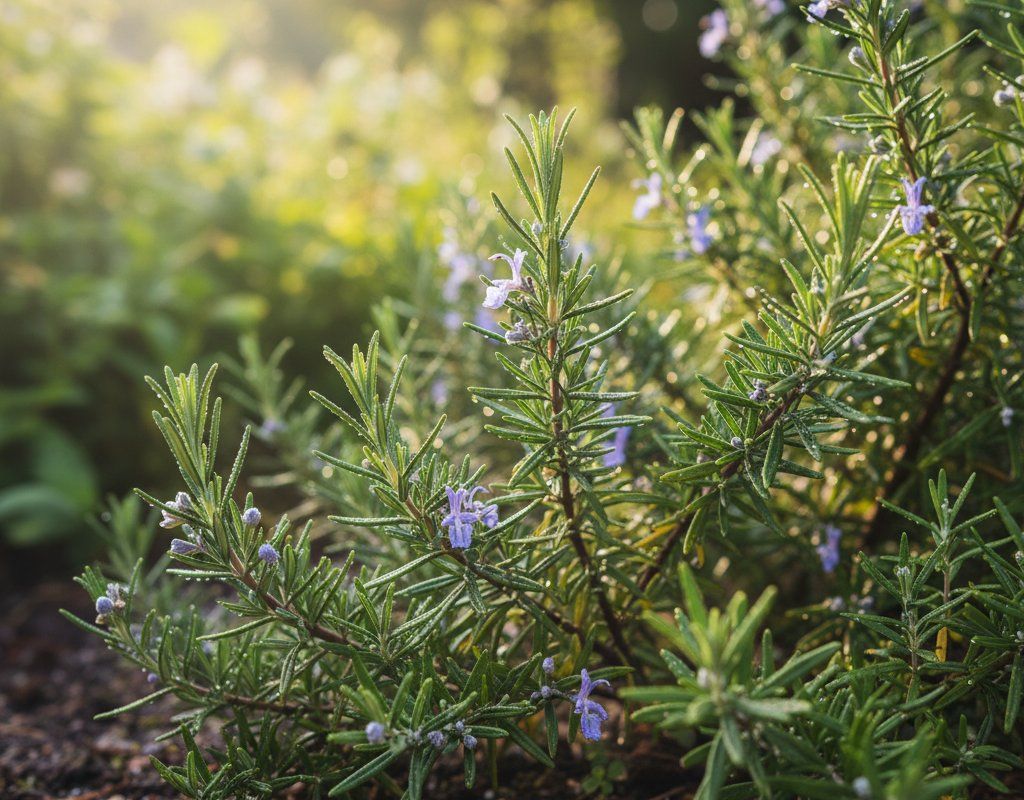
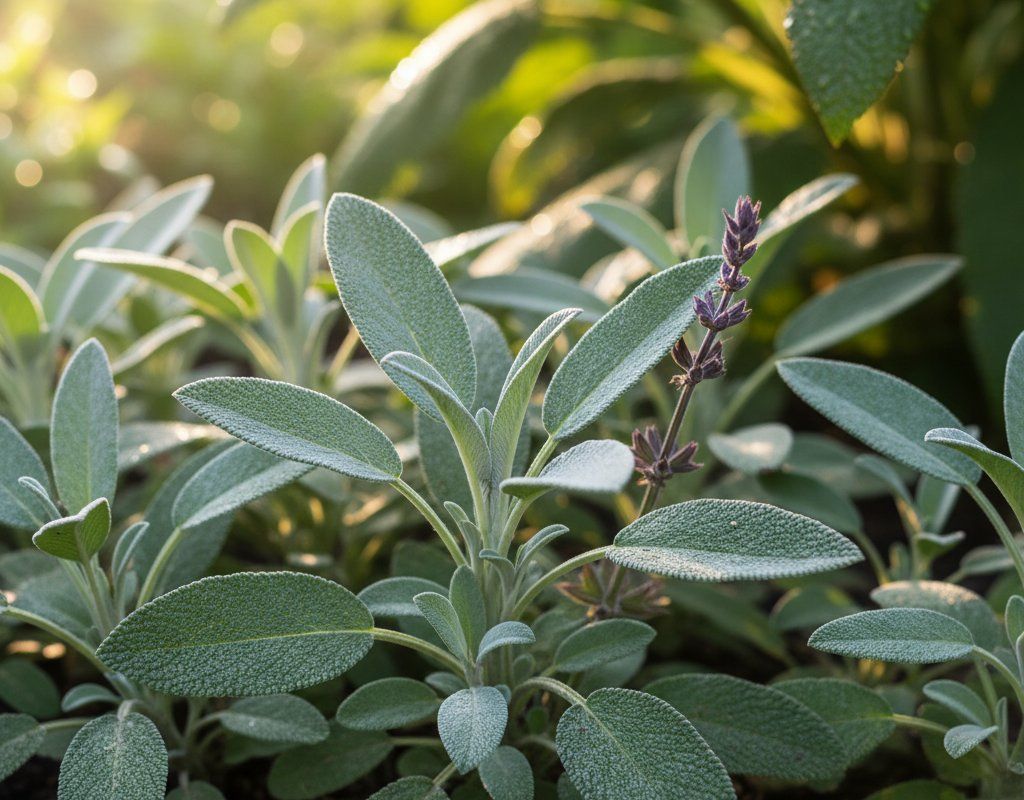
Thyme plays well with other herbs and certain vegetables in the Desert Southwest garden. Rosemary, sage, and lavender make excellent companions, as they share similar low-water needs and attract beneficial pollinators. Cabbage, strawberry, and tomato also benefit from being planted near Thyme, as it can help repel certain pests.
Avoid planting Thyme near mint. Mint is incredibly invasive and can quickly take over your garden, competing with Thyme for water and nutrients. Plus, mint prefers moist soil, which is the opposite of what Thyme needs to thrive.
🌸Best Flowers to Plant with Thyme
These flowers protect your Thyme from pests and attract pollinators for better harvests.
For Pest Control



Get a Reminder When It's Time to Plant
We'll email you when key planting windows open for your zone.