
Thyme in Zone 7B — Desert Southwest
Thymus vulgaris · Your Complete 2026 Planting Guide
Missed Seed Starting? No Problem!
Wait for starts to become available.
What to Do
Starts will be available at nurseries in 11 days (around March 15).
How to Plant Thyme in Zone 7B — Desert Southwest
Here are all your options for getting thyme in the ground, from the easiest method to more advanced approaches.
Buy Starts
RecommendedMid March through mid April
around March 15
Plant purchased starts after last frost (March 15).
Thyme is slow from seed. Buying starts saves a full season of waiting.
Start Seeds Indoors
Works WellMid January through early February
around January 18
Then transplant: Mid March through mid April
Start seeds 8-10 weeks before transplanting outdoors.
Direct Sow Seeds
Works WellMid March through late August
around March 15
Consider succession planting every 2-3 weeks for continuous harvest.
Transplant Outdoors
Timing InfoMid March through mid April
around March 15
Can tolerate light frost, but wait for soil to be workable.
You have a nice window — no need to rush.
Overview
Thyme is a fantastic addition to any Desert Southwest garden. Its earthy, slightly floral flavor elevates everything from roasted vegetables to grilled meats. Plus, it's incredibly satisfying to snip fresh sprigs straight from your garden for cooking, knowing you grew it yourself.
We all know desert gardening comes with its unique challenges, like extreme heat and alkaline soil. But with proper timing and a little attention, you can absolutely grow thriving Thyme here. Our long 245-day growing season gives you plenty of opportunity to get it right.
Starting Seeds Indoors
Starting Thyme indoors is an option, especially if you want a head start on the season. Sow seeds indoors from mid January through early February, about eight weeks before you plan to transplant. This gives the slow-growing seedlings a chance to get established before our very-early spring kicks into gear.
Use seed trays with a good seed-starting mix, and keep them consistently warm. Bottom watering is key to prevent damping off. Make sure your seedlings get plenty of light, either from a sunny window or a grow light.
Transplanting Outdoors
Transplant your Thyme seedlings outdoors from mid March through mid April. Before you do, harden them off for about a week by gradually exposing them to outdoor conditions. This helps them adjust to the intense Desert Southwest sun and wind.
Plant them 8-12 inches apart in well-draining soil. Even though you can start from seed, buying Thyme starts from a local nursery is a great way to save time and effort. You'll be harvesting much sooner.
Direct Sowing
Direct sowing Thyme is possible in our region. Sow seeds from mid March through late August for a continuous harvest. Thyme seeds need warm soil to germinate, so make sure the soil temperature is consistently above 60°F.
Prepare the soil by loosening it and removing any rocks or debris. Sow seeds shallowly and keep the soil consistently moist until they germinate. Thin seedlings to 8-12 inches apart once they're established. Direct sowing can be slower than transplanting, so be patient.
Watering Thyme in Zone 7B (Desert Southwest)
Watering Thyme correctly is crucial for summer survival in the Desert Southwest. While Thyme is drought-tolerant, it still needs regular watering, especially during our extreme summer heat and monsoon season. The key is to find the right balance.
During the active growing season (spring and fall), water deeply about once a week, providing about ½ inch of water. Use the "finger test" – if the top 2 inches of soil are dry, it's time to water. During the heat of summer, you might need to water more frequently, but always let the soil dry out slightly between waterings.
Water at the base of the plant to avoid wetting the foliage, which can encourage fungal diseases, especially when monsoon moisture arrives. Signs of overwatering include yellowing leaves and root rot, while underwatering leads to wilting and stunted growth. A light layer of gravel mulch around the base of the plant can help retain moisture and prevent soil from splashing onto the leaves.
Pruning & Maintaining Thyme
Thyme requires minimal pruning, but a little maintenance helps keep it healthy and productive. After flowering, cut back the stems by about one-third to prevent the plant from becoming woody. Avoid cutting into the old wood, as new growth won't emerge from there.
Pruning encourages new growth and keeps the plant compact and bushy. In late fall, before the first frost (around mid- November), give your Thyme plant a final trim to remove any dead or damaged foliage. This will help it overwinter successfully and be ready for a strong start in the spring.
🧪Fertilizing Thyme
Feeding Schedule
Organic Fertilizer Options
Harvest Time
You can start harvesting Thyme sprigs from late May through late November in our region. Thyme is ready to harvest about 70 days after planting. The best flavor comes just before the plant flowers.
To harvest, simply snip off stems with scissors or pruning shears. Strip the leaves from the stems and use them fresh or dry them for later use. Harvest regularly to encourage continued production. As the first frost approaches (mid- November), harvest any remaining Thyme and dry it to enjoy throughout the winter.
Common Problems in Zone 7B (Desert Southwest)
Two common problems with Thyme in the Desert Southwest are root rot from overwatering and fungal diseases due to humidity.
Root Rot from Overwatering
- What it looks like: Yellowing leaves, wilting, and mushy, brown roots.
- What causes it: Excess moisture in the soil, often from overwatering or poorly draining soil. In our arid climate, this is usually from the gardener, not the weather.
- How to fix/prevent it: Ensure well-draining soil, water only when the top 2 inches of soil are dry, and avoid overwatering. Consider raised beds or containers to improve drainage.
Fungal Diseases in Humidity
- What it looks like: Powdery mildew or other fungal growth on leaves and stems.
- What causes it: High humidity levels, especially during monsoon season, combined with poor air circulation.
- How to fix/prevent it: Provide good air circulation by spacing plants adequately and pruning dense foliage. Water at the base of the plant to avoid wetting the leaves. Apply a fungicide if necessary.
Desert Southwest Specific Challenges: Our extreme heat and arid humidity can stress Thyme plants, making them more susceptible to problems. The monsoon rainfall can also create conditions favorable for fungal diseases. Careful watering practices and good air circulation are essential for summer survival.
Best Companions for Thyme
Plant these nearby for healthier Thyme and better harvests.



Keep Away From

Companion Planting Details
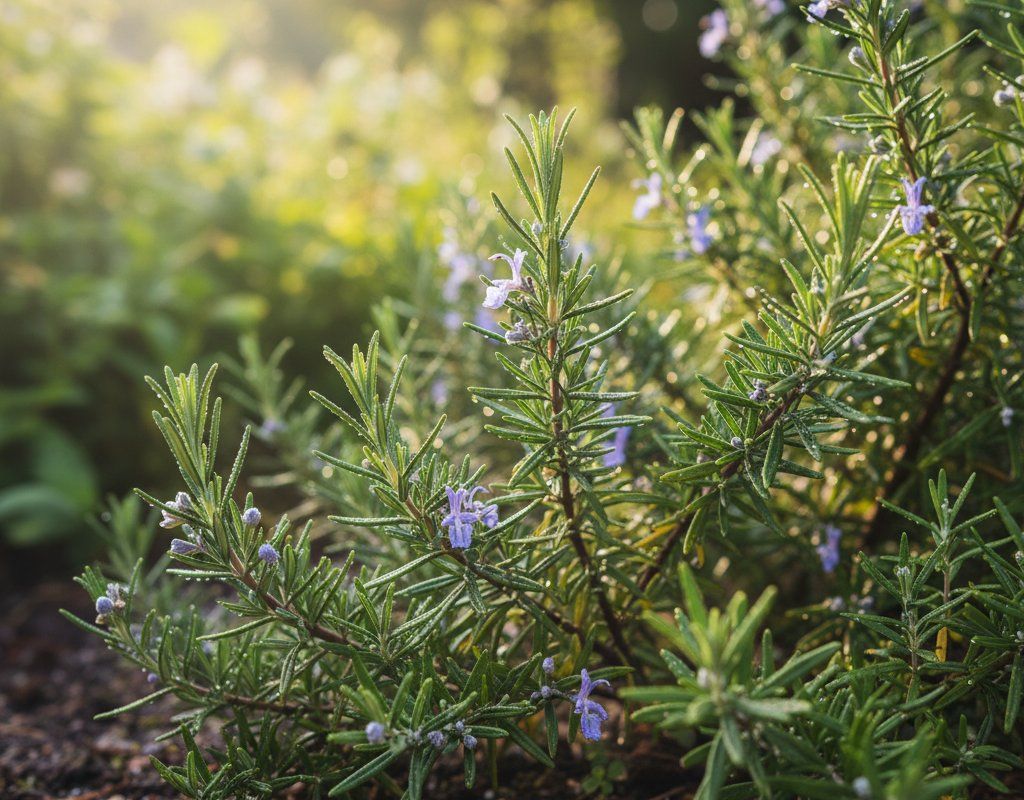
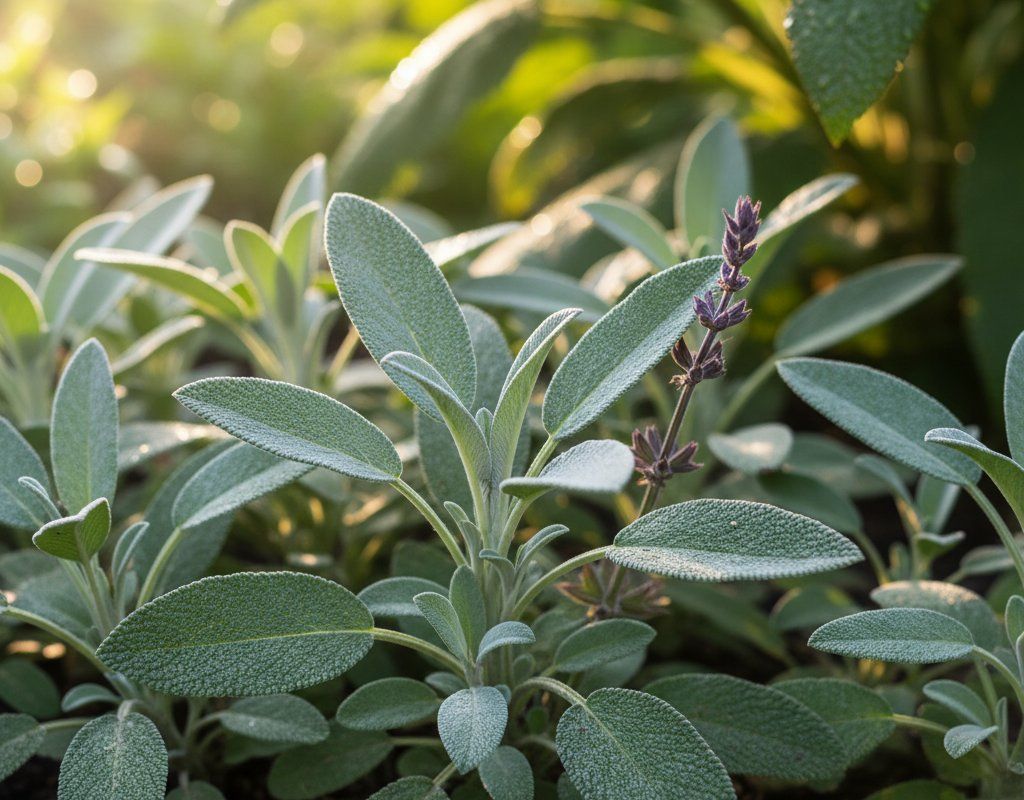
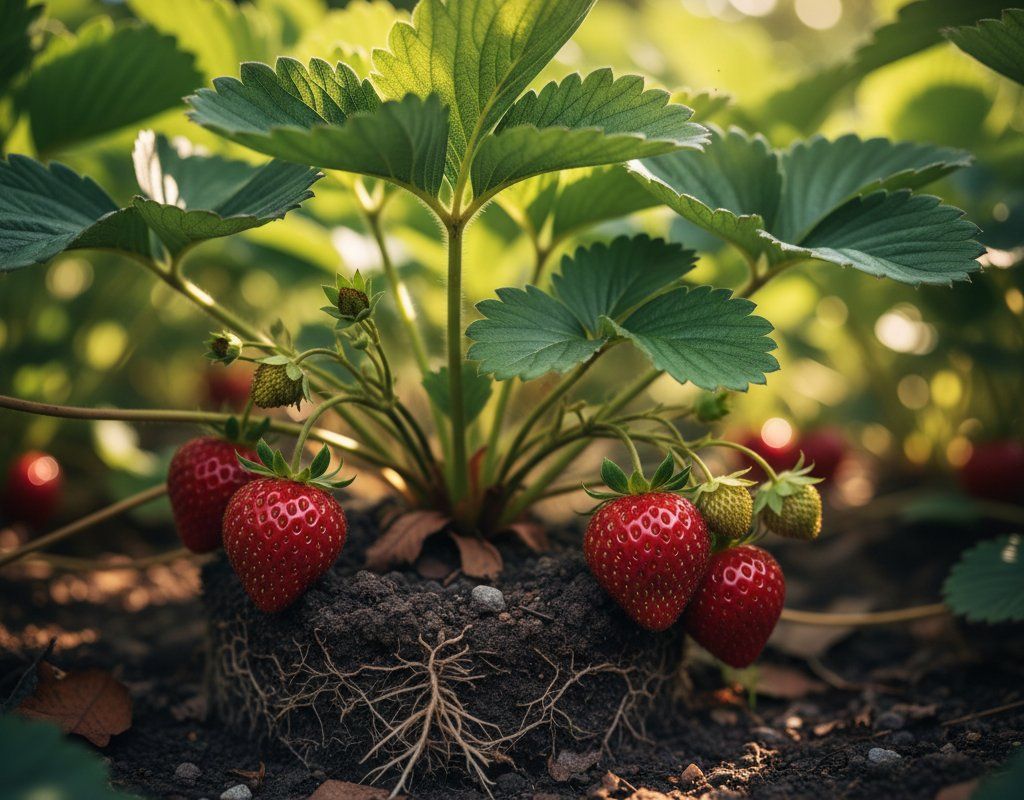
Thyme benefits from companion planting in the Desert Southwest. Rosemary, sage, and lavender are excellent companions because they share similar growing requirements and attract beneficial insects. Cabbage, strawberry, and tomato also benefit from being planted near Thyme, as it repels certain pests that can damage these crops. Avoid planting Thyme near mint, as mint is aggressive and can quickly outcompete Thyme for resources, especially water, which is already scarce in our region.
🌸Best Flowers to Plant with Thyme
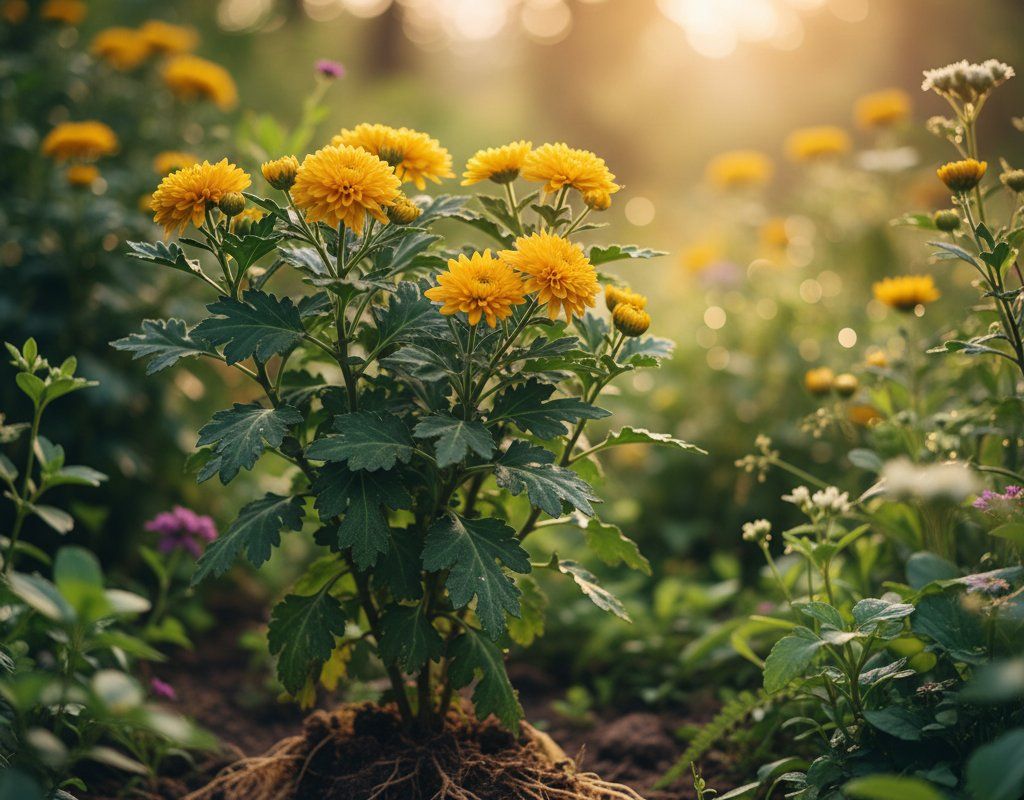
These flowers protect your Thyme from pests and attract pollinators for better harvests.
For Pest Control

Get a Reminder When It's Time to Plant
We'll email you when key planting windows open for your zone.