
Thyme in Zone 8B — Pacific Northwest
Thymus vulgaris · Your Complete 2026 Planting Guide
Missed Seed Starting? No Problem!
Wait for starts to become available.
What to Do
Starts will be available at nurseries in 32 days (around April 5).
How to Plant Thyme in Zone 8B — Pacific Northwest
Here are all your options for getting thyme in the ground, from the easiest method to more advanced approaches.
Buy Starts
RecommendedEarly April through early May
around April 5
Plant purchased starts after last frost (April 5).
Thyme is slow from seed. Buying starts saves a full season of waiting.
Start Seeds Indoors
Works WellEarly to late February
around February 8
Then transplant: Early April through early May
Start seeds 8-10 weeks before transplanting outdoors.
Direct Sow Seeds
Works WellEarly April through early August
around April 5
Consider succession planting every 2-3 weeks for continuous harvest.
Transplant Outdoors
Timing InfoEarly April through early May
around April 5
Can tolerate light frost, but wait for soil to be workable.
You have a nice window — no need to rush.
Overview
Thyme is a fantastic addition to any Pacific Northwest garden. Its earthy, slightly floral flavor elevates everything from roasted vegetables to grilled salmon, and it's incredibly versatile in the kitchen. Plus, the satisfaction of snipping fresh herbs from your own garden, especially with our cool nights enhancing their flavor, is hard to beat.
While our wet springs and mild summers can present challenges, particularly with fungal diseases, Thyme is surprisingly adaptable. With careful timing and attention to its needs, you can enjoy a bountiful harvest throughout our long 210-day growing season.
Starting Seeds Indoors
Starting Thyme indoors is an option, but honestly, it's a slow grower from seed, so it's often easier to buy starts. However, if you want to get a head start, sow seeds indoors in early to late February, about eight weeks before you plan to transplant.
Use seed trays with good drainage and a seed-starting mix. Keep the soil consistently moist, but not soggy; bottom watering is ideal to prevent damping off. Place the trays in a warm location with plenty of light, such as under grow lights, especially during our overcast spring days.
Transplanting Outdoors
Transplant your Thyme seedlings outdoors in early April through early May, once the soil has warmed up a bit. Before transplanting, harden them off by gradually exposing them to outdoor conditions for about a week. This helps them adjust to the cooler temperatures and stronger sunlight.
Space the plants 8-12 inches apart in a sunny spot with well-drained soil. Be mindful of potential late frosts during this period, and protect your young plants with row covers if necessary. As mentioned, buying starts from a local nursery will save you a full season of waiting.
Direct Sowing
Direct sowing Thyme is certainly possible in our region, but it requires patience. Sow seeds in early April through early August, once the soil temperature has reached at least 60°F.
Prepare the soil by loosening it and removing any weeds. Sprinkle the seeds thinly over the surface and gently press them into the soil. Keep the soil consistently moist until the seedlings emerge, which can take several weeks. Thin the seedlings to 8-12 inches apart once they are large enough to handle.
Watering Thyme in Zone 8B (Pacific Northwest)
Thyme is very drought-tolerant, which is a blessing during our dry summer months. However, it's crucial to avoid overwatering, as this can lead to root rot, a common problem in our climate. During our wet springs, you may not need to water at all.
During the dry summer months, water only when the top 2 inches of soil feel dry to the touch – the "finger test" works great. Aim for about 1 inch of water per week, delivered at the base of the plant to avoid wetting the foliage, which can encourage fungal diseases in our dry-summer humidity. Signs of underwatering include wilting leaves, while yellowing leaves indicate overwatering.
A light layer of mulch, such as gravel or small stones, can help improve drainage and prevent soil from splashing onto the leaves, further reducing the risk of fungal problems.
Pruning & Maintaining Thyme
Thyme requires minimal pruning, but a light trim after flowering will keep it healthy and productive. Cut back the stems by about one-third after the plant has finished blooming to prevent it from becoming woody.
Avoid cutting into the old, woody growth, as this can damage the plant. As the first frost approaches in early November, you can give your Thyme a final trim to neaten it up for the winter.
🧪Fertilizing Thyme
Feeding Schedule
Organic Fertilizer Options
Harvest Time
You can start harvesting Thyme sprigs anytime after mid-June through early November, once the plants are established. The flavor is best just before the plant flowers.
To harvest, simply snip off the stems with scissors or pruning shears. Strip the leaves from the stems and use them fresh or dry them for later use. Regular harvesting encourages the plant to produce more growth, so don't be afraid to harvest frequently.
As the first frost approaches in early November, harvest as much Thyme as you can and dry it for winter use. You can also bring a few potted plants indoors to enjoy fresh Thyme throughout the winter.
Common Problems in Zone 8B (Pacific Northwest)
Two common problems with Thyme in the Pacific Northwest are root rot from overwatering and fungal diseases due to humidity.
Root Rot
- What it looks like: Yellowing leaves, wilting, and a general decline in plant health. The roots may appear brown and mushy.
- What causes it: Overwatering, especially in heavy clay soils that retain too much moisture. Our wet springs can exacerbate this issue.
- How to fix/prevent it: Plant Thyme in well-drained soil, and avoid overwatering. Water only when the top 2 inches of soil feel dry. Amend heavy clay soils with compost or other organic matter to improve drainage.
Fungal Diseases
- What it looks like: Powdery mildew, leaf spot, or other fungal growth on the leaves and stems.
- What causes it: Humid conditions, especially during our dry-summer months when humidity lingers in the mornings and evenings.
- How to fix/prevent it: Provide good air circulation around the plants by spacing them properly. Water at the base of the plant to avoid wetting the foliage. Remove any infected leaves or stems promptly.
Pacific Northwest Specific Challenges: Our mild heat and dry-summer rainfall can create ideal conditions for fungal diseases if Thyme is not planted in well-draining soil and watered carefully. Pay close attention to watering needs, especially during the transition from our wet springs to our dry summers.
Best Companions for Thyme
Plant these nearby for healthier Thyme and better harvests.



Keep Away From

Companion Planting Details
Thyme makes a wonderful companion plant for several vegetables and herbs in the Pacific Northwest garden.
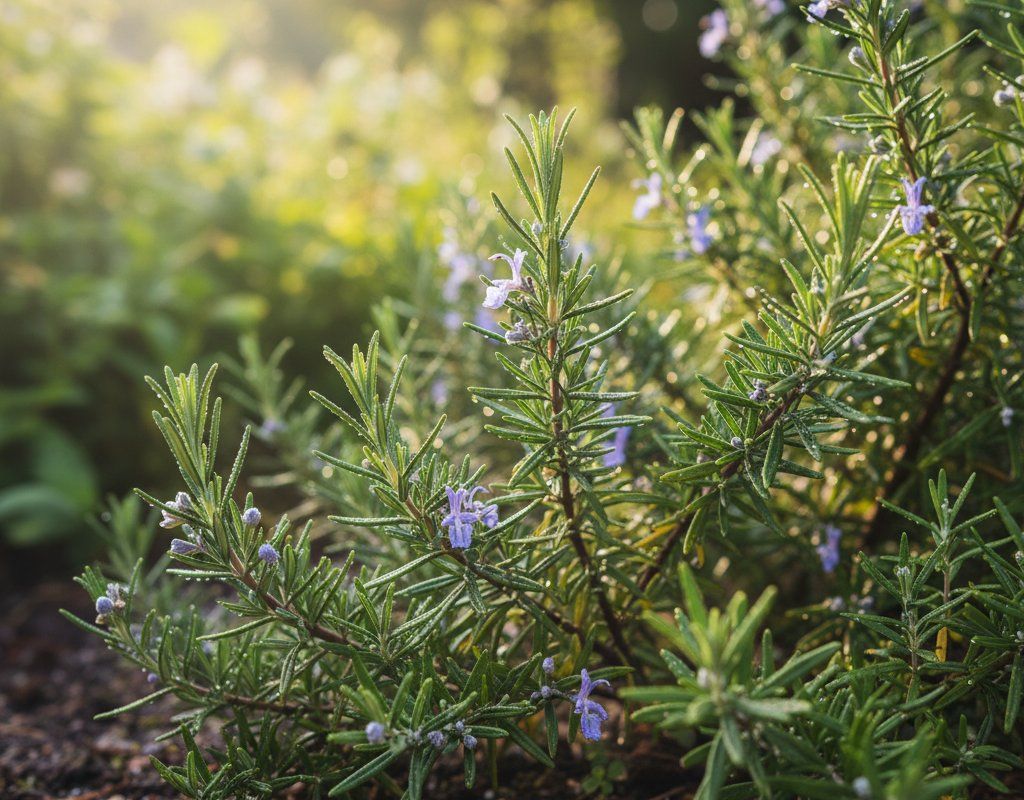
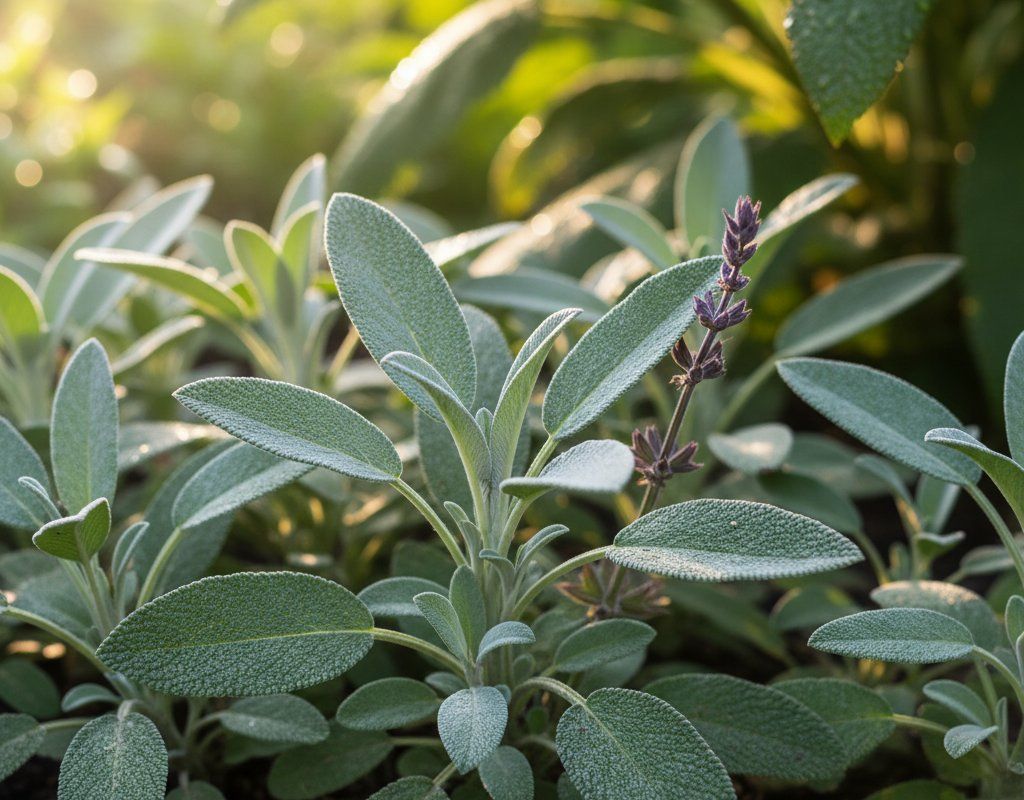
- Rosemary, Sage, and Lavender: These herbs share similar growing requirements with Thyme (full sun and well-drained soil) and can attract beneficial insects to your garden.
- Cabbage: Thyme can help deter cabbage moths and other pests that commonly attack cabbage family crops.
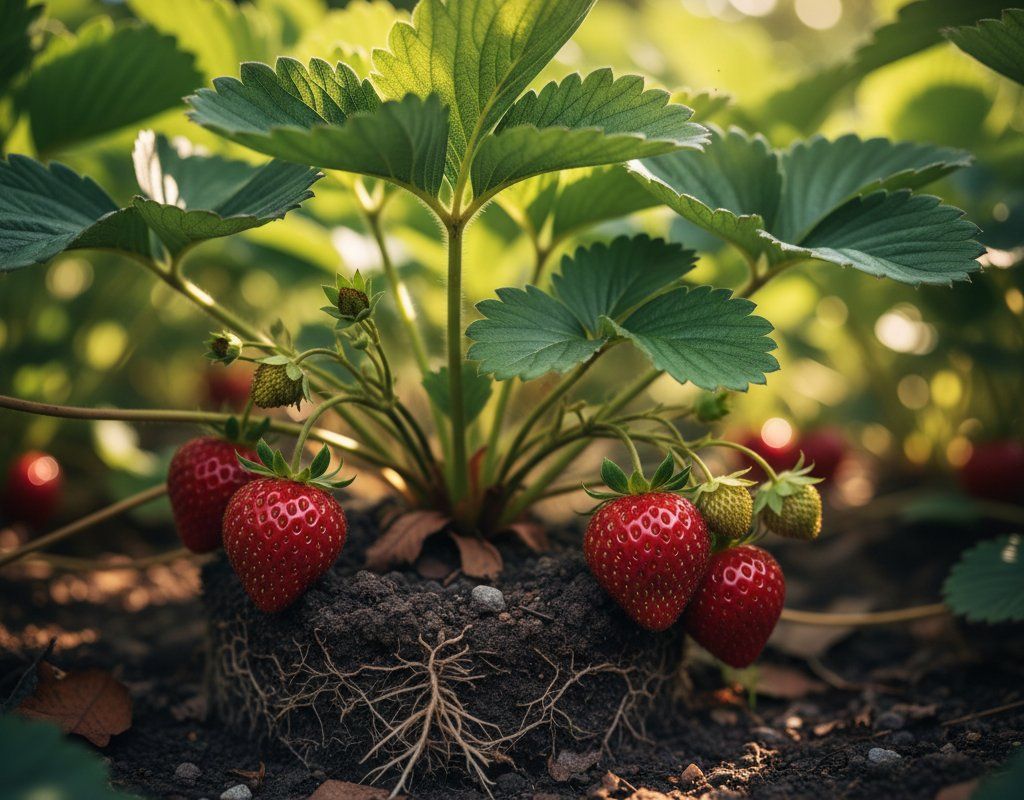
- Strawberry: Thyme can help repel slugs, a major pest in our region, from your strawberry patch.
- Tomato: Thyme is believed to improve the flavor of tomatoes and can also help repel tomato hornworms.
Avoid planting Thyme near mint, as mint is very aggressive and can quickly outcompete Thyme for resources.
🌸Best Flowers to Plant with Thyme
These flowers protect your Thyme from pests and attract pollinators for better harvests.
For Pest Control


Get a Reminder When It's Time to Plant
We'll email you when key planting windows open for your zone.