
Thyme in Zone 9A — Northern California
Thymus vulgaris · Your Complete 2026 Planting Guide
Time to Buy Starts!
Seed starting window passed, but starts are available now.
Buy Starts Now
Head to your local nursery, Home Depot, or farmers market for transplants.
- Look for stocky plants with dark green leaves
- Avoid leggy seedlings or plants already flowering
- Check that roots aren't circling the pot (rootbound)
How to Plant Thyme in Zone 9A — Northern California
Here are all your options for getting thyme in the ground, from the easiest method to more advanced approaches.
Buy Starts
RecommendedMid February through mid March
around February 20
Plant purchased starts after last frost (February 20).
Thyme is slow from seed. Buying starts saves a full season of waiting.
Start Seeds Indoors
Works WellMid December through early January
around December 26
Then transplant: Mid February through mid March
Start seeds 8-10 weeks before transplanting outdoors.
Direct Sow Seeds
Works WellMid February through mid September
around February 20
Consider succession planting every 2-3 weeks for continuous harvest.
Transplant Outdoors
Timing InfoMid February through mid March
around February 20
Can tolerate light frost, but wait for soil to be workable.
You have a nice window — no need to rush.
Overview
Thyme is a fantastic addition to any Northern California garden. Its aromatic leaves elevate your cooking, adding a Mediterranean flair to dishes. Plus, it's a beautiful, low-maintenance ground cover that thrives in our sunny, dry summers.
While we face water restrictions and occasional heat waves, Thyme is well-suited to our Mediterranean climate. Our long growing season (nearly 10 months!) gives you ample time to enjoy this herb, whether you start from seed or transplant.
Starting Seeds Indoors
Starting Thyme indoors isn't always necessary in our mild climate, but it gives you a head start. If you want a jump on the season, sow seeds indoors from mid December through early January, about eight weeks before our transplant window opens.
Use seed trays with a well-draining seed-starting mix. Keep the soil consistently moist by bottom watering to avoid disturbing the tiny seeds. Place the trays in a warm spot with plenty of light, either a sunny windowsill or under grow lights.
Transplanting Outdoors
Transplanting Thyme is a great way to get established plants into your garden quickly. Aim to transplant outdoors from mid February through mid March. Before planting, harden off your seedlings by gradually exposing them to outdoor conditions for about a week.
Space plants 8-12 inches apart in a sunny spot with well-drained soil. While February and March are generally mild, keep an eye on the forecast for late frosts. Buying starts from a local nursery avoids the slow growth from seed and gives you a full season of harvest.
Direct Sowing
Direct sowing Thyme is a viable option, especially given our long growing season. Sow seeds directly into well-prepared soil from mid February through mid September. Thyme seeds are tiny, so lightly press them into the soil surface rather than burying them deeply.
Keep the soil consistently moist until the seedlings emerge. Once they're established, thin them to 8-12 inches apart. Direct sowing is simple, but expect slower growth compared to transplants, so patience is key.
Watering Thyme in Zone 9A (Northern California)
Thyme is incredibly drought-tolerant, making it perfect for water-wise gardening in Northern California. Once established, it needs very little supplemental watering. Overwatering is a far greater threat than underwatering.
During the dry summer months, water deeply but infrequently, only when the top two inches of soil feel dry to the touch. Typically, one deep watering every 1-2 weeks is sufficient, but adjust based on your microclimate and rainfall. Water at the base of the plant to avoid wetting the foliage, which can encourage fungal diseases in our low-humidity environment.
Signs of underwatering include wilting or yellowing leaves, while overwatering can lead to root rot. A light layer of gravel mulch around the base of the plants helps retain moisture without suffocating the roots, and also improves drainage.
Pruning & Maintaining Thyme
Thyme requires minimal pruning. The main goal is to prevent it from becoming too woody. After flowering, typically in late spring or early summer, cut back the stems by about one-third.
Avoid cutting into the old, woody growth, as it may not regrow. In late fall, before our first expected frost around early December, give your Thyme plant one last light trim to tidy it up for the winter.
🧪Fertilizing Thyme
Feeding Schedule
Organic Fertilizer Options
Harvest Time
You can start harvesting Thyme from early May through mid December. The best flavor comes just before the plant flowers. Simply snip off sprigs as needed, cutting the stems and then stripping the leaves.
Regular harvesting encourages the plant to produce more growth, so don't be shy! Even a light trim here and there will keep your plant productive. As the first frost approaches in early December, harvest any remaining sprigs to dry or freeze for winter use.
Common Problems in Zone 9A (Northern California)
Thyme is generally trouble-free, but here are a couple of common issues to watch out for in Northern California gardens:
Root Rot
- What it looks like: Yellowing leaves, wilting even with moist soil, and a general decline in plant health. The roots will appear brown and mushy.
- What causes it: Overwatering and poorly draining soil. Our dry summers can lull you into overwatering, especially if you have clay soil.
- How to fix/prevent it: Ensure your Thyme is planted in well-draining soil. Water only when the top two inches of soil are dry. Amend heavy clay soils with compost and consider planting in raised beds.
Fungal Diseases
- What it looks like: Powdery mildew or other fungal growth on the leaves, especially during periods of prolonged dampness or morning fog near the coast.
- What causes it: Excess moisture on the foliage and poor air circulation. While our humidity is generally low, microclimates near the coast can be prone to fog.
- How to fix/prevent it: Water at the base of the plant to avoid wetting the leaves. Ensure good air circulation by spacing plants appropriately. Remove any affected foliage promptly and consider using a copper fungicide if the problem persists.
Northern California Specific Challenges: Our moderate-to-hot summers and dry conditions mean that Thyme generally thrives here, but the risk of overwatering is real. Pay close attention to your soil moisture and avoid the temptation to water too frequently.
Best Companions for Thyme
Plant these nearby for healthier Thyme and better harvests.




Keep Away From

Companion Planting Details
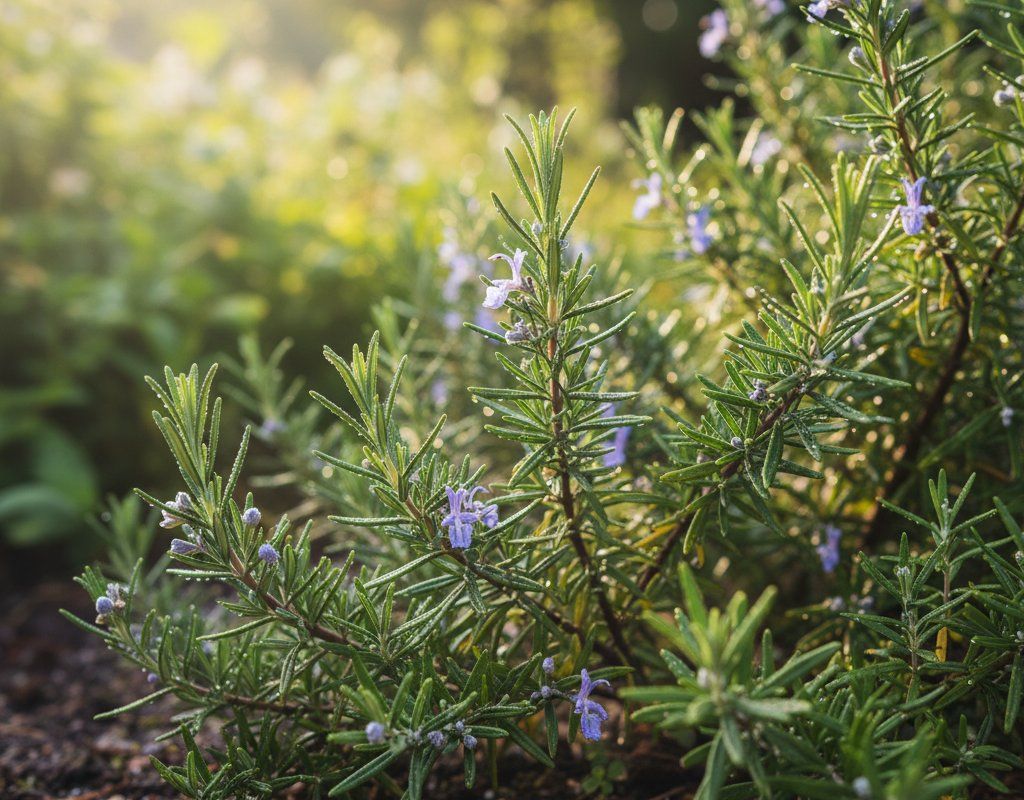
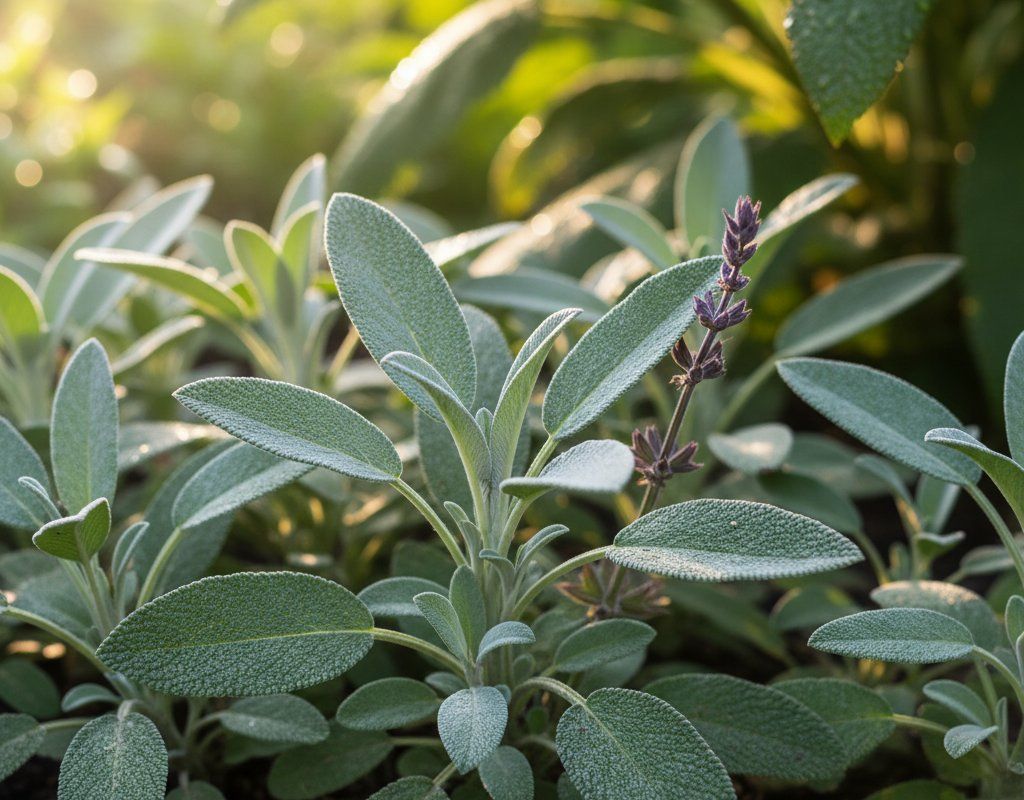
Thyme is a great companion plant for many garden vegetables and herbs. Rosemary, sage, and lavender all share similar growing requirements (full sun, well-drained soil) and attract beneficial insects. Cabbage and other brassicas benefit from Thyme's pest-repelling properties.
Strawberries also enjoy Thyme as a neighbor, as it can help deter pests. Tomatoes benefit from Thyme's ability to improve flavor and deter tomato hornworms. Avoid planting Thyme near mint, as mint is very aggressive and can quickly overtake Thyme.
🌸Best Flowers to Plant with Thyme
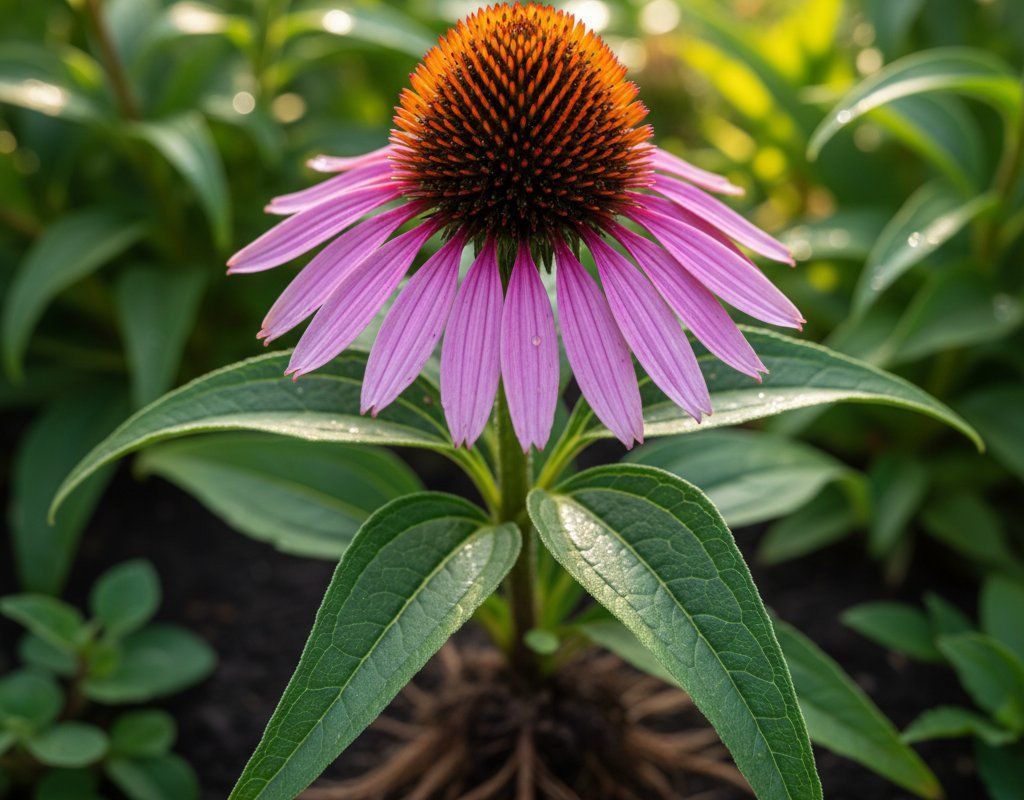
These flowers protect your Thyme from pests and attract pollinators for better harvests.
For Pest Control


Get a Reminder When It's Time to Plant
We'll email you when key planting windows open for your zone.