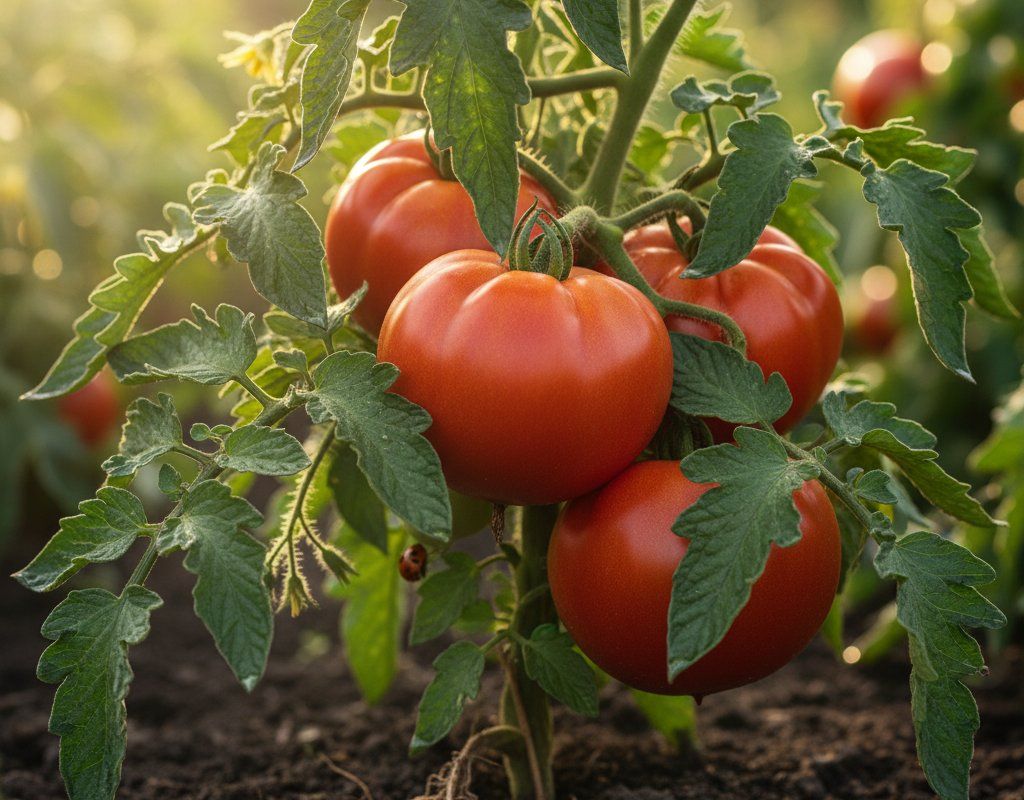
Beefsteak Tomatoes in Zone 10A — Southern California
Solanum lycopersicum · Your Complete 2026 Planting Guide
Check Planting Details Below
See the full planting guide for timing information.
How to Plant Beefsteak Tomatoes in Zone 10A — Southern California
Here are all your options for getting beefsteak tomatoes in the ground, from the easiest method to more advanced approaches.
Start Seeds Indoors
RecommendedMid December through early January
around December 18
Then transplant: Late January through late February
Start seeds 6-8 weeks before transplanting outdoors.
Buy Starts
Works WellLate January through late February
around January 29
Plant purchased starts after last frost (January 15).
Direct Sow Seeds
ChallengingDirect sowing is not typical for Beefsteak Tomatoes.
Transplant Outdoors
Timing InfoLate January through late February
around January 29
Wait until nighttime temperatures stay above 50°F.
You have a nice window — no need to rush.
Overview
Beefsteak tomatoes deliver the ultimate home garden payoff here in Southern California – massive, meaty fruits that dwarf anything you'll find at the store, with flavor that actually tastes like a tomato should. Our long, warm growing season and abundant sunshine create perfect conditions for these giants to reach their full potential, often producing fruits weighing over a pound each that are perfect for thick sandwich slices, stuffing, or simply eating like an apple with a sprinkle of salt.
While our hot inland summers and occasional water restrictions can challenge these thirsty plants, the timing works beautifully in your favor. With a 349-day growing season and mild winters, you can start early and avoid the worst heat stress by harvesting your main crop before the brutal summer peak hits. The key is getting them established during our cooler months when consistent watering is easier to maintain.
Starting Seeds Indoors
Start your beefsteak tomato seeds indoors during mid-December through early January, giving them about 6 weeks to develop before transplanting. This timing takes advantage of Southern California's very early spring character, allowing you to get plants in the ground while nights are still cool but the worst frost risk has passed.
Set up your seed trays in a warm spot – around 70-75°F works perfectly for germination. A seedling heat mat helps maintain consistent soil temperature during our variable winter nights. Once seedlings emerge, they'll need strong light, either from a south-facing window or grow lights positioned 2-3 inches above the plants.
Use bottom watering to keep the soil consistently moist without disturbing delicate seedlings. Fill a tray with water and let the seed containers soak it up from below. This method prevents damping-off disease and keeps moisture levels even, which is crucial for these tender starts in our dry winter air.
Transplanting Outdoors
Plan to transplant your beefsteak seedlings outdoors during late January through late February, when nighttime temperatures consistently stay above 50°F. This window captures our mild winter-to-spring transition before the Santa Ana winds and intense heat arrive.
Harden off your seedlings gradually over one week by moving them outside for increasingly longer periods each day. Start with 2-3 hours of morning sun, then extend to full days by week's end. This process is especially important in Southern California where the intensity of our sun can shock indoor-grown plants.
Space plants 36-48 inches apart – these indeterminate varieties will sprawl into massive plants by summer, and good air circulation helps prevent disease in our sometimes humid coastal mornings. Choose a spot with full sun but some afternoon protection if you're inland, where summer temperatures will soar well above 100°F.
Watering Beefsteak Tomatoes in Zone 10A (Southern California)
Beefsteak tomatoes demand consistent, deep watering throughout our dry growing season – plan on providing 1.5-2 inches per week during active growth. With our typical 10-20 inches of annual rainfall concentrated in winter, you'll be the primary water source from spring through late fall.
Water at soil level rather than overhead to minimize disease risk in our low-to-moderate humidity. The "finger test" works perfectly here – stick your finger 2 inches into the soil near the base of the plant. If it's dry at that depth, it's time for a thorough soaking. During our hot summer inland temperatures reaching 92°F and beyond, you may need to water every other day.
Large fruits demand enormous amounts of water – inconsistent watering causes fruit cracking and blossom end rot, problems that plague many SoCal gardeners who underwater during heat waves or overcompensate during cooler spells. Signs of water stress include wilting during the heat of the day (even with moist soil), slow fruit development, and leaf edges turning brown.
Apply 3-4 inches of mulch around plants to conserve moisture and moderate soil temperature swings. In our water-conscious region, this simple step can reduce watering needs by 30-40% while protecting roots from reflected heat off our often-bare soil.
Supporting Your Beefsteak Tomatoes
Install heavy-duty cages or thick stakes at planting time – beefsteak tomatoes produce fruit so large and heavy they'll snap branches and topple flimsy supports by midsummer. Choose 6-foot tall cages with wide spacing between wires, or use 2x2 inch wooden stakes driven 18 inches into the ground.
These indeterminate plants keep growing and producing until frost, reaching 6-8 feet tall in our long season. As branches laden with pound-plus fruits develop, tie them loosely to supports using soft cloth strips or tomato clips. Check ties monthly and adjust as stems thicken.
The combination of our intense summer sun and heavy fruit loads creates unique stress on plants. Support systems that work for smaller tomatoes often fail catastrophically when a single branch carries 3-4 massive beefsteak fruits. Plan for success by overbuilding your support structure from day one.
Pruning & Maintaining Beefsteak Tomatoes
Remove suckers (shoots growing between main stem and branches) throughout the season to direct the plant's energy into fewer, larger fruits. In our long growing season, unpruned beefsteak plants become unmanageable tangles that produce many small fruits instead of the giants you're after.
Prune lower leaves touching the ground to improve air circulation and prevent soil-borne diseases. As plants mature, remove yellowing leaves and any branches that aren't producing flowers or fruit. This is especially important during our hot summers when stressed plants are more susceptible to disease.
Around late October, pinch off flower clusters that won't have time to mature before first frost in late December. This "topping" strategy directs remaining energy into sizing up existing fruits, giving you better harvests from green tomatoes that can ripen indoors if needed.
🧪Fertilizing Beefsteak Tomatoes
Feeding Schedule
Organic Fertilizer Options
Harvest Time
Expect your first ripe beefsteaks during late April through mid-June, about 85 days from transplanting. The exact timing depends on winter weather – warmer years advance the schedule, while cooler springs push harvest later. Your plants will produce continuously through fall until frost threatens in late December.
Harvest when fruits show deep, even color but still feel slightly firm when cupped gently in your hand. Beefsteaks continue ripening after picking, so you can harvest slightly early if extreme heat or Santa Ana winds threaten. Fully tree-ripened fruits taste best but are more prone to cracking during temperature swings.
Pick regularly to encourage continued production – leaving overripe fruit on the vine signals the plant to slow down. During peak season, you'll harvest 2-3 massive fruits per plant each week. Handle carefully since the large size makes them vulnerable to bruising and splitting.
As first frost approaches in late December, harvest all remaining fruits regardless of color. Green beefsteaks ripen well indoors when placed in a warm spot with good air circulation. Wrap individual fruits in newspaper and check weekly – most will ripen within 2-3 weeks, extending your harvest well into winter.
Common Problems in Zone 10A (Southern California)
Fruit Cracking Concentric circles or radial splits appear around the stem end, exposing the flesh inside. This happens when fruit absorbs water faster than the skin can expand, typically after heavy watering or rain following dry periods. Our irregular winter rainfall followed by hand-watering makes this especially common. Maintain consistent soil moisture with drip irrigation or soaker hoses, and apply thick mulch to buffer moisture swings. Harvest promptly when fruits reach full color to avoid late-season cracking.
Catfacing Deep crevices, scars, and deformities develop on the blossom end, making fruits look lumpy and misshapen. Cool nighttime temperatures during flowering cause incomplete pollination – common when you transplant too early in our variable winter weather. Wait until nighttime temperatures consistently stay above 50°F before transplanting. The deformed fruits are perfectly edible but won't win any beauty contests.
Blossom End Rot Sunken, dark brown or black leathery patches appear on the bottom of fruits. This calcium deficiency results from inconsistent watering, not soil nutrient problems. Our feast-or-famine water patterns – heavy winter rain followed by months of dry weather – trigger this condition in many Southern California gardens. Water consistently and deeply, maintain 3-4 inches of mulch, and avoid over-fertilizing with nitrogen which blocks calcium uptake.
Slow Ripening Large green fruits hang on plants for weeks past their expected maturity date. Our coastal marine layer can keep nighttime temperatures below the 60°F threshold needed for proper ripening, especially near the coast. Ensure plants receive full sun, reduce nitrogen fertilizer that promotes leaf growth over fruiting, and remove excess foliage shading the fruits. Inland gardeners rarely face this problem due to consistently warm nights.
Southern California Specific Challenges: Our hot, dry summers with low-to-moderate humidity mean beefsteak tomatoes face intense water stress during their peak growing period. The combination of blazing sun, Santa Ana winds, and water restrictions makes consistent irrigation your biggest challenge. However, our winter-wet, summer-dry pattern works in your favor if you time plantings correctly – establish plants during the rainy season for strong root systems before summer stress hits.
Best Companions for Beefsteak Tomatoes
Plant these nearby for healthier Beefsteak Tomatoes and better harvests.
View Full Companion Planting Chart →



Companion Planting Details
Plant basil nearby to improve tomato flavor while repelling aphids and whiteflies – plus you'll have fresh basil for all those BLT sandwiches. Carrots make excellent understory companions since their taproots don't compete with shallow tomato feeder roots, and their ferny foliage helps shade soil and conserve moisture during our hot summers. Parsley and marigolds also work well, with marigolds potentially deterring nematodes in our sandy soils.
Avoid planting brassicas like broccoli or cabbage near tomatoes since they compete heavily for nutrients and water – resources that are often limited in our water-conscious region. Skip fennel entirely as it inhibits tomato growth, and avoid corn which creates too much shade and attracts similar pests. In Southern California's intense sun, your beefsteaks need all available resources focused on developing those massive fruits.
🌸Best Flowers to Plant with Beefsteak Tomatoes
These flowers protect your Beefsteak Tomatoes from pests and attract pollinators for better harvests.


Get a Reminder When It's Time to Plant
We'll email you when key planting windows open for your zone.