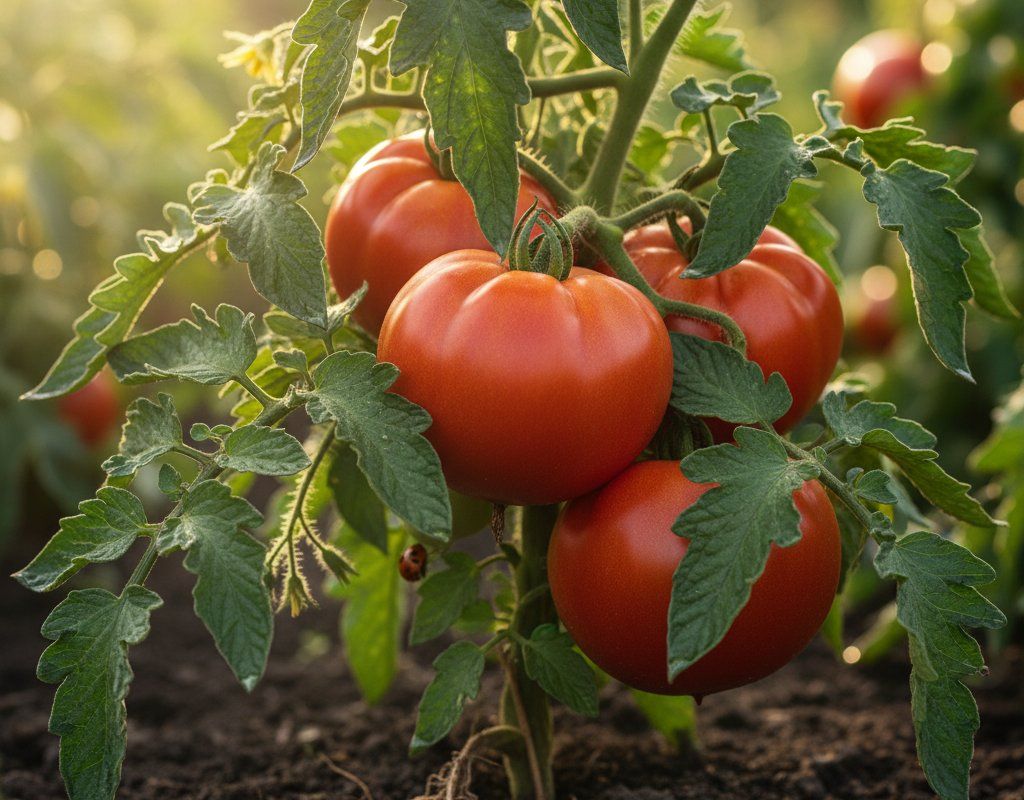
Beefsteak Tomatoes in Zone 4B — Northeast
Solanum lycopersicum · Your Complete 2026 Planting Guide
Planning Ahead — Great!
You’re ahead of the season. Here’s when to start.
Mark Your Calendar
How to Plant Beefsteak Tomatoes in Zone 4B — Northeast
Here are all your options for getting beefsteak tomatoes in the ground, from the easiest method to more advanced approaches.
Start Seeds Indoors
RecommendedEarly to late April
around April 12
Then transplant: Late May through mid June
Start seeds 6-8 weeks before transplanting outdoors.
Buy Starts
Works WellLate May through mid June
around May 24
Plant purchased starts after last frost (May 10).
Direct Sow Seeds
ChallengingDirect sowing is not typical for Beefsteak Tomatoes.
Transplant Outdoors
Timing InfoLate May through mid June
around May 24
Wait until nighttime temperatures stay above 50°F.
You have a nice window — no need to rush.
Overview
Beefsteak tomatoes are the ultimate summer satisfaction in our Northeast gardens — these massive, meaty fruits deliver unmatched flavor and the kind of slice that actually covers your entire sandwich. While our 138-day growing season means you'll need to start early and choose your timing carefully, the payoff is enormous when you sink your teeth into a warm, sun-ripened beefsteak fresh from your own vine. Our cool nights actually work in your favor here, concentrating sugars and developing that complex flavor that makes homegrown beefsteaks so superior to anything you'll find in stores.
Yes, our late springs and early fall frosts create a narrow window, but don't let that discourage you. With proper indoor starting and timing your transplants after our last frost risk passes, you'll have plenty of time to grow these giants successfully. The key is working with our climate rather than fighting it — and once you taste that first perfectly ripe beefsteak in late August, you'll understand why so many Northeast gardeners consider these worth every bit of extra effort.
Starting Seeds Indoors
Start your beefsteak tomato seeds indoors during early to late April, about 6 weeks before you plan to transplant outside. Since our Northeast springs arrive fashionably late, this indoor head start is absolutely essential — these tender plants need every day of our short growing season to produce their massive fruits. Set up seed trays in a warm spot (70-75°F works well) and provide strong light once seedlings emerge.
Bottom watering works particularly well for tomato seedlings since it encourages strong root development without disturbing delicate stems. Place your seed trays in shallow dishes and add water to the dish rather than watering from above. This prevents damping-off and keeps soil surface from staying too wet during our often-cool spring weather indoors.
Your seedlings will need 14-16 hours of light daily, whether from grow lights or a sunny south-facing window. As they develop their first true leaves, transplant them into larger pots to give roots room to grow strong before facing the challenges of our rocky New England soil.
Transplanting Outdoors
Plan to move your beefsteak seedlings outdoors between late May and mid-June, after our last frost danger has passed and soil has warmed consistently. This timing might feel late compared to warmer zones, but patience pays off — one unexpected cold snap can set back or kill tender tomato plants entirely. Our Northeast springs are notorious for temperature swings, so wait until nighttime temperatures stay reliably above 50°F.
Harden off your seedlings gradually over one full week before transplanting. Start with just an hour outdoors in a protected spot, then gradually increase exposure time and move them into more sun and wind. This conditioning helps them adjust to outdoor UV levels and temperature fluctuations they haven't experienced indoors.
Space your beefsteak plants 36-48 inches apart to ensure good air circulation — these indeterminate varieties will grow large and need room to breathe. The generous spacing also makes it easier to work around them as they mature and helps prevent disease issues that can develop in our sometimes-humid summer conditions.
Watering Beefsteak Tomatoes in Zone 4B (Northeast)
Beefsteak tomatoes are thirsty plants that demand consistent, deep watering throughout our growing season. Their massive fruits require steady moisture to develop properly — even short dry spells can trigger cracking, catfacing, and blossom end rot that will ruin your harvest. Plan on providing 1-2 inches of water per week, adjusting based on our typically reliable Northeast rainfall patterns.
Check soil moisture by pushing your finger 2 inches deep near the base of each plant. The soil should feel like a wrung-out sponge — moist but not waterlogged. Our moderate summer humidity means soil tends to stay moist longer than in drier regions, but those large leaves and heavy fruit production still create significant water demands. Water deeply but less frequently rather than giving light, daily sprinklings.
Water at the base of plants rather than overhead, especially during our humid summer stretches. Wet foliage in humid conditions invites fungal diseases that can quickly devastate tomato plants. A soaker hose or drip irrigation works perfectly, or simply water slowly at soil level with a watering can or hose with the pressure turned down low.
Mulch around your plants with 2-3 inches of organic material to maintain consistent soil moisture and reduce your watering workload. In our rocky New England soil, mulch also helps moderate soil temperature swings and gradually improves soil structure as it breaks down over the season.
Supporting Your Beefsteak Tomatoes
Beefsteak tomatoes absolutely require sturdy support from the moment you transplant them — these indeterminate varieties will grow 6-8 feet tall and produce fruits weighing a pound or more each. Install heavy-duty tomato cages (with thick wire and tall height) or drive 6-8 foot wooden stakes deep into the ground at planting time. Trying to add support later risks damaging the root system and disturbing established plants.
If using stakes, choose thick wooden posts or metal stakes that won't bend under the weight of a fully loaded plant. Tie the main stem loosely to the stake every 12-18 inches as it grows, using soft materials like cloth strips or stretchy plant ties that won't cut into the stem. Make figure-8 ties that loop around both stake and stem to prevent the plant from sliding down.
Train the main stem upward and secure heavy fruit-bearing branches with additional ties or clips. Even with good support, individual branches may need extra help as fruits develop — a single beefsteak tomato cluster can snap a branch if left unsupported. Check your support system weekly and add ties as needed throughout the growing season.
Pruning & Maintaining Beefsteak Tomatoes
Remove suckers (the shoots that grow between the main stem and branches) regularly throughout the growing season to direct energy into fewer, larger fruits. For beefsteak varieties, focus on keeping 2-3 main stems and remove most other suckers, especially lower ones that won't receive adequate sunlight. This selective pruning helps ensure your plants can actually ripen their massive fruits within our limited growing season.
Strip off lower leaves that touch the ground or show any signs of yellowing or disease spots. This improves air circulation around the base of the plant and reduces disease pressure in our sometimes-humid conditions. Continue removing lower leaves as the plant grows taller, keeping the bottom 12-18 inches of stem clear.
As our first frost approaches in late September, top the plants by pinching out the growing tips. This stops new growth and directs the plant's energy into ripening existing fruits rather than starting new ones that won't have time to mature. About 4 weeks before expected frost, remove any flower clusters that are just forming since they won't have time to develop into ripe fruit.
🧪Fertilizing Beefsteak Tomatoes
Feeding Schedule
Organic Fertilizer Options
Harvest Time
Your first beefsteak tomatoes should be ready to harvest from mid-August through late September, assuming you started seeds on schedule in April. These large fruits take their time developing, so don't expect the quick turnaround of smaller varieties — patience pays off with superior flavor and size. Watch for the deep red color (or variety-specific color) to develop fully and for fruits to give slightly when you cup them gently in your hand.
Harvest beefsteaks by grasping the fruit firmly and twisting gently while lifting upward — they should separate cleanly from the stem when fully ripe. If you need to pull hard, they're not quite ready yet. Cut stubborn fruits with clean pruning shears rather than risking damage to the plant or fruit. Handle these large tomatoes carefully since their weight makes them prone to bruising.
Continue checking plants every 2-3 days during peak season since beefsteaks can go from perfect to overripe quickly once they start coloring up. Regular harvesting also encourages the plant to keep producing new fruits rather than putting all its energy into the ones already on the vine.
As our first frost approaches in late September, harvest any fruits that have started to show color change — even those that are just beginning to blush can ripen successfully indoors. Bring them inside and place in a warm (65-75°F) spot out of direct sunlight. Green fruits can also ripen indoors, though they won't develop quite the same depth of flavor as vine-ripened ones.
Common Problems in Zone 4B (Northeast)
Cracking Concentric circles or radial lines splitting the skin around the stem area, sometimes exposing the flesh underneath. This happens when our typical Northeast weather pattern of dry spells followed by heavy rain causes fruit to absorb water faster than the skin can stretch. Beefsteak varieties are particularly prone to cracking due to their large size. Maintain consistent soil moisture through regular watering and thick mulching, and harvest fruits promptly when they start showing color rather than leaving them on the vine too long.
Catfacing Deep crevices, scars, and lumpy deformities on the blossom end that make fruits look misshapen and ugly. Cool nighttime temperatures during flowering (common in our Northeast springs) cause incomplete pollination, leading to these deformities. Large-fruited varieties like beefsteaks are most susceptible. Wait to transplant until nights consistently stay above 55°F, and use row covers if an unexpected cool spell threatens during flowering. The deformed fruits are still perfectly edible — just harder to slice evenly.
Blossom End Rot Dark, sunken, leathery spots on the bottom of fruits that start small but can eventually cover the entire blossom end. This isn't a disease but a calcium deficiency caused by inconsistent watering — very common in our rocky New England soil where drainage can be unpredictable. Water consistently and deeply, mulch heavily to maintain even moisture, and avoid over-fertilizing with nitrogen which can interfere with calcium uptake. Remove affected fruits promptly so the plant can focus energy on healthy ones.
Slow to Ripen Large green fruits that seem to hang forever without turning red, especially frustrating given our short growing season. Cool nighttime temperatures below 60°F slow ripening significantly, and beefsteak varieties are naturally slower than smaller tomatoes. Ensure plants receive full sun and remove excess foliage that might shade developing fruits. In our Northeast climate, this is often just a matter of patience — but harvest green fruits before first frost and ripen them indoors if time runs out.
Northeast Specific Challenges: Our moderate summer heat and moderate-to-humid conditions actually work well for beefsteaks since they're less stressed by extreme heat, but the short growing season means timing everything perfectly matters more than in longer-season areas. The combination of rocky soil, variable spring weather, and early fall frosts requires careful attention to watering consistency and season extension techniques.
Best Companions for Beefsteak Tomatoes
Plant these nearby for healthier Beefsteak Tomatoes and better harvests.
View Full Companion Planting Chart →



Companion Planting Details
Plant basil near your beefsteak tomatoes — it naturally repels aphids and hornworms while supposedly improving tomato flavor (though the pest control benefit is proven, the flavor enhancement remains garden folklore). Carrots make excellent companions since their deep taproots don't compete with tomato roots and help break up our often-compacted Northeast soil. Parsley planted around the base provides ground cover and attracts beneficial insects that help with pollination and pest control.
Marigolds deserve their reputation as tomato companions in our region since they deter nematodes and many flying pests while adding bright color to the garden. Avoid planting brassicas like cabbage or broccoli near tomatoes since they can stunt each other's growth, and keep fennel far away as it can inhibit tomato growth. Corn should also be planted elsewhere since both crops attract similar pests and competing for the same nutrients in our often-rocky soil doesn't benefit either plant.
🌸Best Flowers to Plant with Beefsteak Tomatoes
These flowers protect your Beefsteak Tomatoes from pests and attract pollinators for better harvests.


Get a Reminder When It's Time to Plant
We'll email you when key planting windows open for your zone.