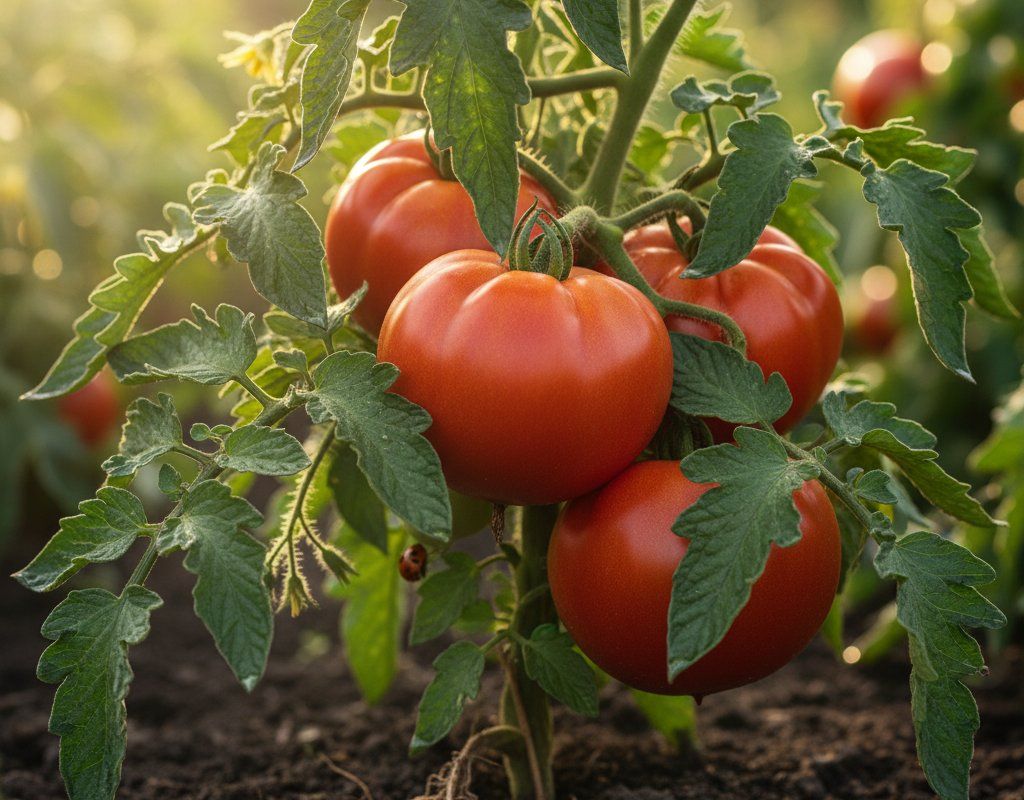
Beefsteak Tomatoes in Zone 6A — Midwest
Solanum lycopersicum · Your Complete 2026 Planting Guide
Planning Ahead — Great!
You’re ahead of the season. Here’s when to start.
Mark Your Calendar
How to Plant Beefsteak Tomatoes in Zone 6A — Midwest
Here are all your options for getting beefsteak tomatoes in the ground, from the easiest method to more advanced approaches.
Start Seeds Indoors
RecommendedMid March through early April
around March 23
Then transplant: Early May through early June
Start seeds 6-8 weeks before transplanting outdoors.
Buy Starts
Works WellEarly May through early June
around May 4
Plant purchased starts after last frost (April 20).
Direct Sow Seeds
ChallengingDirect sowing is not typical for Beefsteak Tomatoes.
Transplant Outdoors
Timing InfoEarly May through early June
around May 4
Wait until nighttime temperatures stay above 50°F.
You have a nice window — no need to rush.
Overview
Beefsteak tomatoes are the crown jewel of Midwest vegetable gardens, delivering massive, meaty slices that can cover an entire sandwich. These giants thrive in our fertile soil and summer heat, producing fruit that often weighs over a pound each. When you bite into a homegrown beefsteak tomato in late July, still warm from the sun, you'll taste the difference our rich Midwest earth makes.
Our 178-day growing season gives these slow-maturing beauties plenty of time to develop their full flavor, even with our variable spring weather. Yes, you'll need to start them indoors and wait until the soil warms up, but that just makes the first harvest more rewarding. The key is timing your indoor start right and being patient with transplanting.
Starting Seeds Indoors
Start your beefsteak tomato seeds indoors from mid-March through early April, about 6 weeks before your planned transplant date. In our moderate-to-late spring climate, this timing ensures your seedlings will be strong and ready when it's finally safe to plant outside. Set up seed trays in a warm spot (70-75°F) with good light - a south-facing window or grow lights work well.
Plant seeds about ¼ inch deep in quality seed starting mix and keep the soil consistently moist but not soggy. Bottom watering works best - set your seed trays in a shallow pan of water and let the soil absorb moisture from below. This prevents damping off and keeps the soil surface from crusting over.
Once seedlings emerge and develop their first true leaves, transplant them into individual 4-inch pots. Keep them in bright light and gradually reduce watering frequency while increasing the amount each time. This encourages strong root development that will serve them well in our sometimes unpredictable Midwest weather.
Transplanting Outdoors
Wait to transplant your beefsteak seedlings until early May through early June, when soil temperatures consistently stay above 60°F and nighttime lows remain above 50°F. Even though Memorial Day is the traditional benchmark, watch the weather forecast carefully - late spring frost can still sneak in and devastate tender tomato plants. When in doubt, wait another week.
Start hardening off your seedlings about a week before transplant by gradually exposing them to outdoor conditions. Begin with just an hour of morning sun, then increase exposure daily until they're outside full-time. This process helps them adjust to wind, temperature swings, and direct sunlight.
Space your beefsteak plants 36-48 inches apart to allow for their eventual massive size and to ensure good air circulation. Dig generous holes and amend our often heavy clay soil with compost if needed. Plant deep, burying about two-thirds of the stem - tomatoes will develop roots along the buried portion, creating a stronger root system.
Watering Beefsteak Tomatoes in Zone 6A (Midwest)
Beefsteak tomatoes are thirsty plants that need consistent, deep watering throughout our Midwest growing season. Plan to provide about 1-2 inches of water per week, including rainfall. Our 30-40 inch annual rainfall helps, but summer heat spells and the plants' enormous size mean you'll still need to supplement regularly.
Check soil moisture using the finger test - stick your finger 2 inches into the soil near the base of the plant. If it feels dry at that depth, it's time to water. In our moderate-to-humid summers, water early morning at the base of plants rather than overhead to reduce disease pressure and fungal issues.
During fruit development, maintain especially consistent moisture levels. These large fruits need steady water uptake to prevent cracking and blossom end rot. A single heavy watering after the soil has dried out can cause the fruit skin to split as it rapidly absorbs moisture. In our clay soil, deep watering twice per week usually works better than daily light watering.
Apply 2-3 inches of organic mulch around plants to help maintain consistent soil moisture and reduce watering needs. Grass clippings, straw, or shredded leaves work well and gradually break down to improve our soil structure over time.
Supporting Your Beefsteak Tomatoes
Install sturdy support systems at planting time - beefsteak tomatoes produce heavy fruit that can easily snap branches or topple entire plants. Use extra-large tomato cages (at least 6 feet tall) or thick wooden stakes with strong ties. Standard cages from the garden center often aren't robust enough for these giants.
If using stakes, choose 2x2 inch wooden posts or heavy metal stakes driven at least 18 inches into the ground. Tie the main stem loosely with soft materials like fabric strips or tomato ties, allowing room for the stem to grow. Check and adjust ties regularly as the plant grows.
Train the main stem vertically and remove suckers that develop between the main stem and branches. This directs the plant's energy into fewer, larger fruits rather than excessive foliage. Support heavy fruit clusters with individual slings made from old pantyhose or cloth strips tied to the main support structure.
Pruning & Maintaining Beefsteak Tomatoes
Remove suckers - the shoots that grow between the main stem and branches - when they're small and easy to pinch off with your fingers. Focus your energy on maintaining 2-3 main stems for maximum fruit production. Beefsteak varieties benefit from this pruning more than smaller tomato types because it concentrates their energy into fewer, larger fruits.
As the season progresses, remove lower leaves that touch the ground or show signs of disease. This improves air circulation around the base of the plant and reduces disease pressure in our moderate-to-humid summer climate. Remove any yellowing or spotted leaves throughout the season.
About 4-6 weeks before your expected first frost (mid-October in our area), top the plants by pinching off the growing tips. This stops upward growth and directs the plant's remaining energy into ripening existing fruit rather than producing new flowers that won't have time to mature.
🧪Fertilizing Beefsteak Tomatoes
Feeding Schedule
Organic Fertilizer Options
Harvest Time
Your first beefsteak tomatoes will typically be ready from late July through mid-September, about 85 days from transplanting. Look for fruits that have developed their full deep color - usually red, but sometimes pink or yellow depending on variety - and give slightly when cupped gently in your hand. The skin should have a slight shine and the fruit should feel heavy for its size.
Harvest by gently twisting and pulling, or use clean pruning shears to cut the stem about ¼ inch above the fruit. Handle these large tomatoes carefully - their size makes them more prone to bruising than smaller varieties. Harvest in the morning when fruits are cool and firm.
Continue harvesting regularly to encourage continued production. Beefsteak plants will keep producing new fruit until frost if you keep picking the ripe ones. Don't let overripe fruit hang on the plant, as this signals the plant to slow production.
As first frost approaches in mid-October, harvest all remaining green fruits larger than golf ball size. These will ripen indoors if stored in a warm spot out of direct sunlight. Wrap individual fruits in newspaper and check weekly - they'll gradually ripen over several weeks, extending your harvest well into November.
Common Problems in Zone 6A (Midwest)
Cracking Look for splits in the tomato skin, either in concentric circles around the stem end or radiating lines from the stem toward the blossom end. These cracks expose the flesh and often lead to rot. In our wet-summer climate, cracking happens when heavy rain or watering follows a dry period - the fruit absorbs water faster than the skin can expand. Maintain consistent soil moisture with regular watering and mulching. Don't let plants dry out between waterings, especially during fruit development.
Catfacing You'll see deep crevices, scars, and lumpy deformities on the blossom end of fruits, making them look misshapen and ugly. This happens when cool temperatures during flowering (below 55°F at night) interfere with proper pollination. Our variable spring weather makes this common if you plant too early. Wait until nighttime temperatures consistently stay above 50°F before transplanting, and use row covers for extra protection during cool spells.
Blossom End Rot Watch for sunken, dark brown or black leathery patches on the bottom of fruits. This isn't a disease - it's a calcium deficiency caused by inconsistent watering, which prevents plants from absorbing calcium properly. Our clay soil usually has plenty of calcium, but drought-flood cycles prevent uptake. Water consistently and deeply, mulch heavily, and avoid over-fertilizing with nitrogen, which interferes with calcium absorption.
Slow to Ripen Large green tomatoes that seem stuck and won't turn red indicate temperature or cultural issues. Cool nights below 60°F slow ripening significantly. Remove excess foliage that shades fruit, reduce nitrogen fertilizer that promotes leaves over fruit, and ensure plants get full sun. In our climate, this often happens during cool August nights - be patient, as warm September days usually get things moving again.
Midwest Specific Challenges: Our moderate-to-humid summers with 30-40 inches of rainfall create ideal conditions for fungal diseases, making proper spacing and air circulation critical. Summer heat spells can stress plants and slow fruit set, while our heavy clay soil requires amendments and careful watering to prevent root problems.
Best Companions for Beefsteak Tomatoes
Plant these nearby for healthier Beefsteak Tomatoes and better harvests.
View Full Companion Planting Chart →



Companion Planting Details
Plant basil near your beefsteak tomatoes - it reportedly improves tomato flavor and helps repel aphids and hornworms. Carrots work well as companions because their deep taproot doesn't compete with tomatoes' shallow feeder roots, and they help break up clay soil. Parsley attracts beneficial insects that prey on tomato pests, while marigolds planted around the garden border may help deter nematodes and other soil pests.
Avoid planting brassicas like cabbage, broccoli, or kale near tomatoes - they're heavy feeders that compete for the same nutrients. Keep fennel away from tomatoes as it can stunt their growth. Don't plant corn nearby either, as both crops attract corn earworm (which also attacks tomatoes as tomato fruitworm), potentially increasing pest pressure on both plants.
🌸Best Flowers to Plant with Beefsteak Tomatoes
These flowers protect your Beefsteak Tomatoes from pests and attract pollinators for better harvests.


Get a Reminder When It's Time to Plant
We'll email you when key planting windows open for your zone.