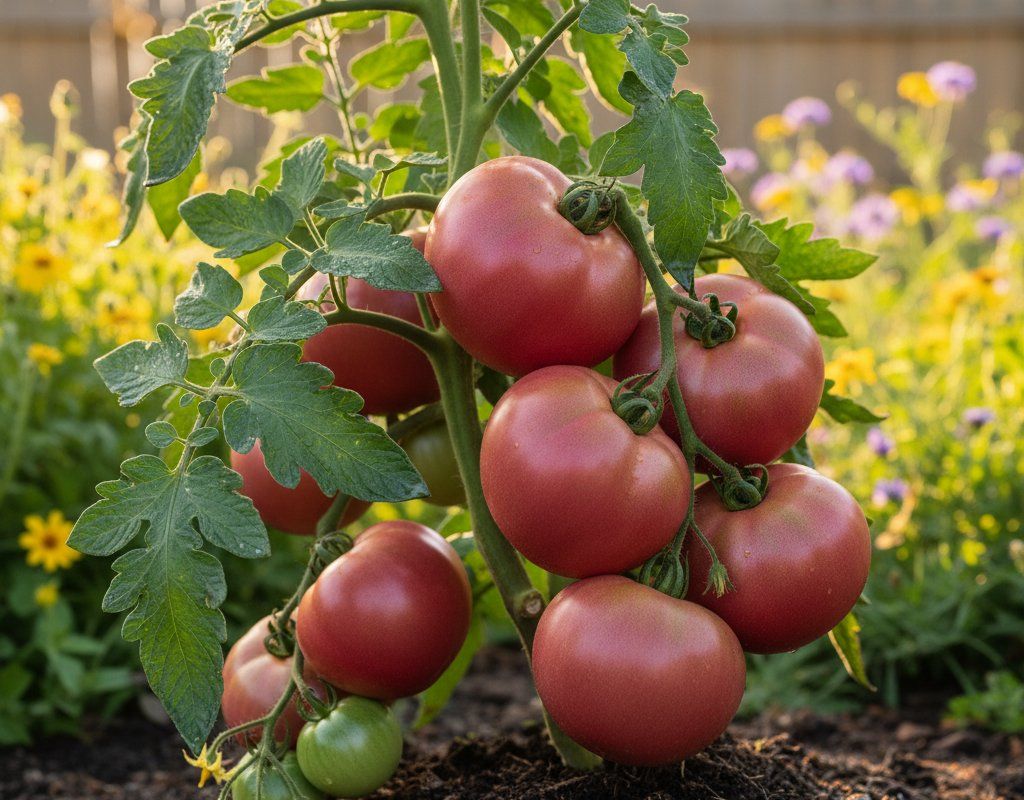
Brandywine Tomatoes in Zone 6B — Northeast
Solanum lycopersicum · Your Complete 2026 Planting Guide
Planning Ahead — Great!
You’re ahead of the season. Here’s when to start.
Mark Your Calendar
How to Plant Brandywine Tomatoes in Zone 6B — Northeast
Here are all your options for getting brandywine tomatoes in the ground, from the easiest method to more advanced approaches.
Start Seeds Indoors
RecommendedMid March through early April
around March 18
Then transplant: Late April through mid May
Start seeds 6-8 weeks before transplanting outdoors.
Buy Starts
Works WellLate April through mid May
around April 29
Plant purchased starts after last frost (April 15).
Direct Sow Seeds
ChallengingDirect sowing is not typical for Brandywine Tomatoes.
Transplant Outdoors
Timing InfoLate April through mid May
around April 29
Wait until nighttime temperatures stay above 50°F.
Plan to transplant within a few weeks of your target date.
Overview
Brandywine tomatoes are the crown jewel of heirloom varieties, offering a rich, complex flavor that makes store-bought tomatoes taste like cardboard. Here in the Northeast, our cool nights actually enhance that legendary taste – the slower ripening process concentrates sugars and develops those deep, wine-like notes that make Brandywine so prized. At 90 days to maturity, you'll get massive, pink-red beefsteak tomatoes perfect for slicing thick on summer sandwiches.
Our short 183-day growing season and unpredictable spring weather mean you can't just toss seeds in the ground and hope for the best. But don't worry – starting indoors gives you complete control over timing, and once you transplant these heat-lovers after our last frost, they'll thrive in our moderate summer temperatures and produce steadily until that first October frost hits.
Starting Seeds Indoors
Start your Brandywine seeds indoors during mid-March through early April, about 6 weeks before you plan to transplant. Our late spring means indoor starting is absolutely essential – there's no way around it with tomatoes this size and this heat-sensitive.
Set up seed trays with quality seed-starting mix and keep them warm (70-75°F works well). A heat mat helps since March can still be pretty chilly indoors. Once seeds germinate, move them under grow lights or to your sunniest south-facing window. Bottom watering works better than overhead watering – it prevents damping off and keeps seedlings from getting too leggy.
Your seedlings will need 6-8 weeks indoors to develop strong root systems. By late April, when soil temperatures finally warm up enough for transplanting, you'll have sturdy plants ready to take on our Northeast growing season instead of weak seedlings struggling to catch up.
Transplanting Outdoors
Plan to transplant your Brandywine seedlings outdoors from late April through mid-May, once soil temperature hits 60°F consistently. Our unpredictable spring weather means you might get a warm spell in early April, but don't be fooled – wait for that soil to really warm up.
Harden off your seedlings for a full week before transplanting. Start with an hour outdoors in filtered light, then gradually increase exposure. Our spring nights can still dip into the 40s even after the last frost date, so bring them in if temperatures drop below 50°F.
Space these plants 36-48 inches apart – Brandywine gets huge and needs excellent air circulation. In our rocky New England soil, work in plenty of compost before planting. The wide spacing also helps with our moderate-to-humid summers, reducing disease pressure that heirloom varieties are prone to.
Watering Brandywine Tomatoes in Zone 6B (Northeast)
Brandywine tomatoes need consistent, deep watering throughout our growing season – about 1-2 inches per week including rainfall. Our Northeast summers typically give us steady precipitation, but you'll still need to supplement during dry spells. These large-fruited heirlooms are particularly prone to cracking when watering is inconsistent.
Water at soil level rather than overhead, especially given our moderate-to-humid conditions. Overhead watering in humid air invites disease problems, and Brandywine is already more susceptible than hybrid varieties. Use the finger test – stick your finger 2 inches into the soil near the base. If it's dry at that depth, it's time to water deeply.
During our peak summer heat in July and August, you'll likely need to water 2-3 times per week if rainfall is sparse. Morning watering works best – it gives plants time to absorb moisture before afternoon heat, and any water on leaves has time to dry before our cool, humid nights set in.
Apply 2-3 inches of organic mulch around plants to maintain consistent soil moisture. This is especially important with Brandywine since irregular watering causes those heartbreaking cracks right when fruits are getting perfectly ripe. Watch for wilting despite moist soil (overwatering) or slow growth with yellowing leaves (underwatering).
Supporting Your Brandywine Tomatoes
Install strong cages or stakes at planting time – Brandywine produces massive fruits on vigorous indeterminate vines that can easily reach 6-8 feet tall. Flimsy tomato cages from the garden center won't cut it. Use 6-foot stakes or heavy-duty cages that won't topple when loaded with 1-pound tomatoes.
The indeterminate growth habit means these plants keep growing and producing until frost hits in mid-October. You'll need to tie stems to supports every 12-18 inches as they grow. Use soft ties or strips of fabric that won't cut into stems as they thicken.
Brandywine has distinctive potato-leaf foliage that offers less shade than regular tomato leaves, so fruits get more direct sun exposure. This makes sturdy support even more critical – heavy fruits need solid support to prevent branches from breaking under their own weight.
Pruning & Maintaining Brandywine Tomatoes
Prune suckers regularly throughout the growing season, but don't go overboard with Brandywine. Remove suckers that grow between the main stem and branches, but leave some foliage for disease resistance – these heirloom varieties need good leaf coverage more than hybrids do.
Focus on removing lower branches that touch the ground and any yellowing or diseased foliage. Our moderate-to-humid summers make air circulation critical for preventing fungal diseases that plague Brandywine more than modern varieties.
As first frost approaches in mid-October, stop removing suckers and instead focus on ripening existing fruits. About 4 weeks before your expected first frost, pinch off flower clusters so the plant puts energy into ripening tomatoes already on the vine rather than starting new ones that won't have time to mature.
🧪Fertilizing Brandywine Tomatoes
Feeding Schedule
Organic Fertilizer Options
Harvest Time
Your first Brandywine tomatoes will be ready from late July through early September, depending on when you transplanted and how warm the season has been. At 90 days to maturity, these are definitely a patience-testing variety, but the wait is worth it.
Look for fruits that turn pink-red with a slight give when gently squeezed. Don't worry if the shoulders stay green – that's normal for Brandywine and doesn't affect eating quality. The skin should feel slightly soft but not mushy, and you might notice a sweet, earthy aroma at the stem end.
Harvest by gently twisting and lifting – the stem should separate easily when fruit is properly ripe. Check plants every 2-3 days during peak season since these large fruits can go from perfect to overripe quickly, especially during hot spells.
As our first frost approaches in mid-October, harvest any fruits showing color and let them ripen indoors on a sunny windowsill or in a paper bag. Green tomatoes this size rarely ripen well indoors, so focus on ones already showing pink color. A single frost will kill the entire plant, ending your harvest season completely.
Common Problems in Zone 6B (Northeast)
Cracking appears as either concentric rings around the stem or radial lines running from stem to blossom end. The splits expose flesh and invite rot, ruining otherwise perfect tomatoes. Heavy rain or watering after dry periods causes fruit to absorb water faster than skin can expand. Brandywine is particularly prone to this problem. Maintain consistent soil moisture with mulch and regular watering schedules. Harvest fruits as soon as they show full color rather than waiting for them to soften on the vine.
Low yields show up as healthy-looking plants producing only a handful of fruits despite good growing conditions. Heirloom varieties like Brandywine naturally produce fewer fruits than modern hybrids, focusing energy on size rather than quantity. Cool weather during flowering, over-fertilizing with nitrogen, or insufficient pollination make the problem worse. Hand-pollinate flowers by gently shaking plants mid-morning, reduce nitrogen fertilizer, and be patient – some years are just better than others for heirlooms.
Disease susceptibility manifests as various leaf spots, wilting, and overall plant decline throughout the season. Brandywine lacks the disease resistance genes bred into modern hybrids, making it vulnerable to fungal and bacterial problems common in our moderate-to-humid summers. Improve air circulation with proper spacing and pruning, apply preventative fungicides early in the season, and remove affected foliage immediately. Consider this the trade-off for incredible flavor.
Catfacing creates deep ridges, scars, and misshapen fruits that look lumpy and deformed, especially on the blossom end. Cool nighttime temperatures during flowering (below 55°F) cause incomplete pollination, leading to these deformities. Large-fruited varieties like Brandywine are most susceptible. Wait for consistent nighttime temperatures above 55°F before transplanting, use row covers during cool spells, and accept that some fruits will be ugly but perfectly edible.
Our Northeast climate actually works in Brandywine's favor compared to hotter regions – the moderate summer heat and cool nights enhance flavor development. However, our shorter growing season means every day counts, and our moderate-to-humid conditions require vigilance against disease problems that can quickly derail an entire season's worth of careful growing.
Best Companions for Brandywine Tomatoes
Plant these nearby for healthier Brandywine Tomatoes and better harvests.
View Full Companion Planting Chart →



Companion Planting Details
Plant basil near your Brandywine tomatoes – it naturally repels aphids and whiteflies while supposedly improving tomato flavor. Carrots make excellent companions since their taproots break up our often-compacted Northeast soil without competing for nutrients in the same soil layer. Parsley attracts beneficial insects that help with pest control, and marigolds deter nematodes and other soil pests that can weaken tomato roots.
Avoid planting brassicas like cabbage or broccoli nearby – they're heavy feeders that compete for nutrients, and they attract flea beetles that may move onto tomato foliage. Keep fennel away from tomatoes since it can stunt their growth, and avoid corn since it attracts the same hornworms that devastate tomato plants. In our deer-heavy region, companion planting won't solve browsing problems, but strongly scented herbs like basil may provide some deterrent effect.
🌸Best Flowers to Plant with Brandywine Tomatoes
These flowers protect your Brandywine Tomatoes from pests and attract pollinators for better harvests.
For Pest Control

Get a Reminder When It's Time to Plant
We'll email you when key planting windows open for your zone.