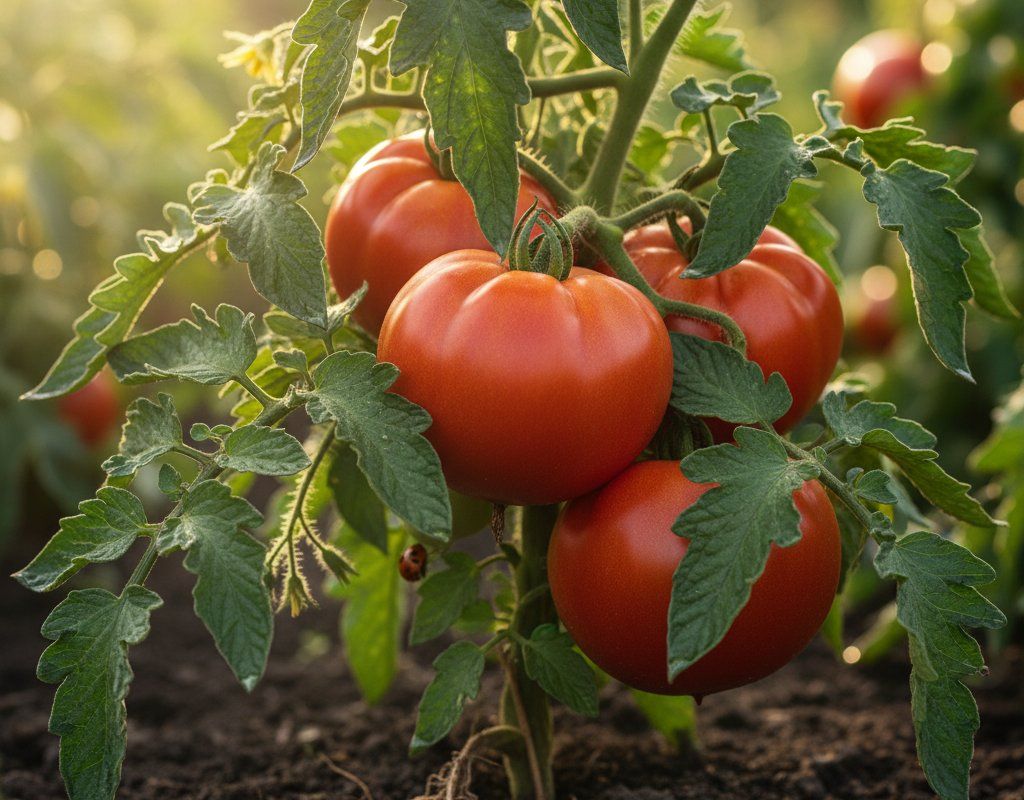
Beefsteak Tomatoes in Zone 6B — Great Plains
Solanum lycopersicum · Your Complete 2026 Planting Guide
Planning Ahead — Great!
You’re ahead of the season. Here’s when to start.
Mark Your Calendar
How to Plant Beefsteak Tomatoes in Zone 6B — Great Plains
Here are all your options for getting beefsteak tomatoes in the ground, from the easiest method to more advanced approaches.
Start Seeds Indoors
RecommendedEarly to late March
around March 13
Then transplant: Late April through late May
Start seeds 6-8 weeks before transplanting outdoors.
Buy Starts
Works WellLate April through late May
around April 24
Plant purchased starts after last frost (April 10).
Direct Sow Seeds
ChallengingDirect sowing is not typical for Beefsteak Tomatoes.
Transplant Outdoors
Timing InfoLate April through late May
around April 24
Wait until nighttime temperatures stay above 50°F.
You have a nice window — no need to rush.
Overview
Beefsteak tomatoes thrive in our Zone 6B Great Plains climate when you time them right. These massive, meaty slicers make the most of our intense prairie sunshine, developing that deep, rich flavor you can't get from store-bought varieties. With our 198-day growing season and low disease pressure, you can grow tomatoes that weigh a pound or more — perfect for thick sandwich slices that actually taste like summer.
Our variable spring weather and potential late-season temperature swings mean timing is everything with these tender giants. The good news is that once you get them established after our last frost risk, they have plenty of time to mature before our first frost arrives in late October. Starting indoors gives you the control you need to work with our unpredictable Plains weather.
Starting Seeds Indoors
Start your beefsteak tomato seeds indoors during early to late March, about six weeks before you plan to transplant them outside. Our variable spring weather makes indoor starting essential — you can't risk direct seeding these tender plants when overnight temperatures might still drop unexpectedly.
Set up seed trays with quality potting mix in a warm location (70-75°F works best). Place them under grow lights or in your brightest south-facing window. Use bottom watering by setting trays in shallow water pans rather than watering from above — this prevents damping-off disease and encourages strong root development.
Your seedlings will be ready to transplant when they're 6-8 inches tall with their first true leaves fully developed. This timing usually coincides perfectly with our soil warming up and nighttime temperatures staying consistently above 50°F.
Transplanting Outdoors
Plan to transplant your beefsteak seedlings outdoors from late April through late May, once soil temperatures reach 60°F and nighttime lows stay above 50°F consistently. This wide window lets you work around our unpredictable spring weather patterns — wait for a stable forecast rather than rushing to meet a calendar date.
Harden off seedlings gradually over one week by placing them outside for increasing hours each day. Start with 2-3 hours in morning shade, then work up to full days outdoors. Our intense Plains sunshine can shock indoor-grown plants, so this gradual exposure prevents transplant stress.
Space plants 36-48 inches apart to ensure good air circulation and room for their massive growth. The wide spacing also helps protect against our spring hail risk — scattered plants suffer less damage than crowded ones. Plant after evening temperatures stay above 55°F for several consecutive nights.
Watering Beefsteak Tomatoes in Zone 6B (Great Plains)
Beefsteak tomatoes demand consistent, deep watering throughout our hot Plains summers. These large-fruited varieties need about 1.5-2 inches of water weekly, which is often more than our variable rainfall provides. Plan to supplement irrigation from mid-June through August when temperatures regularly hit the 90s.
Check soil moisture using the finger test — stick your finger 2 inches deep near the plant base. If it's dry at that depth, it's time to water deeply. With our low-to-moderate humidity and frequent winds, surface soil dries quickly but may still be moist underneath. Water slowly at the base of plants rather than overhead — our dry air means foliar watering isn't necessary and wastes water to evaporation.
Water stress shows up quickly in these heavy producers. Underwatered plants develop yellow lower leaves and small, tough fruit. Overwatering in our clay-heavy prairie soils causes root rot and splitting fruit when rain follows dry spells. The key is maintaining steady soil moisture rather than letting it swing between wet and dry cycles.
Apply 3-4 inches of organic mulch around plants to conserve moisture and buffer against our temperature extremes. Grass clippings or shredded leaves work well in our windy conditions — they stay put better than lightweight mulches.
Supporting Your Beefsteak Tomatoes
Install extra-sturdy cages or thick wooden stakes at planting time because beefsteak tomatoes become incredibly heavy as fruit develops. Standard tomato cages collapse under the weight of multiple two-pound tomatoes, especially during our frequent wind events. Use cages at least 6 feet tall or drive 8-foot stakes 2 feet deep.
Choose support systems that can handle Prairie winds — these plants catch considerable wind with their large leaf surface. Concrete reinforcing wire formed into cylinders works better than flimsy store-bought cages. For staking, use soft ties like fabric strips rather than wire that can cut stems when plants sway.
Train main stems upward weekly and secure heavy fruit clusters before they bend or break branches. The sheer weight of mature beefsteak tomatoes can snap branches overnight, especially after our summer thunderstorms when plants are heavy with rain.
Pruning & Maintaining Beefsteak Tomatoes
Remove suckers (shoots growing between main stem and branches) regularly to direct plant energy toward fewer, larger fruit. Start this when plants are about 18 inches tall and continue throughout the growing season. Beefsteak varieties naturally want to become massive, sprawling plants, but controlled pruning gives you better fruit size and easier harvest.
Pinch out most suckers when they're 2-3 inches long, but leave a few strong ones on upper portions of the plant for backup production. Remove lower leaves that touch the ground to improve air circulation — especially important during our humid summer nights when disease pressure can build quickly.
As first frost approaches in late October, pinch off new flower clusters and small fruit that won't have time to mature. Focus the plant's remaining energy on ripening existing large fruits. About four weeks before expected frost, top the plants by removing growing tips to concentrate energy in current fruit.
🧪Fertilizing Beefsteak Tomatoes
Feeding Schedule
Organic Fertilizer Options
Harvest Time
Expect your first harvest from mid-July through early September, roughly 85 days after transplanting. Beefsteak tomatoes ripen from the bottom clusters upward, so check lower branches first. With our intense summer sunshine, fruit develops excellent color and flavor when allowed to ripen fully on the vine.
Harvest when tomatoes show deep, even color and yield slightly to gentle pressure when cupped in your hand. The shoulders (area around the stem) should feel slightly soft. Don't wait until they're completely soft — that means overripe and they'll deteriorate quickly in our heat.
Pick regularly to encourage continued production through late summer. These plants can produce 15-20 pounds per plant with good care. Harvest in early morning when possible — tomatoes picked in afternoon heat don't store as well and may develop white shoulders from sun exposure.
As first frost approaches in late October, harvest all large green tomatoes and bring them indoors to ripen. Wrap individual fruits in newspaper or place in cardboard boxes — many will continue ripening for several weeks. This extends your harvest well into November even after garden cleanup.
Common Problems in Zone 6B (Great Plains)
Fruit Cracking Concentric circles or radial splits in the tomato skin that expose the flesh underneath. Most common after heavy rain following dry periods, which happens frequently with our variable precipitation patterns. Prevent by maintaining consistent soil moisture through mulching and regular watering. Harvest promptly when ripe rather than leaving fruit on the vine.
Catfacing Deep crevices and deformed, lumpy fruit that looks scarred on the blossom end. This happens when cool nighttime temperatures during flowering cause incomplete pollination — common with our spring temperature swings. The fruit is perfectly edible but ugly. Avoid early transplanting when nights are still cool, and use row covers for protection during variable spring weather.
Blossom End Rot Dark, sunken, leathery patches on the bottom of fruit, especially on first clusters. Despite the name, it's not a disease but a calcium uptake problem caused by inconsistent watering. Our clay soils can go from waterlogged to bone-dry quickly. Fix by maintaining steady moisture through mulching and regular deep watering — the single most effective solution.
Slow Ripening Large green tomatoes that seem stuck and won't turn red even after the expected 85 days. Cool nighttime temperatures (below 60°F) stop ripening, which can happen during our variable late-summer weather. Excessive nitrogen fertilizer also delays ripening. Reduce fertilizer, ensure full sun exposure, and consider removing some foliage to let more light reach fruit.
Great Plains gardeners face additional challenges from our extreme weather patterns. Hail can destroy plants overnight, so consider row covers during storm season. Our hot, dry winds increase water stress, making consistent irrigation even more critical. The wide day-night temperature swings that are common here can slow fruit development, but our intense sunshine more than makes up for it once temperatures stabilize.
Best Companions for Beefsteak Tomatoes
Plant these nearby for healthier Beefsteak Tomatoes and better harvests.
View Full Companion Planting Chart →



Companion Planting Details
Plant basil near your beefsteak tomatoes — it genuinely improves tomato flavor while repelling aphids and whiteflies that thrive in our hot summers. Carrots make excellent use of space between widely-spaced tomato plants and their deep roots don't compete for surface nutrients. Marigolds planted around the garden perimeter help deter nematodes in our prairie soils, while parsley attracts beneficial insects that control common tomato pests.
Avoid planting brassicas (cabbage, broccoli) near tomatoes — they're heavy nitrogen feeders that compete directly with your tomato plants' high nutrient needs. Keep fennel away from the entire garden area since it inhibits growth of most vegetables. Corn creates too much shade for tomatoes and attracts similar pests, plus both are heavy feeders that will compete for nutrients in our sometimes-challenging prairie soils.
🌸Best Flowers to Plant with Beefsteak Tomatoes
These flowers protect your Beefsteak Tomatoes from pests and attract pollinators for better harvests.


Get a Reminder When It's Time to Plant
We'll email you when key planting windows open for your zone.