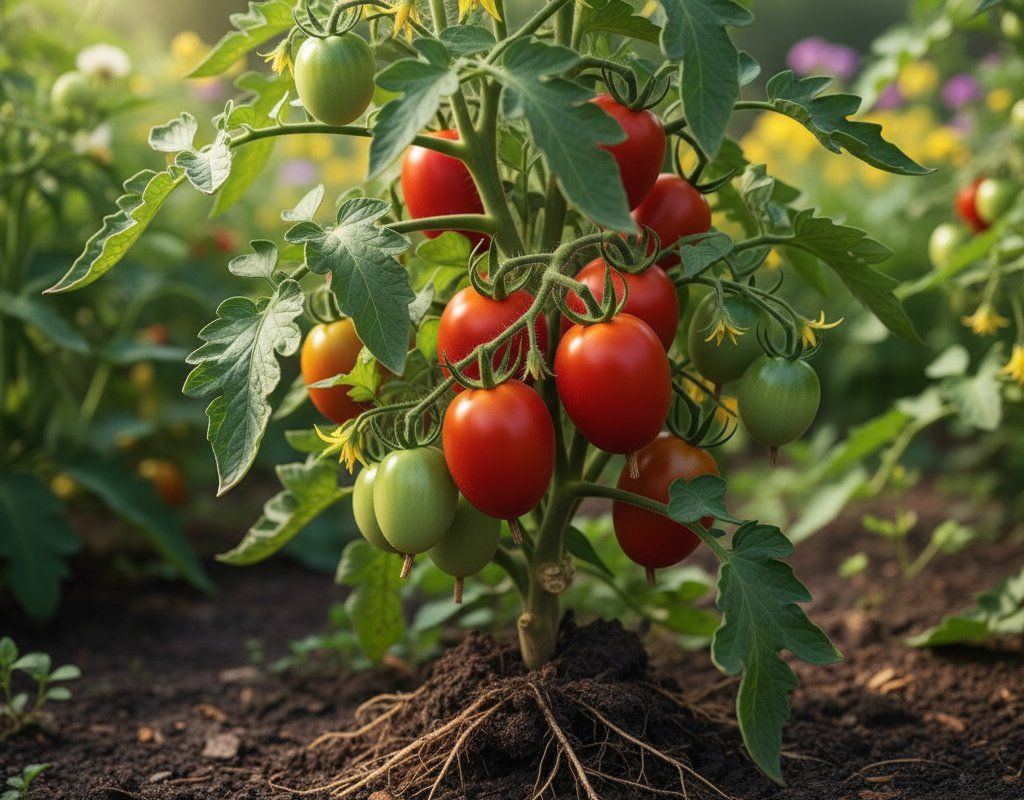
Roma Tomatoes in Zone 6B — Great Plains
Solanum lycopersicum · Your Complete 2026 Planting Guide
Planning Ahead — Great!
You’re ahead of the season. Here’s when to start.
Mark Your Calendar
How to Plant Roma Tomatoes in Zone 6B — Great Plains
Here are all your options for getting roma tomatoes in the ground, from the easiest method to more advanced approaches.
Start Seeds Indoors
RecommendedEarly to late March
around March 13
Then transplant: Late April through late May
Start seeds 6-8 weeks before transplanting outdoors.
Buy Starts
Works WellLate April through late May
around April 24
Plant purchased starts after last frost (April 10).
Direct Sow Seeds
ChallengingDirect sowing is not typical for Roma Tomatoes.
Transplant Outdoors
Timing InfoLate April through late May
around April 24
Wait until nighttime temperatures stay above 50°F.
You have a nice window — no need to rush.
Overview
Roma tomatoes thrive in our Great Plains climate when you get the timing right. These meaty, paste-type tomatoes handle our intense sunshine and low disease pressure beautifully, giving you thick-walled fruit perfect for sauces, canning, and fresh eating. The determinate growth habit means you'll get a concentrated harvest – ideal for preserving when the peak season hits.
Our extreme temperature swings and variable spring weather can challenge any tender plant, but Roma tomatoes work well within our 198-day growing season. Starting seeds indoors gives you complete control over those critical early weeks, and once transplanted after our last frost risk passes, these plants make the most of our hot summers and fertile prairie soil.
Starting Seeds Indoors
Start your Roma tomato seeds indoors during early to late March, about 6 weeks before you plan to transplant outside. This timing works perfectly with our variable spring weather – you're not rushing to get plants outside during those unpredictable warm spells that can still turn cold.
Set up your seeds in standard seed trays with a quality seed-starting mix. Keep soil consistently warm (70-75°F) and provide bright light once seedlings emerge. Bottom watering works best – it prevents damping off and gives roots steady moisture without soaking the soil surface.
Our Plains springs can swing from winter-like to summer-like within days, so having plants safely indoors during early March through late April keeps them growing steadily. You'll have strong, stocky transplants ready when outdoor conditions finally stabilize in late spring.
Transplanting Outdoors
Transplant your Roma seedlings outdoors from late April through late May, once soil has warmed and nighttime temperatures stay consistently above 50°F. This timing puts you safely past our typical last frost while avoiding the rush of trying to beat summer heat that hits other regions earlier.
Harden off plants gradually over one week – start with a few hours outside in a protected spot, gradually increasing time and exposure to wind. Our Plains wind can shock tender plants, so this step is essential here. Space plants 24-36 inches apart to handle our strong summer winds and allow good air circulation.
Watch for late cold snaps during transplant season – have row covers or buckets ready for unexpected temperature drops. Our soil warms quickly once spring settles in, but those sudden weather swings can catch you off guard even in May.
Watering Roma Tomatoes in Zone 6B (Great Plains)
Roma tomatoes need consistent, deep watering – more critical here than in humid climates because our low-to-moderate humidity and hot summers (typical highs around 93°F) pull moisture from plants quickly. These paste tomatoes are particularly sensitive to watering fluctuations, which concentrate blossom end rot on their elongated fruit.
Aim for 1-1.5 inches of water per week, including rainfall. With our variable precipitation (15-35 inches annually), you'll need to supplement regularly during dry spells. Use the finger test – if soil feels dry 2 inches down, it's time to water deeply at the base of plants rather than overhead.
Water early morning to reduce evaporation in our intense sunshine and give plants time to dry before evening. Our relatively low humidity means less disease pressure from wet foliage, but watering at soil level still conserves more moisture. During peak summer heat, you may need to water every other day.
Mulch heavily around plants with straw or grass clippings to maintain even soil moisture – this single step prevents most watering-related problems. Watch for drooping during afternoon heat (normal) versus morning drooping (needs water) and yellowing lower leaves (often overwatering rather than drought in our well-draining prairie soils).
Supporting Your Roma Tomatoes
Install cages or stakes at planting time since Roma tomatoes produce a heavy, concentrated fruit load that benefits from support. Determinate varieties like Roma stay shorter than indeterminate types, so 4-5 foot cages work well – taller than what you'd use for peppers but not the giant tomato towers some varieties need.
Cages often work better than stakes in our windy conditions because they provide support from multiple directions. Choose sturdy cages or drive stakes deep – our Plains winds can topple inadequately supported plants, especially when loaded with fruit in midsummer.
Train main stems loosely to supports as plants grow, but don't over-prune determinate varieties like Roma. They naturally stop growing at a certain height and put energy into fruit production rather than continued vine growth. Position supports to also provide some wind protection for the developing fruit clusters.
🧪Fertilizing Roma Tomatoes
Feeding Schedule
Organic Fertilizer Options
Harvest Time
Your first Roma tomatoes will be ready from early July through late August, typically 75 days from transplant. Look for deep red color throughout the fruit – no green shoulders or light streaking. Ripe Romas feel firm but give slightly to gentle pressure and detach easily from the stem with a slight twist.
Harvest in the cool morning hours when possible, especially during our hot summer days. Unlike cherry tomatoes that ripen continuously, determinate Roma plants give you most of their fruit within a 2-3 week window, making them perfect for preserving projects but requiring you to stay on top of picking.
As first frost approaches in late October, harvest any large green tomatoes and ripen them indoors on countertops or wrapped in newspaper. Green tomatoes bigger than golf balls will ripen well inside, letting you extend your harvest despite our relatively short season compared to southern regions.
Check plants every 2-3 days during peak harvest since ripe fruit can crack or split quickly in our intense sun and temperature swings. Pick slightly underripe if severe weather threatens – Romas will continue ripening after harvest better than many other varieties.
Common Problems in Zone 6B (Great Plains)
Blossom End Rot Dark brown or black sunken patches appear on the bottom end of fruits, often affecting your first tomatoes of the season. This leathery rot makes fruit inedible and frustratingly common with paste tomatoes like Roma. The cause isn't disease but calcium deficiency triggered by inconsistent watering – especially problematic in our climate with variable rainfall and hot, drying conditions. Maintain steady soil moisture through heavy mulching and regular watering schedules. Remove affected fruits and focus on consistent care rather than calcium sprays, which help only marginally.
Early Blight Brown spots with distinctive bullseye or target patterns start on lower leaves and spread upward, causing leaves to yellow and drop. This fungal disease spreads through soil splash during watering or storms, then thrives in warm conditions like our summer heat. Remove affected leaves immediately and destroy them (never compost diseased material). Water at soil level rather than overhead, mulch to prevent soil splash, and space plants for good airflow. Copper fungicide helps slow spread if caught early.
Fusarium Wilt Wilting begins on one side of the plant, then spreads as leaves yellow and brown streaks appear in cut stems. This soil-borne fungus persists for years and enters through roots, favored by warm soil temperatures common here in summer. No cure exists once plants are infected – remove and destroy affected plants immediately. Prevent by choosing resistant varieties (marked with 'F' on seed labels), rotating crops on 4-year cycles, and maintaining soil pH above 6.5.
Great Plains Specific Challenges Our combination of hot summers, variable rainfall, and intense sun creates perfect conditions for water-stress problems like blossom end rot. However, our relatively low humidity means less fungal disease pressure than humid regions face. Wind can increase plant stress and watering needs, while our extreme temperature swings can shock plants if not properly hardened off. Focus on consistent watering and wind protection for best results with Roma tomatoes here.
Best Companions for Roma Tomatoes
Plant these nearby for healthier Roma Tomatoes and better harvests.
View Full Companion Planting Chart →



Companion Planting Details
Plant basil near your Roma tomatoes – it reportedly improves tomato flavor and helps repel aphids and hornworms. Carrots work well as ground cover between tomato plants, using space efficiently while their deep roots don't compete with shallow tomato feeder roots. Parsley attracts beneficial insects that prey on tomato pests, and marigolds help deter nematodes in the soil while adding color to your garden.
Avoid planting brassicas (cabbage, broccoli, cauliflower) near tomatoes since they can stunt tomato growth and compete for similar nutrients. Keep fennel away from all vegetables – it inhibits growth in most plants through allelopathy. Corn attracts the same hornworms that damage tomatoes, creating pest problems for both crops. In our windy Plains conditions, focus on companions that won't shade your tomatoes or create wind tunnels that increase plant stress.
🌸Best Flowers to Plant with Roma Tomatoes
These flowers protect your Roma Tomatoes from pests and attract pollinators for better harvests.
For Pest Control



For Pollinators

Get a Reminder When It's Time to Plant
We'll email you when key planting windows open for your zone.