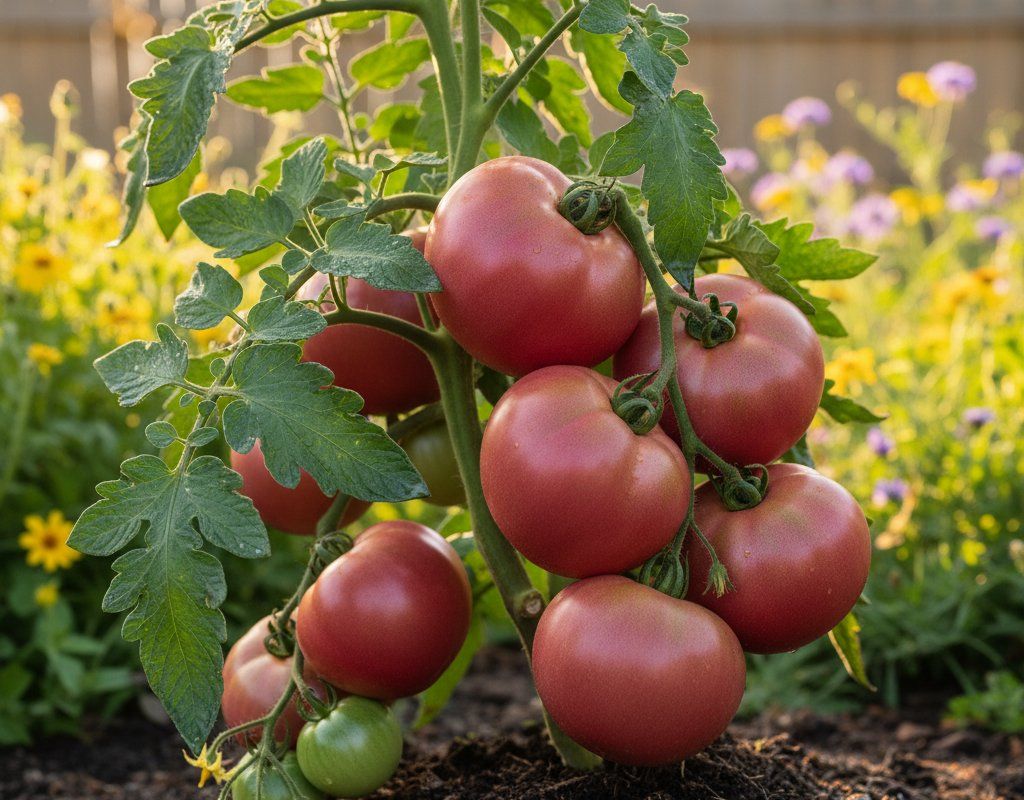
Brandywine Tomatoes in Zone 7B — Northern California
Solanum lycopersicum · Your Complete 2026 Planting Guide
Missed Seed Starting? No Problem!
Wait for starts to become available.
What to Do
Starts will be available at nurseries in 25 days (around March 29).
How to Plant Brandywine Tomatoes in Zone 7B — Northern California
Here are all your options for getting brandywine tomatoes in the ground, from the easiest method to more advanced approaches.
Start Seeds Indoors
RecommendedEarly February through early March
around February 15
Then transplant: Late March through mid April
Start seeds 6-8 weeks before transplanting outdoors.
Buy Starts
Works WellLate March through mid April
around March 29
Plant purchased starts after last frost (March 15).
Direct Sow Seeds
ChallengingDirect sowing is not typical for Brandywine Tomatoes.
Transplant Outdoors
Timing InfoLate March through mid April
around March 29
Wait until nighttime temperatures stay above 50°F.
Plan to transplant within a few weeks of your target date.
Overview
Brandywine tomatoes deliver the rich, complex flavor that makes growing your own worthwhile in Northern California's Mediterranean climate. These large, pink-red heirlooms offer that perfect balance of sweet and tangy that store-bought tomatoes can't match, and our long, warm summers with cool nights create ideal conditions for developing their signature taste. With our 245-day growing season, you have plenty of time to nurture these slower-maturing beauties from seed to harvest.
While Brandywines require more attention than modern hybrids and our dry summers mean consistent watering is essential, the timing works perfectly in Zone 7B. Start seeds indoors during our mild winter months, transplant after our last frost in mid-March, and enjoy harvests from late June through October before our first frost arrives in mid-November.
Starting Seeds Indoors
Start your Brandywine seeds indoors during early February through early March, about 6 weeks before you plan to transplant them outside. In Northern California, this timing takes advantage of our early spring character while avoiding the risk of transplanting too soon into unpredictable March weather.
Set up your seed trays in a warm spot (70-75°F) with good light once germination occurs. A sunny south-facing window works, but seedlings often get leggy without supplemental light during our shorter winter days. Bottom watering keeps the soil consistently moist without disturbing the seeds or promoting damping-off disease.
Plan on 6-8 weeks from seed to transplant-ready seedlings. Your plants should have their second set of true leaves and be 4-6 inches tall before heading outside. This timing puts you right into our ideal transplant window of late March through mid-April.
Transplanting Outdoors
Transplant your Brandywine seedlings outdoors from late March through mid-April, once nighttime temperatures consistently stay above 50°F. In Northern California, this timing usually coincides with our last frost risk passing in mid-March, but watch for those occasional late cold snaps that can surprise us.
Harden off your seedlings gradually over a full week before transplanting. Start with just 2-3 hours of morning sun, then increase exposure daily. Our spring weather can swing dramatically from warm afternoons to chilly mornings, so this acclimation process is crucial for strong transplants.
Space your plants 36-48 inches apart to ensure good air circulation. Brandywines are vigorous indeterminate varieties that need room to sprawl, and the wider spacing helps prevent disease issues during our humid-free but sometimes still mornings along the coast. Plant them in full sun locations that receive 6-8 hours of direct sunlight daily.
Watering Brandywine Tomatoes in Zone 7B (Northern California)
Brandywines need consistent, deep watering throughout Northern California's dry summer months. These heirlooms are particularly sensitive to moisture fluctuations and will crack if subjected to the dry-then-wet cycle that's all too easy to create during our rainless summers. Plan on providing about 1-2 inches of water per week, delivered slowly and deeply at the base of the plant.
Check soil moisture by sticking your finger 2 inches deep near the base of the plant. In our low-humidity climate with moderate-to-hot days (typically reaching 88°F), you'll likely need to water every 2-3 days during peak summer. Water early morning to minimize evaporation and avoid getting leaves wet, since our dry air means moisture on foliage can actually encourage certain diseases rather than prevent them.
Watch for signs of stress: wilting during the heat of the day is normal, but if plants don't perk up by evening, they need more water. Cracking fruit means you've let the soil get too dry between waterings. Yellowing lower leaves often indicate overwatering or poor drainage.
Apply 2-3 inches of organic mulch around your plants to help maintain even soil moisture and reduce water needs. In our Mediterranean climate, this conservation approach becomes especially important during drought years and water restrictions that are increasingly common in Northern California.
Supporting Your Brandywine Tomatoes
Install strong support systems at planting time since Brandywines are vigorous indeterminate varieties that can reach 6-8 feet tall with heavy fruit loads. Heavy-duty tomato cages (at least 6 feet tall) or sturdy stakes with soft ties work best for these large-fruited plants. The combination of big tomatoes and our occasional late-summer winds means flimsy supports will fail when you need them most.
Stake-and-tie systems give you more control over plant shape, which is helpful since Brandywines tend to get sprawling. Use soft cloth ties or tomato clips to secure the main stem to your stake every 12-18 inches as the plant grows. This keeps fruit off the ground and improves air circulation through the canopy.
Train your plants upward consistently throughout the growing season. Brandywines have potato-leaf foliage that provides less natural shade than regular tomato leaves, so proper support helps you position the plant to protect fruit from our intense afternoon sun while maintaining good airflow.
Pruning & Maintaining Brandywine Tomatoes
Prune your Brandywines moderately to improve air circulation and focus the plant's energy on fruit production. Remove suckers (shoots growing between the main stem and branches) when they're small and soft, especially on the lower portion of the plant. However, don't over-prune these heirlooms since they need adequate foliage to protect fruit from sunscald during our hot afternoons.
Remove the bottom branches that touch the ground or come within 6 inches of soil level to prevent soil-borne diseases. Also trim any yellowing or diseased leaves immediately, since Brandywines are more susceptible to diseases than modern hybrids. Focus your heaviest pruning on the lower third of the plant while leaving plenty of healthy foliage up top.
As first frost approaches in mid-November, you can top the plants (cut off the growing tips) in late September or early October to redirect energy into ripening existing fruit rather than producing new flowers. This end-of-season pruning helps you get the most from your plants before our growing season ends.
🧪Fertilizing Brandywine Tomatoes
Feeding Schedule
Organic Fertilizer Options
Harvest Time
Expect your first Brandywine tomatoes to ripen from late June through early August, about 90 days from transplanting. In Northern California's long growing season, this timing gives you months of continuous harvest through October and sometimes into November if frost holds off.
Brandywines are ready when they develop their characteristic pink-red color with a slight softness when gently squeezed. Don't worry if the shoulders (tops) stay greenish—this is normal for this variety and doesn't affect flavor. The fruit should give slightly to pressure and have a sweet, rich aroma at the stem end.
Harvest regularly to encourage continued production, picking tomatoes when they just start to turn color. They'll ripen perfectly on your kitchen counter within a few days. This strategy also protects fruit from cracking during hot spells and reduces losses to birds and insects.
As our first frost date approaches in mid-November, harvest all remaining green tomatoes. Wrap them individually in newspaper and store in a cool, dark place where they'll ripen slowly over several weeks. Larger green fruits ripen better than small ones, so focus on saving the biggest for indoor ripening while composting the smallest ones.
Common Problems in Zone 7B (Northern California)
Cracking appears as splits in the tomato skin, either in circles around the stem (concentric) or radiating out like spokes (radial). You'll often see this after our rare summer rainstorms or if you've let the soil dry out completely then given plants a deep soaking. Our Mediterranean climate's typical dry summers actually help prevent this issue, but inconsistent watering makes it worse. Maintain even soil moisture with mulch and regular watering schedules. Harvest tomatoes promptly when they start turning color rather than leaving them on the vine until fully ripe.
Low yields show up as healthy-looking plants that produce disappointingly few tomatoes. Brandywines naturally yield less than modern hybrids, but in Northern California, this problem often stems from too much nitrogen fertilizer (creating lush foliage with few flowers) or inadequate pollination during hot spells. Our dry air and occasional hot inland temperatures can stress plants during flowering. Water consistently, use balanced fertilizers rather than high-nitrogen ones, and consider hand-pollinating during heat waves above 90°F by gently shaking flower clusters.
Disease susceptibility manifests as various spots, wilts, and blights throughout the growing season. Brandywines lack the disease resistance bred into hybrids, making them vulnerable to fungal and bacterial problems. While our low humidity helps prevent some diseases, morning fog along the coast and occasional summer humidity can trigger issues. Space plants widely for air circulation, remove affected leaves immediately, and consider organic fungicide sprays as prevention. Rotate your tomato planting areas each year.
Catfacing creates deeply scarred, deformed tomatoes with crevices and lumps, especially around the blossom end. This happens when cool nighttime temperatures during flowering (below 55°F) interfere with pollination. Our spring weather swings can trigger this in early-planted tomatoes. Wait until nighttime temperatures stabilize above 55°F before transplanting, or use row covers for early plantings. The deformed fruit is still perfectly edible, just ugly.
Northern California Specific Challenges: Our combination of dry summers and potential water restrictions means Brandywines' high water needs can be challenging. Fire season smoke can stress plants and affect photosynthesis, while our dramatic microclimates mean a plant thriving in your backyard might struggle just a few miles away in a different sun or wind pattern.
Best Companions for Brandywine Tomatoes
Plant these nearby for healthier Brandywine Tomatoes and better harvests.
View Full Companion Planting Chart →



Companion Planting Details
Plant basil near your Brandywines for more than just kitchen convenience—basil actually helps repel aphids and may improve tomato flavor when grown nearby. Carrots make excellent ground-level companions since their deep taproots don't compete with tomato roots, and they help break up clay soil common in many Northern California gardens. Parsley attracts beneficial insects that prey on tomato pests, while marigolds planted around the bed edges deter nematodes and add color to your tomato patch.
Avoid planting brassicas (cabbage family plants) near tomatoes since they can attract similar pests and compete for nutrients during our long growing season. Skip fennel entirely—it inhibits tomato growth through chemical compounds in its roots. Corn seems like it would work, but it attracts earworms that will also damage your tomatoes, and both crops are heavy feeders that will compete intensely in our typically nutrient-moderate soils.
🌸Best Flowers to Plant with Brandywine Tomatoes
These flowers protect your Brandywine Tomatoes from pests and attract pollinators for better harvests.
For Pest Control

Get a Reminder When It's Time to Plant
We'll email you when key planting windows open for your zone.