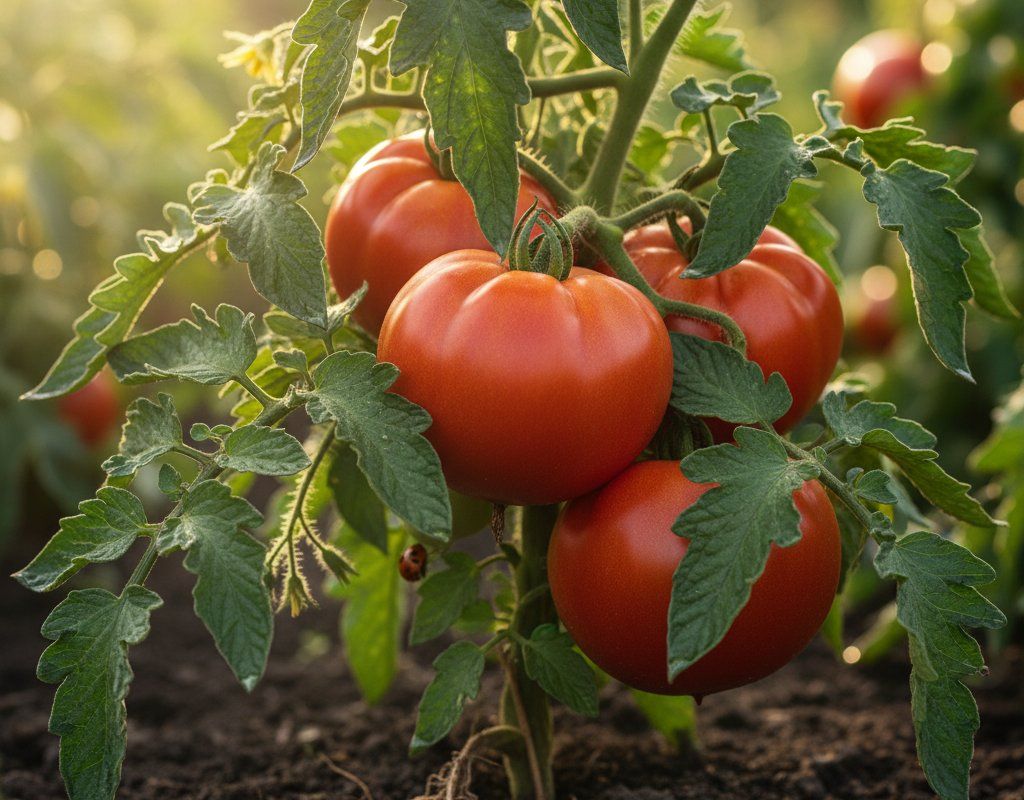
Beefsteak Tomatoes in Zone 8B — Desert Southwest
Solanum lycopersicum · Your Complete 2026 Planting Guide
Missed Seed Starting? No Problem!
Wait for starts to become available.
What to Do
Starts will be available at nurseries in 7 days (around March 11).
How to Plant Beefsteak Tomatoes in Zone 8B — Desert Southwest
Here are all your options for getting beefsteak tomatoes in the ground, from the easiest method to more advanced approaches.
Start Seeds Indoors
RecommendedLate January through mid February
around January 28
Then transplant: Mid March through early April
Start seeds 6-8 weeks before transplanting outdoors.
Buy Starts
Works WellMid March through early April
around March 11
Plant purchased starts after last frost (February 25).
Direct Sow Seeds
ChallengingDirect sowing is not typical for Beefsteak Tomatoes.
Transplant Outdoors
Timing InfoMid March through early April
around March 11
Wait until nighttime temperatures stay above 50°F.
You have a nice window — no need to rush.
Overview
Beefsteak tomatoes deliver that classic, old-fashioned tomato flavor that makes summer sandwiches memorable. These giants can reach 1-2 pounds each, providing enough slices for the whole family from just one fruit. In our Desert Southwest climate, the extended 279-day growing season gives you plenty of time to nurture these slow-maturing beauties to perfection.
The extreme heat and arid conditions here do present challenges for these water-loving plants, but proper timing makes all the difference. Start them indoors during our mild winter months, transplant in early spring, and you'll harvest prize-worthy tomatoes well before the brutal summer heat arrives. Your patience with these 85-day giants will be rewarded with tomatoes that put store-bought varieties to shame.
Starting Seeds Indoors
Start your beefsteak tomato seeds indoors from late January through mid-February, about 6 weeks before you plan to transplant outside. Our very-early spring character means you can get a jump start while other regions are still dealing with snow. Use seed-starting trays filled with quality potting mix, and keep them warm (70-80°F) for best germination.
Place your trays under grow lights or in a sunny window, keeping the soil consistently moist but not waterlogged. Bottom watering works particularly well here – set trays in shallow water and let the soil absorb moisture from below. This prevents the crusty surface that our low humidity can create when watering from above.
Once seedlings develop their first true leaves, thin to the strongest plant per cell. Keep them indoors until nighttime temperatures consistently stay above 50°F, which typically happens by mid-March in our zone.
Transplanting Outdoors
Transplant your beefsteak seedlings outdoors from mid-March through early April, after you've hardened them off for a full week. Gradual outdoor exposure is crucial in our Desert Southwest climate where temperature swings can shock tender plants. Start with 2-3 hours outside in morning sun, gradually increasing time and intensity.
Space plants 36-48 inches apart – these indeterminate varieties will sprawl significantly, and good air circulation becomes critical during our intense summer heat. Plant them slightly deeper than they were in their pots, burying part of the stem to encourage strong root development.
Watch for late cold snaps during transplant season. Our desert nights can still drop into the 40s in early spring, so keep row covers handy for unexpected temperature dips that could stunt these warm-season plants.
Watering Beefsteak Tomatoes in Zone 8B (Desert Southwest)
Beefsteak tomatoes demand consistent, deep watering throughout the season – their large fruit size makes them particularly vulnerable to water stress in our arid climate. Plan on providing 1.5-2 inches of water per week, delivered slowly and deeply to encourage roots to grow down rather than stay shallow where they'll suffer in our extreme heat.
Use the finger test regularly: stick your finger 2 inches into the soil near the base of the plant. If it's dry at that depth, it's time to water. In our desert conditions, this might be every 2-3 days during peak summer, especially once fruit starts sizing up. Water at the base rather than overhead – our low humidity means foliage dries quickly, but consistent soil moisture matters more than humid air.
Watch for signs of water stress: wilting during the hottest part of day (normal), but also fruit cracking, blossom end rot, or catfacing (all preventable with consistent watering). Mulch heavily around plants with 3-4 inches of organic material to help retain moisture and keep soil temperatures more stable during our temperature extremes.
During monsoon season, you may need to back off supplemental watering, but don't let the inconsistent rainfall fool you into neglecting irrigation entirely. These heavy feeders need steady moisture to produce those massive fruits.
Supporting Your Beefsteak Tomatoes
Install sturdy cages or stakes at planting time – beefsteak tomatoes will grow 6-8 feet tall and produce fruit that can weigh over a pound each. Standard tomato cages often prove inadequate for these vigorous indeterminate plants. Use extra-heavy cages (at least 6 feet tall) or thick wooden stakes with strong ties.
As plants grow, check ties weekly and adjust as needed. The combination of our strong desert winds and heavy fruit can snap branches if they're not properly supported. Tie main stems loosely but securely, allowing room for continued growth while providing solid support.
Consider the "Florida weave" method for multiple plants – run strong twine horizontally between stakes every 12-18 inches as plants grow. This distributes weight more evenly than individual ties and works particularly well in our windy conditions where individual plants can get battered.
Pruning & Maintaining Beefsteak Tomatoes
Remove suckers (shoots that grow between the main stem and branches) regularly throughout the growing season to direct the plant's energy into fewer, larger fruits. Beefsteaks naturally want to sprawl, but removing most suckers keeps them more manageable and improves fruit size and quality.
Also remove lower leaves that touch the ground as plants mature – this improves air circulation and reduces disease risk, though our arid climate naturally keeps disease pressure lower than in humid regions. Focus your pruning efforts during the cooler morning hours when plants are fully hydrated.
As first frost approaches in early December, stop feeding the plants and remove flower clusters that won't have time to mature. This redirects energy into ripening existing fruit. You can also top the main growing point about 4-6 weeks before expected frost to concentrate the plant's energy on finishing current fruit rather than growing taller.
🧪Fertilizing Beefsteak Tomatoes
Feeding Schedule
Organic Fertilizer Options
Harvest Time
Expect your first ripe beefsteaks in early June through late July, about 85 days from transplanting. The exact timing depends on spring weather – cooler springs delay maturity while warmer conditions speed things up. These large tomatoes ripen from the inside out, so look for deep color development and slight softness when you cup the fruit in your hand.
Harvest in the cooler morning hours when possible, and cut the stem rather than pulling fruit off the vine. This prevents damage to the plant and allows continued production. A sharp pair of garden shears works better than trying to twist fruit off the vine, especially with these heavy specimens.
Beefsteaks ripen continuously through the growing season if you keep harvesting regularly. Each plant typically produces 8-12 large fruits over the course of the season. Remove ripe fruit promptly – leaving overripe tomatoes on the vine can slow down new fruit production and attract pests.
As first frost approaches in early December, harvest all mature green fruit and ripen them indoors on a sunny windowsill or in paper bags. Green beefsteaks that have reached full size will ripen successfully off the vine, though flavor is always best when ripened naturally on the plant.
Common Problems in Zone 8B (Desert Southwest)
Cracking Look for splits in the tomato skin, either in circles around the stem (concentric) or lines radiating from the stem (radial). These splits expose the flesh and can lead to rot. In our desert climate, cracking typically happens when heavy monsoon rains or over-enthusiastic watering follows a dry period. The fruit absorbs water faster than the skin can expand. Maintain consistent soil moisture with regular deep watering and heavy mulching to avoid the dry-wet cycles that cause cracking.
Catfacing Watch for deep crevices, scars, and deformities on the blossom end of tomatoes – the fruit looks lumpy and misshapen rather than smooth and round. Cool nighttime temperatures during flowering (below 55°F) cause incomplete pollination, and beefsteak varieties are particularly prone to this problem. In our Desert Southwest, this usually affects early plantings when March nights can still dip unexpectedly. The fruit is perfectly edible despite its appearance, but time your plantings to avoid the coolest spring weather.
Blossom End Rot Spot the telltale sunken, dark brown or black leathery patch on the bottom of the fruit. This isn't a disease but a calcium deficiency triggered by inconsistent watering – ironically common in our water-scarce region where gardeners may underwater or create feast-or-famine watering cycles. Consistent, deep watering is the single most effective prevention. Remove affected fruit immediately and focus on maintaining steady soil moisture through mulching and regular irrigation.
Slow to Ripen Large green tomatoes that seem stuck at full size but won't turn red indicate several possible issues. In our climate, excessive nitrogen fertilization often causes this problem – reduce feeding once fruit sets. Ensure plants receive full morning sun, as even partial shade can delay ripening. Our extreme afternoon sun can actually slow ripening too, so some afternoon shade cloth (30-50%) during peak summer may help if harvest extends into the hottest months.
Desert Southwest Specific Challenges: Our extreme heat and arid conditions create unique stresses for beefsteak tomatoes. Sunscald becomes a major issue once temperatures exceed 100°F consistently – consider 30% shade cloth during peak summer. The combination of low humidity and alkaline soil can interfere with calcium uptake, making blossom end rot more likely. Plan your growing season to harvest the bulk of your crop before the most extreme heat arrives, typically by late July.
Best Companions for Beefsteak Tomatoes
Plant these nearby for healthier Beefsteak Tomatoes and better harvests.
View Full Companion Planting Chart →



Companion Planting Details
Plant basil nearby – it naturally repels aphids and whiteflies while potentially improving tomato flavor, plus you'll have fresh herbs for your beefsteak tomato dishes. Carrots make excellent ground-level companions, their deep taproots helping break up our often-compacted desert soils without competing for surface nutrients. Parsley provides beneficial habitat for predatory insects that control tomato pests, while marigolds deter nematodes and other soil-dwelling problems common in our alkaline desert soils.
Avoid planting brassicas (cabbage, broccoli, kale) near tomatoes – they compete for similar nutrients and can harbor diseases that affect both plant families. Fennel inhibits tomato growth through allelopathic compounds, and corn creates too much shade while attracting similar pests. In our Desert Southwest climate where every plant needs to earn its space and water allocation, stick with companions that provide clear benefits rather than creating competition.
🌸Best Flowers to Plant with Beefsteak Tomatoes
These flowers protect your Beefsteak Tomatoes from pests and attract pollinators for better harvests.


Get a Reminder When It's Time to Plant
We'll email you when key planting windows open for your zone.